Affordable Wholesale Second Hand Clothing Options
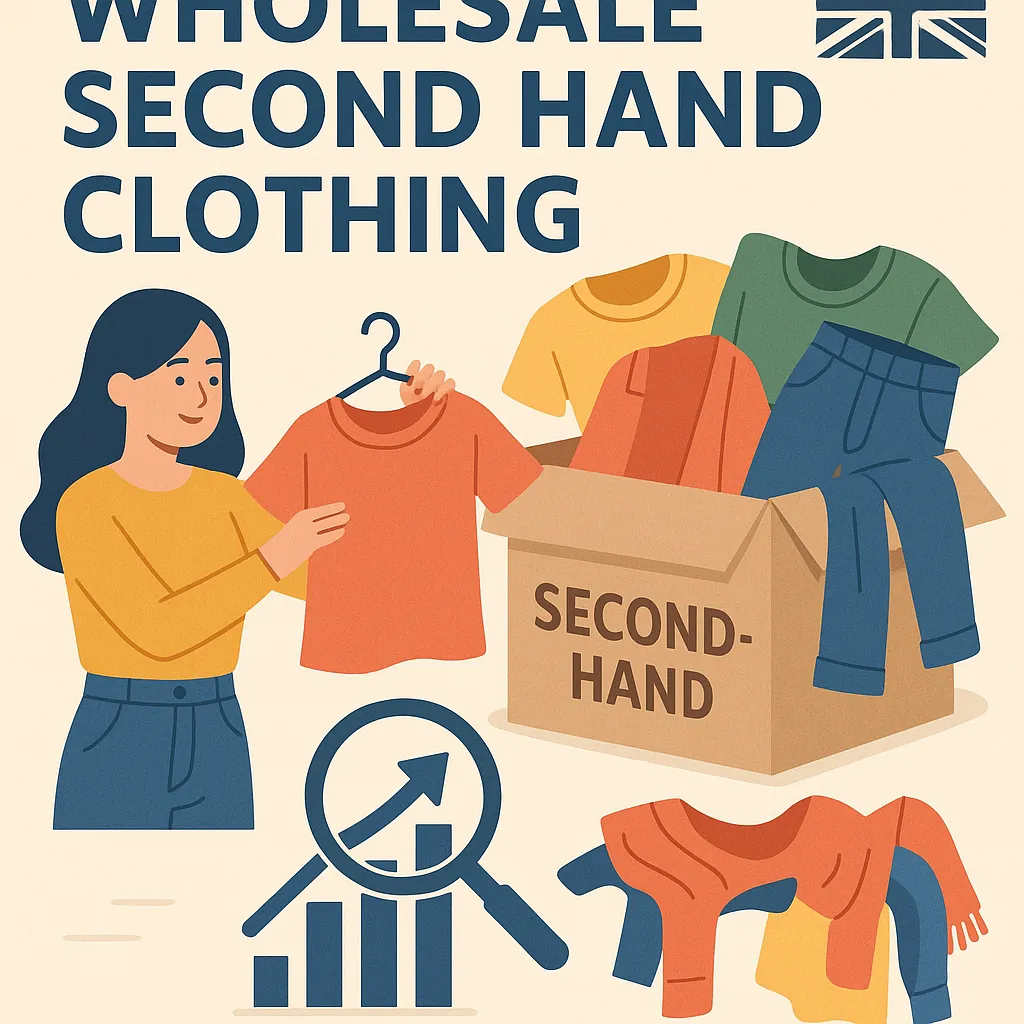

Wholesale second hand clothing offers a unique opportunity for businesses to provide stylish, sustainable fashion without breaking the bank. This sector has been growing as consumers become more environmentally conscious and seek out options that not only save money but also reduce waste. By sourcing used clothing in bulk, retailers can cater to a diverse audience looking for trendy pieces at wholesale prices. The demand for second hand clothing continues to rise, and retailers who recognize this trend can enhance their offerings while promoting sustainability. In this article, we will explore the benefits of wholesale second hand clothing, how to source these items effectively, and the impact this market has on the fashion industry.
The Benefits of Wholesale Second Hand Clothing
Engaging in wholesale second hand clothing provides numerous benefits for both retailers and consumers. Firstly, these garments are often far more affordable than brand new items, allowing businesses to offer competitive pricing while maintaining a healthy profit margin. Additionally, the environmental benefits cannot be overstated; by recycling clothing, fewer resources are consumed, and the carbon footprint associated with manufacturing new garments is significantly reduced. Retailers can market these products as eco-friendly, which resonates with today's conscious consumers. Furthermore, the variety available in second hand clothing is unparalleled. From vintage pieces to contemporary styles, the array of options encourages creativity in merchandising. As fashion continues to evolve, retailers who embrace wholesale second hand clothing can stay ahead of trends while appealing to a broader customer base.
How to Source Wholesale Second Hand Clothing
Sourcing wholesale second hand clothing can be a straightforward process if retailers know where to look. One effective strategy is to establish relationships with reliable suppliers who specialize in second hand garments. These suppliers often provide detailed information about the condition and quality of their inventory, allowing businesses to make informed purchasing decisions. Trade shows and industry events also present excellent opportunities to connect with wholesalers and discover new products. Online platforms have made it easier than ever to find suppliers, with many marketplaces dedicated to wholesale second hand clothing. Retailers can browse extensive catalogs and even negotiate prices directly with sellers. It’s essential to evaluate the reputation of suppliers and request samples before placing bulk orders to ensure the quality meets customer expectations. By taking these steps, businesses can successfully build a diverse and appealing inventory of second hand clothing.
The Impact on the Fashion Industry
The rise of wholesale second hand clothing is significantly altering the landscape of the fashion industry. As fast fashion faces increasing scrutiny for its environmental impact and ethical concerns, many consumers are turning to second hand options as a sustainable alternative. This shift not only promotes a circular economy but also encourages brands to rethink their production processes. Many companies are now incorporating recycled materials into their new lines, inspired by the growing demand for sustainability. Furthermore, the trend is shifting how consumers perceive value; they are now more inclined to invest in quality, timeless pieces rather than transient trends. This change in mindset is beneficial for the industry, as it fosters a culture of responsible consumption. Retailers who capitalize on the wholesale second hand clothing market position themselves as leaders in this evolving narrative, appealing to a new generation of environmentally conscious shoppers.
Marketing Strategies for Wholesale Second Hand Clothing
To effectively market wholesale second hand clothing, retailers need to adopt strategies that highlight the unique selling points of their inventory. Social media platforms are invaluable tools for showcasing these items, allowing retailers to reach a wider audience and engage directly with potential customers. Creating visually appealing content that emphasizes the quality and style of the clothing can attract interest and drive sales. Influencer partnerships can also be beneficial; by collaborating with individuals who align with the brand’s values, retailers can tap into established audiences. Additionally, storytelling plays a crucial role in marketing second hand clothing. Sharing the history of certain pieces, or the sustainable practices employed in sourcing them, can create an emotional connection with consumers. Hosting events, such as pop-up shops, can further enhance visibility and provide customers with an immersive shopping experience. By implementing these marketing strategies, retailers can effectively promote their wholesale second hand clothing offerings and cultivate a loyal customer base.
FAQ
What is wholesale second hand clothing?
Wholesale second hand clothing refers to bulk purchases of pre-owned garments sold to retailers or businesses at a lower price than new items. This model allows businesses to provide affordable fashion options while also promoting sustainability. Retailers can source a variety of clothing types, from casual wear to formal attire, enabling them to cater to diverse consumer needs. By participating in this market, businesses not only save on costs but also contribute to reducing textile waste and environmental impact. The appeal of wholesale second hand clothing continues to grow, reflecting a shift towards more responsible consumerism.
How can I ensure the quality of wholesale second hand clothing?
To ensure the quality of wholesale second hand clothing, it’s crucial to establish relationships with reputable suppliers. Prior to making bulk purchases, request samples to assess the condition and quality of the garments. Reliable suppliers should provide detailed descriptions and photos of their inventory, allowing you to make informed decisions. Additionally, consider visiting suppliers in person, if possible, to evaluate the clothing firsthand. Reading reviews and testimonials from other retailers can also provide insight into the supplier's reliability and product quality. By taking these steps, businesses can build a trustworthy inventory that meets customer expectations.
What types of clothing can I find in wholesale second hand options?
The variety of clothing available in wholesale second hand options is extensive. Retailers can find everything from casual wear, such as t-shirts and jeans, to formal attire like dresses and suits. Vintage pieces are also highly sought after, offering unique styles that cannot be found in mainstream shops. Additionally, wholesalers often provide seasonal items, allowing businesses to stock appropriate clothing for different times of the year. Accessories, shoes, and outerwear are also commonly available in the second hand market, enabling retailers to create comprehensive product offerings. This diverse selection allows businesses to cater to a wide range of consumer preferences and trends.
How can I market my wholesale second hand clothing?
Marketing wholesale second hand clothing effectively requires a strategic approach that highlights the unique qualities of the products. Utilizing social media platforms is essential for reaching a broader audience; creating engaging content that showcases the clothing and tells its story can attract potential customers. Collaborating with influencers who share similar values can help amplify your reach. Additionally, hosting pop-up events can provide an opportunity for customers to experience the clothing firsthand. Emphasizing the sustainability aspect of second hand clothing in your marketing materials can resonate with environmentally conscious consumers. By adopting these strategies, retailers can effectively promote their wholesale second hand clothing offerings.
What are the benefits of selling wholesale second hand clothing?
Selling wholesale second hand clothing offers numerous advantages for retailers. The primary benefit is cost-effectiveness; purchasing used garments in bulk allows businesses to offer lower prices to consumers while maintaining a healthy profit margin. Additionally, this model aligns with growing consumer preferences for sustainable fashion, positioning retailers as environmentally responsible. The diverse inventory available in the second hand market enables retailers to attract a wide array of customers looking for unique styles. Furthermore, engaging in this market fosters a culture of recycling and reduces textile waste, contributing positively to the environment. In summary, wholesale second hand clothing represents a profitable and ethical business opportunity.
Explore our variety of second hand clothing options and boost your inventory today! Visit our stock page for more information.
Disclaimer: The information provided in this article is for informational purposes only and should not be considered as financial or business advice.
Ready to Join the Sustainable Fashion Revolution?
Discover how our wholesale secondhand clothing can transform your business while supporting environmental sustainability.