Buy Second Hand Clothes Bulk for Your Retail Needs
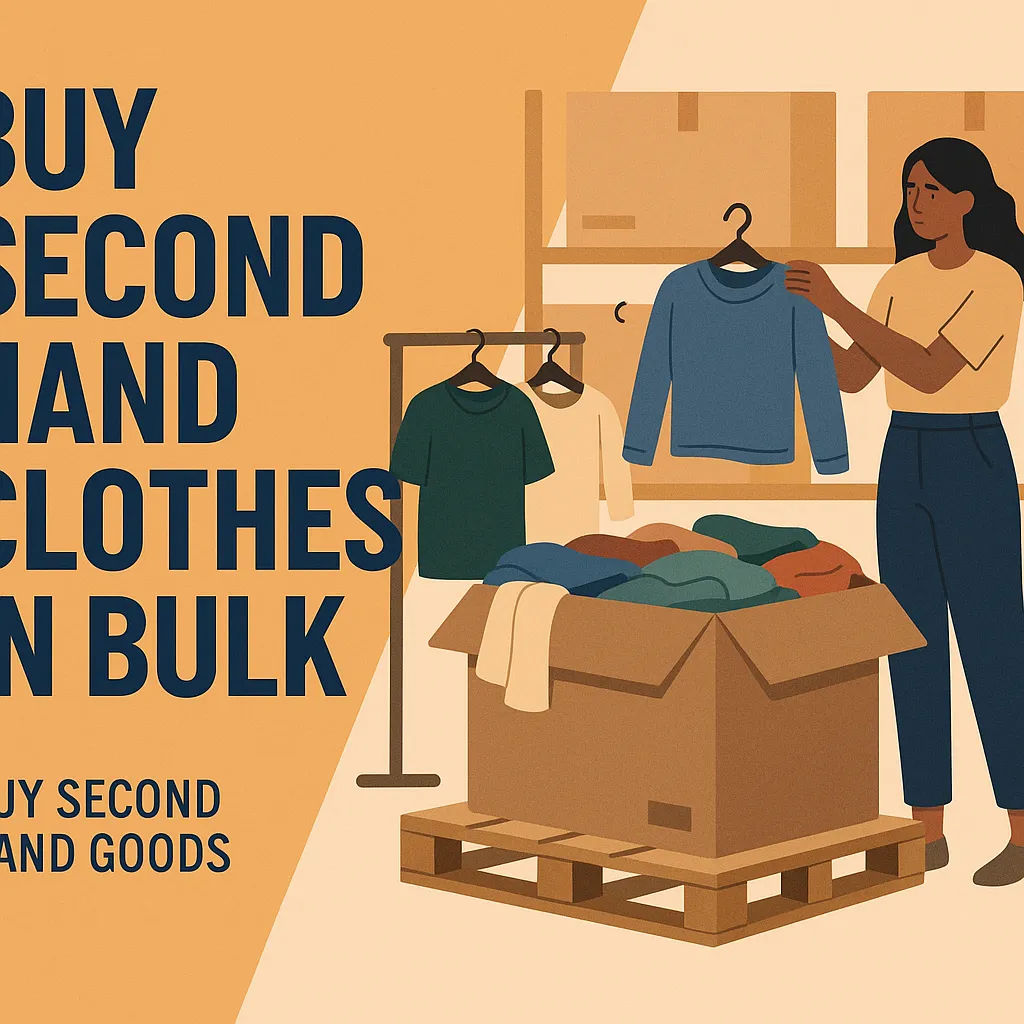
Are you looking to buy second hand clothes bulk for your retail venture? Sourcing second-hand clothing can be an excellent way to meet the growing demand for sustainable fashion while also providing your customers with unique and affordable options. The market for second-hand clothing is booming, and retailers are increasingly recognizing the value of integrating these products into their inventory. By purchasing bulk second hand clothes, businesses not only save money but also contribute to environmental conservation by reducing textile waste. In this article, we’ll explore the benefits, sourcing methods, and best practices for buying second hand clothes in bulk, ensuring that you can make informed decisions that align with your business goals.
The Benefits of Buying Second Hand Clothes in Bulk
One of the most compelling reasons to buy second hand clothes bulk is the cost-effectiveness of such purchases. Retailers can acquire a varied inventory at significantly lower prices compared to new clothing. This allows for healthier profit margins and enables businesses to offer competitive pricing to consumers. Additionally, the uniqueness of second-hand items often attracts a dedicated customer base that values individuality and sustainability. Furthermore, bulk buying simplifies the logistics of inventory management. Instead of frequently placing smaller orders, businesses can stock up on a diverse range of items all at once, streamlining operations and reducing overhead costs. This approach not only ensures that you have a steady supply of stock but also decreases the frequency of reorders, giving you more time to focus on other important aspects of your business.
Understanding the Market for Second Hand Clothing
The second-hand clothing market has witnessed exponential growth over the past decade, driven by a shift in consumer preferences towards sustainable and eco-friendly fashion choices. More consumers are becoming aware of the environmental impact of fast fashion and are actively seeking alternatives. This cultural shift has created a robust market for second-hand clothing, where retailers can thrive by offering pre-loved garments that resonate with environmentally conscious shoppers. Additionally, the rise of online platforms and social media has made it easier for consumers to discover and purchase second-hand items, expanding the reach of retailers who buy second hand clothes in bulk. Understanding this market dynamic is crucial for retailers as they develop their inventory strategies and marketing approaches.
Where to Source Bulk Second Hand Clothing
When it comes to sourcing bulk second hand clothing, retailers have several options to explore. Wholesale suppliers specializing in second-hand goods often provide a diverse range of clothing items at competitive prices. These suppliers typically curate their inventory, ensuring that retailers receive high-quality items suitable for resale. Additionally, charity organizations and thrift stores can be excellent sources for bulk purchases, as they often receive donations in large quantities and may sell them at discounted rates. Online marketplaces also present opportunities to purchase bulk second-hand clothing, allowing retailers to compare prices and quality across various vendors. By diversifying your sourcing strategies, you can ensure a steady flow of unique and desirable clothing for your store.
Best Practices for Selling Second Hand Clothing
Successfully selling second hand clothing requires a combination of effective marketing, inventory management, and customer engagement. First, ensure that your store's layout showcases the uniqueness of your second-hand items. Curating visually appealing displays can attract customers and enhance their shopping experience. Additionally, consider investing in online platforms to reach a broader audience. E-commerce can significantly expand your customer base, allowing you to sell second-hand clothing beyond your local market. Engaging with your customers through social media and online promotions can also foster a community around your brand. Lastly, maintaining transparency regarding the sourcing and quality of your second-hand clothing can build trust with your customers, encouraging repeat business and positive word-of-mouth referrals.
Common Misconceptions About Second Hand Clothing
Despite the growing popularity of second-hand clothing, several misconceptions persist that may deter retailers from exploring this market. One common myth is that second-hand clothing is of inferior quality compared to new garments. While it's true that some second-hand items may show signs of wear, many pieces are gently used or even new with tags. Retailers can mitigate this concern by carefully selecting their inventory, focusing on high-quality items that meet their customers' standards. Another misconception is that second-hand clothing is less desirable or trendy. In reality, many consumers actively seek unique vintage pieces that set them apart from mainstream fashion. By embracing the individuality of second-hand clothing, retailers can attract a niche market eager for distinctive styles. Understanding and addressing these misconceptions can empower retailers to confidently promote their second-hand offerings.
Environmental Impact of Second Hand Fashion
Buying second hand clothes bulk is not only a smart business decision but also an environmentally responsible choice. The fashion industry is notorious for its environmental footprint, contributing significantly to pollution and waste. By choosing to sell second-hand clothing, retailers play a crucial role in reducing the demand for new garments, thereby lessening the environmental impact associated with textile production. Each piece of second-hand clothing sold represents a step towards sustainability, encouraging consumers to embrace a circular fashion model. Furthermore, promoting the benefits of second-hand fashion can resonate well with eco-conscious shoppers, aligning your business with broader sustainability goals. Retailers can enhance their brand image by championing eco-friendly practices, appealing to a growing demographic that prioritizes sustainability in their purchasing decisions.
How to Price Second Hand Clothing
Pricing second hand clothing can be challenging, but it is essential for maximizing profitability while remaining attractive to consumers. A common approach is to assess the original retail price and adjust it based on the item's condition, brand, and demand. Additionally, researching competitor prices can provide valuable insights into setting your pricing strategy. Offering tiered pricing for different levels of quality or rarity can also help cater to varying customer preferences. Transparency in pricing is key; consider labeling items with clear pricing tags that explain the rationale behind the price, especially if the item has unique features or is a vintage find. By adopting a thoughtful pricing strategy, retailers can encourage sales while ensuring that their second-hand inventory remains appealing and accessible to customers.
Building a Loyal Customer Base for Second Hand Clothing
Creating a loyal customer base in the second-hand clothing sector hinges on providing exceptional service and fostering a sense of community. Engaging with customers through personalized experiences, such as styling consultations or exclusive shopping events, can enhance their connection to your brand. Implementing a loyalty program that rewards repeat purchases can incentivize customers to return for future shopping experiences. Additionally, encouraging customers to share their finds on social media can amplify your brand's visibility and create a sense of belonging among your clientele. Building an online community through newsletters, social media groups, or blogs focused on second-hand fashion can further solidify customer loyalty. By prioritizing customer engagement and creating memorable experiences, retailers can cultivate a devoted following that supports their business long-term.
Utilizing Social Media to Promote Second Hand Fashion
Social media platforms have revolutionized how retailers market second-hand clothing, offering a dynamic space to showcase products and connect with potential customers. Visual platforms like Instagram and Pinterest are particularly effective for displaying the uniqueness of second-hand items through curated posts and stories. Sharing behind-the-scenes content, customer testimonials, and styling tips can engage followers and build a community around your brand. Collaborating with influencers who align with your brand values can also extend your reach and attract new customers. Social media advertising allows for targeted campaigns that can effectively promote special offers or new arrivals. By harnessing the power of social media, retailers can enhance their visibility and create buzz around their second-hand offerings, driving traffic to both physical and online stores.
Future Trends in Second Hand Clothing
The future of second-hand clothing appears promising as consumer attitudes continue to evolve. Growing awareness of sustainability and environmental issues is leading more people to consider pre-owned fashion as a viable and desirable option. As technology advances, online platforms specializing in second-hand clothing are likely to expand, offering innovative solutions for buyers and sellers alike. Additionally, the rise of rental services and subscription models for second-hand clothing may reshape how consumers access fashion. Retailers should remain agile and responsive to these trends, adapting their inventory and marketing strategies to capture the interest of a socially conscious audience. Investing in sustainable practices and maintaining transparency about sourcing can position retailers favorably within this expanding market.
FAQ
How can I buy second hand clothes bulk effectively?
To buy second hand clothes bulk effectively, start by identifying reliable wholesale suppliers specializing in second-hand goods. Research various vendors, read reviews, and ask for samples to assess quality before making a purchase. Establish relationships with local thrift stores or charity organizations, as they may offer bulk sales at discounted rates. Online marketplaces can also provide an array of options for bulk buying. Ensure to evaluate the condition and style of the items to align with your target customer base. By diversifying your sources and maintaining quality control, you can effectively stock your inventory with appealing second-hand clothing.
What are the advantages of selling second hand clothing?
Selling second-hand clothing presents numerous advantages, including cost-effectiveness, sustainability, and unique inventory offerings. Retailers can purchase second-hand items at lower prices, allowing for higher profit margins. Additionally, the growing trend towards sustainable fashion means consumers are increasingly seeking eco-friendly options, making second-hand clothing appealing. Retailers can also curate distinctive collections that attract customers looking for unique and vintage styles. Engaging with this market not only supports environmental efforts but also positions retailers as leaders in promoting responsible shopping practices.
How do I market second-hand clothing to customers?
To effectively market second-hand clothing, leverage storytelling to highlight the uniqueness and history of each piece. Use social media to showcase visually appealing outfits, customer testimonials, and styling ideas. Collaborate with influencers to broaden your reach, and consider hosting events that celebrate second-hand fashion. Engaging content, such as blogs or videos, can educate customers about the benefits of choosing second-hand items. Highlighting sustainability and offering personalized shopping experiences can also resonate with eco-conscious consumers. By creating a strong brand narrative, you can effectively connect with your target audience.
What quality should I look for when buying second-hand clothes?
When purchasing second-hand clothes, prioritize quality to ensure customer satisfaction. Look for items that are gently used, with minimal wear and tear, and check for any signs of damage, such as stains, tears, or broken zippers. Brands known for their durability often provide better resale value. Additionally, consider the fabric type; natural fibers like cotton, wool, and linen usually last longer than synthetic materials. Assessing the overall condition and functionality is crucial, as high-quality items will appeal more to customers and align with your business's reputation for quality products.
Can I find trendy pieces in bulk second-hand clothing?
Yes, it is possible to find trendy pieces when buying second-hand clothing in bulk. Many wholesale suppliers curate their inventory to include fashionable items that resonate with current trends. Additionally, vintage clothing has become increasingly popular, with many consumers seeking unique pieces that stand out. Engaging with local thrift stores and participating in clothing swaps or auctions can also yield trendy finds. By staying updated on fashion trends and understanding your target audience's preferences, you can effectively source bulk second-hand clothing that meets the demand for stylish and trendy options.
What are the best platforms to sell second-hand clothing?
Several platforms are ideal for selling second-hand clothing, each catering to different audiences and business models. Websites like Poshmark, Depop, and ThredUp are popular for individuals and small businesses looking to reach a broad audience. E-commerce platforms such as Shopify allow for personalized online stores, enabling retailers to brand themselves and manage inventory effectively. Social media platforms like Instagram and Facebook Marketplace also provide opportunities for direct sales and community engagement. By utilizing multiple platforms, retailers can maximize their reach and connect with diverse customer bases.
Ready to Join the Sustainable Fashion Revolution?
Discover how our wholesale secondhand clothing can transform your business while supporting environmental sustainability.