Buying Second Hand Clothes in Bulk: A Smart Choice
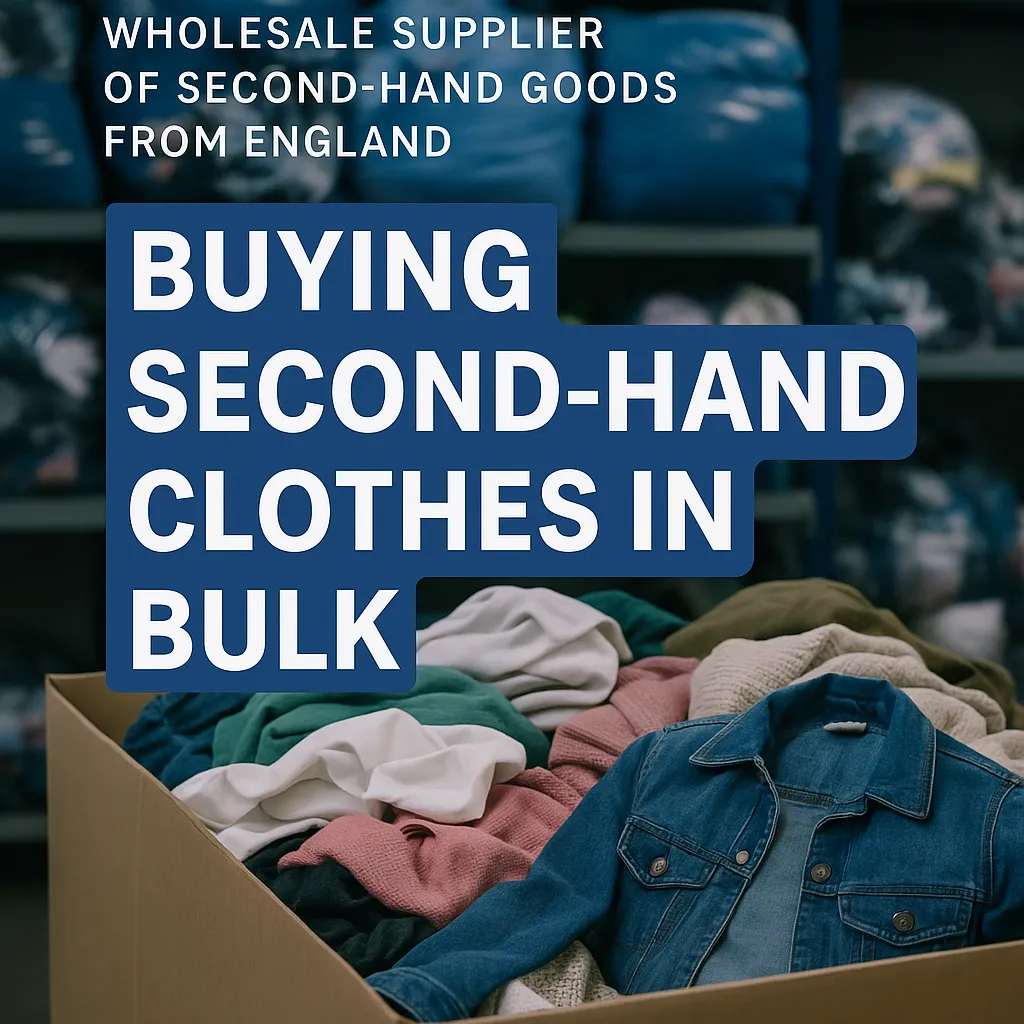
Buying second hand clothes in bulk has become an increasingly popular practice among retailers and individuals alike who are looking to embrace sustainability while also capitalizing on cost-effective purchasing strategies. In a world where fast fashion is often criticized for its environmental impact, purchasing pre-owned garments not only assists in reducing waste but also offers a unique opportunity to curate a diverse inventory that appeals to a wide range of customers. This practice enables businesses to provide quality items at lower price points, making it a win-win for both sellers and buyers. As the demand for sustainable fashion grows, understanding the intricacies of bulk purchasing becomes essential for anyone looking to thrive in this sector.
Understanding the Market for Second Hand Clothes
The market for second hand clothes is diverse and multifaceted, encompassing everything from vintage boutiques to online resale platforms. The increasing consumer awareness surrounding sustainability has driven a shift in shopping habits, leading many to explore second hand options as a viable alternative to new clothing. This change in mindset presents a wealth of opportunities for those interested in buying second hand clothes in bulk. Retailers can tap into this trend by sourcing high-quality, pre-owned garments that resonate with eco-conscious consumers. Furthermore, understanding market dynamics such as seasonal trends, popular styles, and demographic preferences is crucial for successful bulk purchasing. Retailers should keep an eye on emerging trends, as what is in fashion can change rapidly, and staying ahead of these shifts can significantly influence sales outcomes.
Benefits of Buying in Bulk
One of the most significant advantages of buying second hand clothes in bulk is the potential for substantial cost savings. By purchasing large quantities, retailers can negotiate better pricing, leading to increased profit margins when reselling the items. Additionally, bulk purchases often mean access to a wider variety of styles and sizes, allowing businesses to cater to a broader audience. This variety can enhance the shopping experience for customers, encouraging repeat visits. Moreover, buying in bulk reduces the frequency of ordering and shipping, which can streamline inventory management and minimize overhead costs. Retailers can also foster relationships with suppliers, ensuring a steady flow of high-quality stock that meets consumer demand.
Where to Source Second Hand Clothes in Bulk
Finding reliable sources for second hand clothes in bulk can be a challenge, but several avenues exist for retailers to explore. Thrift stores, liquidation sales, and charity shops often sell bulk items at reduced prices, making them excellent starting points for sourcing inventory. Online platforms such as liquidation websites and wholesale marketplaces can also provide access to large volumes of second hand clothing. Additionally, establishing connections with organizations that specialize in recycling textiles can lead to unique sourcing opportunities. Retailers should prioritize building strong relationships with suppliers to ensure consistent quality and availability of products. Networking within the industry can also yield valuable insights and recommendations for reputable suppliers.
Marketing Strategies for Second Hand Clothing
Effectively marketing second hand clothes requires a strategic approach that emphasizes the unique value proposition they offer. Highlighting the sustainable aspect of pre-owned clothing can resonate deeply with environmentally-conscious consumers, making it an essential part of any marketing campaign. Utilize social media platforms to showcase new arrivals, share styling tips, and promote the stories behind each piece. Engaging visuals and authentic storytelling can create a stronger emotional connection with potential buyers. Additionally, consider leveraging influencers in the sustainable fashion space to expand your reach and credibility. Creating a strong online presence through an e-commerce website can also facilitate sales, allowing consumers to browse and purchase items conveniently from home. Regular promotions, loyalty programs, and limited-time offers can further incentivize purchases and encourage customer loyalty.
Challenges and Solutions in Sourcing Bulk Clothing
While the benefits of buying second hand clothes in bulk are clear, several challenges can arise during the sourcing process. One common issue is the inconsistency in quality, as pre-owned items may vary significantly in condition. To mitigate this risk, retailers should establish stringent quality control measures and carefully inspect items before purchasing. Another challenge is the unpredictability of supply; the availability of certain styles or sizes can change rapidly. To address this, retailers can maintain flexible inventory systems that allow for quick adjustments based on current stock levels. Additionally, building strong relationships with multiple suppliers can create a more stable sourcing network, reducing reliance on any single source. By proactively addressing these challenges, retailers can successfully navigate the complexities of bulk sourcing in the second hand clothing market.
Building a Sustainable Brand
As more consumers gravitate toward sustainable practices, building a brand around the ethos of sustainability can offer a significant competitive advantage. Retailers should emphasize their commitment to environmentally-friendly practices, such as sourcing second hand clothes in bulk, which contributes to reducing waste and promoting a circular economy. Transparency in operations and supply chain practices can further enhance brand credibility. Additionally, engaging with customers through educational content about the benefits of second hand shopping can foster a community of loyal supporters. Consider implementing eco-friendly packaging and shipping methods to align with the brand's sustainable values. By cultivating a strong identity around sustainability, retailers can differentiate themselves in a crowded market and attract a dedicated customer base that prioritizes ethical consumption.
Conclusion: The Future of Second Hand Clothing
The future of second hand clothing is promising, driven by an increasing consumer demand for sustainable and ethical fashion choices. Buying second hand clothes in bulk not only supports this shift but also offers businesses a sustainable model for profitability. As the market continues to evolve, retailers who remain adaptable and responsive to consumer preferences will likely thrive. By focusing on quality sourcing, effective marketing, and building a sustainable brand identity, businesses can carve out a niche in the growing second hand market. As we move toward a more conscious consumer culture, embracing the practice of buying second hand clothes in bulk will undoubtedly play a pivotal role in shaping the future of fashion.
FAQ
What are the benefits of buying second hand clothes in bulk?
Buying second hand clothes in bulk offers numerous benefits, including significant cost savings, increased variety, and improved inventory management. Retailers can negotiate better prices when purchasing larger quantities, resulting in higher profit margins. Additionally, bulk purchases allow businesses to stock a diverse range of styles and sizes, catering to a wider audience. This approach also streamlines the ordering process and reduces shipping frequency, minimizing overhead costs.
How can I ensure the quality of second hand clothes when buying in bulk?
Ensuring the quality of second hand clothes when buying in bulk involves establishing strict quality control measures. Retailers should inspect items thoroughly before purchase and develop relationships with trusted suppliers who prioritize quality. Implementing a return policy can also help mitigate risks associated with receiving subpar items. By carefully curating inventory, retailers can maintain a high standard that appeals to customers.
Where can I find reliable sources for bulk second hand clothing?
Reliable sources for bulk second hand clothing can be found in thrift stores, liquidation sales, wholesale marketplaces, and online auction sites. Establishing connections with organizations that recycle textiles can also lead to unique sourcing opportunities. Networking with other retailers and industry professionals can provide valuable insights into reputable suppliers, enhancing your sourcing strategy.
What marketing strategies work best for selling second hand clothes?
Effective marketing strategies for selling second hand clothes include emphasizing sustainability, utilizing social media platforms, and creating engaging content. Highlighting the eco-friendly aspects of your products can attract environmentally-conscious consumers. Collaborating with influencers and showcasing unique pieces through visually appealing posts can enhance brand visibility and attract potential buyers.
How do I build a sustainable brand in the second hand clothing market?
Building a sustainable brand in the second hand clothing market involves emphasizing commitment to eco-friendly practices, transparency, and community engagement. Retailers should focus on sourcing quality second hand clothes, implementing sustainable packaging, and educating consumers about the benefits of second hand shopping. By cultivating a strong identity around sustainability, businesses can differentiate themselves and attract a loyal customer base.
What challenges can I expect when sourcing bulk second hand clothing?
Challenges when sourcing bulk second hand clothing include inconsistency in quality and unpredictability of supply. To address these issues, retailers should implement quality control measures and maintain flexible inventory systems. Building relationships with multiple suppliers can also create a more stable sourcing network, reducing reliance on any single source and enhancing overall inventory management.
Ready to Join the Sustainable Fashion Revolution?
Discover how our wholesale secondhand clothing can transform your business while supporting environmental sustainability.