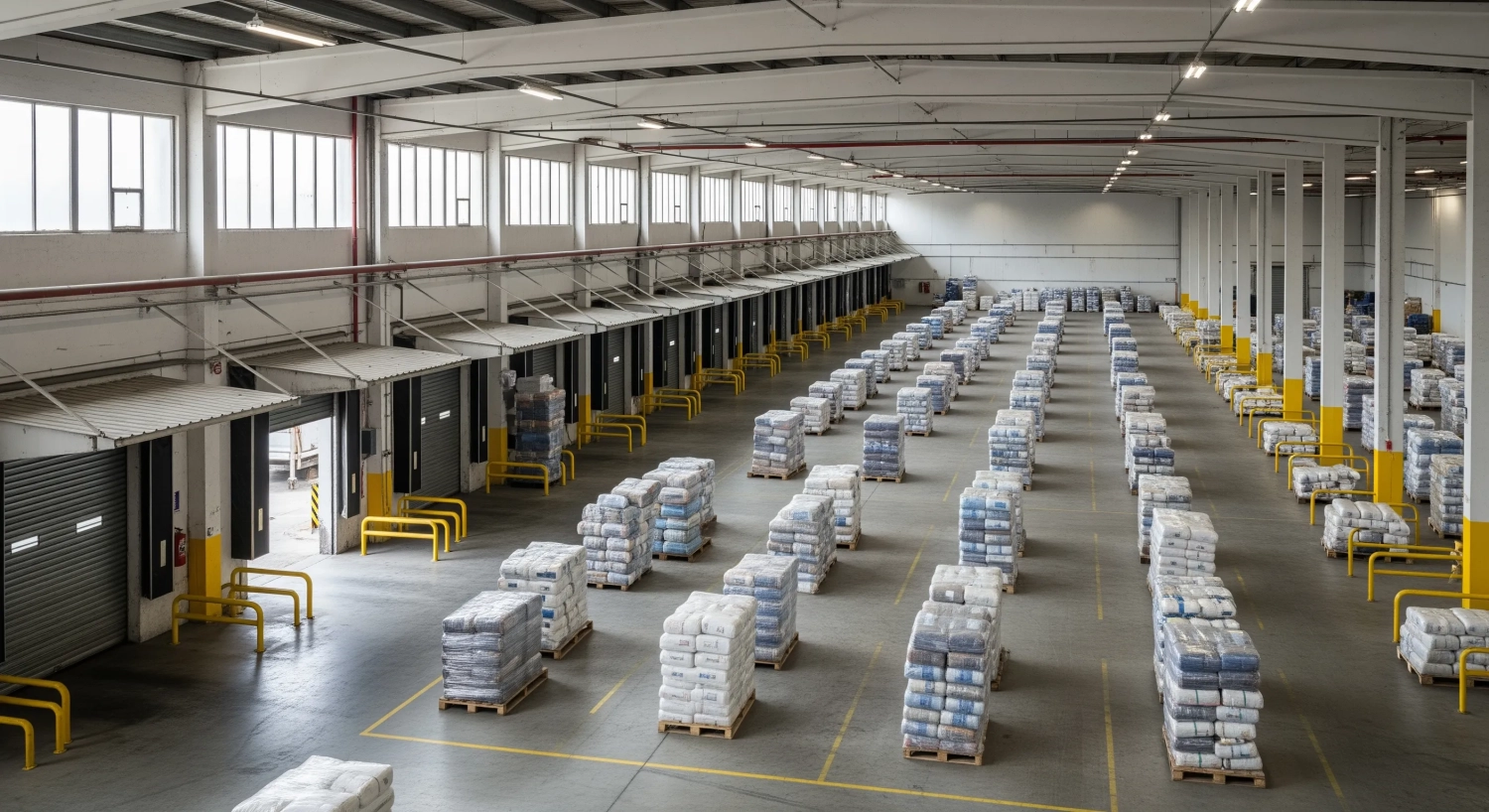
In the competitive landscape of B2B wholesale, sourcing A&E used clothing offers several benefits for UK trade buyers seeking high-quality second-hand apparel. This category provides an opportunity for resellers and exporters to tap into sustainable fashion while maintaining consistent supply chains. Original Secondhand stands as a reliable partner, offering well-graded A&E clothing bales and efficient logistics, essential for those looking to enhance their product offerings in an eco-conscious market.
Table of Contents
- Understanding A&E Used Clothing Wholesale
- Benefits of Sourcing Bulk Used Clothing
- Grading Standards and Quality Assurance
- Best Practices for Warehouse Logistics
- Managing Risk in Wholesale Sourcing
- Exporting Used Clothing from the UK
Key Takeaways
| Focus Area | Insights |
|---|---|
| Volume of Purchase | Consider minimum order quantities to leverage better pricing structures. |
| Grading Signals | Understand UK clothing grading systems for better product selection. |
| Logistics Readiness | Ensure logistics are pre-planned for efficient order fulfillment. |
| Risk Control | Implement regular audits to manage inventory risks effectively. |
Understanding A&E Used Clothing Wholesale
The A&E used clothing wholesale sector presents a unique opportunity for B2B buyers to procure premium second-hand apparel. As consumers become increasingly involved in sustainable fashion, sourcing A&E clothing allows businesses to align with these ethical trends. Buyers often seek partners who can guarantee quality and consistency, making this a vital consideration when entering the A&E market.
Trade buyers should be aware of the various types of A&E clothing bales available, which are sorted based on their condition and style. This categorization impacts resale value and marketability, emphasizing the need for buyers to understand their clientele's preferences to accurately meet demand.
Benefits of Sourcing Bulk Used Clothing
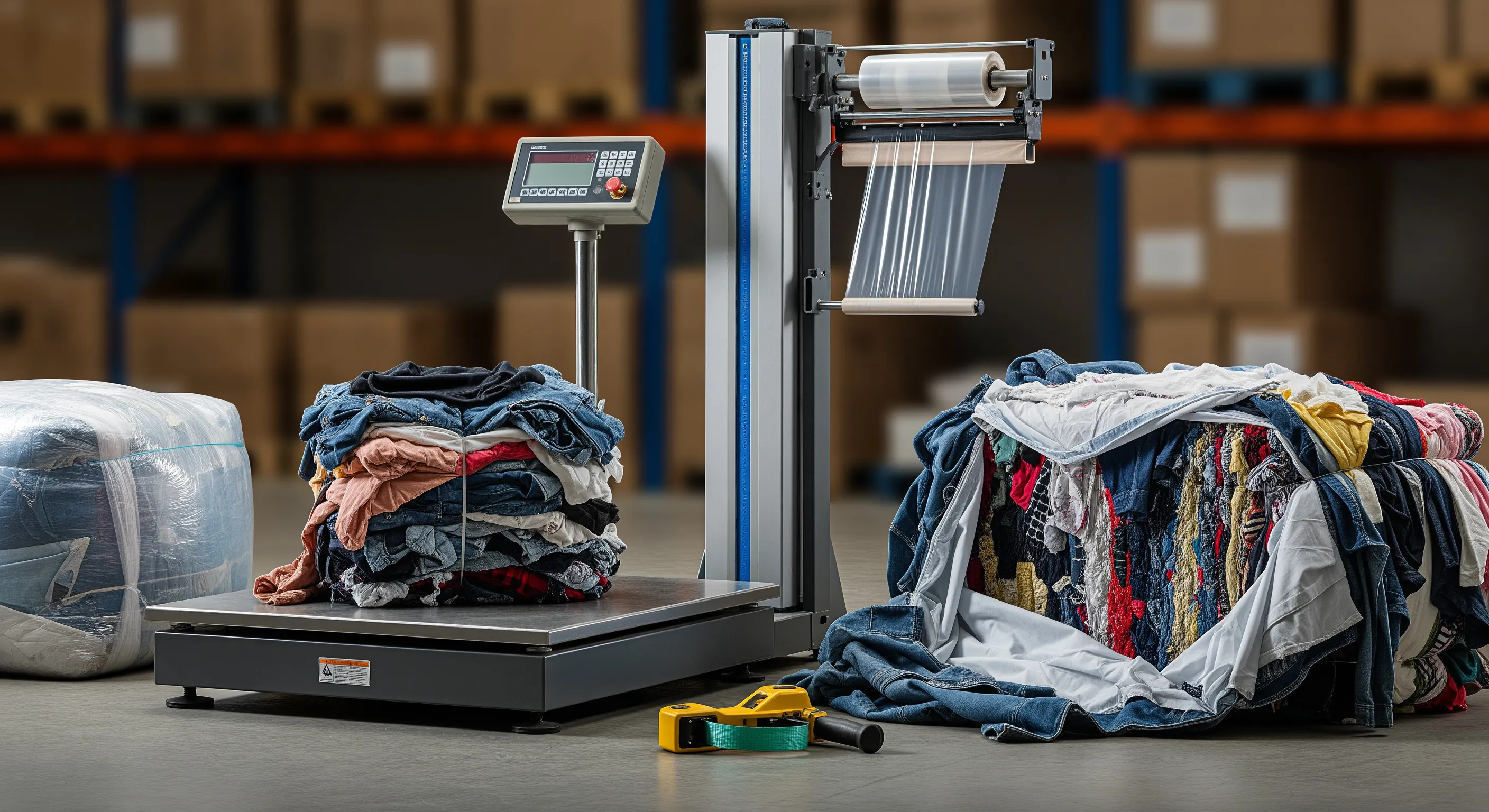
Sourcing A&E used clothing in bulk offers numerous benefits for trade buyers. Cost savings is one of the primary advantages, as purchasing in larger quantities often leads to lower unit prices. Furthermore, establishing strong relationships with suppliers can improve access to exclusive deals and the opportunity for negotiating terms.
Additionally, bulk buying ensures a consistent product supply, which is crucial for maintaining customer satisfaction in various retail environments. For buyers, the logistics of handling larger shipments become vital, as does the need for effective space management within warehouses.
Grading Standards and Quality Assurance
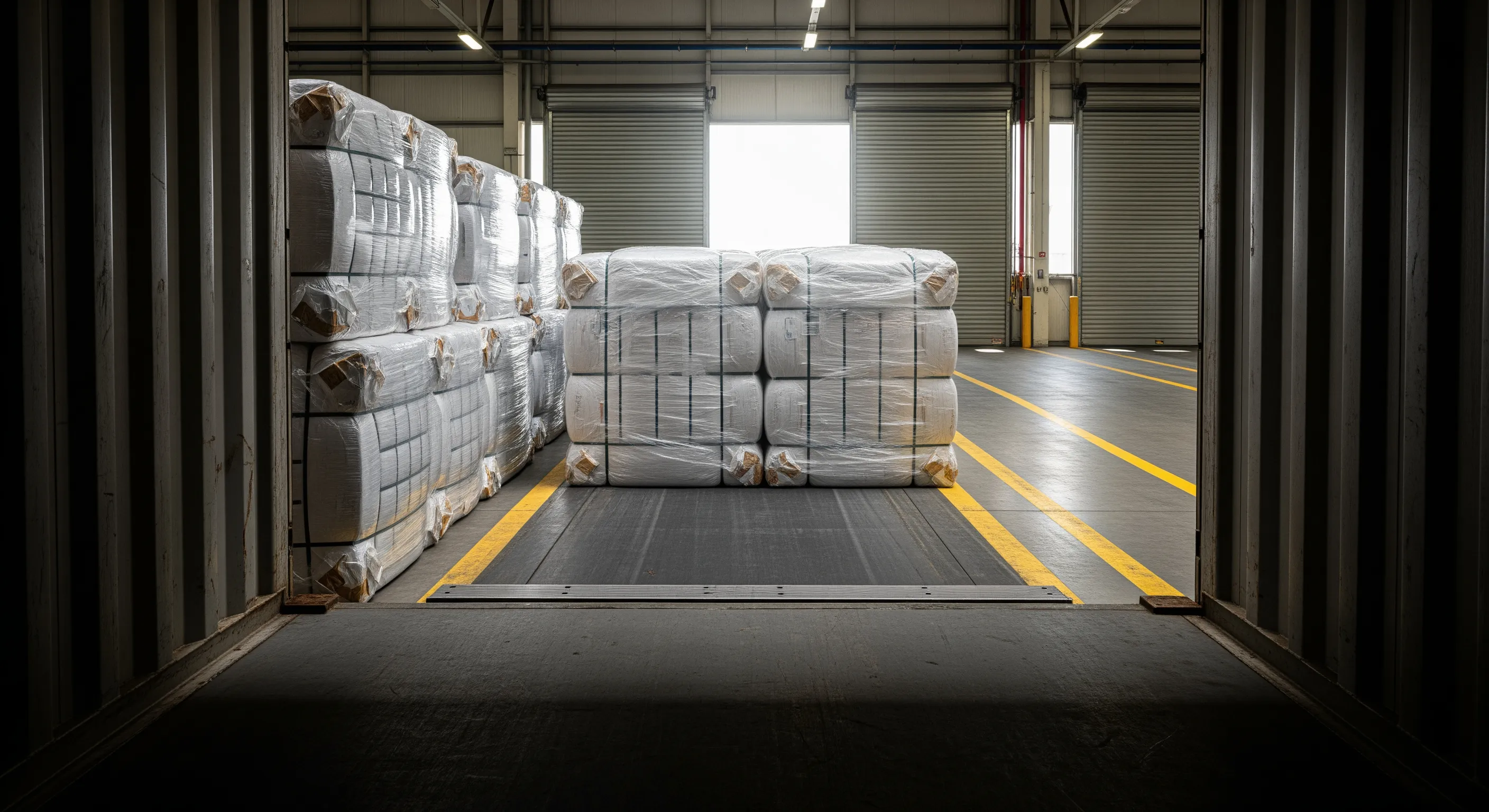
Understanding UK clothing grading is essential for trade buyers within the A&E wholesale market. Effective grading ensures quality assurance, essential for end-consumers looking for reliable products. Suppliers often provide detailed grading documentation, which helps buyers evaluate the potential resale value of the clothing.
A comprehensive understanding of grading systems also aids buyers in making informed purchasing decisions. It can reduce returns and increase sales, providing an overall enhancement to business operations. Knowing how to interpret grades can also assist in negotiations with suppliers.
Pro tip: Familiarize yourself with the specific grading labels used by reputable suppliers to avoid complications in quality assessment.
Best Practices for Warehouse Logistics
Efficient warehouse management is vital in the wholesale used clothing sector. Quality control measures should be in place to ensure that bales received match the order specifications. Using technology to track inventory can significantly enhance operational effectiveness.
Logistics can also influence the overall cost of goods sold (COGS). By implementing streamlined processes, businesses can reduce handling times and improve delivery accuracy, which in turn enhances buyer-supplier relationships.
Pro tip: Regularly review logistics workflows and adjust based on seasonal demands to optimize storage space and reduce overheads.
Managing Risk in Wholesale Sourcing
In the dynamic world of wholesale sourcing, risk management plays a critical role. Buyers should perform due diligence on suppliers to mitigate risks associated with quality variances. Establishing clear expectations and agreements can further protect against inventory discrepancies.
Additionally, buyers may consider diversifying their sources. This strategy can help minimize risks tied to over-reliance on a single supplier, allowing greater flexibility in responding to market changes and requirements.
| Practical Risk | Cause | Mitigation Strategy |
|---|---|---|
| Quality Variances | Inconsistent supplier grading standards | Regular audits and supplier assessments |
| Inventory Shortages | Unpredictable demand fluctuations | Diverse supplier network |
| Logistical Delays | Shipping bottlenecks | Alternate logistics partners |
| Compliance Issues | Regulatory changes | Continuous legal monitoring |
Exporting Used Clothing from the UK
The process of exporting used clothing from the UK involves several regulatory considerations, including adherence to international shipping standards. Trade buyers must familiarize themselves with necessary documentation, such as customs forms and invoices to ensure smooth transactions.
Additionally, businesses need to account for packaging requirements and potential tariffs. Understanding the logistics of shipping containers and how to properly load bales can prevent damages during transit and reduce final costs.
Pro tip: Build strong relationships with logistics providers to enhance shipping efficiency and minimize delays.
Unlock Cost Savings and Inventory Variety with Trusted UK Bulk Clothing Sourcing

For trade buyers who need consistent bulk supply and clear grading expectations, explore Original Secondhand at originalsecondhand.com. If you’d like a quick recommendation on the best fit for your business model, volumes, and export requirements, contact the team here: Contact Us.
Frequently Asked Questions
What is A&E Used Clothing?
A&E used clothing refers to apparel that has been sorted and graded according to its condition, ready for wholesale sourcing.
How do I ensure quality when sourcing bulk used clothing?
Ensure you work with established suppliers who provide clear grading documentation and regular quality checks.
What are the benefits of sourcing second-hand clothing?
Sourcing second-hand clothing aligns with sustainable practices and offers cost savings through bulk purchases.
Can I export used clothing from the UK?
Yes, used clothing can be exported, but it is essential to adhere to shipping regulations and customs requirements.