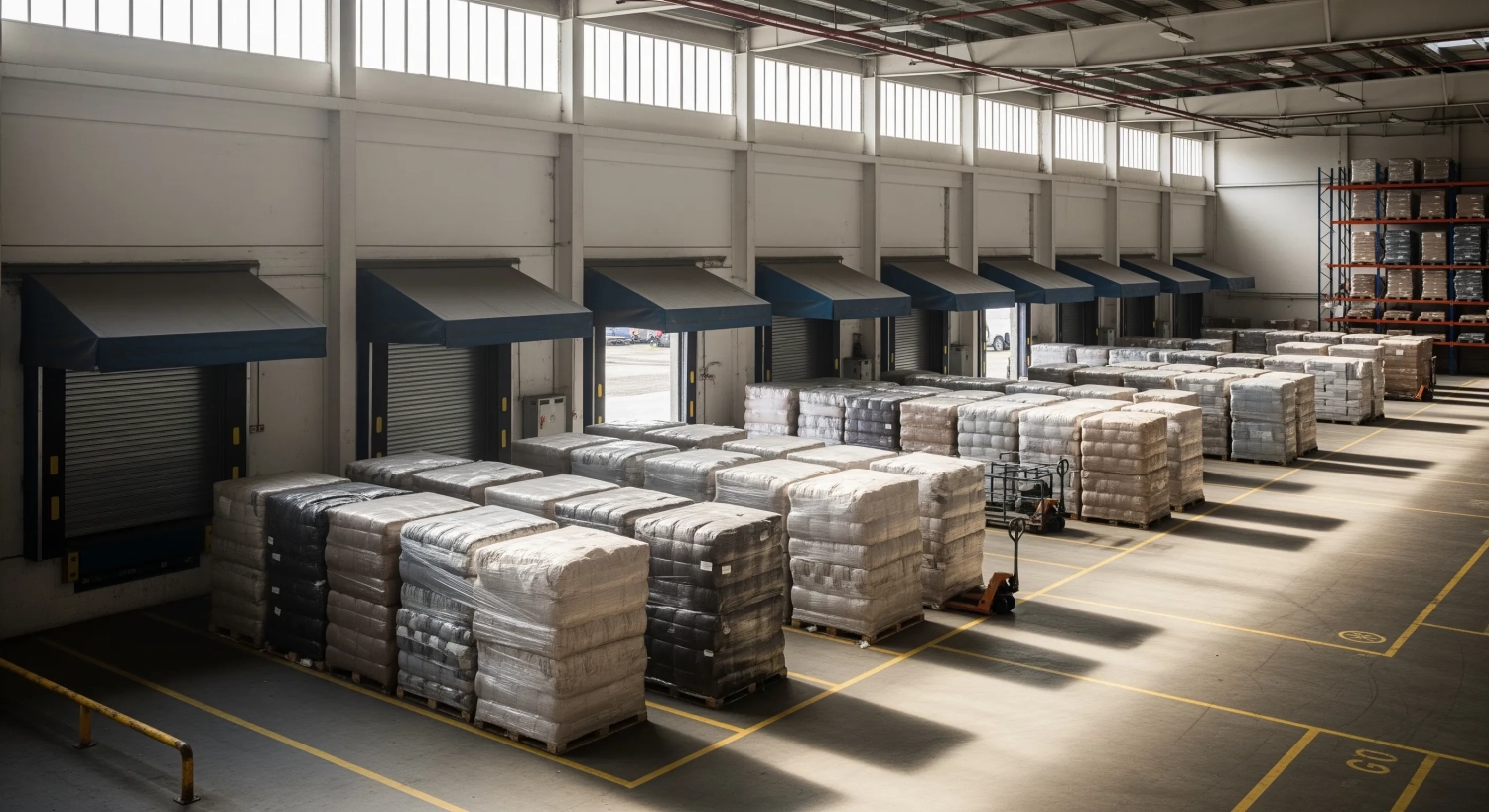
For B2B buyers looking to source high-quality second-hand branded clothes wholesale, Original Secondhand offers unparalleled options. Our extensive inventory is housed in a UK-based warehouse, making it perfectly positioned for trade buyers seeking consistent supply and reliable grading of second-hand garments. By partnering with us, businesses can ensure a steady flow of inventory that meets their specific needs, from quality apparel to export-ready clothing bales.
Table of Contents
- Understanding Bulk Sourcing
- Navigating Graded Apparel
- Preparing for Export
- Quality Control in Wholesale
- Mitigating Sourcing Risks
- Sustainable Sourcing Strategies
Key Takeaways
| Focus Area | Considerations |
|---|---|
| Volume Requirements | Define minimum order quantities to streamline sourcing. |
| Grading Signals | Understand grading systems to ensure quality expectations. |
| Logistics Readiness | Evaluate transport options to facilitate smooth delivery. |
| Risk Control | Implement checks to mitigate sourcing and shipping risks. |
Understanding Bulk Sourcing
B2B buyers must understand the intrinsic benefits of sourcing second-hand branded clothes in bulk. This process not only offers significant cost savings but also allows for a diverse product range that meets the varying needs of your customer base. The UK wholesale market is known for its vast selection, allowing businesses to offer unique and premium items at competitive prices.
Furthermore, importing second-hand clothes can be a sustainable choice, reducing environmental impact while meeting consumer demand for eco-friendly products. Businesses that align with sustainability values often find a more loyal customer base, which is increasingly important in today's market.
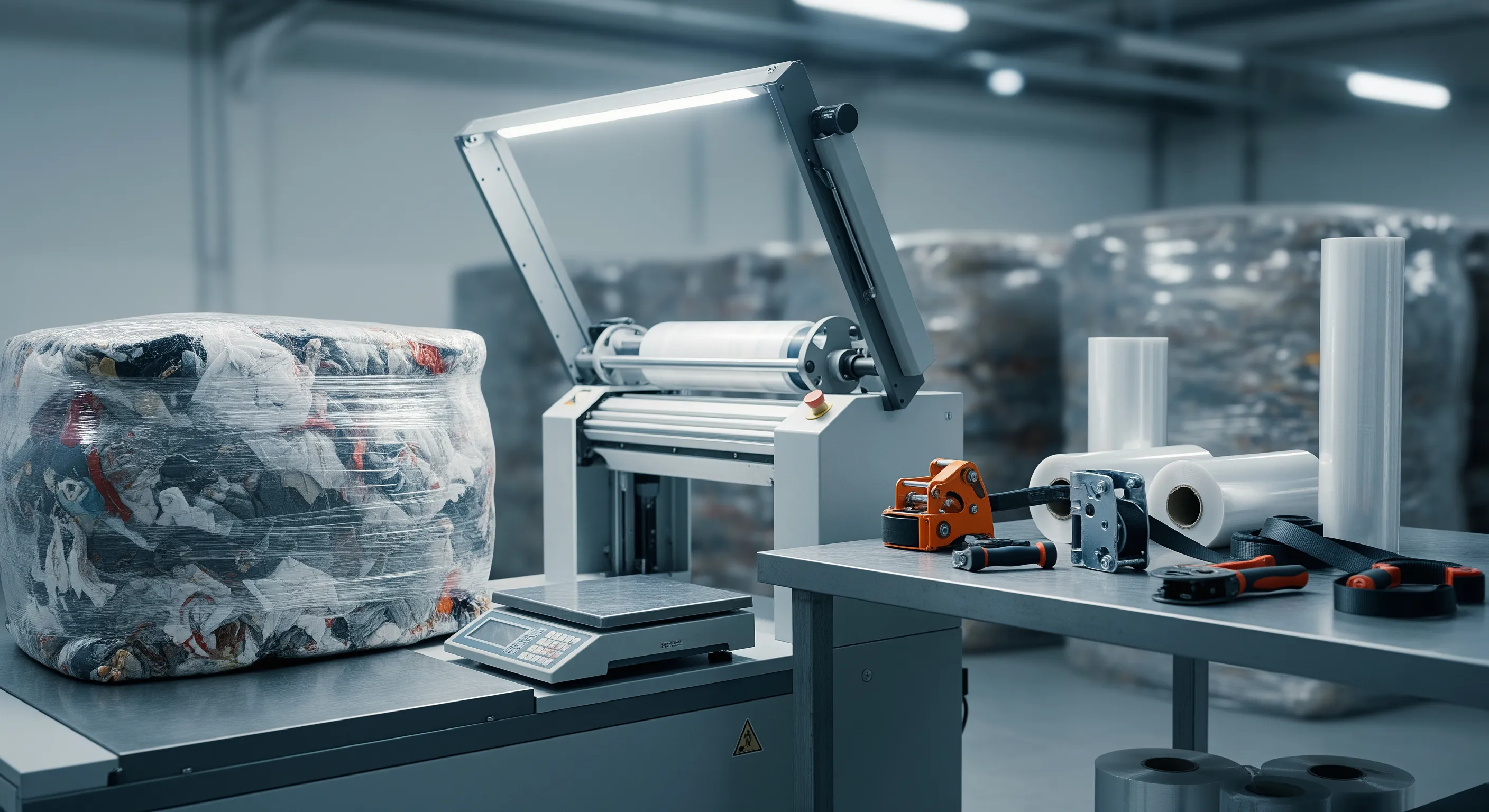
Pro tip: Establish relationships with reliable suppliers to ensure consistency and dependability in your sourcing strategy.
Navigating Graded Apparel
Understanding the grading of second-hand clothing is crucial for businesses that prioritize quality. Graded apparel typically undergoes a detailed inspection process where garments are classified based on their condition—ranging from pristine to lightly worn. Knowing the grading classifications helps buyers set accurate expectations for their customers.
Grading defines not only the potential resale value of items but also informs logistical decisions, including packaging and shipping methods. A clear insight into grading facilitates better inventory management and minimizes the risk of unsold stock.
Pro tip: Always request detailed grading reports from suppliers for optimal inventory management.
Preparing for Export
When sourcing second-hand branded clothes for international markets, preparation is key. Comprehensive documentation such as export permits and customs declarations are essential for smooth transit. Understanding international shipping regulations can prevent unexpected delays and ensure compliance with legal requirements.
Accuracy in the packing and documentation processes helps businesses manage their shipment and avoid costly penalties. By working closely with logistics partners experienced in international trade, businesses can streamline their export operations.

Pro tip: Invest time in learning about customs procedures for each target market to avoid delays.
Quality Control in Wholesale
Quality control is paramount in the wholesale second-hand clothing industry. Businesses must implement thorough inspection processes to ensure that every bale of clothing meets quality standards before it hits the market. This includes evaluating fabric integrity, checking for damages, and confirming grading accuracy.
By establishing a robust quality assurance system, companies can minimize returns and build customer trust. Employing technology to track quality metrics can elevate the inspection process and maintain high standards.
Pro tip: Conduct regular audits of your quality control procedures to adapt to evolving market demands.
Mitigating Sourcing Risks
| Practical Risk | Cause | Mitigation |
|---|---|---|
| Inconsistent Quality | Variability in supplier grading | Establish supplier guidelines and audits |
| Shipping Delays | Supply chain disruptions | Maintain a buffer stock to manage delays |
| Regulatory Non-compliance | Changing regulations | Stay informed of legal updates and requirements |
| Market Uncertainty | Fluctuating demand | Implement flexible pricing strategies |
Pro tip: Always evaluate supplier reliability to avoid sourcing pitfalls.
Sustainable Sourcing Strategies
Incorporating sustainable practices into sourcing second-hand branded clothes can significantly enhance your business's reputation. Emphasizing eco-friendly packaging and transparent supply chains fosters trust among consumers, who increasingly prefer environmentally responsible brands. Consider implementing recycling programs or donations as part of your sourcing strategy.
Additionally, connecting with suppliers that prioritize sustainability can expand business networks and open up new sales channels. Being a part of the circular economy not only addresses consumer preferences but also helps in mitigating waste and environmental impact.
Pro tip: Promote your sustainable initiatives actively to engage eco-conscious customers.
Unlock Cost Savings and Inventory Variety with Trusted UK Bulk Clothing Sourcing

For trade buyers who need consistent bulk supply and clear grading expectations, explore Original Secondhand at originalsecondhand.com. If you’d like a quick recommendation on the best fit for your business model, volumes, and export requirements, contact the team here: Contact Us.
Frequently Asked Questions
What types of clothing can I source wholesale?
You can source a wide variety of second-hand branded clothes, including menswear, womenswear, and children's clothing.
How do I know the quality of the clothing?
Quality is determined through a grading system where items are inspected and classified based on their condition.
What are the logistical considerations for export?
Logistical considerations include necessary export documents, shipping methods, and customs compliance.
Can I see samples before making a bulk purchase?
Yes, requesting samples is a standard practice to ensure the quality meets your expectations.