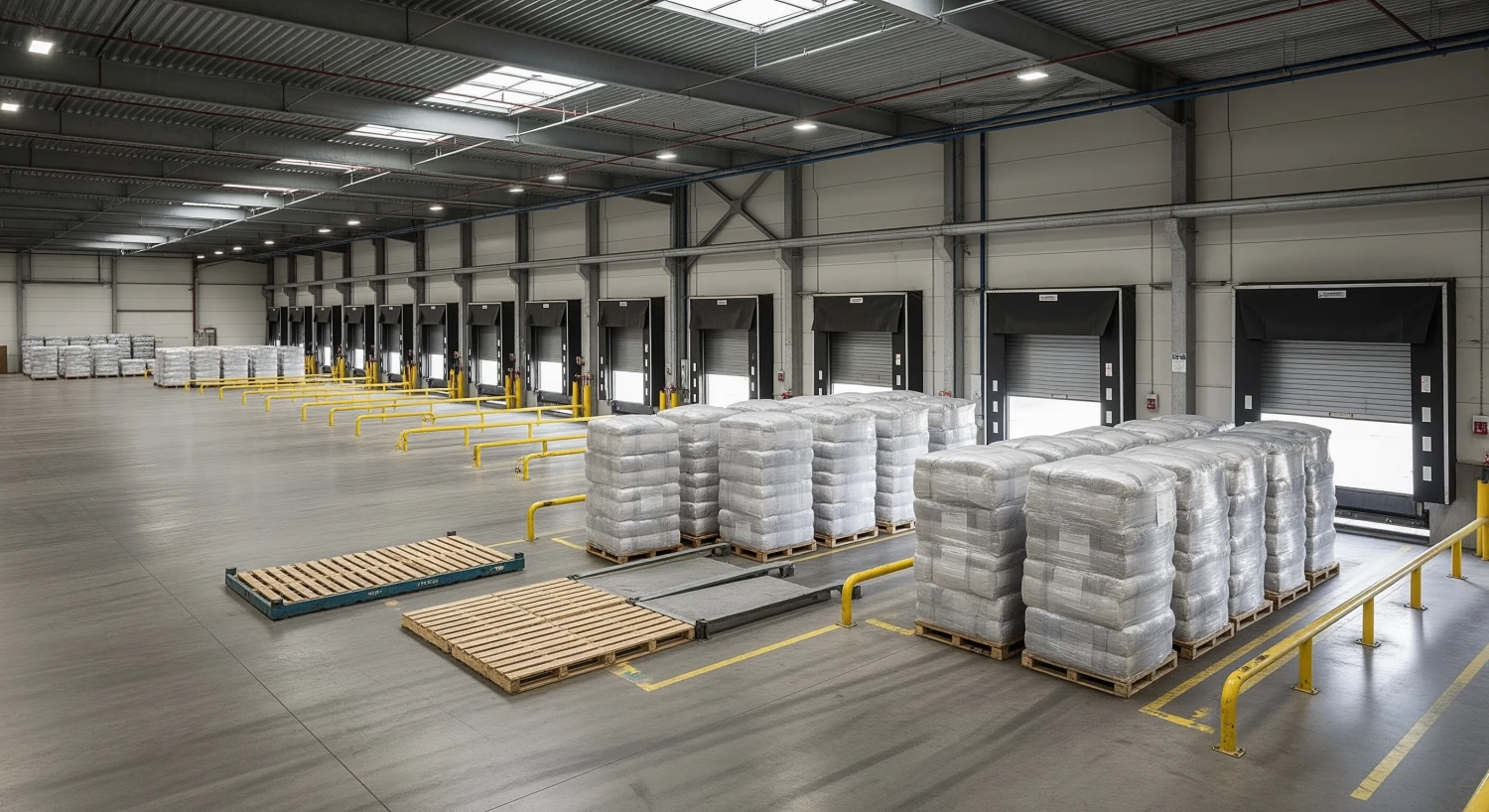
For trade buyers looking to expand their inventory, purchasing second hand clothes in bulk can be a strategic move. The process of sourcing wholesale clothing varies significantly compared to retail acquisitions. By understanding the unique grading systems, logistics, and supplier relationships within the B2B sector, you can ensure a steady flow of quality stock. This article will guide you through the essential steps and considerations for successfully buying second hand clothes in bulk within the UK market.
Table of Contents
- Understanding Wholesale Sourcing
- Finding Reliable Suppliers
- Grading Systems and Criteria
- Logistics and Warehouse Operations
- Navigating Risks in Bulk Purchasing
- Establishing Long-term Relationships
Key Takeaways
| Key Focus | Considerations |
|---|---|
| Volume | Wholesale suppliers often require minimum order quantities (MOQs) to maintain cost-efficiency. |
| Grading | Understand grading signals that indicate quality levels, which affects resale pricing. |
| Logistics | Ensure that logistics processes are streamlined, including shipping and handling costs to mitigate unexpected fees. |
| Risk Control | Implement claims control procedures for defective items to maintain profitability. |
Understanding Wholesale Sourcing
Wholesale sourcing involves acquiring large quantities of goods from suppliers, which in the case of clothing is typically sourced directly from manufacturers or distributors. Identifying reliable wholesale clothing suppliers is crucial for ensuring quality and consistency. It’s beneficial to educate yourself about the market types, particularly focusing on B2B secondhand clothing, which provides a sustainable avenue for clothing procurement. By exploring niche markets, you can cater to specific customer demands while enhancing your product offerings.
Networking with industry colleagues and attending trade shows can provide valuable insights into the best sourcing practices. Leverage online platforms that specialize in B2B transactions to find reputable suppliers and gain access to community reviews.
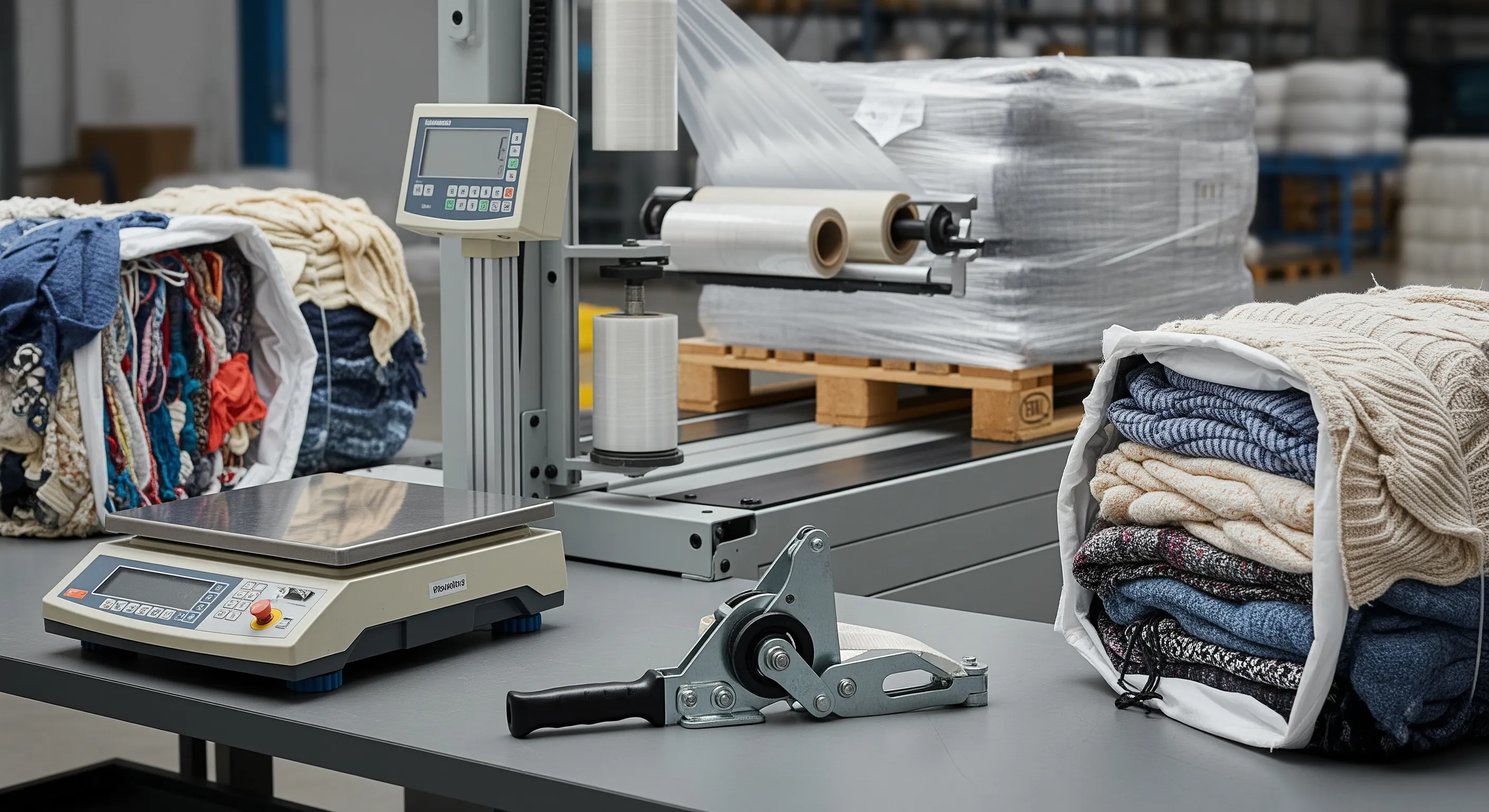
Pro tip: Consider joining trade associations that focus on wholesale clothing to expand your sourcing network.
Finding Reliable Suppliers
Identifying trustworthy suppliers is essential for a successful bulk purchasing strategy. Ensure the suppliers have a track record in the B2B wholesale model, as their reliability can significantly influence your business operations. Your supplier should be familiar with the specific requirements of secondhand clothing, including grading and shipping protocols.
Screen potential suppliers by evaluating their certifications and asking for references from existing clients. This will help you gauge their industry reputation and ensure they can meet your quality and reliability expectations.
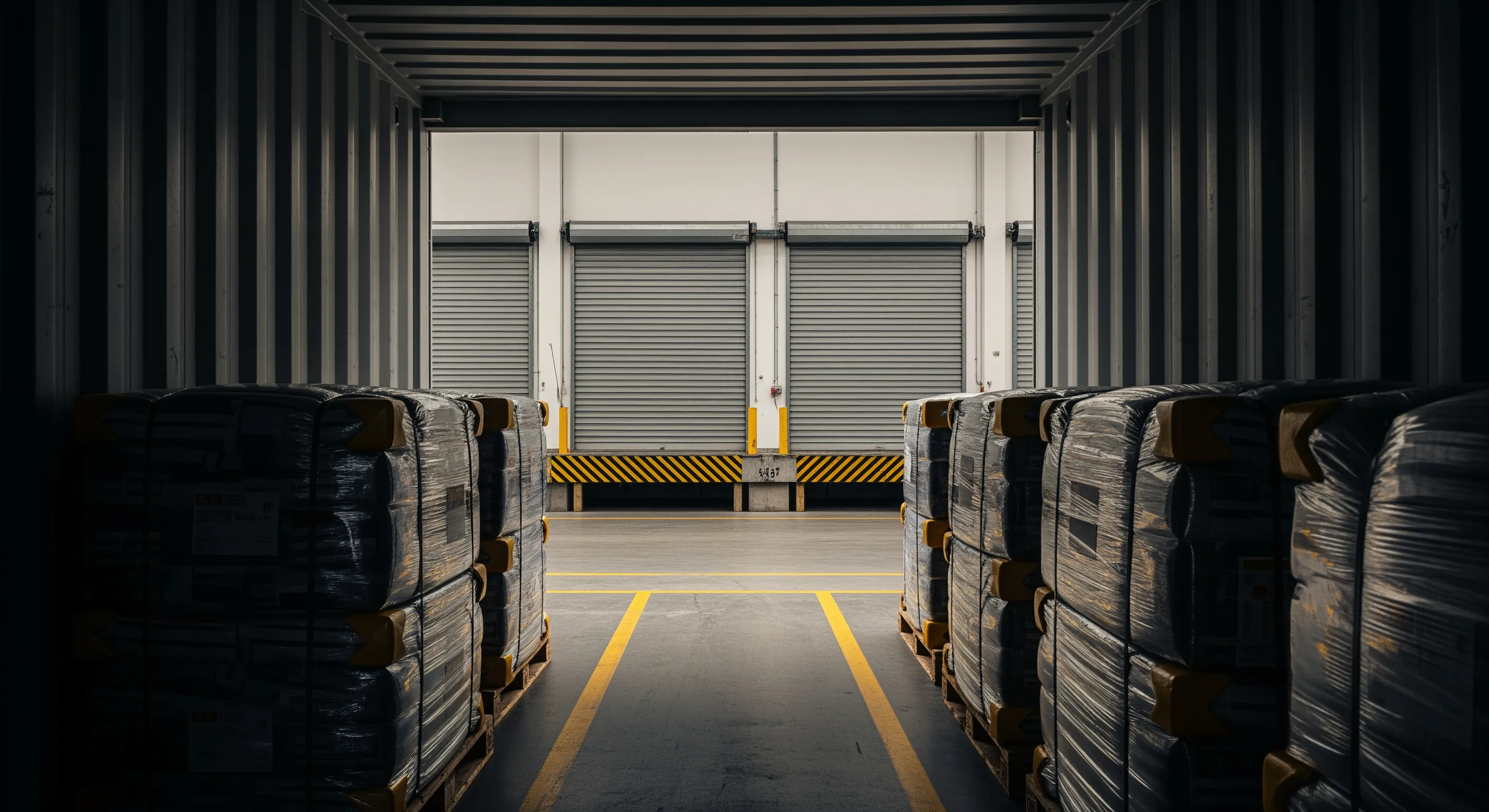
Pro tip: Compare multiple quotes from different suppliers to ensure competitive pricing and terms.
Grading Systems and Criteria
Understanding grading systems is essential when buying secondhand clothing in bulk. Typically, garments are categorized into grades based on their condition—ranging from brand new to heavily worn items. This classification affects pricing, inventory management, and customer satisfaction.
Establish clear grading expectations by requesting detailed product descriptions and photographs from suppliers. Having a transparent grading system helps mitigate potential disputes and ensures that your orders align with customer demands.
Pro tip: Develop your own grading rubric based on your business model to standardize evaluations.
Logistics and Warehouse Operations
Logistics is a critical component in the operational framework of bulk clothing purchase. An efficient system ensures timely delivery and minimizes overhead costs. Consider partnering with logistics providers who specialize in clothing transportation to streamline the shipping process.
Implement effective warehouse operations to manage product flow, including storage optimization and inventory tracking systems. Properly organized warehouse spaces can lead to faster picking and packing times, enhancing your overall operational efficiency.
Pro tip: Regularly review logistics performance metrics to identify areas for improvement.
Navigating Risks in Bulk Purchasing
Bulk purchasing can expose your business to various risks, including unsold inventory and quality discrepancies. One strategy to mitigate risks is to maintain an accurate inventory turnover rate and manage your supplier relationships closely.
Incorporate risk assessment processes for evaluating incoming goods and establish clear action plans for handling discrepancies or defective products. This not only protects your investment but also maintains customer trust.
| Risk | Cause | Mitigation |
|---|---|---|
| Unsold Inventory | Excessive purchasing without assessment | Implement accurate sales forecasting |
| Quality Issues | Inconsistent grading standards | Establish clear supplier grading criteria |
| Shipping Delays | Poor logistics planning | Utilize experienced logistics partners |
| Financial Loss | High returns from defects | Implement returns management strategies |
Pro tip: Continuously monitor market trends to refine purchasing strategies and minimize risks.
Establishing Long-term Relationships
Building long-term relationships with suppliers can provide consistent access to quality secondhand clothing. Foster partnerships based on trust, transparency, and mutual benefit. Regular communication with your suppliers can help in negotiating better terms and enhancing collaboration.
Consider conducting periodic reviews of supplier performance to ensure they meet your business needs and maintain a high standard of quality. This proactive approach helps in reinforcing partnerships and navigating challenges effectively.
Pro tip: Network with other trade buyers to share insights and experiences regarding supplier reliability.
Unlock Cost Savings and Inventory Variety with Trusted UK Bulk Clothing Sourcing

For trade buyers who need consistent bulk supply and clear grading expectations, explore Original Secondhand at originalsecondhand.com. If you’d like a quick recommendation on the best fit for your business model, volumes, and export requirements, contact the team here: Contact Us.
Frequently Asked Questions
What are the benefits of buying secondhand clothing in bulk?
Buying secondhand clothing in bulk allows businesses to reduce costs, access unique inventory, and support sustainable fashion initiatives.
How do I assess the quality of used clothing?
Assess quality primarily through grading systems that provide insights into the condition of the garments.
What risks should I consider when purchasing used clothing in bulk?
Key risks include unsold inventory, quality discrepancies, and shipping delays, all of which can impact your bottom line.
Can I return defective secondhand items?
Return policies vary by supplier, so it's important to establish clear terms before making a purchase.