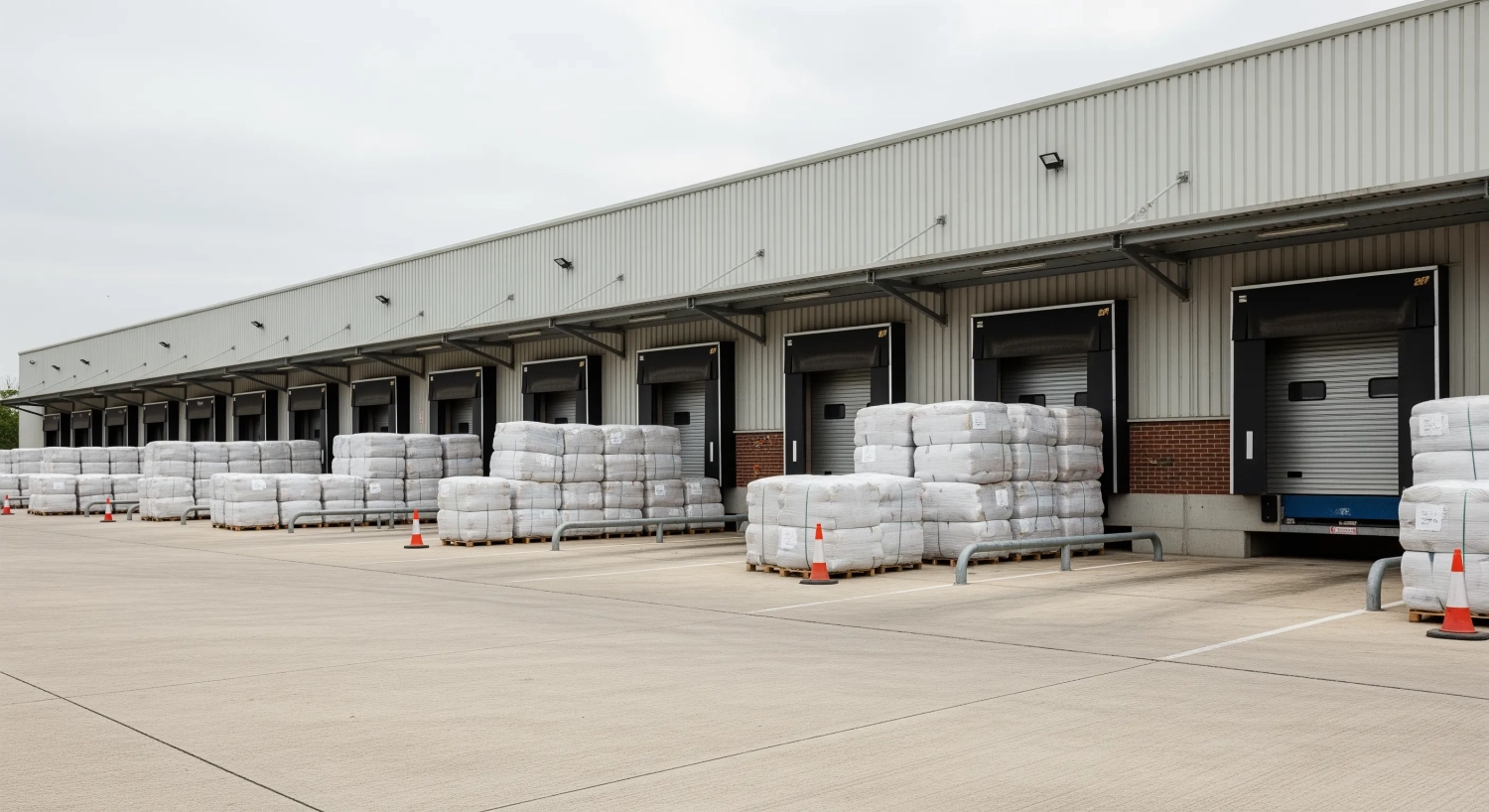
In the evolving B2B landscape, sourcing quality second hand wholesale clothing stands as a vital strategy for trade buyers in the UK. This market offers a sustainable alternative for retailers, wholesalers, and exporters seeking cost-effective, bulk apparel options. With a clear understanding of garment grading, inventory management, and logistics, businesses can unlock versatile merchandise that aligns with their market needs and enhances profitability.
Table of Contents
- Why Second Hand Clothing Matters
- Understanding Clothing Grading
- Navigating Wholesale Bales
- Export Clothing Containers
- Risk Mitigation in Sourcing
- Benefits of B2B Clothing Suppliers
Key Takeaways
| Consideration | Details |
|---|---|
| Volume/MOQ Logic | Establish clear minimum order quantities to ensure profitable margins and maintain inventory flow. |
| Grading Signals | Pay attention to grading labels which indicate quality and expected resale values. |
| Logistics Readiness | Ensure all garments are ready for export, with compliance to shipping regulations considered. |
| Risk Control | Implement process controls to audit the quality and source reliability of wholesale purchases. |
Why Second Hand Clothing Matters
Choosing second hand clothing for wholesale resale is a responsible decision that addresses both economic and environmental concerns. The fashion industry is one of the largest polluters globally, making the case for recycled apparel more crucial than ever. For trade buyers, sourcing second hand wholesale clothing not only diversifies product offerings but also taps into a growing market of eco-conscious consumers, enhancing brand reputation and customer loyalty.
Moreover, the financial benefits cannot be overlooked. Second hand garments often come at a fraction of the retail price, making them accessible for bulk purchasing. This affordability allows B2B buyers to maintain competitive pricing while offering quality products to their customers. Companies that embrace this model can expect an upward trend in demand for sustainable fashion.
Pro tip: Consider creating a dedicated section for sustainable options in your store to attract eco-conscious buyers.
Understanding Clothing Grading
Proper grading of second hand clothing is essential for setting expectations with trade buyers. Each piece of clothing should be assessed based on its condition, which can range from 'A-grade'—essentially like new—to 'C-grade', where items may have visible wear but are still sellable. Knowing these distinctions allows suppliers to communicate more effectively with buyers about what they can expect from their purchase.
Grading not only impacts sales strategies but also influences how items are marketed. For example, A-grade garments may be marketed as premium offerings, allowing for higher price points, whereas C-grade items might be bundled at a lower cost for quick turnover. A clear grading system enhances trust and helps avoid disputes down the line.
Pro tip: Use clear labels and descriptions to outline the grading of items to avoid misunderstandings with purchasers.
Navigating Wholesale Bales
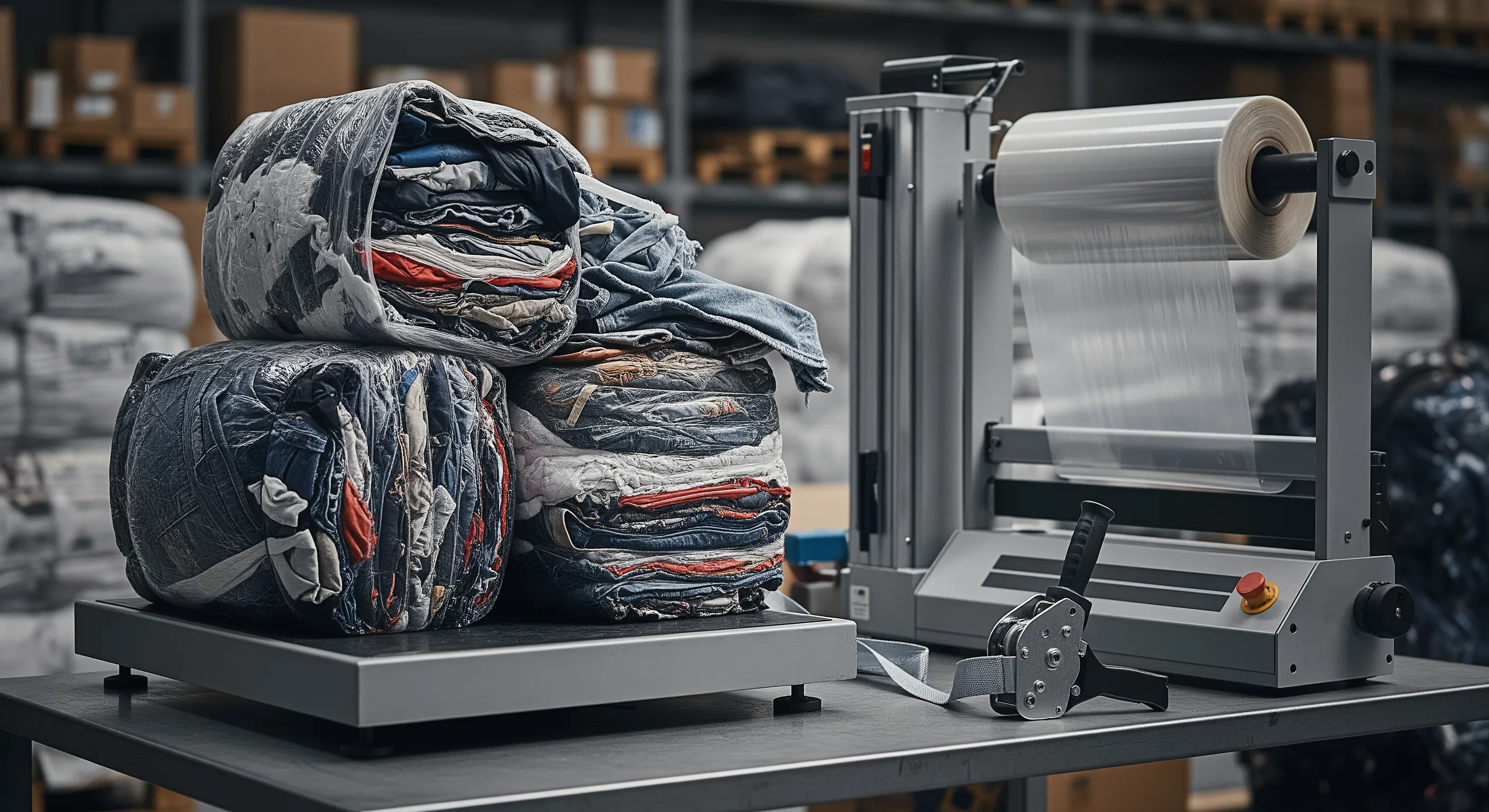
Wholesale bales are the most common method for trading second hand clothing. These bales can vary greatly in size and composition, making it important for buyers to understand what they are purchasing. Knowing the composition of each bale, including brand and category distribution, helps buyers make informed decisions.
When negotiating purchase agreements, be sure to ask for detailed information about the bales, including item counts, condition mix, and any known defects. This transparency aids in assessing whether the purchases align with the buyers' market requirements and customer expectations.
Pro tip: Request sample pieces from bales before committing to larger orders to ensure quality and suitability.
Export Clothing Containers
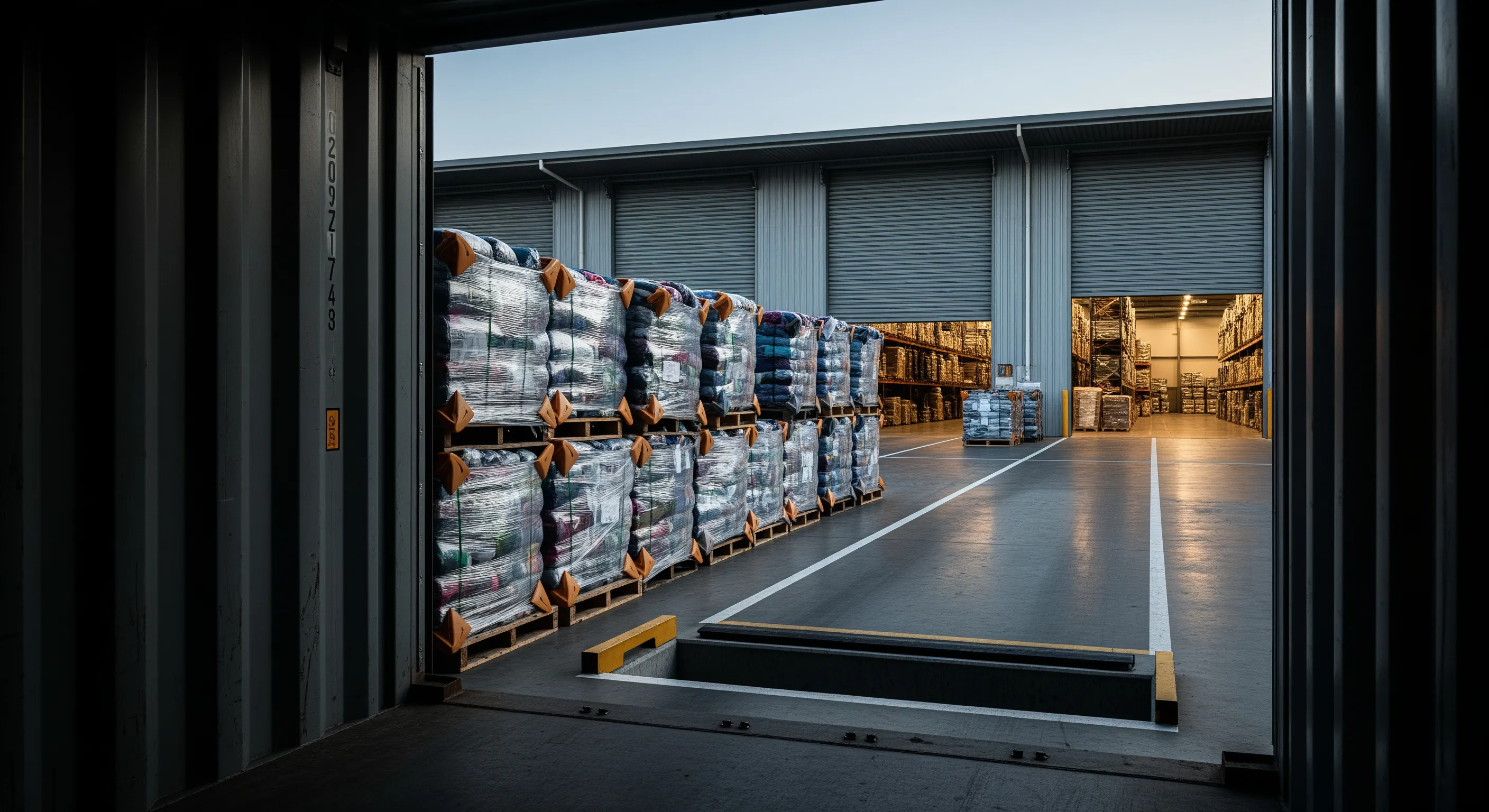
For B2B businesses looking to export second hand clothing, understanding how to pack and ship these items is critical. Containers designed for clothing shipments can optimize space and reduce costs. Additionally, proper packaging ensures that garments arrive in sellable condition.
Documentation is just as vital as the physical logistics. Ensuring that all export paperwork is complete and compliant with international regulations will prevent delays and additional costs. Working with an experienced logistics provider can streamline this process.
Pro tip: Investigate reliable shipping partners who specialize in clothing exports to enhance operational efficiency.
Risk Mitigation in Sourcing
When sourcing second hand clothing, various risks can arise, including product quality discrepancies and shipping delays. Effective risk mitigation strategies involve conducting thorough due diligence on suppliers and establishing clear contracts.
Utilizing a comprehensive risk assessment framework can help identify potential supply chain vulnerabilities. By outlining possible causes and devising contingency plans, businesses can prepare themselves for unforeseen challenges, ensuring operational continuity.
| Practical Risk | Cause | Mitigation |
|---|---|---|
| Quality Discrepancies | Miscommunication with vendors | Set clear grading standards |
| Shipping Delays | Logistical issues | Choose experienced shipping partners |
| Regulatory Compliance | Incomplete paperwork | Develop a checklist for exports |
| Inventory Management | Overstock or understock | Implement demand forecasting |
Benefits of B2B Clothing Suppliers
Partnering with reliable B2B clothing suppliers can provide significant advantages in the competitive wholesale market. These suppliers often specialize in certain categories, ensuring that trade buyers get quality items that are tailored to their specific market needs.
Moreover, established suppliers can offer comprehensive support, from grading to logistics, which can save time and reduce the potential for errors. Their expertise often translates to better inventory management and higher margins, making them a valuable asset in any business strategy.
Pro tip: Form long-term relationships with trusted suppliers to enhance reliability and mutual growth.
Unlock Cost Savings and Inventory Variety with Trusted UK Bulk Clothing Sourcing

For trade buyers who need consistent bulk supply and clear grading expectations, explore Original Secondhand at originalsecondhand.com. If you’d like a quick recommendation on the best fit for your business model, volumes, and export requirements, contact the team here: Contact Us.
Frequently Asked Questions
What are the benefits of sourcing second hand clothing?
Sourcing second hand clothing can offer cost savings, promote sustainability, and appeal to eco-conscious consumers.
How do I know the quality of the clothing in wholesale bales?
Review the grading system used by your supplier and request sample pieces when necessary.
What regulations apply to exporting second hand clothing?
Ensure all export documentation is compliant with international regulations to avoid delays.
How can I build reliable relationships with suppliers?
Communicate clearly and establish long-term partnerships to enhance trust and reliability.