
In the realm of B2B sourcing, discovering reliable options for used clothing wholesale UK can revolutionize your supply chain. As a multifaceted landscape where sustainability meets profitability, sourcing second-hand clothing allows businesses to secure quality inventory while addressing environmental concerns. Original Secondhand stands as a beacon for wholesalers, resellers, and exporters, ensuring a steady stream of high-quality, pre-owned garments ready for distribution. Cultivating valuable partnerships with reputable clothing suppliers may also lead to competitive advantages in dynamic markets.
Table of Contents
- Understanding the Used Clothing Wholesale Market
- The Benefits of Bulk Sourcing
- Navigating Clothing Grading Systems
- Logistics and Preparation for Export
- Risk Mitigation in Clothing Sourcing
- Optimizing Your Wholesale Purchase
Key Takeaways
| Aspect | Importance |
|---|---|
| Volume Management | Set clear Minimum Order Quantities to efficiently manage supply and demand. |
| Grading Signals | Understand grading systems to assure product quality and compliance. |
| Logistics Readiness | Establish logistics chains for timely delivery and cost efficiency. |
| Risk Control | Implement risk control measures to safeguard your investment. |
Understanding the Used Clothing Wholesale Market
The market for used clothing is rapidly evolving, with growing demand from wholesalers and exporters keen on sustainable solutions. The shift toward eco-conscious business practices positions used clothing as a lucrative sector. Trade buyers should recognise the potential for enhanced profit margins by tapping into this fertile market.
Sourcing from reputable wholesalers offers buyers access to diverse inventories tailored to specific audience needs. Solid supplier relationships can facilitate consistent stock availability, easing the pressure of fluctuating market demands.
Pro tip: Regularly assess market trends to adjust inventory and supplier partnerships accordingly.
The Benefits of Bulk Sourcing
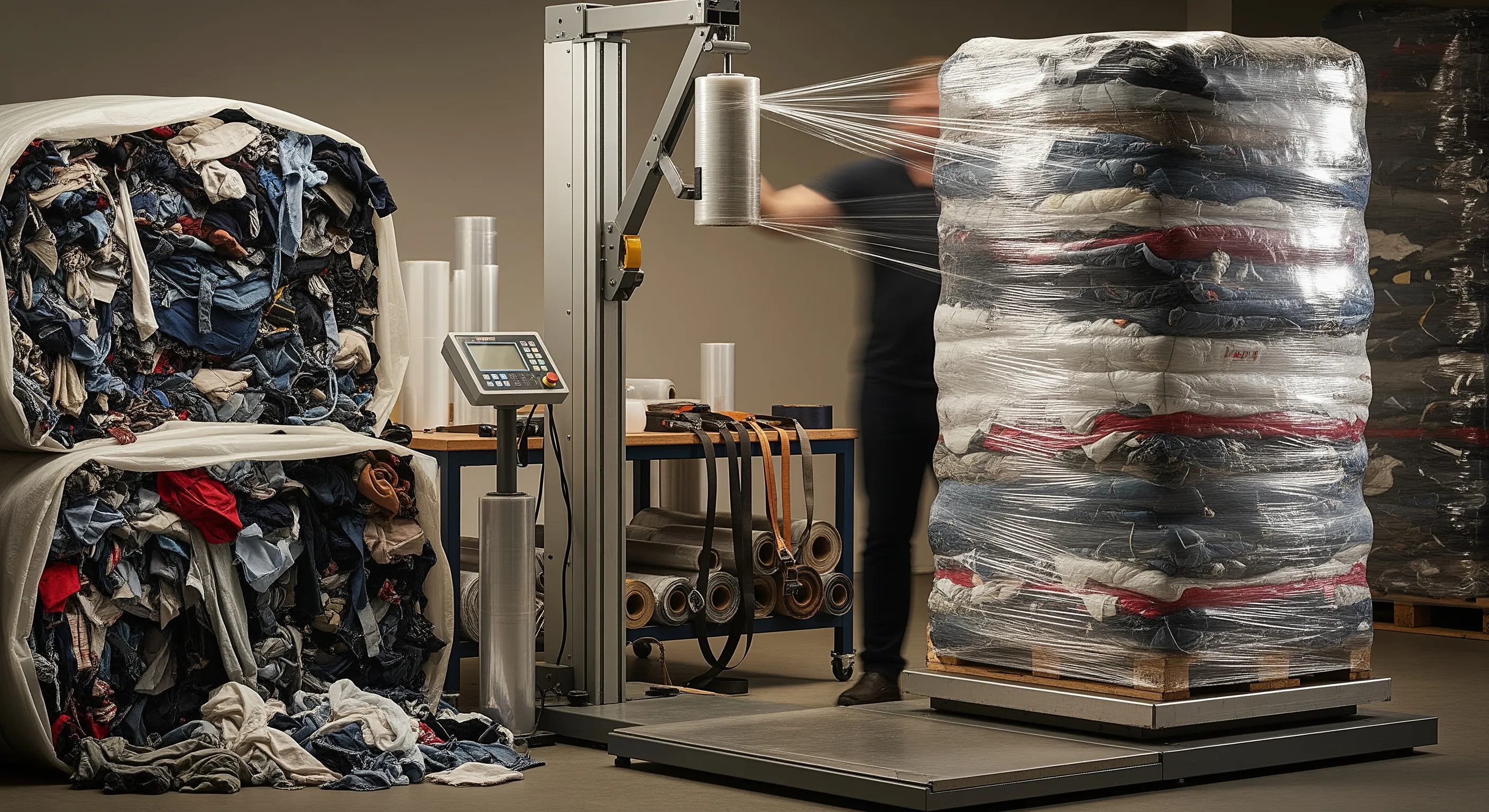
Bulk sourcing of used clothing not only amplifies cost savings but also ensures a more predictable supply chain. By purchasing wholesale bales, businesses can mitigate costs associated with shipping and handling, often securing better pricing than buying smaller quantities.
Moreover, buyers who engage in bulk purchases can benefit from tailored shipments, particularly on export containers. This can enhance inventory efficiency, providing businesses with the flexibility to meet customer requests more effectively.
Pro tip: Consider negotiating terms with suppliers for larger volume commitments to unlock additional savings.
Navigating Clothing Grading Systems
Understanding clothing grading systems is crucial for determining quality and price points. Grades such as A, B, and C reflect the condition of garments, directly impacting purchase decisions. Buyers should expect clear grading expectations to minimize misconceptions regarding product quality.
Utilising a robust grading system enables trade buyers to select offerings that align with their brand positioning. Reliable suppliers should provide comprehensive grading reports to ensure transparency and reliability.
Pro tip: Request samples to gauge the quality of grades offered before committing to larger orders.
Logistics and Preparation for Export
Effective logistics solutions are critical for the smooth export of wholesale used clothing. Preparation should involve strategic planning for packaging and labeling, enabling compliance with international standards. Timely preparation can prevent unnecessary delays, allowing your business to adhere to export timelines.
Additionally, understanding the customs regulations in destination countries is essential. Businesses should coordinate with logistics partners to ensure all necessary documentation is ready prior to shipment.

Pro tip: Work with experienced freight forwarders to streamline the logistics process.
Risk Mitigation in Clothing Sourcing
In any business context, identifying potential risks is paramount. In the used clothing wholesale sector, this includes product quality discrepancies, shipping issues, or compliance failures. Establishing risk control strategies can significantly safeguard your investments.
Implementing robust supplier audits can help maintain quality assurance while diversifying your supplier base can further mitigate risks associated with dependency.
Pro tip: Regularly review the performance of your supply chain to identify potential red flags early.
Optimizing Your Wholesale Purchase
To maximise value from wholesale purchases, trade buyers should analyse data related to sales and inventory turnover. By understanding which items sell well, businesses can refine their purchasing strategy to focus on high-demand products while minimising stagnant stock.
Frequent evaluation of supplier performance will contribute to informed purchasing decisions. Hosting regular meetings with suppliers can create avenues for feedback, innovation, and improvement in sourcing practices.
Pro tip: Use data analytics tools to better align your inventory with market demand.
Unlock Cost Savings and Inventory Variety with Trusted UK Bulk Clothing Sourcing

For trade buyers who need consistent bulk supply and clear grading expectations, explore Original Secondhand at originalsecondhand.com. If you’d like a quick recommendation on the best fit for your business model, volumes, and export requirements, contact the team here: Contact Us.
Frequently Asked Questions
What is wholesale used clothing?
Wholesale used clothing refers to the bulk purchase of second-hand garments typically sourced from various suppliers.
How can I ensure quality when buying used clothing?
By understanding grading systems and requesting samples, buyers can assess quality before finalizing orders.
What are the advantages of bulk purchasing?
Buying in bulk often results in cost savings and a more predictable supply chain.
How do logistics affect the used clothing supply process?
Effective logistics ensure timely shipping and compliance with international standards, reducing delays.