
As a B2B buyer in the UK, sourcing quality second hand shoes wholesale can significantly enhance your inventory while promoting sustainability. The demand for used footwear is surging, driven by the growing appreciation for environmentally friendly practices. Engaging with established wholesale suppliers can provide access to diverse options in secondhand footwear, optimising both cost and supply chain efficiency. Navigating this sector not only supports your business goals but also aligns with a movement towards ethical consumption and responsible sourcing.
Table of Contents
- Why Choose Second Hand Shoes Wholesale?
- Understanding Shoe Grading in Wholesale
- Operational Benefits of Sourcing Used Footwear
- Ensuring Quality in Secondhand Footwear
- Logistics and Supply Chain Considerations
- Risk Mitigation in Wholesale Footwear Sourcing
Key Takeaways
| Consideration | Details |
|---|---|
| Volume and MOQ | Assess minimum order quantities to ensure stock availability without overcommitting. |
| Grading Signals | Understand grading classifications for expected quality and marketability. |
| Logistics Readiness | Confirm supplier capabilities for timely packing and shipping to ensure smooth operations. |
| Margin Discipline | Consider your margin expectations and set purchasing limits accordingly. |
Why Choose Second Hand Shoes Wholesale?
The wholesale market for second hand shoes provides a unique opportunity for resellers focused on sustainability and cost-effectiveness. Sourcing used footwear can result in a high turnover rate, particularly in eco-conscious markets.
With reduced manufacturing impacts, companies sourcing secondhand footwear can leverage this aspect to appeal to environmentally aware consumers. This not only boosts your marketability but also positions your brand as a responsible player in the industry.
Pro tip: Engage in regular market analysis to adapt your inventory to shifting consumer preferences towards sustainability.
Understanding Shoe Grading in Wholesale
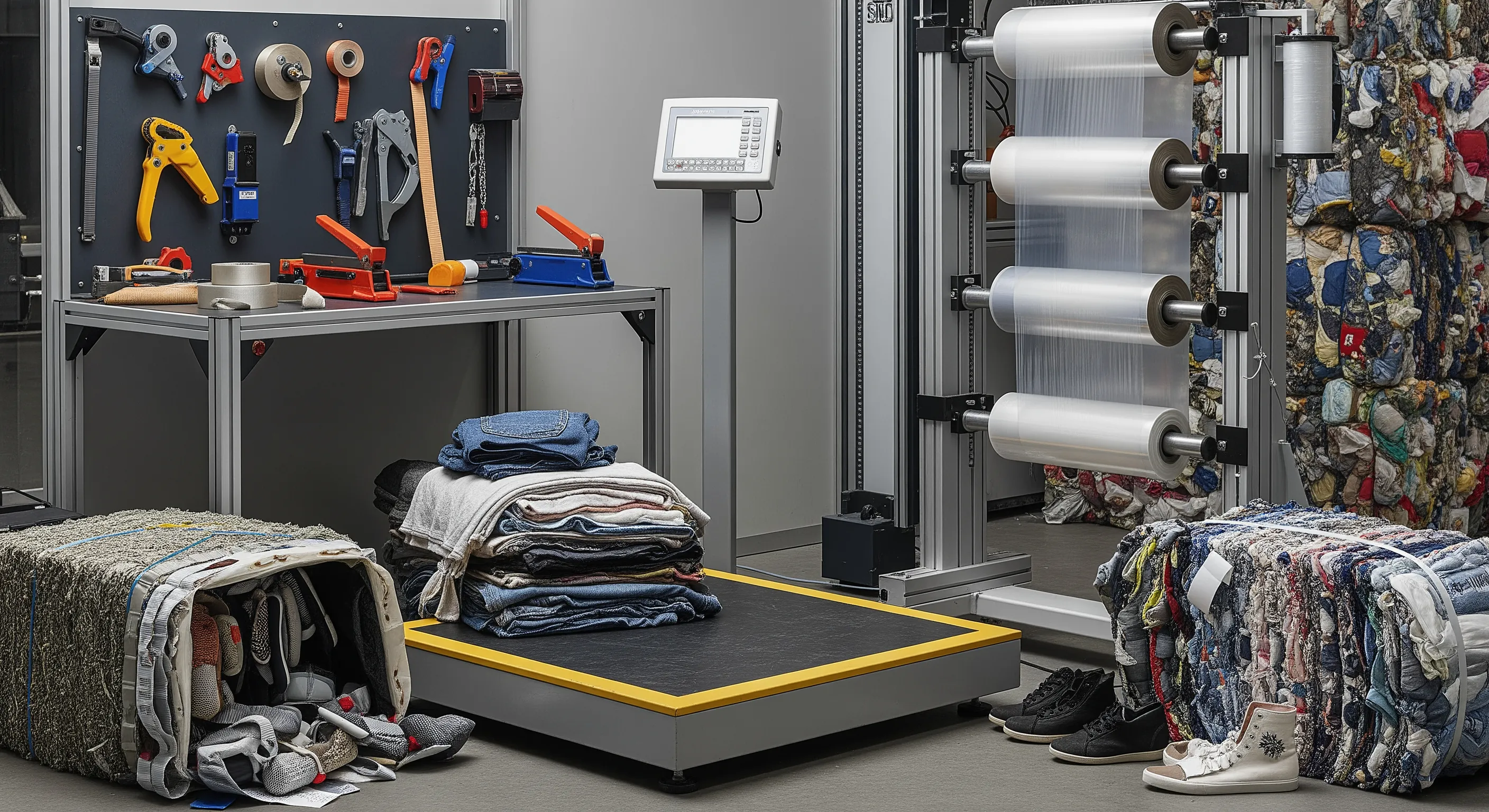
In the wholesale footwear market, understanding the grading system is crucial. Different grades represent various conditions of used shoes, which directly impact resale potential and pricing strategies.
Typically, grades range from A to C, with Grade A representing nearly new conditions and Grade C showing noticeable wear. Establishing a clear understanding of these classifications will aid you in choosing products that align with your business model.
Pro tip: Maintain a consistent grading checklist to help standardize quality checks across batches.
Operational Benefits of Sourcing Used Footwear
Acquiring second hand shoes wholesale can streamline operational processes, especially when working with dependable suppliers who ensure that all products are ready for resale.
This readiness can include pre-packaging and sorting, which saves valuable time and resources during the logistics phase. Such efficiency allows businesses to focus on marketing and sales activities rather than backend operations.
Pro tip: Develop strong relationships with suppliers to enhance operational efficiency through communication and collaboration.
Ensuring Quality in Secondhand Footwear
Quality control is essential when sourcing secondhand footwear. Implementing a rigorous assessment process at the point of receiving supplies helps maintain standards.
Merchandisers should conduct thorough inspections to verify that the items meet predetermined quality benchmarks before they are made available for resale. This stage is critical in maintaining reputation and customer satisfaction.

Pro tip: Schedule regular quality training for your team to ensure consistency in evaluation and handling processes.
Logistics and Supply Chain Considerations
Efficient logistics are paramount in the wholesale secondhand footwear sector. Collaborate with logistics providers who understand the unique challenges of handling used goods.
Factors such as packaging, transport methods, and customs clearance should be strategically managed to ensure timely deliveries and to keep costs in check. An adept logistics strategy will ultimately enhance your overall service offering to customers.
Pro tip: Regularly assess your logistics processes to identify areas for improvement and cost savings.
Risk Mitigation in Wholesale Footwear Sourcing
Mitigating risks in wholesale sourcing involves understanding potential pitfalls. Common risks may include quality discrepancies, delivery delays, and fluctuating demand.
Establishing clear communication with suppliers and having contingency plans in place can greatly decrease the probability of disruption to your operations.
| Potential Risk | Cause | Mitigation Strategy |
|---|---|---|
| Quality Issues | Inconsistent grading standards | Work with certified suppliers to ensure quality assurance. |
| Delivery Delays | Supply chain interruptions | Have alternative suppliers in place to avoid stockouts. |
| Market Demand Fluctuations | Changes in consumer preferences | Utilize market analytics to adjust inventory strategies. |
| Financial Risks | Unexpected price changes | Implement forward contracts with suppliers to stabilize costs. |
Pro tip: Regularly review risk mitigation strategies to adapt to evolving market conditions.
Unlock Cost Savings and Inventory Variety with Trusted UK Bulk Clothing Sourcing

For trade buyers who need consistent bulk supply and clear grading expectations, explore Original Secondhand at originalsecondhand.com. If you’d like a quick recommendation on the best fit for your business model, volumes, and export requirements, contact the team here: Contact Us.
Frequently Asked Questions
What types of shoes are available in wholesale?
Wholesale suppliers usually offer a wide range of secondhand shoes, including formal, casual, and sports footwear.
How do I ensure the quality of wholesale shoes?
Conduct thorough inspections and work with reputable suppliers who meet established grading standards.
What is the typical lead time for orders?
Lead times can vary; however, most suppliers provide estimates based on order size and logistics arrangements.
Can I return unsatisfactory products?
Most reputable suppliers have clear return policies; it's essential to check these before placing an order.