Discover Second Hand Brand Clothes Wholesale
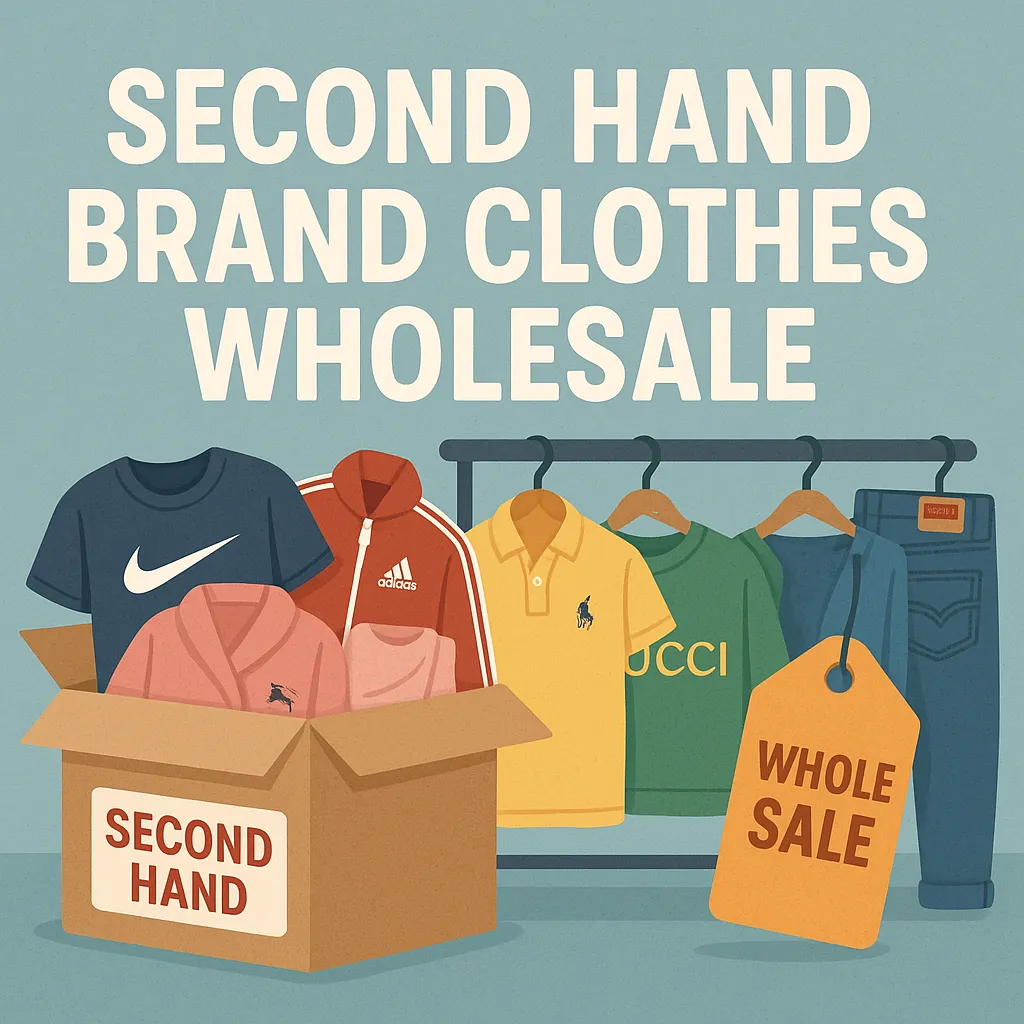
Second hand brand clothes wholesale is an essential avenue for individuals and businesses aiming to contribute to sustainable fashion while also enjoying significant cost savings. The market for second-hand clothing has been growing steadily, driven by an increasing awareness of environmental issues and a desire for unique fashion pieces. By purchasing wholesale second-hand clothing, retailers can offer their customers high-quality, branded items at competitive prices, making it a win-win situation for both sellers and buyers. The appeal of second-hand clothing lies not only in its affordability but also in its capacity to reduce waste and promote recycling in the fashion industry, fostering a more sustainable consumer culture.
The Benefits of Second Hand Brand Clothes Wholesale
One of the primary advantages of engaging in second hand brand clothes wholesale is the potential for high profit margins. Retailers can source quality garments from reputable brands at a fraction of the retail price, allowing them to set competitive prices for their customers while still maintaining healthy profit margins. Additionally, the unique nature of second-hand clothing means that retailers can offer exclusive pieces that aren't available in regular retail outlets, attracting a niche market of fashion-conscious consumers looking for something distinctive. Moreover, buying wholesale allows businesses to stock up on inventory without the financial burden typically associated with purchasing new items, making it an attractive option for startups and established businesses alike. As the demand for sustainable fashion continues to rise, retailers focusing on second-hand offerings are likely to see a positive impact on their brand perception and customer loyalty.
Sourcing Quality Second Hand Clothing
Finding reliable sources for second hand brand clothes wholesale can be challenging, but there are numerous strategies retailers can employ to ensure they receive high-quality items. One effective method is to establish relationships with reputable wholesalers who specialize in second-hand clothing. These suppliers often curate their selections and can provide detailed information about the condition and origin of the garments, ensuring that retailers can offer their customers quality products. Additionally, attending trade shows and industry events can provide retailers with valuable networking opportunities, allowing them to connect with suppliers and other businesses in the second-hand market. Another viable option is to explore online platforms dedicated to wholesale second-hand clothing, where retailers can browse extensive catalogs, compare prices, and read reviews from other buyers, ensuring they make informed purchasing decisions.
The Role of Quality Control in Second Hand Wholesale
Quality control is a critical aspect of the second-hand wholesale clothing business. Retailers must implement stringent quality assessment procedures to ensure that the garments they offer meet the expectations of their customers. This involves inspecting items for any signs of wear and tear, such as stains, tears, or missing buttons, and determining whether they can be repaired or should be discarded. Establishing a standardized grading system for second-hand clothing can help streamline this process, allowing retailers to categorize items based on their condition. Additionally, providing transparent information about the grading system to customers can enhance trust and encourage more sales. By prioritizing quality control, retailers can build a reputation for reliability and attract repeat business, which is essential for long-term success in the competitive second-hand market.
Marketing Strategies for Second Hand Brand Clothes
Effective marketing strategies are vital for promoting second hand brand clothes wholesale, particularly as businesses compete with fast fashion retailers. One effective approach is to emphasize the sustainability aspect of second-hand clothing in marketing campaigns. Highlighting the environmental benefits of purchasing second-hand garments can resonate with eco-conscious consumers and position the brand as a responsible choice. Utilizing social media platforms to showcase unique pieces and share customer stories can also create buzz and attract attention. Collaborating with influencers who advocate for sustainable fashion can further enhance visibility and credibility, reaching a wider audience. Additionally, offering incentives such as loyalty programs or discounts for returning customers can foster a sense of community and encourage repeat purchases, ultimately driving sales and brand loyalty.
Building a Community Around Second Hand Fashion
Creating a community around second hand brand clothes wholesale not only fosters customer loyalty but also establishes a brand identity that resonates with consumers. Engaging with customers through social media, hosting events, and encouraging feedback can create a sense of belonging among customers who share a passion for sustainable fashion. Online platforms that allow customers to share their purchases and styling tips can serve as a source of inspiration and creativity, further enhancing the shopping experience. Additionally, featuring customer testimonials and success stories on the brand's website can help build trust and encourage potential buyers to make a purchase. By nurturing a community centered on second-hand clothing, retailers can differentiate themselves in a crowded market and cultivate a loyal customer base.
Future Trends in Second Hand Clothing Wholesale
The future of second hand brand clothes wholesale looks promising, with several emerging trends shaping the industry. As sustainability continues to gain traction among consumers, the demand for second-hand clothing is expected to rise. Retailers are likely to explore innovative ways to enhance the shopping experience, such as incorporating technology to streamline inventory management or using augmented reality to allow customers to visualize how items would look on them. Additionally, partnerships between traditional retailers and second-hand suppliers may become more common, providing customers with seamless access to sustainable options within familiar shopping environments. The rise of online marketplaces dedicated to second-hand fashion will also likely play a pivotal role, making it easier for consumers to discover and purchase unique pieces from the comfort of their homes. Overall, the second-hand clothing market is poised for growth, and businesses that adapt to these trends will likely thrive.
Embracing Innovation in the Second Hand Market
Innovation will be key to the success of second-hand brand clothes wholesale as the market evolves. Retailers who embrace technological advancements, such as artificial intelligence and data analytics, can gain valuable insights into consumer behavior and preferences, allowing them to tailor their offerings accordingly. Implementing advanced inventory management systems can streamline operations and reduce waste, making it easier for retailers to track their stock and optimize their product selections. Furthermore, utilizing e-commerce platforms that prioritize user experience can enhance customer satisfaction and drive sales. By staying ahead of industry trends and prioritizing innovation, retailers can ensure they remain competitive in the dynamic landscape of second-hand fashion.
FAQ
What is second hand brand clothes wholesale?
Second hand brand clothes wholesale refers to the bulk purchasing of pre-owned branded clothing items, typically at discounted prices. Retailers leverage this model to provide sustainable fashion options to consumers while enjoying significant cost savings. This wholesale approach allows businesses to stock diverse inventories of quality garments from well-known brands, promoting a circular economy by extending the life cycle of clothing. As environmental concerns rise, many retailers are opting for second-hand wholesale as a profitable and eco-friendly alternative to purchasing new inventory.
How can I find reliable wholesalers of second-hand clothing?
Finding reliable wholesalers of second-hand clothing involves researching suppliers who specialize in pre-owned garments. Attending trade shows and industry events can provide valuable networking opportunities to connect with reputable wholesalers. Online platforms dedicated to wholesale second-hand clothing also offer extensive catalogs, allowing retailers to compare options and read reviews. Establishing relationships with suppliers and seeking recommendations from other retailers can further ensure quality sourcing.
What are the benefits of selling second-hand clothing?
Selling second-hand clothing has numerous benefits, including higher profit margins, unique product offerings, and reduced inventory costs. Retailers can acquire quality, branded items at lower prices, allowing them to sell competitively while maintaining profitability. Additionally, as consumers become increasingly eco-conscious, offering second-hand clothing can enhance brand image and customer loyalty, attracting a broader audience focused on sustainable fashion choices.
How can I effectively market second-hand clothes?
Effectively marketing second-hand clothes involves emphasizing sustainability, showcasing unique pieces, and utilizing social media platforms. Sharing engaging content that highlights the environmental benefits of second-hand shopping can resonate with eco-conscious consumers. Collaborating with influencers and encouraging customer testimonials can further enhance visibility. Implementing loyalty programs or incentives for repeat customers can foster community and encourage ongoing engagement.
What are the future trends in the second-hand clothing market?
The future trends in the second-hand clothing market include increased demand for sustainable options, technological advancements, and innovative shopping experiences. As consumers prioritize eco-friendliness, the second-hand market is expected to grow. Retailers may adopt technology to optimize inventory management and enhance user experience, while collaborations between traditional retailers and second-hand suppliers may offer seamless access to sustainable fashion. Overall, adaptation to these trends will be crucial for success in the evolving market.
Ready to Join the Sustainable Fashion Revolution?
Discover how our wholesale secondhand clothing can transform your business while supporting environmental sustainability.