
As the demand for sustainable fashion rises, sourcing second hand clothes and shoes wholesale has become increasingly essential for B2B buyers in the UK. Wholesalers, exporters, and store owners are constantly seeking reliable suppliers that can provide high-quality secondhand clothing. With a focus on operational efficiency and clear grading expectations, Original Secondhand is positioned to meet these needs. By leveraging a trustworthy supply chain, businesses can benefit from cost savings, inventory variety, and enhanced sustainability.
Table of Contents
- Understanding Second Hand Clothing
- Importance of Proper Grading
- Bulk Sourcing Solutions
- Logistics and Shipping Considerations
- Risk Mitigation Strategies
- Scaling Your Business with Wholesale
Key Takeaways
| Key Focus Areas | Considerations |
|---|---|
| Volume Purchasing | Identify minimum order quantities for better pricing. |
| Grading Standards | Ensure clear communication on grading to reduce disputes. |
| Logistics Readiness | Choose suppliers with efficient distribution systems in place. |
| Margin Discipline | Assess costs against market resale value for profitability. |
Understanding Second Hand Clothing
The market for second hand clothing has evolved dramatically in recent years. With growing consumer awareness of sustainability, B2B buyers can find unique opportunities in sourcing high-quality secondhand products. Engaging with suppliers that understand the nuances of secondhand clothing can help businesses optimize their offerings, allowing them to attract environmentally conscious consumers.
Understanding the various grading systems for secondhand clothes can also directly affect purchasing decisions. Grading systems categorize clothing based on condition, style, and other factors, which is essential for setting expectations around quality. Familiarity with grading can lead to better negotiations with suppliers and enhanced value for clients.
Pro tip: Leverage technology to assess trends in second hand clothing demand, enabling informed purchasing decisions.
Importance of Proper Grading
Grading secondhand clothing accurately is crucial for maintaining strong supplier relationships and ensuring customer satisfaction. Each grade represents a blend of potential resale value and marketability, influencing how quickly items sell. Suppliers that adhere to clear and reliable grading practices can reduce disputes and improve buyer confidence.
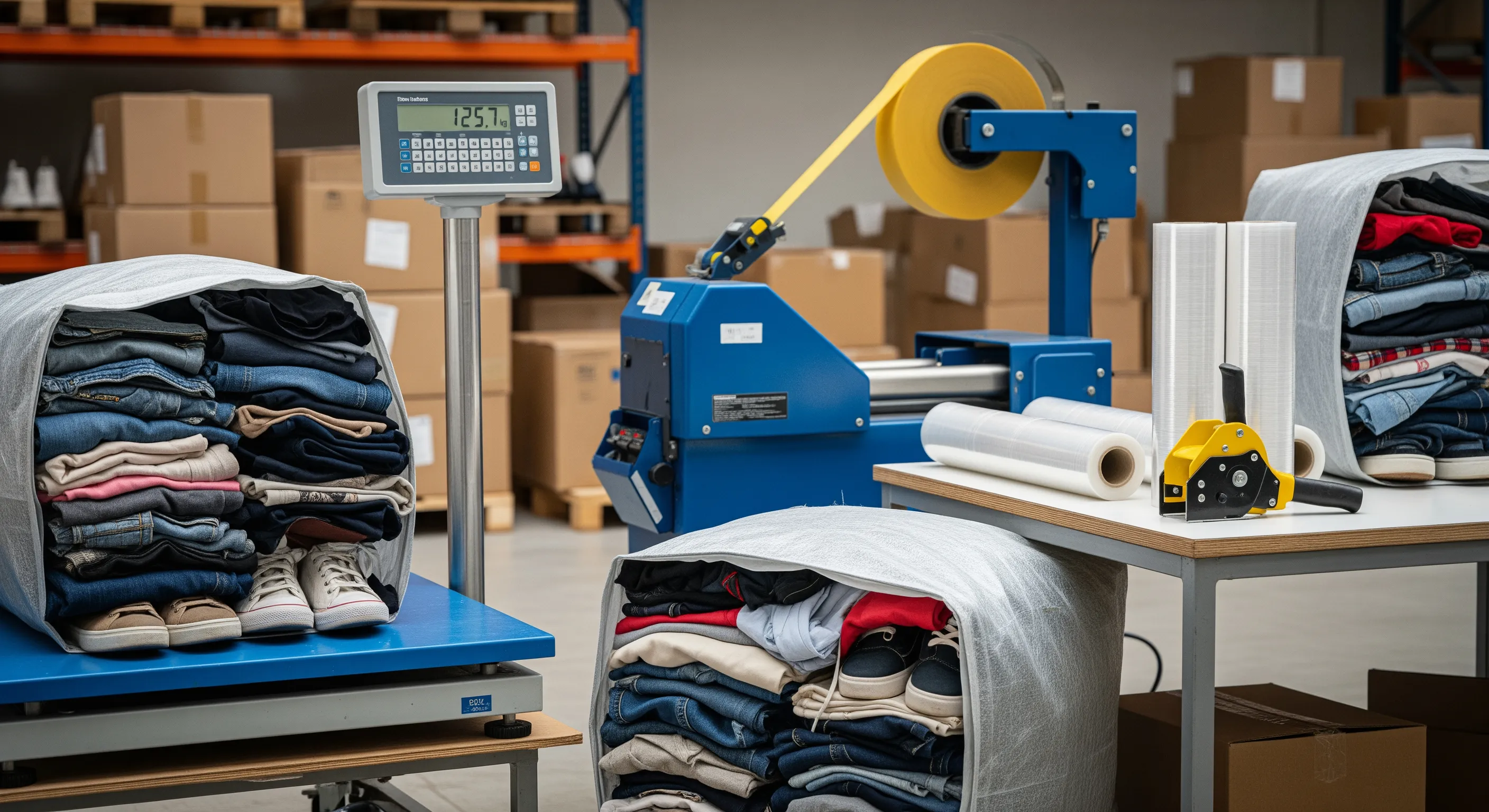
Moreover, effective grading goes beyond visuals. It encompasses factors like fabric quality, brand value, and current fashion trends. Understanding these elements allows buyers to make informed decisions that cater to particular market segments.
Pro tip: Develop a standardized grading sheet to streamline the purchasing process and manage expectations.
Bulk Sourcing Solutions
When sourcing second hand clothes and shoes, buyers should consider wholesale bales or containers that align with their business model. Each option presents unique advantages, enabling companies to cater to different market demands effectively. For example, purchasing bales allows for flexibility in inventory, while containers can provide a consistent supply.
Moreover, understanding the shipping requirements for both bales and containers is vital. Buyers should collaborate with experienced suppliers who can offer guidance on logistics, ensuring that products arrive on time and in the expected condition. Adopting an integrated supply chain approach can also enhance efficiency.
Pro tip: Establish long-term relationships with multiple suppliers to diversify sourcing options and reduce risks associated with dependency on a single source.

Logistics and Shipping Considerations
Logistics plays a central role in second hand clothing sourcing. Timely and reliable shipping is essential for maintaining customer satisfaction and optimizing inventory turnover. B2B buyers should evaluate potential suppliers based on their shipping capabilities, including transit times and freight options.
Furthermore, understanding the costs associated with shipping can influence overall profitability. Transparent discussions about shipping fees and delivery timelines with suppliers pave the way for smoother transactions and stronger working relationships.
Pro tip: Utilize shipping analytics tools to assess performance and identify areas for improvement within the supply chain.
Risk Mitigation Strategies
Risks associated with sourcing second hand clothing include product quality concerns, shipping delays, and supplier reliability. To mitigate these risks, businesses should conduct thorough supplier evaluations and focused audits. Establishing clear terms and conditions regarding grading and shipping expectations is also critical.
Incorporating risk management practices can enhance operational efficiency and protect margins. Monitoring supplier performance and customer feedback helps organizations adapt and improve continuously.
| Practical Risk | Cause | Mitigation |
|---|---|---|
| Quality Disputes | Lack of grading clarity | Implement standardized grading systems |
| Shipping Delays | Poor logistics management | Partner with reliable transport providers |
| Inconsistent Supply | Dependency on single supplier | Diverse sourcing strategy |
| Market Instability | Rapid fashion changes | Regular trend assessments |
Pro tip: Regularly review your risk management framework to adapt to changing market conditions and supplier landscapes.
Scaling Your Business with Wholesale
As businesses grow, scaling operations to meet increasing demand for second hand clothes and shoes becomes essential. Engaging in wholesale purchasing facilitates greater inventory control and diversified product offerings. By forecasting demand accurately, businesses can optimize their purchasing strategy.
Utilizing analytics to track sales performance offers insights that inform future decisions. Consequently, businesses can adjust their stock mix to align with consumer preferences and enhance seasonal offerings. Establishing robust relationships with suppliers enables smoother negotiations for bulk purchases and steady pricing.
Pro tip: Regularly assess inventory turnover rates to inform future purchasing strategies and optimize cash flow management.
Unlock Cost Savings and Inventory Variety with Trusted UK Bulk Clothing Sourcing

For trade buyers who need consistent bulk supply and clear grading expectations, explore Original Secondhand at originalsecondhand.com. If you’d like a quick recommendation on the best fit for your business model, volumes, and export requirements, contact the team here: Contact Us.
Frequently Asked Questions
What types of grades are used for second hand clothing?
Grading systems typically include categories such as A-grade, B-grade, and C-grade, based on condition and marketability.
How can I ensure reliable shipping for bulk orders?
Consider partnering with suppliers that have proven logistics capabilities and a track record of timely deliveries.
What are the benefits of bulk sourcing?
Bulk sourcing allows for cost savings, streamlined inventory management, and increased flexibility in product offerings.
How do I assess supplier reliability?
Conduct thorough evaluations and request references from previous clients to gauge a supplier's reliability.