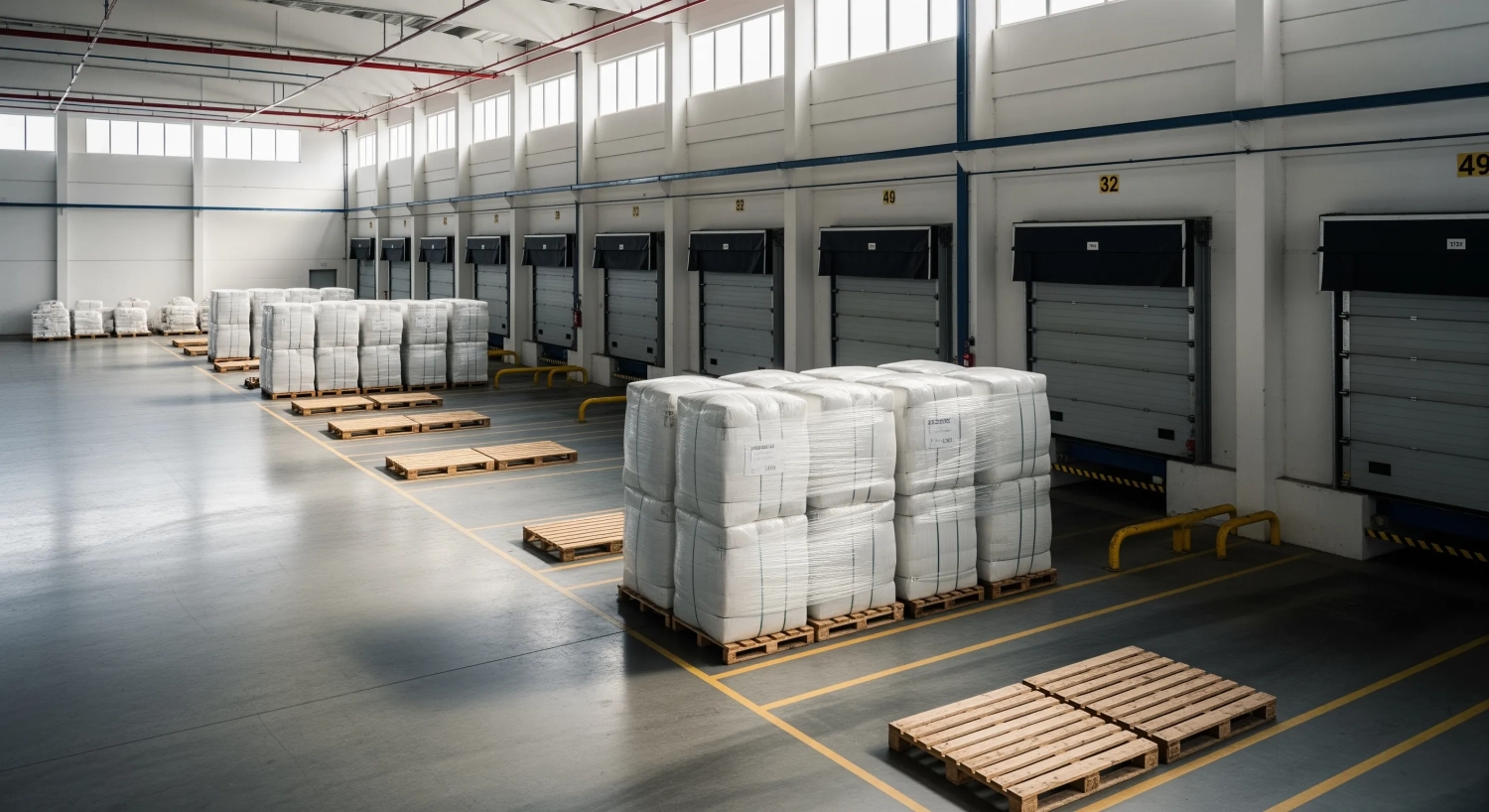
For trade buyers in the UK, sourcing wholesale used clothes is not only an opportunity to expand inventory but also a way to capitalize on the growing demand for sustainable apparel. With a focus on quality and value, Original Secondhand offers a comprehensive selection of bulk secondhand clothing that meets the rigorous standards of wholesalers and exporters. Our offerings include well-graded clothing bales that are ready for immediate shipment, ensuring a streamlined supply chain for your business needs.
Table of Contents
- Key Takeaways
- Understanding Grading Standards
- Bulk Clothing Options Available
- Shipping Process Overview
- Risk Mitigation in Wholesale
- Key Criteria for Choosing Suppliers
Key Takeaways
| Consideration | Insight |
|---|---|
| Minimum Order Quantities (MOQs) | Understanding your MOQs helps in planning inventory levels efficiently. |
| Grading Signals | Reliable grading of secondhand clothes is critical for maintaining quality. |
| Logistics Readiness | Ensure suppliers are equipped for timely delivery to avoid disruptions. |
| Risk Control | Establish protocols to handle defective items or discrepancies in orders. |
Understanding Grading Standards
Grading secondhand clothing is essential for ensuring that buyers know what to expect from their wholesale used clothes. Each supplier may have slightly differing criteria, but the main goal remains the same: to provide clarity on the quality of the items being sourced. The grading process typically involves examining the garments for wear and tear, condition, and overall appeal.
For effective sourcing, it’s beneficial to partner with suppliers who offer detailed grading reports along with their clothing bales. This transparency not only enhances trust but also aids in making informed purchasing decisions that align with your business’s needs.
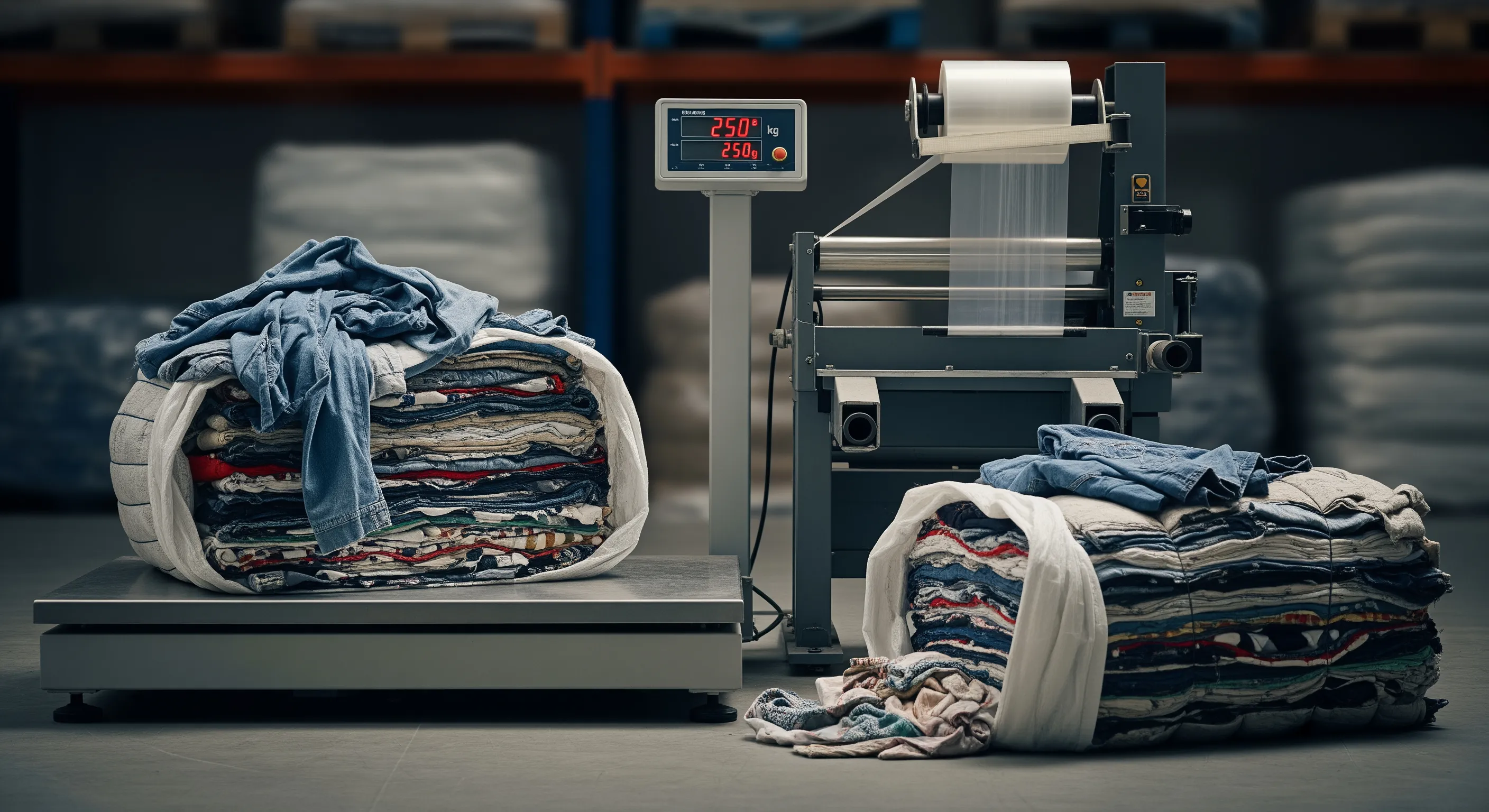
Pro tip: Always request a sample before placing a large order to understand the grading quality firsthand.
Bulk Clothing Options Available
When it comes to bulk secondhand clothing, there are various configurations available to meet the specific needs of retailers and exporters. Clothing bales can range from mixed items to category-specific collections such as menswear, womenswear, or children’s clothing, allowing businesses to diversify their offerings.
Understanding the type of bulk clothing that works best for your business can significantly improve your market competitiveness. Analyzing trends in demand can help tailor your inventory to better suit customer preferences.

Pro tip: Regularly reassess your inventory to adapt to changing market trends and customer preferences.
Shipping Process Overview
The shipping process plays a crucial role in the wholesale used clothes supply chain. Timely and efficient shipping ensures that trade buyers can meet market demands without delays. It’s essential to choose suppliers who are adept at managing logistics, including customs clearance and final delivery.
Having a reliable logistics partner can make all the difference. Make sure to clarify shipping timelines and ensure that the supplier can provide adequate tracking information to monitor your shipments.
Pro tip: Confirm that your suppliers have contingency plans for unexpected shipping delays.
Risk Mitigation in Wholesale
Engaging in wholesale secondhand clothing presents various risks, from quality discrepancies to shipping issues. Utilizing a structured approach can help in mitigating these risks. Always insist on clear documentation regarding grading, packing lists, and shipping arrangements.
By creating a robust risk management strategy, trade buyers can safeguard their investments and ensure a sustainable business model. Regular audits and feedback mechanisms can further enhance operational efficiencies.
| Risk | Cause | Mitigation |
|---|---|---|
| Quality Issues | Lack of standardized grading | Invest in suppliers with a proven grading process |
| Logistics Delays | Poor communication | Maintain open lines of communication with suppliers |
| Inventory Errors | Inaccurate bulk packing | Implement thorough receiving checks |
| Market Fluctuations | Changing consumer preferences | Monitor market trends regularly |
Key Criteria for Choosing Suppliers
Selecting the right supplier for wholesale used clothes demands careful evaluation. Prioritize suppliers who demonstrate a strong history of quality and reliability. Understanding their operational processes can provide insight into their capabilities.
Additionally, consider suppliers who offer flexibility in terms of order sizes and can cater to your specific market needs. A supplier's willingness to collaborate on custom orders can enhance your service offerings significantly.
Pro tip: Always check references and reviews to gauge supplier credibility before entering into agreements.
Unlock Cost Savings and Inventory Variety with Trusted UK Bulk Clothing Sourcing

For trade buyers who need consistent bulk supply and clear grading expectations, explore Original Secondhand at originalsecondhand.com. If you’d like a quick recommendation on the best fit for your business model, volumes, and export requirements, contact the team here: Contact Us.
Frequently Asked Questions
What types of clothing are included in the bales?
Bales can contain a variety of garments including menswear, womenswear, and childrenswear, often mixed for versatility.
How do I verify the quality of the clothing?
Request grading reports and samples from suppliers to assess the quality before placing larger orders.
What is the typical lead time for orders?
Lead times vary by supplier, but proactive communication can help in managing expectations.
Can I customize my orders?
Many suppliers are open to custom orders, allowing you to tailor your inventory based on market demand.