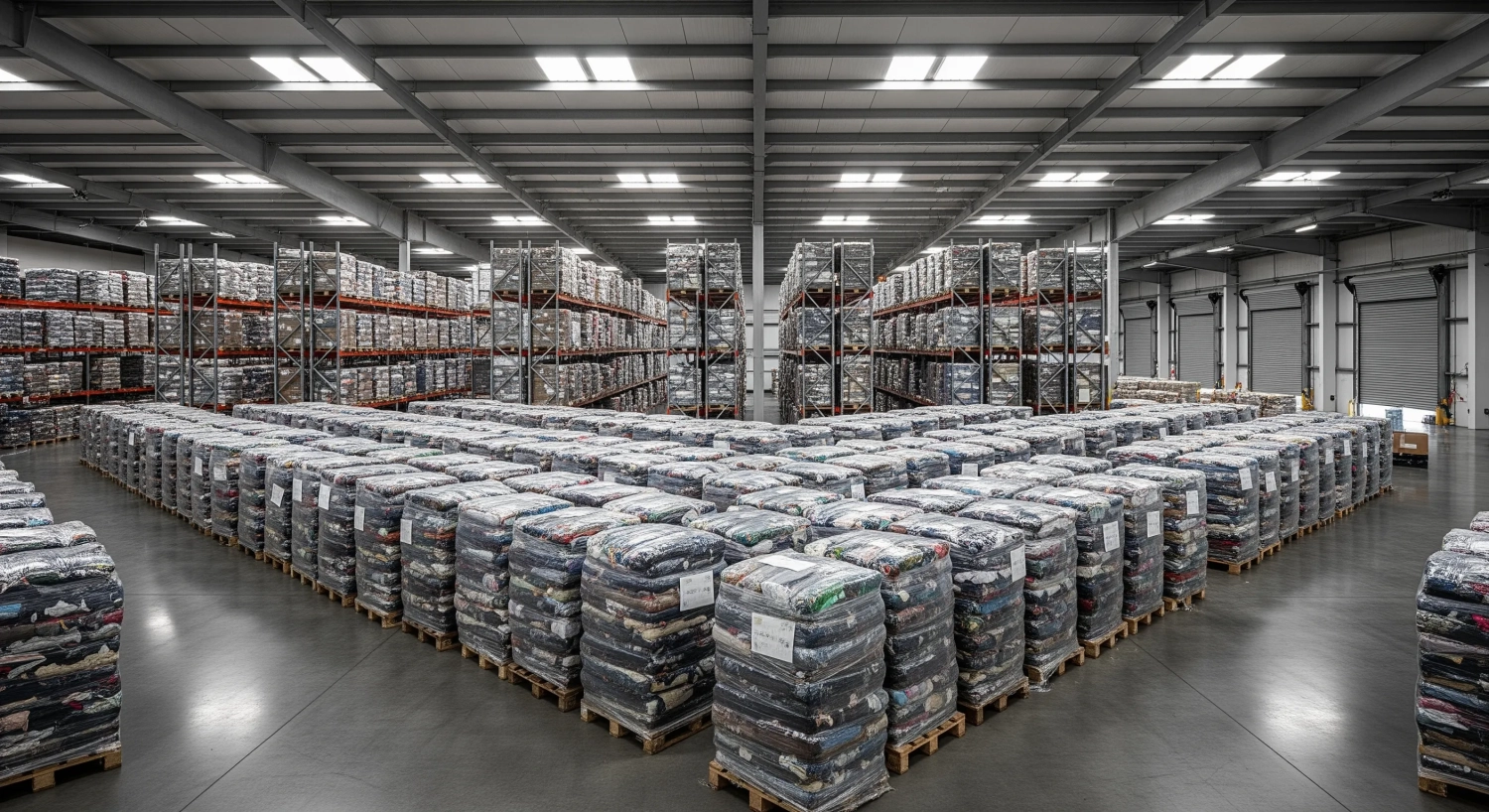
As a UK B2B importer in search of high-quality used clothing bales from the USA, your sourcing strategy needs to be precise and effective. In the competitive landscape of the second-hand clothing market, leveraging the right suppliers can significantly impact your operational efficiency and profit margins. This article delves into the nuances of acquiring used clothing bales from the USA, focusing on essential factors like grading standards, logistical considerations, and supplier reliability, ensuring you make informed purchasing decisions that align with your business model.
Table of Contents
- Understanding Wholesale Used Clothing Availability
- Criteria for Sourcing High-Quality Bales
- Logistics and Shipping Considerations
- Grading Methods for Used Clothing
- Risk Mitigation Strategies
- Embracing Sustainability in Clothing Sourcing
Key Takeaways
| Focus Area | Key Insights |
|---|---|
| Volumes/MOQ | Negotiate for bulk purchases to lower per-unit costs. |
| Grading Signals | Understand grading labels to ensure quality. |
| Logistics Readiness | Confirm shipping capabilities and timeline before procurement. |
| Margin Discipline | Stay informed on market trends to maintain competitive pricing. |
Understanding Wholesale Used Clothing Availability
Wholesale used clothing from the USA presents a significant opportunity for UK B2B buyers to enhance inventory while being cost-effective. Understanding the landscape is crucial for accessing a reliable supply chain. Many suppliers offer secondhand clothing bales that are sorted specifically for export markets, making them ideal for trade buyers looking to resell or export.
Market trends indicate that demand for second-hand clothing is increasing, encouraging suppliers to ramp up their offerings. By establishing relationships with reputable wholesalers, UK businesses can not only secure consistent supplies but also foster loyalty that can benefit long-term operations. Connecting with suppliers who specialize in various types of used clothing can also lead to better pricing and exclusive access to high-quality bales.
Pro tip: Always investigate the supplier’s reputation and seek reviews from other trade buyers to gauge reliability.
Criteria for Sourcing High-Quality Bales
When sourcing used clothing bales, several criteria should be considered to ensure quality and value for money. Start by analyzing the bales' grading systems, which often categorize items based on condition, style, and brand. Understanding these categories can help you select the most suitable bales for your market, whether targeting high-end resellers or budget-conscious consumers.
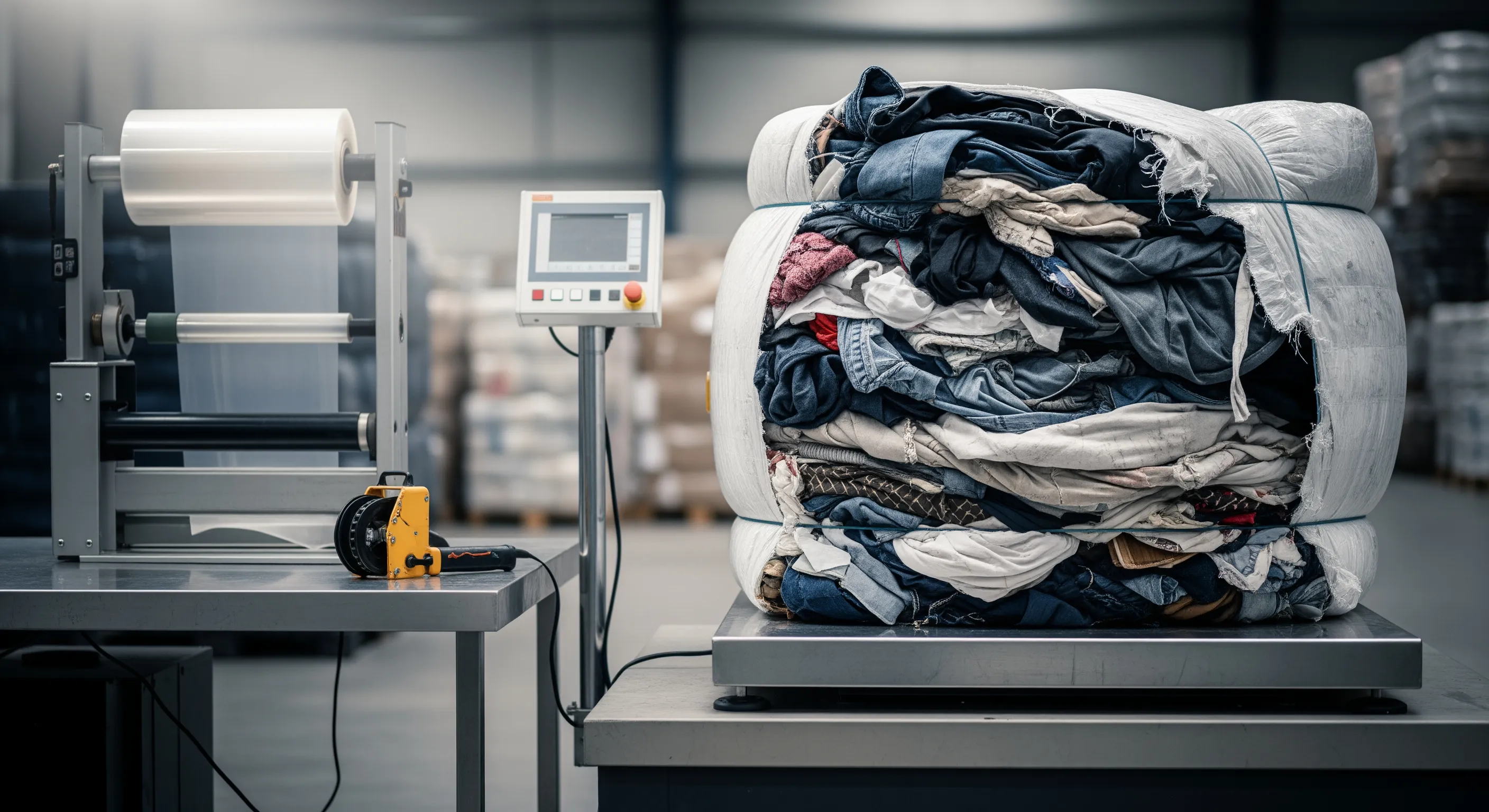
Moreover, review the supplier's quality assurance processes. Reliable importers will typically provide a detailed description of the contents within bales, alongside a sample pack to inspect before committing to larger orders. This precaution helps to mitigate risks associated with product quality and enhances the overall purchasing experience.
Pro tip: Always request a sample before making bulk purchases to evaluate physical quality and condition.
Logistics and Shipping Considerations
Effective logistics management is paramount for the timely import of used clothing bales. Understanding shipping routes, customs regulations, and potential delays is vital for maintaining a smooth operational flow. Engage with logistics partners who have expertise in handling clothing shipments to ensure compliance with customs requirements.
Effective coordination between your supplier and logistics provider can minimize lead times. Ensure to maintain an up-to-date inventory system to track incoming shipments efficiently. This preparedness can greatly enhance your cash flow management and reduce stock discrepancies.
Pro tip: Implement a tracking system to monitor shipments in real time, aiding in proactive responses to delays.
Grading Methods for Used Clothing
Understanding grading methods is essential for making informed purchasing decisions. Different suppliers may use varying grading systems, and being knowledgeable about these can help avoid misunderstandings regarding product quality. Common grading classifications include “A” grade for new or excellent condition items, down to “C” grade for heavily worn or damaged goods.

Examine the specific parameters used in grading, such as criteria relating to brand, fabric, and overall appearance. Ask suppliers for clarification on their grading systems to understand the potential risks and benefits associated with the products you might purchase.
Pro tip: Develop a clear understanding of grading labels to assess whether the products meet your customer requirements.
Risk Mitigation Strategies
Taking calculated risks is part of B2B trade, but employing effective strategies can mitigate potential issues. Factors such as volatility in supply chains, currency fluctuations, and varying shipping costs can impact your business operations. Establishing strong relationships with multiple suppliers can provide fallback options in times of need.
Additionally, consider insuring shipments to safeguard against loss or damage. Ensure to assess the costs and benefits of this practice against potential losses from unprotected shipments. Document all transactions accurately and maintain clear communication with suppliers to ensure transparency throughout the purchasing process.
| Practical Risk | Cause | Mitigation |
|---|---|---|
| Supply Chain Delays | Unexpected logistics interruptions | Diversify supplier base |
| Quality Discrepancies | Miscommunication regarding grading | Request samples before bulk purchase |
| Cost Fluctuations | Market volatility | Implement fixed pricing contracts |
| Regulatory Non-compliance | Changing customs regulations | Engage customs experts for guidance |
Pro tip: Keep informed on regulatory changes to adapt swiftly and minimize compliance issues.
Embracing Sustainability in Clothing Sourcing
The second-hand clothing market is increasingly tied to sustainability efforts. As eco-conscious buyers look for greener options, aligning your business with sustainable practices can enhance your brand's reputation and appeal to the growing demographic of environmentally-aware consumers.
Source from suppliers who utilize sustainable practices in their logistics and production processes. Additionally, consider enhancing your marketing strategies to highlight the sustainability aspects of your products, promoting the environmental benefits of second-hand clothing.
Pro tip: Emphasize sustainability in your branding to attract eco-conscious consumers and distinguish your business in a competitive market.
Unlock Cost Savings and Inventory Variety with Trusted UK Bulk Clothing Sourcing

For trade buyers who need consistent bulk supply and clear grading expectations, explore Original Secondhand at originalsecondhand.com. If you’d like a quick recommendation on the best fit for your business model, volumes, and export requirements, contact the team here: Contact Us.
Frequently Asked Questions
What are the benefits of sourcing used clothing bales?
Sourcing used clothing bales allows businesses to access affordable inventory while meeting the growing consumer demand for sustainable fashion.
How can I ensure cargo arrives in good condition?
Utilize reputable freight services and consider insuring your shipments to guard against potential damages during transit.
What is the typical lead time for importing used clothing from the USA?
Lead times can vary based on shipping arrangements; typically, it ranges from 4 to 12 weeks.
How can I assess the quality of clothing bales?
Request grading details and sample packs from suppliers to evaluate quality before committing to larger orders.