
For trade buyers seeking efficient avenues to source secondhand clothing, understanding the landscape of used clothes bulk wholesale in the UK is crucial. With a growing demand for sustainable fashion, businesses ranging from wholesalers to exporters now have an opportunity to build inventories that cater to eco-conscious consumers. This guide delves into the best options available, providing insight into grading, logistics, and supplier reliability necessary for sourcing quality bulk used clothing.
Table of Contents
- Understanding the Benefits of Bulk Wholesale
- Exploring Supplier Options in the UK
- Clothing Grading and Quality Control
- Logistics and Shipping Considerations
- Strategies for Effective Bulk Purchase
- Risk Mitigation in Bulk Sourcing
Key Takeaways
| Focus Area | Key Consideration |
|---|---|
| Minimum Order Quantities (MOQ) | Understand quantities that meet supplier requirements to optimize inventory levels. |
| Grading Signals | Evaluate grading for quality assurance to mitigate return risks. |
| Logistics Readiness | Assess suppliers on their ability to ship quickly and efficiently to maintain inventory flow. |
| Control Mechanisms | Implement tracking systems to manage stock levels and reduce excess. |
Understanding the Benefits of Bulk Wholesale
Sourcing used clothes in bulk can offer significant benefits for businesses. One of the primary advantages is cost-effectiveness. By purchasing wholesale, trade buyers can reduce per-unit costs, facilitating improved profit margins. Additionally, a well-rounded inventory featuring secondhand clothing is increasingly appealing to environmentally conscious consumers, enabling businesses to tap into a growing market segment.
Moreover, reliable suppliers ensure consistent quality and supply. Engaging with reputable B2B clothing suppliers can create a stable source of products, ensuring inventory continuity. This greater predictability leads to improved operational efficiency and less uncertainty in the supply chain.
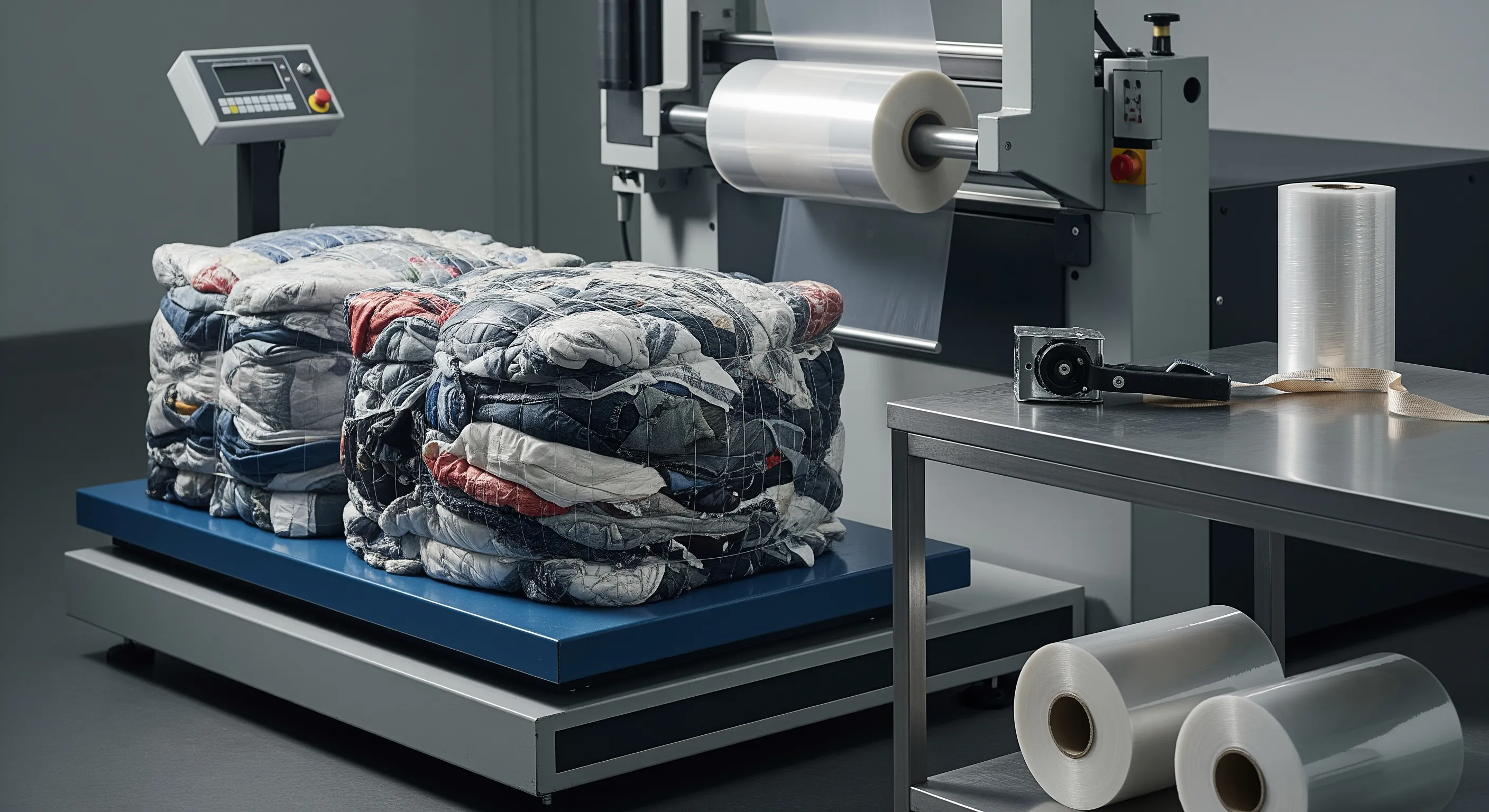
Exploring Supplier Options in the UK
The UK boasts a variety of suppliers offering bulk wholesale secondhand clothing. It’s essential for businesses to conduct thorough due diligence on potential partners. This includes reviewing customer testimonials, evaluating product range, and understanding their grading systems. Consider suppliers who not only provide high-quality garments but also employ transparent grading that meets your requirements.
Engaging directly with suppliers at trade shows or industry events can facilitate valuable connections and discussions about future agreements. Such face-to-face interactions enable buyers to assess suppliers’ capabilities effectively, fostering strong partnerships based on trust and reliability.

Clothing Grading and Quality Control
Effective clothing grading is a critical factor in mitigating business risks associated with bulk purchases. By understanding the grading signals, trade buyers can predict the quality of the clothing bales they receive. Reliable suppliers will have a consistent grading system that helps make informed decisions.
Quality control processes also play a vital role. Businesses should examine suppliers’ protocols on quality checks to ensure the clothing meets the required standards. This reliability helps reduce the instances of returns or customer complaints, thus protecting your business’s reputation.
Logistics and Shipping Considerations
When establishing a relationship with suppliers, logistics and shipping considerations are paramount. Evaluating lead times is crucial, as delays can disrupt your supply chain, hindering sales. It’s beneficial to work with suppliers who can demonstrate logistics proficiency, ensuring timely deliveries.
In addition, understanding how to consolidate orders can reduce shipping costs and improve logistical efficiency. Collaborating with logistics partners proficient in handling bulk shipments can also streamline the warehousing and distribution processes.
Strategies for Effective Bulk Purchase
In the realm of bulk purchasing, strategic planning is essential. Businesses should define their target inventory levels based on market demand as well as seasonal trends. This foresight aids in determining the optimal quantities to order, minimizing excess stock while maximizing sales opportunities.
Implementing technology solutions such as inventory management systems can facilitate real-time tracking, improving order accuracy and maintaining stock levels. This data-driven approach allows businesses to react swiftly to market shifts, ensuring that the right products are available when needed.
Pro tip: Employ data analytics for informed demand forecasting, enabling better supply chain planning.
Risk Mitigation in Bulk Sourcing
Understanding potential risks in bulk sourcing is vital for safeguarding your investment. Common risks include changing market trends, quality discrepancies, and logistical challenges. Implementing a thorough assessment process can help identify these risks early.
A comprehensive risk control strategy might involve diversifying suppliers to reduce dependency on a single source. This approach not only stabilizes supply sources but also fosters competitive pricing. Additionally, strong agreements with clear grading expectations can further protect your investment and ensure quality.
| Risk Area | Cause | Mitigation |
|---|---|---|
| Market Changes | Trends shift quickly, impacting demand. | Diversify product range to adapt. |
| Quality Issues | Inconsistencies in grading. | Establish clear grading standards with suppliers. |
| Logistical Delays | Shipping disruptions can occur. | Partner with reliable logistics providers. |
| Overstock | Misjudged demand leads to excess inventory. | Regular market analysis for better forecasting. |
Unlock Cost Savings and Inventory Variety with Trusted UK Bulk Clothing Sourcing

For trade buyers who need consistent bulk supply and clear grading expectations, explore Original Secondhand at originalsecondhand.com. If you’d like a quick recommendation on the best fit for your business model, volumes, and export requirements, contact the team here: Contact Us.
Frequently Asked Questions
What are the benefits of sourcing used clothes in bulk?
Sourcing used clothes in bulk allows businesses to lower costs per unit, resulting in better profit margins and an expanded product range appealing to eco-conscious consumers.
How can I ensure quality in bulk purchases?
By engaging with reputable suppliers who provide clear grading systems, businesses can ensure they receive consistent quality in their bulk purchases.
What logistics considerations should I keep in mind?
Evaluating supplier lead times and understanding potential consolidation methods for shipping can greatly enhance logistical efficiency.
How can I mitigate risks in bulk sourcing?
Diversifying suppliers and implementing robust agreements with clear grading expectations can significantly reduce risks when sourcing in bulk.