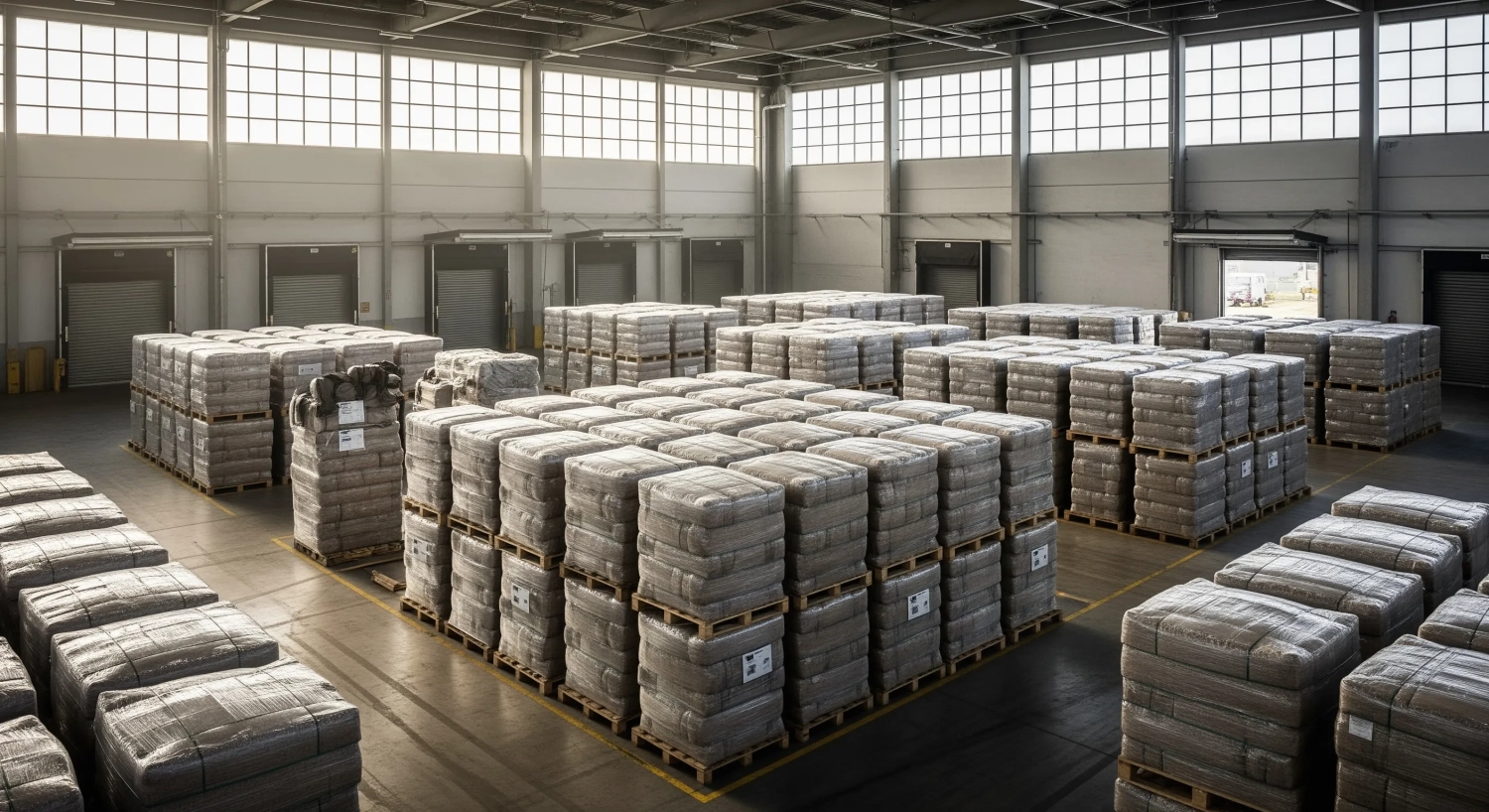
For B2B buyers seeking quality and reliable sources of second-hand clothing, finding used clothes wholesale near me can be a game changer. This resource is particularly valuable for wholesalers, exporters, and store owners looking to enhance inventory diversity while maintaining cost-effectiveness in a competitive market. Understanding the local supply landscape and how to navigate it efficiently will allow businesses to tap into an ecosystem that emphasizes sustainability, clear grading, and logistical readiness.
Table of Contents
- Understanding the Used Clothing Market
- How to Source Used Clothes Locally
- The Benefits of Grading in Wholesale
- Logistics and Shipping Considerations
- Addressing the Risks Involved
- Future Trends in Used Clothing Exports
Key Takeaways
| Consideration | Importance |
|---|---|
| Minimum Order Quantity (MOQ) | Allows for manageable inventory without overextending financial resources. |
| Grading Signals | Ensures you receive items that meet quality expectations to foster customer satisfaction. |
| Logistical Readiness | Preparation for export and distribution is crucial for avoiding delays. |
| Margin Discipline | Maintaining margins is essential for profitability in the B2B environment. |
Understanding the Used Clothing Market
The second-hand clothing market has seen significant growth in recent years, particularly as sustainability becomes a priority in retail. Purchasing used clothes wholesale not only reduces costs but also aligns with eco-friendly practices that many customers favor. According to a report on the economic impact of second-hand clothes, these goods contribute to local economies while ensuring less wastage and a more circular approach to fashion.
Trade buyers should familiarize themselves with various grading systems to assess the quality of available wholesale products. This knowledge helps in making informed purchasing decisions, ensuring the viability of resale operations. It is also imperative to establish relationships with reputable suppliers who adhere to fair trading practices and provide transparent operational protocols.
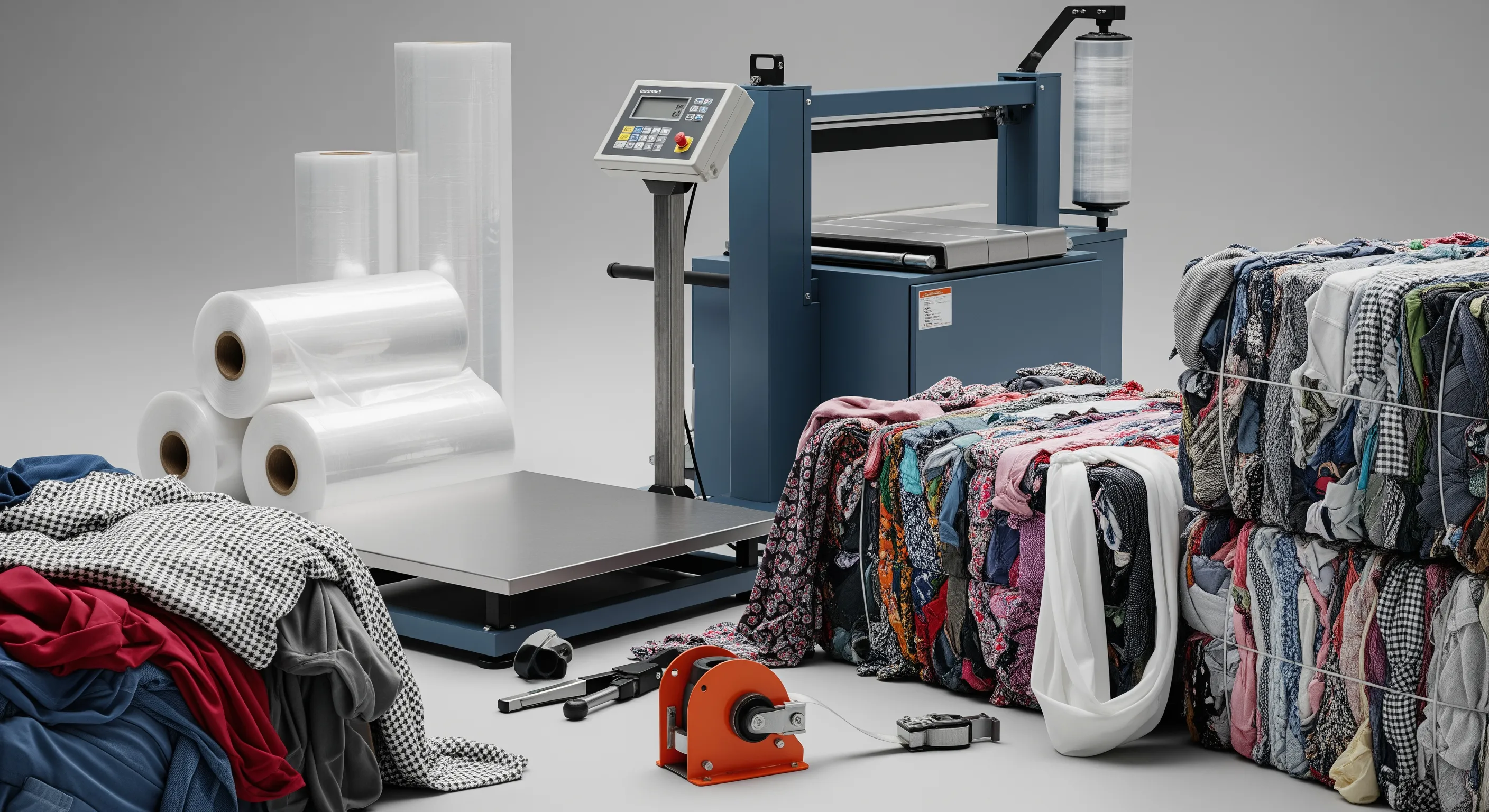
Pro tip: Network with local wholesalers and attend trade shows to find reliable suppliers.
How to Source Used Clothes Locally
Sourcing second-hand clothing locally can be facilitated by identifying key wholesale suppliers in your region. Look for warehouses that specialize in sorting bales of second-hand clothing as they often have varying grades and types depending on your target market. Utilizing platforms that list available bales can help streamline your purchasing process, enabling you to evaluate different options quickly.
Investigate local restrictions and compliance requirements in your area to ensure smooth operations. Being proactive about the regulatory landscape can save time and resources, allowing you to focus more on growing your business.
Pro tip: Always maintain a checklist of local suppliers and contact details for efficiency.
The Benefits of Grading in Wholesale
Grading is a critical aspect of the wholesale used clothing sector. It helps define the quality of items being sold, which in turn greatly affects resale value and customer satisfaction. Suppliers usually categorize clothing into grades such as A, B, and C, reflecting the item's condition and potential market appeal. This system assists trade buyers in making informed decisions about which products align best with their business models.
Furthermore, understanding these grades can help in segmenting inventory according to target demographics, which can drive sales and enhance customer loyalty. Accurate grading allows for efficient stock rotation and reduces the risk of unsold goods.
Pro tip: Regularly review grading standards and customer feedback to fine-tune purchasing strategies.
Logistics and Shipping Considerations
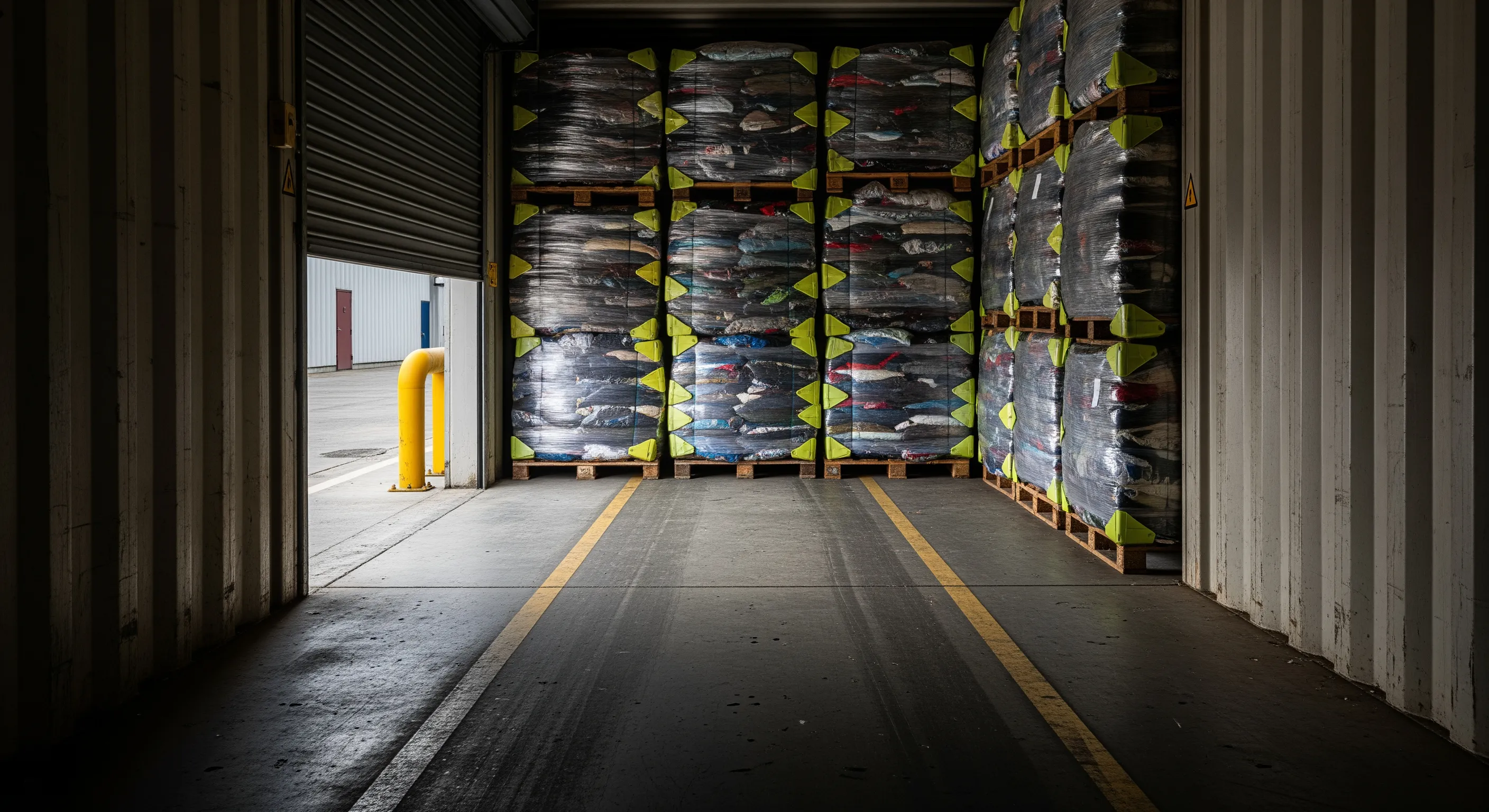
When importing used clothing, efficient logistics and shipping practices are paramount. A streamlined process ensures your products arrive in a timely manner and in good condition. Collaborate with freight forwarders specializing in second-hand clothing to facilitate smooth importing processes and customs clearance.
Establish clear packing and labeling standards with suppliers to minimize delays during transportation. Understanding freight costs and incorporating them into your pricing strategy helps in maintaining profit margins while satisfying customer expectations.
Pro tip: Invest time in logistics planning; it pays off in reduced costs and time savings.
Addressing the Risks Involved
Every aspect of a wholesale operation carries some level of risk, particularly when dealing with second-hand clothing. Potential issues include supply chain disruptions and variations in item quality. Implementing due diligence when sourcing products mitigates such risks significantly. According to research, operational inconsistencies can lead to substantial financial setbacks if not addressed properly.
Creating a robust risk mitigation strategy involves planning for contingencies and diversifying suppliers to avoid reliance on a single source, thus ensuring business continuity.
| Risk | Cause | Mitigation |
|---|---|---|
| Quality Control | Inconsistent supplier grading | Regular audits and feedback loops |
| Supply Chain Disruptions | Transportation delays | Diverse sourcing options |
| Market Demand Fluctuations | Seasonal trends | Flexible inventory management |
| Regulatory Compliance | Changing regulations | Up-to-date knowledge of laws |
Pro tip: Develop relationships with multiple suppliers to cushion against risks.
Future Trends in Used Clothing Exports
The exportation of second-hand clothing is pivotal to many economies, particularly in regions where new clothing is prohibitively expensive for consumers. The EU has seen a notable increase in reused textiles; according to recent reports, around 75% of used textile volume from the EU is exported. This trend reflects a growing acceptance of second-hand clothing as a viable and sustainable option in various markets.
Businesses aiming for long-term growth should keep an eye on emerging markets and evolving consumer preferences towards used clothing. Aligning operational strategies with these trends can result in significant opportunities to capture market share.
Pro tip: Stay informed about global trends in sustainability and consumer behavior.
Unlock Cost Savings and Inventory Variety with Trusted UK Bulk Clothing Sourcing

For trade buyers who need consistent bulk supply and clear grading expectations, explore Original Secondhand at originalsecondhand.com. If you’d like a quick recommendation on the best fit for your business model, volumes, and export requirements, contact the team here: Contact Us.
Frequently Asked Questions
What is the minimum order quantity for used clothes?
The minimum order quantity can vary by supplier but is often established based on inventory types and grades.
How do I ensure quality in used clothing?
Building strong relationships with trusted suppliers and relying on established grading systems are key strategies.
What are the logistics involved in importing used clothing?
Key logistics include customs clearance, freight forwarding, and partnerships with experienced shipping companies.
What are the cost implications of buying used clothes wholesale?
Costs can vary based on several factors including quantity, quality, and shipping logistics.