
For businesses interested in sourcing used clothing in bulk, Alberta offers a range of opportunities. With an ever-growing demand for sustainable fashion, wholesale secondhand clothing is becoming more appealing to retailers and resellers. In Alberta, trade buyers can explore efficient channels for import and export of quality secondhand garments. As a UK-based wholesale supplier, Original Secondhand is here to guide you in navigating this landscape, ensuring you understand grading standards, logistics, and supplier relationships for optimal success.
Table of Contents
- Understanding the Market
- Finding Suitable Suppliers
- Logistics and Shipping
- Grading and Quality Control
- Strategies for Risk Mitigation
- Sustainability in Wholesale Clothing
Key Takeaways
| Focus Area | Key Insights |
|---|---|
| Volume Considerations | Establish minimum order quantities (MOQs) with suppliers to ensure efficiency and value. |
| Grading Expectations | Understand the grading system to manage quality and satisfaction with your purchases. |
| Logistics Readiness | Ensure packing lists are clear and logistics are in place for smooth transactions. |
| Supply Chain Control | Implement risk mitigation strategies to reduce exposure to unexpected issues. |
Understanding the Market
Alberta's market for used clothing is thriving, driven by a growing consumer preference for sustainable products. Trade buyers must grasp the nuances of this market to succeed. The demand for wholesale secondhand clothing isn't just about cost savings; it's also aligned with environmental consciousness and ethical sourcing. Recognizing these trends can guide your purchasing strategies and inventory management.
According to industry insights, the secondhand clothing market is projected to continue expanding, offering various opportunities for B2B buyers. Understanding local market characteristics, such as popular clothing types and seasonal trends, will enhance your procurement planning.
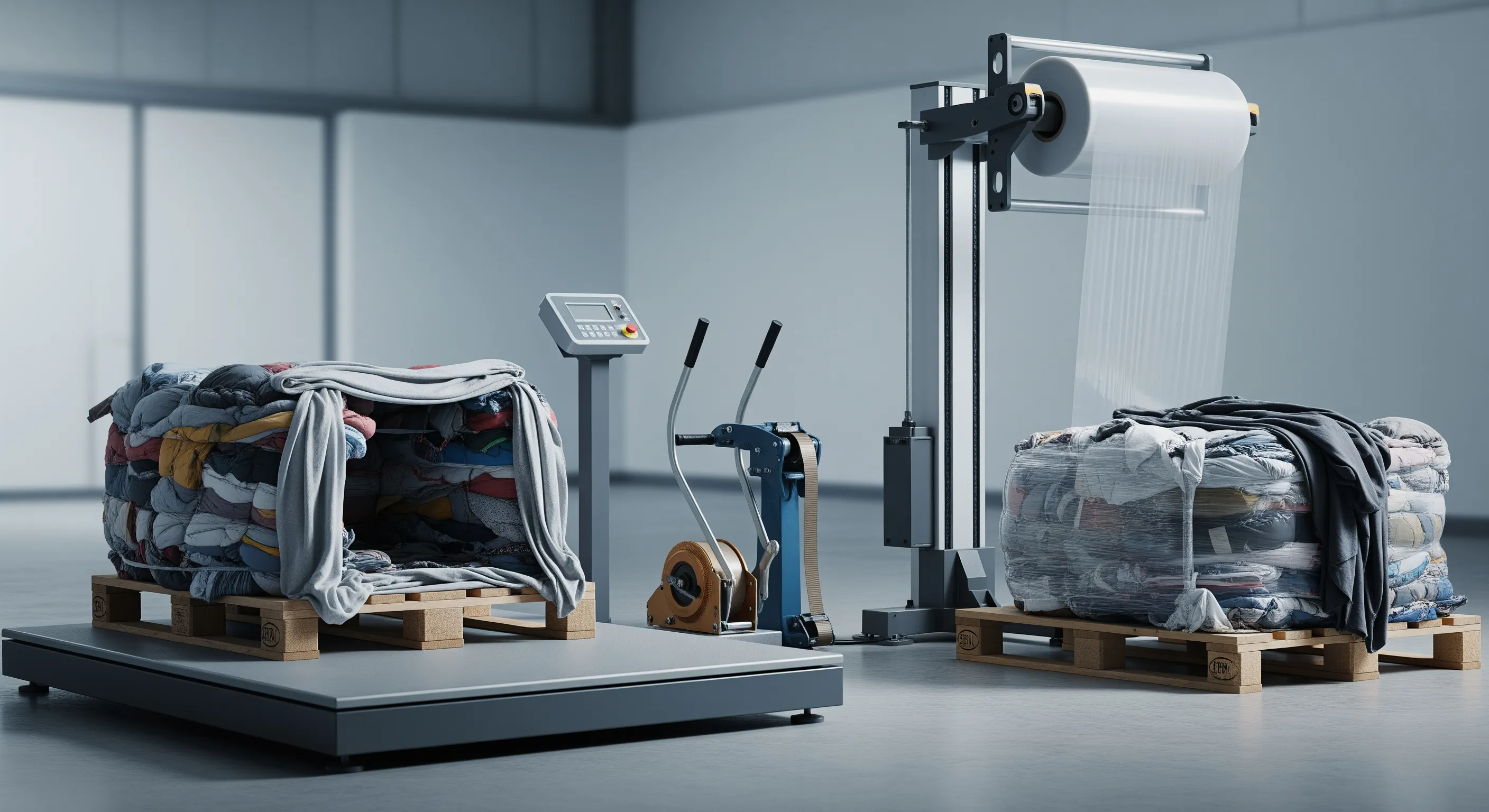
Pro tip: Regularly analyze market trends to adjust your purchasing decisions accordingly.
Finding Suitable Suppliers
Identifying reliable Alberta wholesale suppliers is crucial for ensuring a consistent flow of quality products. Research potential suppliers to assess their reputation, reliability, and quality of secondhand clothing. Many reputable companies provide detailed grading and transparent supply chain practices, which are essential for building long-term relationships.
Networking with industry peers and joining forums can help uncover hidden gems in the wholesale used clothing market. Utilize online resources to access directories and reviews of suppliers, as well as establish connections. Engaging with local trade shows and exhibitions is another avenue worth exploring for finding trustworthy partners.
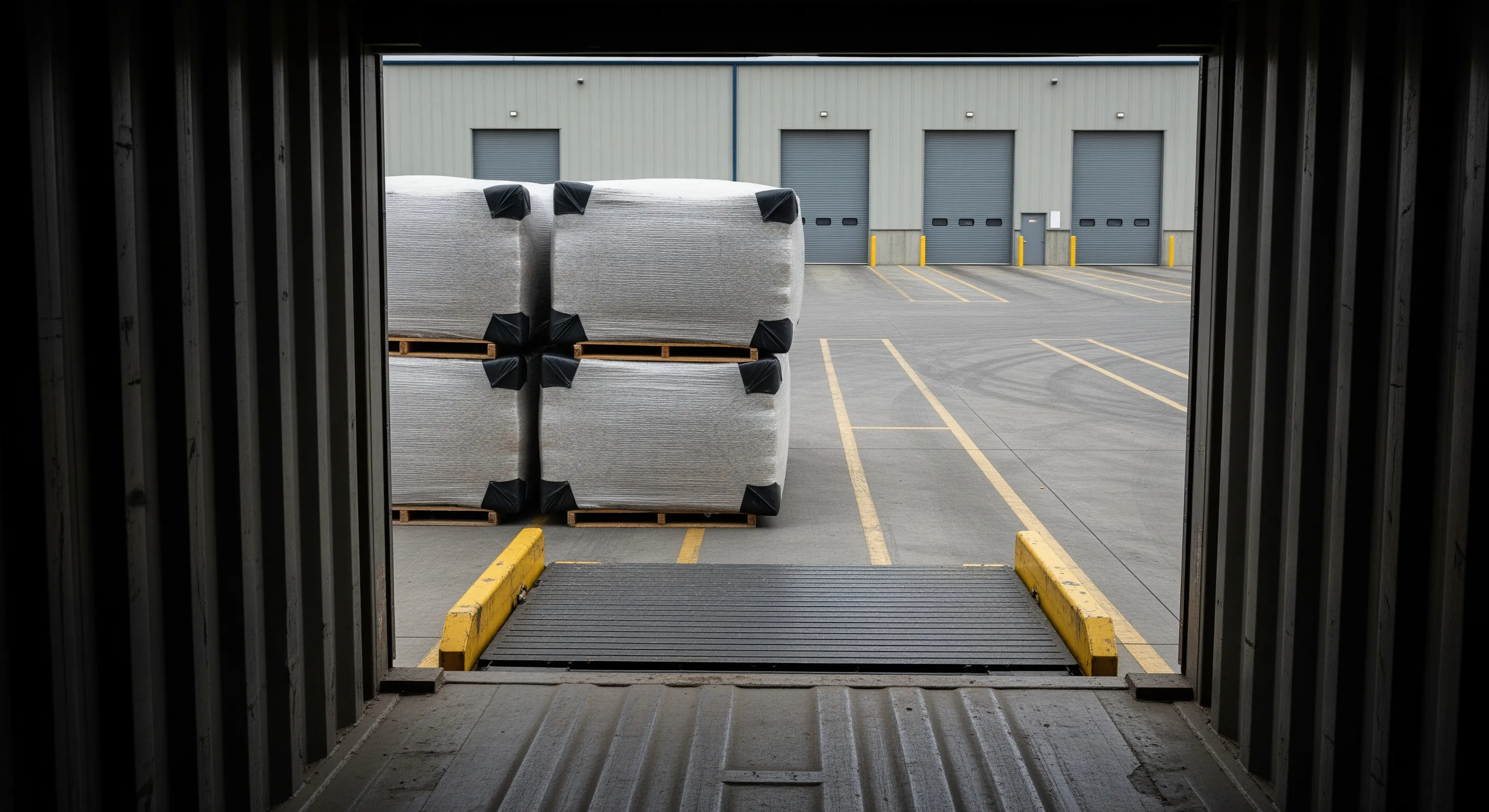
Pro tip: Always visit suppliers’ warehouses to confirm their operational standards and quality controls.
Logistics and Shipping
Effective logistics management is a cornerstone of successful wholesale used clothing operations. When dealing with export bales, ensure you have clear agreements regarding shipping terms, handling, and delivery times. A strong logistics plan can prevent unexpected delays and additional costs, making it vital for maintaining inventory turnover.
Align closely with your suppliers and logistical partners to ensure that every shipment aligns with your import/export requirements. Comprehensive tracking throughout the shipping process will provide transparency and assurance.
Pro tip: Utilize technology and software solutions for streamlined logistics management.
Grading and Quality Control
Understanding secondhand grading is essential to meet your business expectations. Quality grading systems help assess the condition and style of garments, ensuring that you receive goods that match your specifications. Being familiar with these standards allows you to make informed purchasing decisions and maintain customer satisfaction.
Quality control practices should be in place to inspect all products upon arrival. This includes evaluating damage, verifying quantities, and documenting discrepancies. An efficient quality control protocol can minimize return rates and maximize customer trust.
Pro tip: Develop a detailed grading checklist to standardize your quality control efforts.
Strategies for Risk Mitigation
Engaging with the wholesale secondhand clothing market presents its challenges, notably in terms of risk management. Implement strategies to address these risks effectively. Start with thorough contract negotiations with suppliers to delineate responsibilities and ensure clarity on terms.
Additionally, consider diversifying your supplier base to reduce reliance on single entities. This not only minimizes supply chain disruption but also increases negotiation power for better pricing.
| Risk | Cause | Mitigation |
|---|---|---|
| Quality Discrepancies | Inconsistent grading by suppliers | Implement standard quality checks upon receipt |
| Supply Delays | Logistical challenges | Maintain open communication with logistics partners |
| Market Fluctuations | Changing consumer tastes | Diverse inventory sourcing strategies |
| Regulatory Changes | New compliance guidelines | Stay informed on industry regulations |
Pro tip: Regularly assess and update your risk management strategies based on market changes and supplier performance.
Sustainability in Wholesale Clothing
The shift toward sustainable clothing practices is reshaping the wholesale industry. Emphasizing sustainability not only caters to growing consumer demand but also enhances your brand's reputation. Sourcing used clothing aligns with eco-friendly practices and supports a circular economy, making it a valuable proposition for your business.
By prioritizing environmentally responsible sourcing, you can benefit from marketing initiatives and customer loyalty, further enriching your business reputation.
Pro tip: Highlight your sustainability efforts in marketing communications to attract environmentally conscious buyers.
Unlock Cost Savings and Inventory Variety with Trusted UK Bulk Clothing Sourcing

For trade buyers who need consistent bulk supply and clear grading expectations, explore Original Secondhand at originalsecondhand.com. If you’d like a quick recommendation on the best fit for your business model, volumes, and export requirements, contact the team here: Contact Us.
Frequently Asked Questions
What are the benefits of purchasing wholesale used clothing?
Wholesale used clothing provides cost savings, access to diverse product ranges, and aligns with sustainable business practices.
How can I assess the quality of secondhand clothing?
Quality can be assessed through grading systems, visual inspection, and by requesting product samples from suppliers.
What logistics considerations should I keep in mind?
Key logistics considerations include shipping terms, delivery timelines, and tracking processes for inventory management.
How important is sustainability in the clothing supply chain?
Sustainability is increasingly important, as consumers favor brands that align with eco-friendly practices, making it a competitive advantage.