
As the demand for sustainable fashion increases, wholesalers and exporters are exploring used clothing wholesale in California for bulk purchasing opportunities. California, with its vibrant economy and diverse supply chains, offers extensive options for B2B buyers. Working with reliable suppliers ensures quality grading of secondhand clothing, which is essential for maintaining high standards. This guide serves to navigate the wholesale landscape, helping trade buyers make informed decisions in sourcing used clothing effectively.
Table of Contents
- Understanding Wholesale Secondhand Clothing
- Evaluating Bulk Secondhand Clothing Deals
- Navigating Used Clothing Grading Systems
- Understanding Logistics and Supply Chain
- Assessing Risk in B2B Clothing Export
- Optimising Sourcing Strategies for Secondhand Clothing
Key Takeaways
| Key Considerations | Details |
|---|---|
| Volume Requirements | Trade buyers should understand minimum order quantities to ensure scalability. |
| Grading Methodologies | Familiarize with grading systems to select appropriate quality levels. |
| Logistical Preparedness | Assess readiness for shipping and handling of bulk supplies to streamline operations. |
| Margin Control | Regularly evaluate cost structures to maintain healthy profit margins. |
Understanding Wholesale Secondhand Clothing
Wholesale secondhand clothing is an essential avenue for businesses looking to incorporate sustainable practices while capitalizing on market demand. Suppliers within California can provide bales of used clothing that cater to various segments of the retail market. Integrating these suppliers into your supply chain can enhance your inventory and offer unique products that resonate with environmentally conscious customers.
Moreover, the diversity of clothing available—from vintage to modern styles—allows for greater flexibility in meeting consumer demands. This ensures that trade buyers can provide compelling offerings that stand out in the competitive marketplace. For instance, purchasing from a reputable source ensures that quality and usability are maintained.
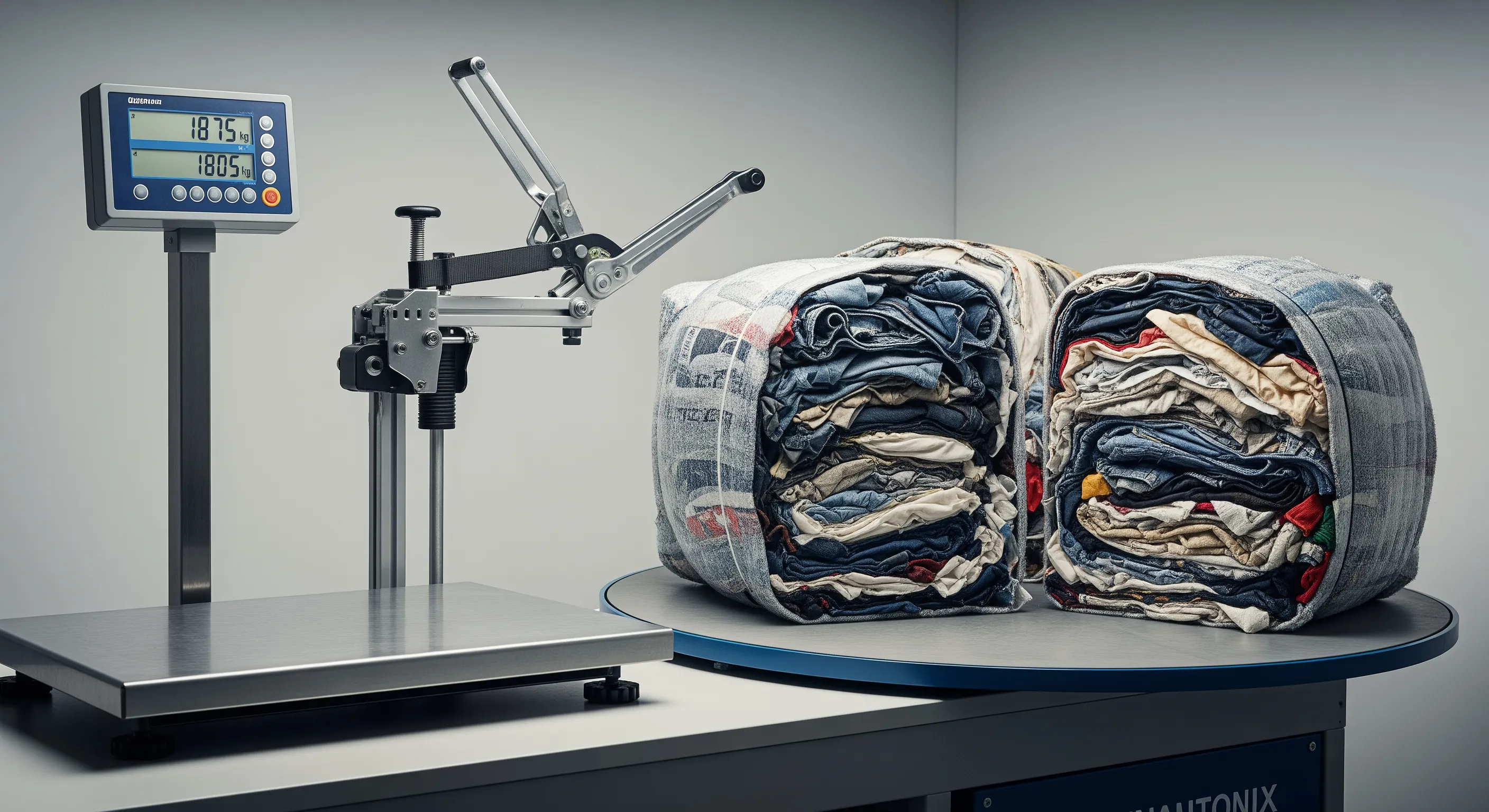
Pro tip: Establish strong relationships with suppliers to ensure a consistent flow of quality inventory.
Evaluating Bulk Secondhand Clothing Deals
When assessing bulk deals, buyers should consider several factors. The first is the cost per unit, where understanding market prices and negotiating effectively can lead to better margins. It’s also crucial to examine the return policy and warranty options offered by suppliers to mitigate potential losses from unsold inventory or quality issues.
Additionally, inspecting the condition of bales and the diversity of offerings can surface opportunities for specialized local markets. This insight enables you to adjust your purchasing strategy accordingly, ensuring you capitalize on trends while minimizing risks associated with unsold products.
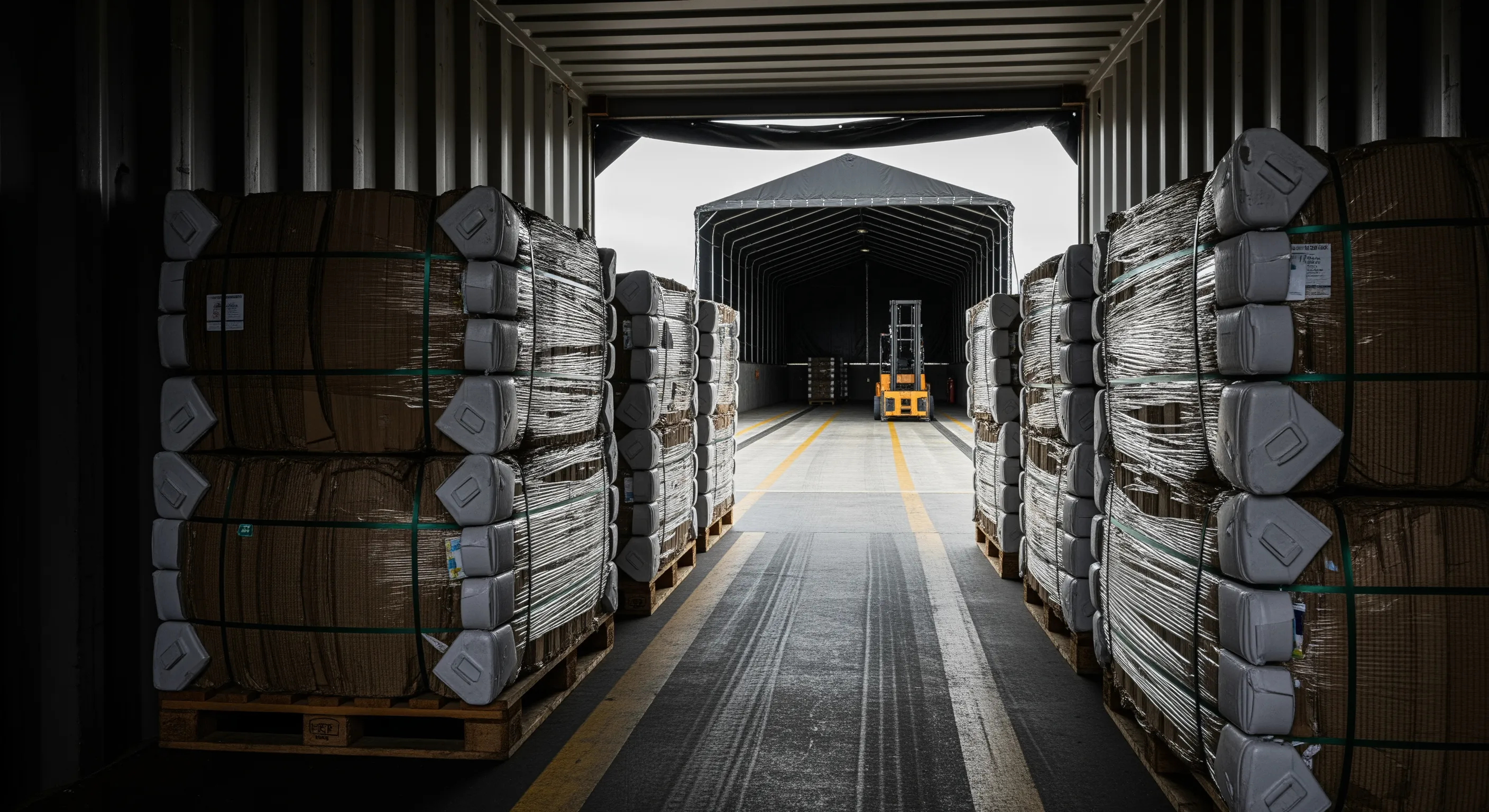
Pro tip: Always request a sample before committing to large orders to verify quality and suitability.
Navigating Used Clothing Grading Systems
Understanding the grading system for used clothing is vital for ensuring that your bulk purchases meet customer expectations. Suppliers typically grade clothing based on quality levels—ranging from high-end items suitable for resale to lower-tier items meant for recycling or repurposing.
A clear understanding of these grades allows trade buyers to establish more effective inventory management strategies. Buyers should also inquire about the grading criteria used by suppliers to ensure they are aligned with their own quality standards.
Pro tip: Document the grading standards agreed upon with suppliers to avoid disputes down the road.
Understanding Logistics and Supply Chain
Efficient logistics is a crucial aspect of managing a successful clothing wholesale operation. Familiarity with shipping timelines, container capacities, and customs regulations can save time and costs. Trade buyers should work closely with suppliers who offer transparency in their logistics processes.
Utilizing technology and software can facilitate better tracking of shipments, thereby minimizing delays and enhancing customer satisfaction. Evaluating the complete supply chain—from origin to destination—allows businesses to identify potential pitfalls and adjust operations accordingly.
Pro tip: Establish clear communication lines with logistics partners to ensure timely handling of shipments.
Assessing Risk in B2B Clothing Export
Risk management is essential in B2B clothing export, especially given the variability in market conditions and regulatory frameworks. Understanding potential risks—including damage during transit and fluctuating demand—is crucial for maintaining operations.
Implementing prudent inventory policies and insurance can safeguard against losses. Establishing terms with suppliers regarding responsibility for damaged goods can also mitigate risks effectively.
| Risk | Cause | Mitigation |
|---|---|---|
| Transit Damage | Poor handling or packaging | Use reliable carriers and quality packaging solutions |
| Market Fluctuation | Changing consumer preferences | Conduct market research to adapt inventory |
| Regulatory Changes | New tariffs or import restrictions | Stay informed on regulations affecting imports |
| Quality Control Issues | Supplier inconsistencies | Source from reputable suppliers with solid feedback |
Pro tip: Regularly review supplier performance and shipping partners to identify areas for improvement.
Optimising Sourcing Strategies for Secondhand Clothing
To maximize profitability, businesses should employ strategic sourcing methods tailored to the secondhand clothing market. This may include diversification of supplier sources or exploring niche markets. Regular analysis of sales data can inform better purchasing decisions and help anticipate market trends.
Additionally, leveraging digital tools for sourcing can enhance efficiency. Online platforms may provide access to a broader range of suppliers, thus increasing options for trade buyers.
Pro tip: Invest in data analytics to refine purchasing strategies and forecast market demands.
Unlock Cost Savings and Inventory Variety with Trusted UK Bulk Clothing Sourcing

For trade buyers who need consistent bulk supply and clear grading expectations, explore Original Secondhand at originalsecondhand.com. If you’d like a quick recommendation on the best fit for your business model, volumes, and export requirements, contact the team here: Contact Us.
Frequently Asked Questions
What factors should I consider when buying used clothing in bulk?
Consider volume requirements, grading systems, and logistics. Understanding these aspects helps in making informed purchasing decisions.
How can I ensure quality in my bulk purchases?
Request samples and clarify grading standards with suppliers to ensure the quality of the clothing meets your expectations.
What are some common risks in B2B clothing export?
Common risks include transit damage, market fluctuations, and regulatory changes which can impact your supply chain.
How can I optimize my sourcing strategies?
Use data analytics and explore various supplier sources to refine your purchasing strategies and stay ahead of market trends.