
Acquiring bulk second hand shoes presents a unique opportunity for B2B buyers in the UK. The growing demand for sustainable products and affordability makes these shoes an attractive option for resellers, store owners, and exporters. Whether you are looking to enhance your inventory, respond to market trends, or tap into eco-conscious consumer preferences, knowing where to buy second hand shoes in bulk is essential for maximizing your business potential.
Table of Contents
- Understanding Cost Structures
- Best Sources for Bulk Shoes
- Grading Second-Hand Shoes
- Logistics and Shipment Process
- Risk Mitigation in Sourcing
- Best Practices for Reselling
Key Takeaways
| Aspect | Details |
|---|---|
| MOQs | Minimum Order Quantities can vary greatly; ensure you understand the supplier's terms to manage your inventory efficiently. |
| Grading Signals | Clearly defined grading systems help in predicting product quality and resale value. |
| Logistics Readiness | Confirm that the supplier can handle packing and shipping demands for timely delivery. |
| Margin Control | Calculate all costs involved to maintain healthy profit margins when reselling. |
Understanding Cost Structures
When looking to buy second hand shoes in bulk, understanding the cost structure is crucial. Factors such as supplier pricing, import duties, and shipping expenses can significantly impact your total costs. Having a transparent overview allows you to set competitive pricing for your resale.
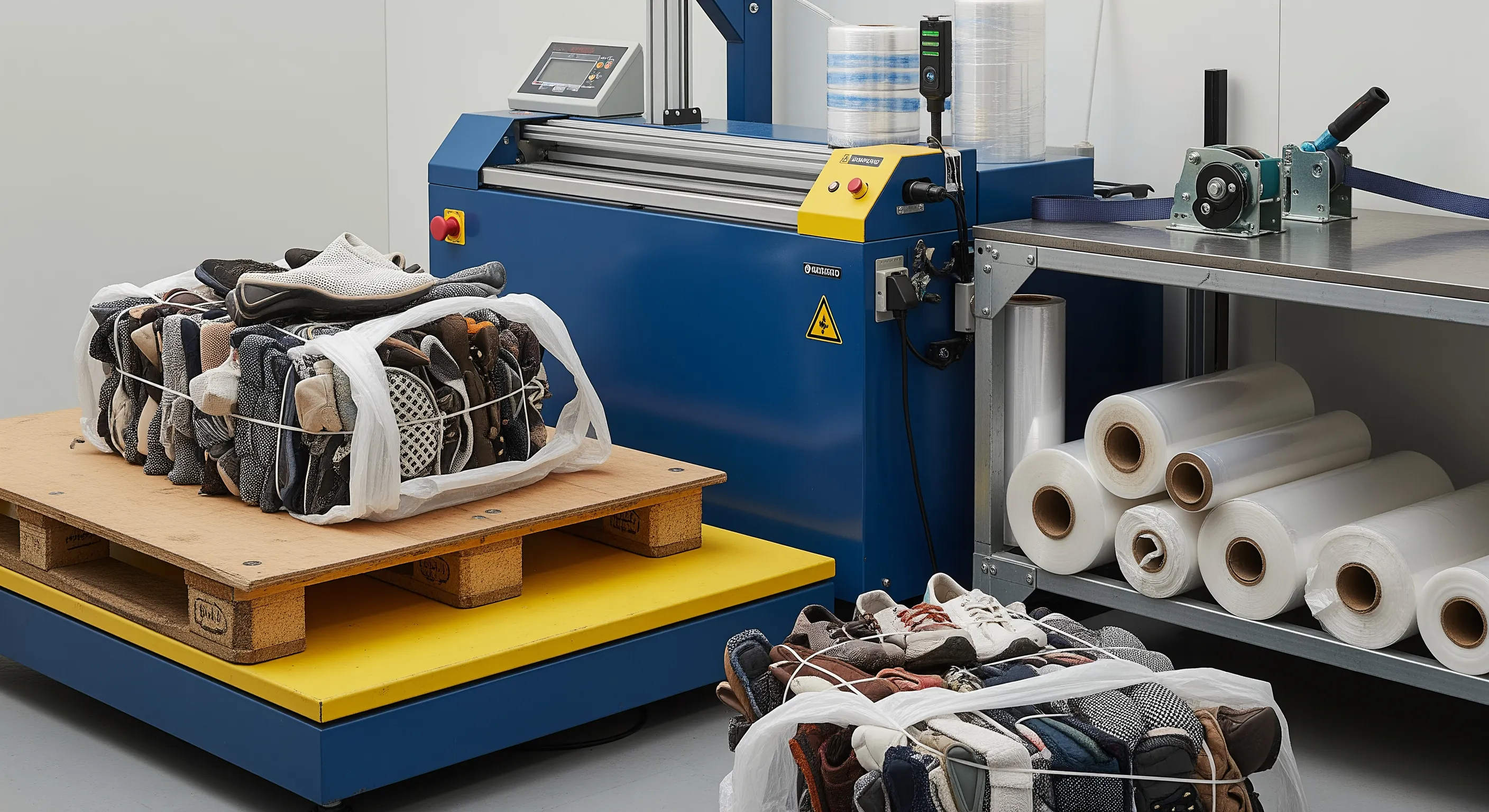
Additionally, consider operational expenditure such as warehousing, packaging, and handling costs. For example, a detailed cost analysis can help in negotiating better terms with suppliers. Utilize templates or spreadsheet tools to keep track of these costs and ensure there are no hidden fees that could affect your margins.
Pro tip: Regular cost audits can aid in identifying savings and enhancing your negotiation leverage with suppliers.
Best Sources for Bulk Shoes
Finding reliable sources for wholesale shoes often leads wholesalers to dedicated second hand shoe warehouses. These facilities typically offer a wide range of options, including mixed bales or sorted styles. Both options offer various benefits; mixed bales can provide diversity in inventory while sorted styles ensure quality and specific targeting for niche markets.
Consider reaching out to local suppliers as well as international exporters. Many companies specialize in bulk sales, and platforms that cater specifically to B2B relationships can prove advantageous. Joining industry-specific networks can also connect you with reputable counterparts.
Pro tip: Request samples before committing to large orders is an effective way to assess quality and suitability.
Grading Second-Hand Shoes
Grading second-hand shoes involves assessing their condition, which is key to ensuring the quality expected by your customers. A comprehensive grading system typically includes categories such as 'AA', 'A', 'B', and 'C', each denoting different levels of wear and quality. For trade buyers, understanding these categories is essential when determining resale pricing.
For instance, 'AA' shoes may be almost as good as new, while 'C' grade may require some refurbishment before resale. Clearly communicating the grading system to your buyers can enhance trust and potentially boost sales.
Pro tip: Maintain a return policy aligned with the grading expectations to mitigate quality concerns.
Logistics and Shipment Process
The logistics of buying second hand shoes in bulk entails coordinating shipping schedules, handling customs regulations, and ensuring timely delivery. Partner with logistics providers familiar with bulk goods transport to streamline the process. Proper documentation and clear communication channels can facilitate smooth transactions.
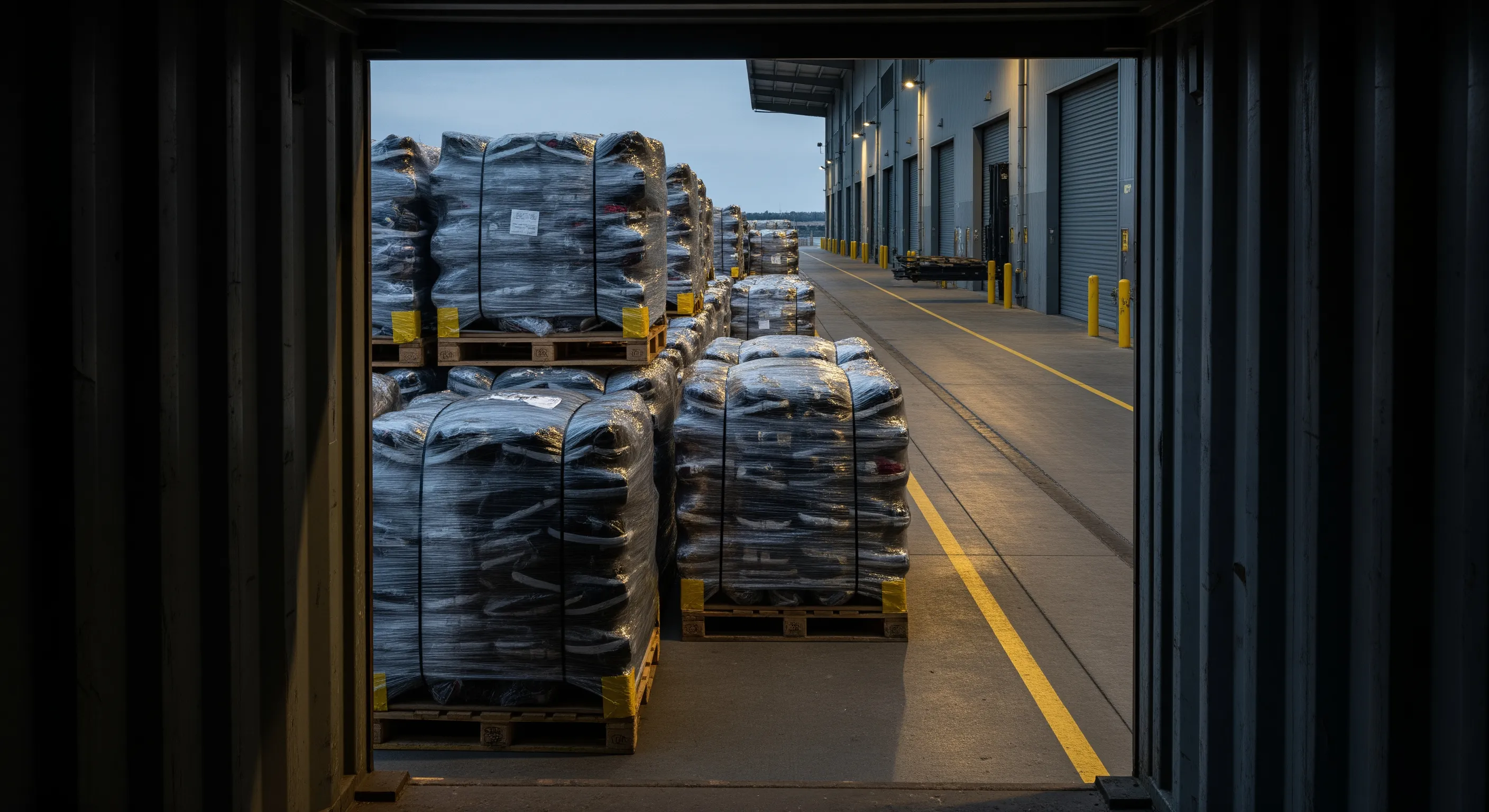
Also, consider the packing methods employed to ensure goods arrive undamaged. Collaborating with your suppliers to adopt efficient packing practices is crucial, especially when working with mixed bales.
Pro tip: Establish a logistics checklist to ensure every aspect of shipping is covered, reducing the chances of delays.
Risk Mitigation in Sourcing
In any B2B transaction, risk management is vital. Issues such as product quality, delivery delays, and supplier reliability can all pose challenges. To mitigate these risks, establish strong relationships with suppliers through consistent communication and regular updates on order status.
Implementing a diversified supplier strategy can also reduce dependency risks. This allows you to quickly adapt to changes in the supply chain without significant disruptions.
| Practical Risk | Cause | Mitigation |
|---|---|---|
| Quality Issues | Inconsistent grading standards | Regular quality audits of shipments |
| Delivery Delays | Customs or supplier issues | Buffer stocks to cushion against delays |
| Supplier Reliability | Lack of communication | Establish routine check-ins |
| Market Demand Fluctuations | Seasonal variations | Diverse inventory to match trends |
Pro tip: Regularly review and adjust your risk management strategy to keep up with market changes.
Best Practices for Reselling
Once you have sourced your second-hand shoes, focusing on effective resale strategies is imperative. Optimize your online presence by listing products on multiple platforms. Local marketplaces, online stores, and social media can expand your reach and tap into different customer segments.
Additionally, consider providing detailed information and high-quality images for each product. Transparency in your product descriptions helps in building trust with your buyers, leading to repeat business.
Pro tip: Building a customer loyalty program can incentivize repeat purchases while enhancing brand reputation.
Unlock Cost Savings and Inventory Variety with Trusted UK Bulk Clothing Sourcing

For trade buyers who need consistent bulk supply and clear grading expectations, explore Original Secondhand at originalsecondhand.com. If you’d like a quick recommendation on the best fit for your business model, volumes, and export requirements, contact the team here: Contact Us.
Frequently Asked Questions
What is the typical lead time for bulk orders?
Lead times can vary significantly based on the supplier and shipping logistics, but typically range from 2 to 6 weeks.
How do I ensure quality in the shoes I buy?
Establish clear grading expectations and request samples for assessment.
Can I export second-hand shoes internationally?
Yes, but ensure compliance with local regulations and customs of the destination country.
What is the return policy for bulk orders?
Return policies differ by supplier; always confirm this before finalizing your purchase.