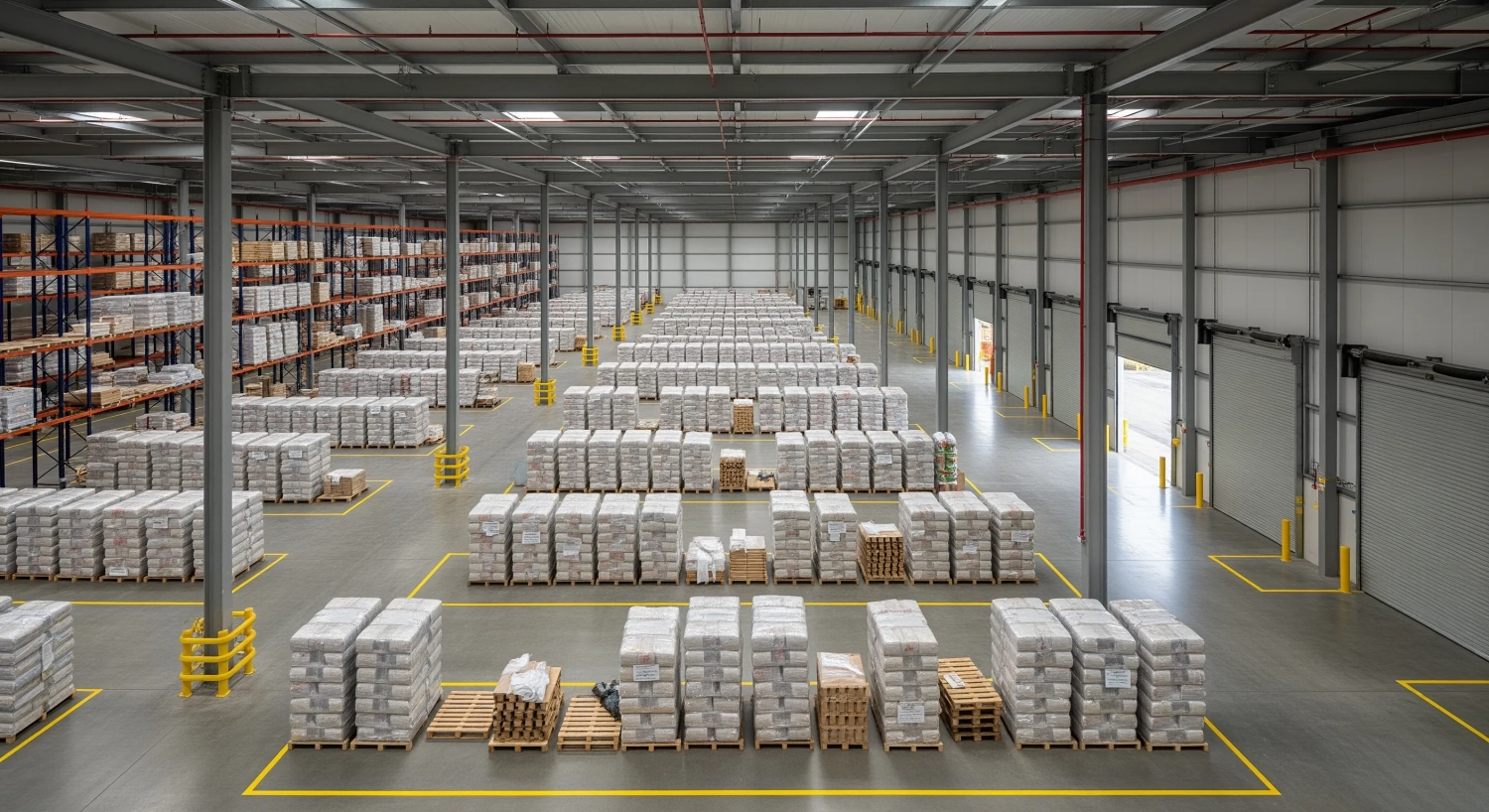
Finding wholesale used clothing bales near you can significantly enhance your inventory for resale or export. As a B2B buyer, sourcing high-quality secondhand clothing is crucial for maintaining competitive pricing and meeting diverse market demands. At Original Secondhand, we provide tailored solutions to ensure that trade buyers receive the best used clothing bales, suitable for various business models. Our efficient logistics and clear grading expectations help streamline your procurement process, reducing the hassle of sourcing from multiple suppliers.
Table of Contents
- Understanding Wholesale Used Clothing Bales
- Benefits of Sourcing Locally
- Grading and Quality Assurance
- Exploring Container Options for Exports
- Optimizing Your Supply Chain
- Partnering for Success in the Wholesale Market
Key Takeaways
| Key Factor | Considerations |
|---|---|
| Volume Requirements | Understand minimum order quantities for bulk purchasing. |
| Grading Signals | Know the grading system (A, B, C) for quality expectations. |
| Logistic Readiness | Ensure that suppliers provide shipping-ready products. |
| Risk Control | Implement claims processes to address any discrepancies. |
Understanding Wholesale Used Clothing Bales
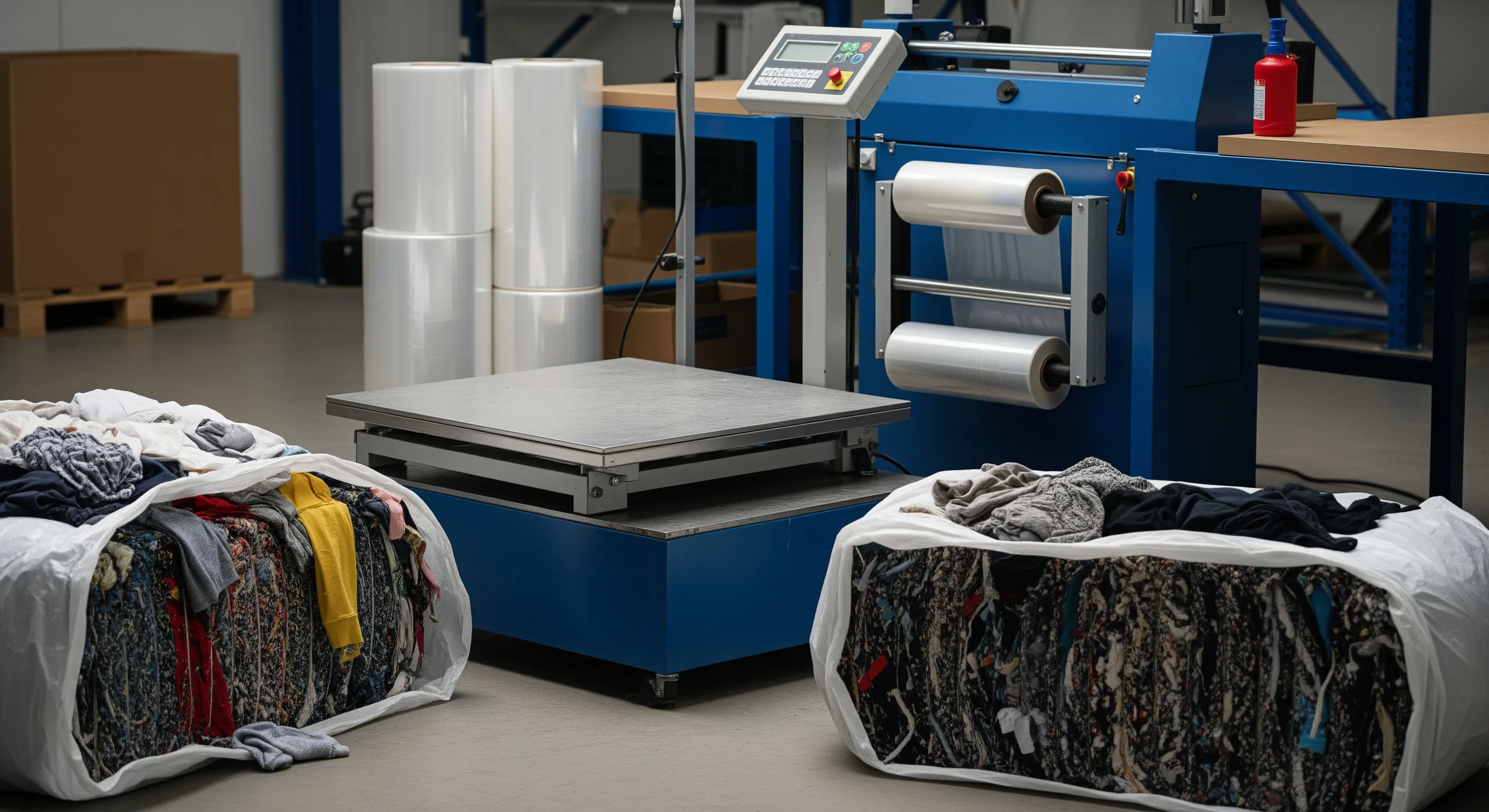
Wholesale used clothing bales are crucial for businesses aiming to resell secondhand apparel efficiently. These bales typically contain sorted clothing from various sources, packed and prepared for distribution. Understanding how these bales are structured can assist buyers to determine what will fit their business needs best.
The consistent quality and diverse assortment found in used clothing bales allow wholesalers to cater their offerings to market demands effectively. Buyers should assess which types of clothing bales would work best for their target consumer base.
Pro tip: Always inquire about the content breakdown of any bulk deal to ensure it aligns with your sales strategy.
Benefits of Sourcing Locally
Sourcing wholesale used clothing bales locally can provide a range of advantages, particularly for businesses based in the UK. Reduced shipping times and lower transportation costs can enhance the overall profitability for companies by maintaining tighter control over logistics.
Additionally, local sourcing often opens up opportunities for stronger relationships with suppliers. This can lead to more favorable terms, improved communication, and a better understanding of your business’s specific requirements.
Pro tip: Establish on-going relationships with multiple local suppliers to secure the best pricing and availability.
Grading and Quality Assurance
Understanding clothing grading is essential for ensuring that the bales you receive meet your quality standards. Typically, grading involves categorizing clothing into different levels, such as Grade A, B, and C, based on condition, brand, and other criteria.
Ensure that your suppliers provide transparent grading and quality assurance practices. This information can be a deciding factor in your procurement strategy, as it can impact both customer satisfaction and profit margins.
Pro tip: Request samples or detailed grading reports before placing larger orders to mitigate risks associated with quality discrepancies.
Exploring Container Options for Exports
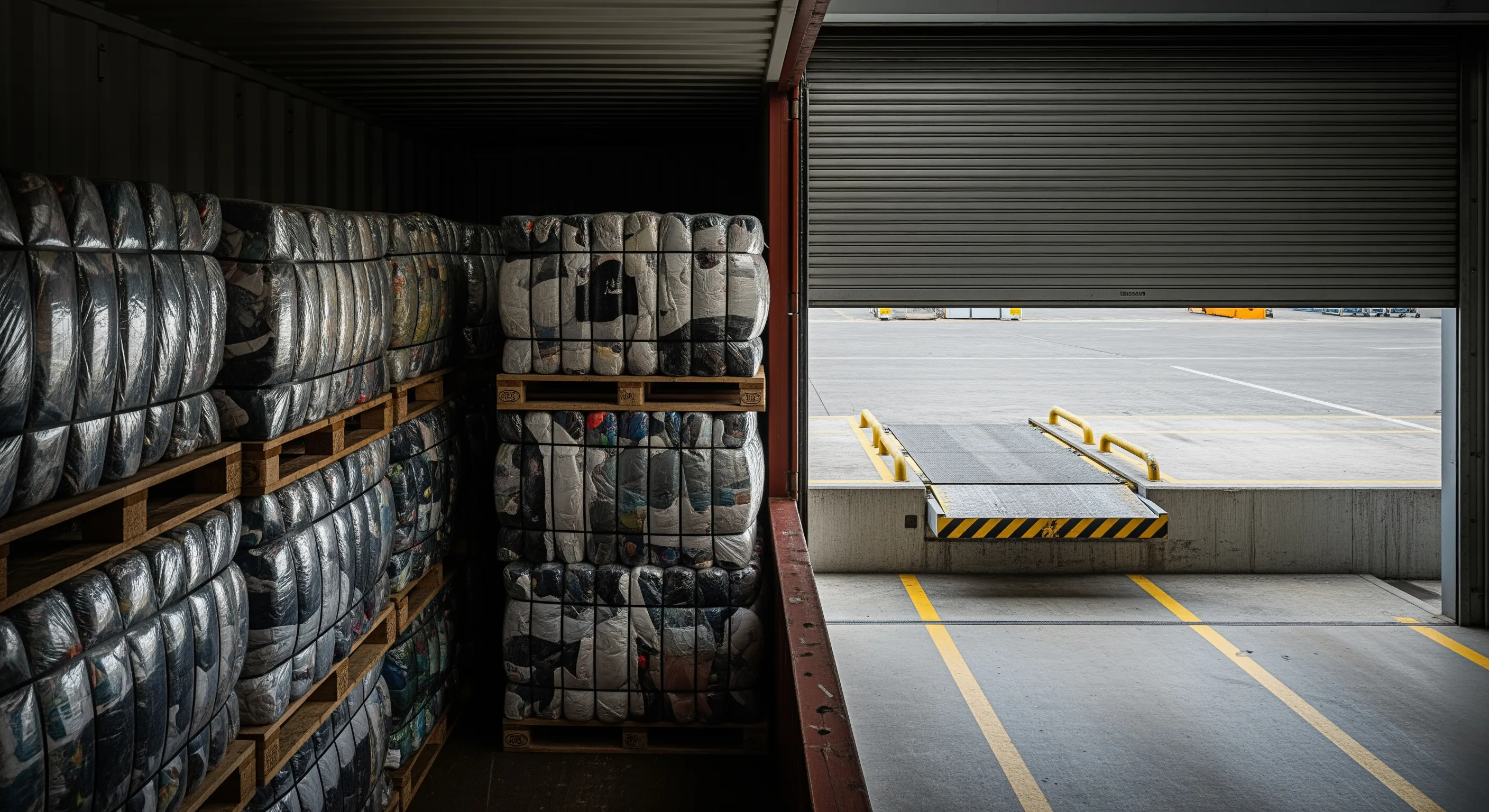
If you plan to export your wholesale used clothing bales, understanding the various shipping container options available is critical. Different container sizes and types can affect your shipping costs and overall logistics.
Standard containers, such as 20ft and 40ft options, are typically used for large shipments, while smaller businesses might consider less-than-container-load (LCL) shipping. Understanding these options allows buyers to select the most cost-effective shipping methods.
Pro tip: Work closely with logistics providers to determine the best container type based on your shipment volume and destination.
Optimizing Your Supply Chain
Efficiency in your supply chain can directly affect your bottom line in the wholesale clothing industry. Proper inventory management, timely reordering, and clear communication with suppliers are all key factors that can lead to operational success.
Adopting technology solutions for inventory tracking can streamline this process, allowing business owners to make better data-driven decisions and react promptly to market shifts.
Pro tip: Regularly review your supply chain performance metrics to identify areas needing improvement.
Partnering for Success in the Wholesale Market
Establishing the right partnerships in the wholesale market can significantly impact your business’s growth trajectory. Working with reputable suppliers who understand your needs can lead to a more sustainable and profitable partnership.
Consider joining industry networks or forums, which can provide valuable insights and connections that can bolster your business operations.
Pro tip: Leverage trade shows and exhibitions to create and nurture relationships with potential partners.
Unlock Cost Savings and Inventory Variety with Trusted UK Bulk Clothing Sourcing

For trade buyers who need consistent bulk supply and clear grading expectations, explore Original Secondhand at originalsecondhand.com. If you’d like a quick recommendation on the best fit for your business model, volumes, and export requirements, contact the team here: Contact Us.
Frequently Asked Questions
What are wholesale used clothing bales?
Wholesale used clothing bales are large packages of sorted secondhand clothing prepared for resale or export.
How do grading systems work?
Grading systems categorize clothing quality from A to C based on various factors, including condition and brand.
Why should I source locally?
Sourcing locally can reduce shipping costs, improve delivery times, and create better supplier relationships.
How can I ensure quality assurance in my purchases?
Request grading reports, samples, and maintain clear communication with your suppliers.