Effective Used Clothes Sorting Techniques
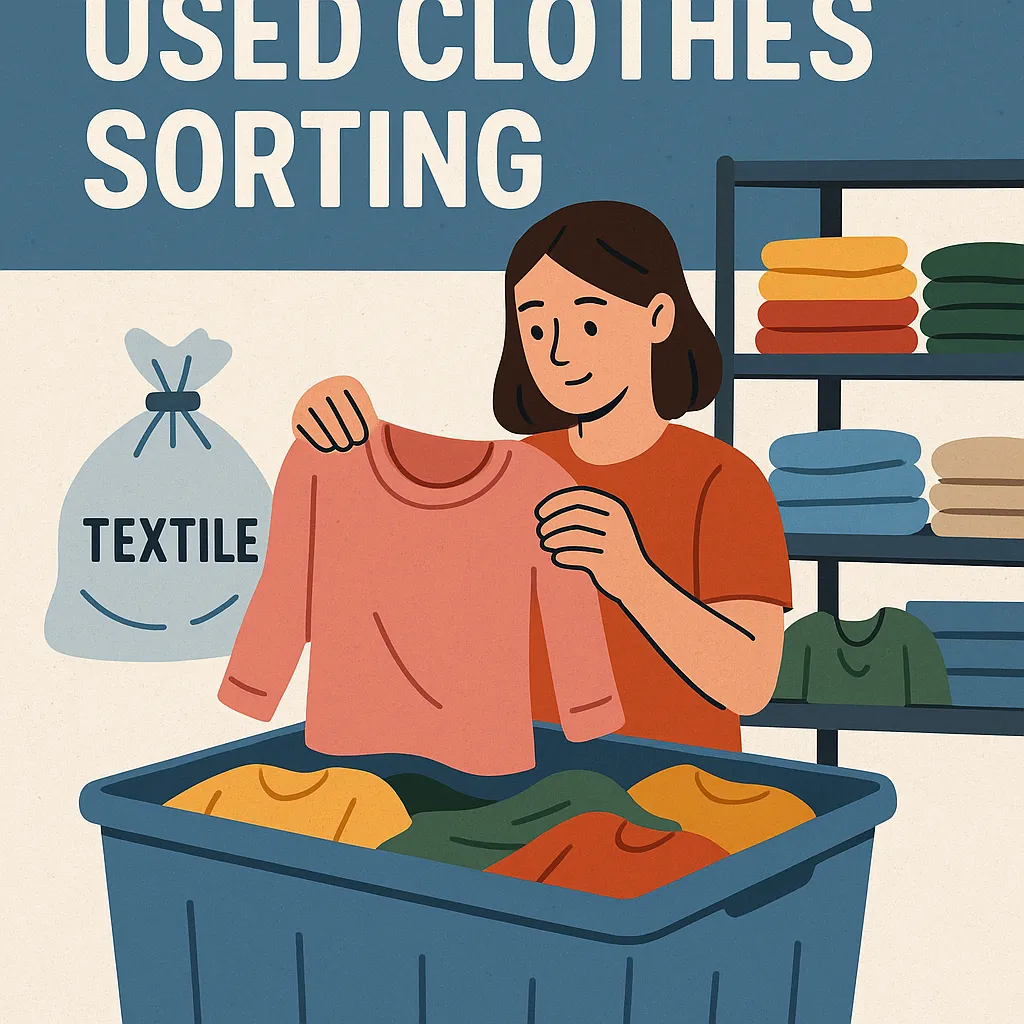
Used clothes sorting is an essential process for maximizing the value of secondhand clothing while promoting sustainable practices. The influx of used garments into the market has created a rich tapestry of opportunities for both consumers and retailers. This article will explore various methods and best practices for used clothes sorting, shedding light on the significance of proper categorization, assessment, and recycling. By mastering these techniques, businesses and individuals can contribute to environmental preservation while benefiting economically from the thriving secondhand clothing market.
Understanding the Importance of Used Clothes Sorting
Used clothes sorting is crucial for several reasons. Firstly, it helps in identifying clothing items that can be resold or donated, thereby extending the lifecycle of garments. This process significantly contributes to reducing waste, as clothing items that might have otherwise ended up in landfills are given a second chance. Additionally, effective sorting allows retailers and individuals to categorize clothes based on their condition, style, and brand, which can enhance the shopping experience. When items are sorted properly, it becomes easier to create a more organized inventory, ensuring that consumers can find what they are looking for quickly. Furthermore, sorting helps in identifying items that can be recycled or repurposed, which is essential for minimizing environmental impact. In a world increasingly focused on sustainability, used clothes sorting plays a vital role in fostering a circular economy, promoting responsible consumption, and encouraging everyone to think critically about their clothing choices.
Techniques for Effective Sorting
There are several techniques that can be employed for effective used clothes sorting. One of the most popular methods involves the "Four-Box" system, where items are categorized into four distinct boxes: Keep, Sell, Donate, and Recycle. This straightforward approach simplifies the sorting process and helps individuals make quick decisions about each item. Another technique is the "Seasonal Sorting" method, which involves sorting clothes based on the seasons they are appropriate for. This is particularly useful for retailers who want to optimize their inventory according to seasonal trends. Additionally, using a checklist can help ensure that all relevant factors are considered during the sorting process, such as fabric type, condition, and market demand. Lastly, involving a team can speed up the sorting process, as different perspectives can help make more informed decisions regarding the value and potential of each item. By implementing these techniques, individuals and businesses can streamline their sorting processes, making them more efficient and effective.
Evaluating the Condition of Used Clothes
Evaluating the condition of used clothes is a critical step in the sorting process. When assessing garments, it’s important to look for signs of wear and tear, such as stains, fading, and structural damage like broken zippers or loose seams. Items in excellent condition can be resold at higher prices, while those that show signs of significant wear may be better suited for donation or recycling. Additionally, it's essential to consider the fabric type, as some materials hold their value better than others. For example, high-quality fabrics such as silk or wool may still be resalable even if they show minor wear. To ensure an effective evaluation process, it can be helpful to create a standardized grading system that categorizes items into grades based on their condition. This grading system can aid in making informed decisions about pricing, selling, or recycling each garment, ultimately maximizing the value derived from used clothes sorting.
The Role of Technology in Clothes Sorting
Technology plays an increasingly vital role in the process of used clothes sorting. Innovations such as artificial intelligence (AI) and machine learning can significantly enhance the accuracy and efficiency of sorting operations. For instance, AI-driven image recognition technology can quickly analyze photos of clothing and categorize them based on style, color, and condition. This not only speeds up the sorting process but also reduces human error, allowing for more precise evaluations. Additionally, inventory management systems can help track sorted items, making it easier for retailers to manage their stock and optimize sales strategies. Moreover, online platforms have emerged, enabling sellers to list their sorted clothing items directly to consumers, thereby eliminating the need for physical store space and expanding their reach. By leveraging these technological advancements, businesses can streamline their sorting processes and improve overall productivity, thereby enhancing their competitiveness in the secondhand clothing market.
Best Practices for Sustainable Clothes Sorting
Adopting best practices for sustainable clothes sorting is essential for minimizing environmental impact and promoting responsible consumption. One of the core principles is to prioritize quality over quantity. Sorting should focus on preserving high-quality items that can be resold or donated rather than simply processing large volumes of clothing. Additionally, it’s important to educate consumers about the importance of sustainable fashion and the benefits of secondhand shopping. Providing clear information on how to care for and maintain used garments can also extend their lifecycle. Another best practice is to collaborate with local charities and recycling programs to ensure that items not suitable for resale are disposed of responsibly. This not only helps the environment but also supports community initiatives. Lastly, regular training for staff involved in sorting can enhance their skills and knowledge, ensuring they are well-equipped to make informed decisions about each item. By embedding these best practices into the sorting process, businesses can cultivate a more sustainable and ethical approach to used clothes sorting.
Creating a Sorting Space
Creating an efficient sorting space is fundamental to the success of used clothes sorting operations. The space should be organized and well-lit, allowing for easy visibility of items. Designate specific areas for each category identified in the sorting process, such as keep, sell, donate, and recycle. This organization not only streamlines the sorting process but also helps prevent confusion and mixed items. Additionally, having the necessary tools and supplies readily available, such as bins, hangers, and tags, can facilitate a more effective sorting operation. Consider implementing a workflow that minimizes movement; for example, ensuring that sorting areas are adjacent to the receiving area for incoming donations. Incorporating ergonomic practices is also crucial to maintain the well-being of staff involved in sorting, as the physical demands of the job can be significant. By investing time and resources into creating a well-structured sorting space, businesses can enhance efficiency and productivity in their used clothes sorting efforts.
Community Engagement in Sorting Initiatives
Community engagement plays a pivotal role in successful used clothes sorting initiatives. By involving local residents in sorting events, businesses can foster a sense of ownership and responsibility toward sustainable practices. Organizing community sorting days can also be a fun and educational experience, providing participants with insights into the importance of recycling and secondhand shopping. Collaborating with schools, local organizations, and environmental groups can further enhance outreach and participation. Additionally, by creating social media campaigns that highlight sorting efforts, businesses can raise awareness and encourage more individuals to contribute their used items. This engagement not only helps in the sorting process but also builds a community around sustainable fashion practices. The collective effort of a community can lead to more significant impacts, making used clothes sorting a shared responsibility that benefits everyone involved.
Conclusion: The Future of Used Clothes Sorting
The future of used clothes sorting looks promising, driven by a growing awareness of environmental issues and the need for sustainable practices. As more consumers shift toward ethical shopping habits, the demand for well-sorted secondhand clothing will continue to rise. Innovations in technology will further streamline the sorting process, making it easier for businesses to manage inventory and connect with consumers. Additionally, the emphasis on community engagement will strengthen local initiatives, promoting responsible consumption and fostering a sense of community around sustainable fashion. As we move forward, embracing the principles of effective used clothes sorting will not only benefit individual businesses but will also contribute to a larger movement toward sustainability and ethical fashion. By prioritizing sorting practices, we can collectively make a significant impact on reducing clothing waste and promoting a circular economy.
FAQ
What is used clothes sorting?
Used clothes sorting involves categorizing secondhand clothing items based on their condition, style, and potential for resale, donation, or recycling. This systematic approach helps maximize the value of used garments and promotes sustainability by reducing waste. Proper sorting allows retailers and individuals to make informed decisions about each item, ensuring that high-quality pieces are preserved for resale while damaged items can be recycled responsibly. Effective sorting is crucial for maintaining an organized inventory and enhancing the shopping experience for consumers, ultimately contributing to a more sustainable fashion industry.
Why is used clothes sorting important?
Used clothes sorting is vital for multiple reasons, including waste reduction, responsible consumption, and enhanced market value of secondhand items. By sorting garments, individuals and retailers can identify items that can be resold or donated, extending their lifecycle and minimizing environmental impact. Additionally, effective sorting helps create a more organized inventory, improving the shopping experience for consumers. In today's environmentally conscious society, used clothes sorting plays a crucial role in fostering a circular economy, encouraging sustainable fashion practices that benefit both the planet and the economy.
How can I improve my used clothes sorting process?
Improving your used clothes sorting process can be achieved through various techniques, such as implementing a standardized grading system for assessing garment condition, utilizing the "Four-Box" sorting method, and incorporating technology like AI for efficient categorization. Creating a well-organized sorting space with designated areas for each category ensures a streamlined workflow. Additionally, involving a team in the sorting process can expedite decision-making and enhance accuracy. Regular training and community engagement can also enrich the sorting experience, promoting awareness of sustainable practices and the value of secondhand clothing.
What technology can assist with clothes sorting?
Technology plays a significant role in enhancing the efficiency of clothes sorting. AI-driven image recognition software can assist in quickly categorizing clothing items based on their characteristics, such as style, color, and condition. Inventory management systems can help track sorted items, optimizing stock management and sales strategies. Additionally, online platforms can facilitate direct sales of sorted clothing to consumers, broadening market reach. By leveraging these technological advancements, businesses can streamline their sorting processes, improve accuracy, and enhance productivity in the secondhand clothing market.
What are the best practices for sustainable clothes sorting?
Best practices for sustainable clothes sorting include prioritizing quality over quantity, educating consumers about sustainable fashion, collaborating with local charities, and ensuring responsible disposal of unsellable items. Regular staff training and promoting community engagement can also enhance the sorting process. By adopting these practices, businesses can cultivate a more ethical and sustainable approach to used clothes sorting, contributing positively to both the environment and the community. Fostering awareness of the importance of responsible consumption is crucial in promoting a circular economy and reducing clothing waste.
How can I get involved in community sorting initiatives?
Getting involved in community sorting initiatives can be done by participating in local sorting events organized by businesses or nonprofits focused on sustainable fashion. You can also volunteer with organizations that facilitate clothing donation drives or recycling programs. Engaging with your community through social media platforms can help raise awareness about the importance of secondhand shopping and recycling. By collaborating with schools, local organizations, and environmental groups, you can strengthen outreach and participation in sorting initiatives, ultimately promoting responsible consumption and fostering a sense of community around sustainable fashion practices.
Ready to Join the Sustainable Fashion Revolution?
Discover how our wholesale secondhand clothing can transform your business while supporting environmental sustainability.