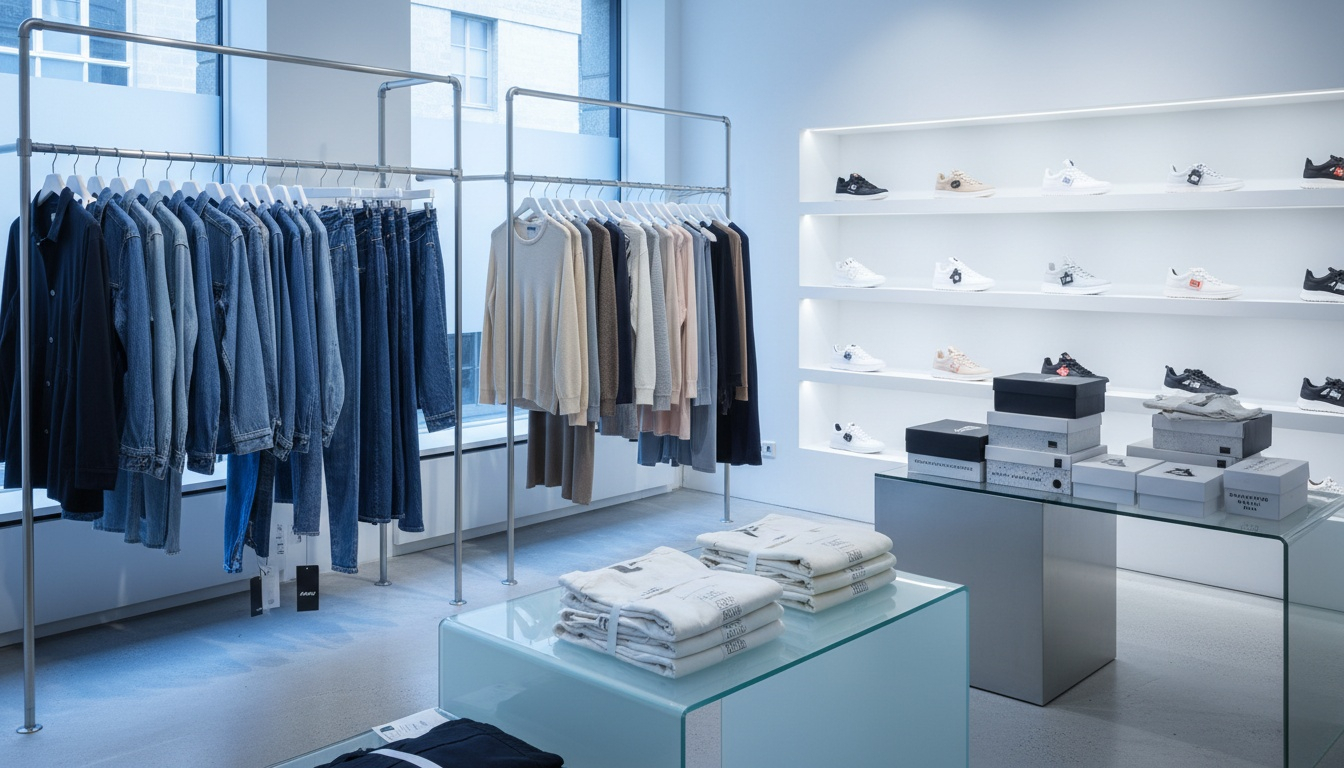
In a rapidly evolving market, the demand for second-hand clothes wholesale is not just about meeting consumer desires for sustainable fashion. It's also about creating business opportunities that align with ethical sourcing and premium stock offerings. As the global trade of secondhand clothing continues to grow, businesses are seeking reliable suppliers who can offer quality, authenticity, and social impact.
Table of Contents
- The Growing Demand for Second-Hand Clothing
- D2D vs Container: Understanding Your Options
- The Business of Branded Stock
- Shoes as a Strategic Investment
- Social Impact and Ethical Sourcing
- Navigating the Second-Hand Market in Europe
Key Takeaways
| Insight | Business Impact |
|---|---|
| Growing demand for ethical fashion | Increased market opportunities for sustainable businesses |
| D2D sourcing offers premium quality | Higher margins and customer satisfaction |
| Branded stock enhances credibility | Attracts a broader range of buyers |
| Social impact boosts brand loyalty | Creates a competitive edge in the market |
The Growing Demand for Second-Hand Clothing
The global second-hand clothing market is witnessing unprecedented growth. According to recent studies, the wholesale trade was valued at over 4.9 billion dollars in 2024, with an estimated 24.2 billion individual items of apparel exported from developed countries. This surge is driven by a combination of economic and environmental factors, as businesses and consumers alike seek sustainable alternatives to fast fashion.
The growing awareness of the environmental impact of clothing production has propelled second-hand clothing into the spotlight. As a business, capitalising on this trend requires understanding market dynamics and offering products that meet both ethical and economic criteria. Original Secondhand is positioned to meet this demand by providing high-quality, ethically sourced stock that ensures both profitability and social responsibility.
Case insight: The demand for second-hand clothing is not a fleeting trend but a significant shift towards sustainable business practices.D2D vs Container: Understanding Your Options
When it comes to sourcing second-hand clothes, choosing between D2D (Door-to-Door) and container options is crucial for determining the quality and type of stock you will receive. Original D2D involves hand-collection from premium homes, ensuring that the clothing is often of higher quality and condition, offering greater potential for resale value. This option is particularly appealing for businesses looking to maintain a premium stock offering.
On the other hand, containers involve raw charity bin stock, which may require more sorting but can offer a larger volume at a lower cost. Each method has its advantages, and the choice largely depends on your business model and target market. Understanding these options allows businesses to tailor their inventory to meet specific market demands effectively.
Sourcing tip: Opt for D2D collections to enhance your premium stock with higher quality items.The Business of Branded Stock
Branded stock, particularly items that are new with tags from popular brands like Zara, Nike, and Tommy Hilfiger, offers a unique proposition in the second-hand clothing market. These items not only promise quality but also provide the allure of designer labels at reduced prices, attracting a wide range of buyers.
For wholesalers, offering branded stock is a strategic move that can significantly enhance credibility and attract more discerning clients. It provides an opportunity to tap into the growing market of consumers looking for affordable luxury. By integrating branded stock into your offerings, businesses can diversify their inventory, increase their appeal, and improve profit margins.
Margin builder: Incorporate branded stock to elevate your market position and attract a diverse clientele.Shoes as a Strategic Investment
Footwear is often overlooked in the second-hand market, yet it presents a lucrative opportunity for wholesalers. Original Shoes from Original Secondhand provide a range of options that include everything from casual footwear to high-end designer pieces. The demand for second-hand shoes is buoyed by the same sustainability trends driving clothing sales.
Investing in a solid range of shoes can set your business apart, offering customers a comprehensive selection that meets both everyday needs and unique fashion desires. With the right mix, shoes can deliver high turnover rates and strong profit margins, making them an essential component of any second-hand clothing business strategy.
Partnership note: Including shoes in your product range can significantly boost sales and enhance your brand's reputation.Social Impact and Ethical Sourcing
Beyond the commercial benefits, engaging in second-hand clothes wholesale offers a chance to contribute to broader social impacts. Original Secondhand is dedicated to ensuring that a portion of its revenue supports children's centres in Lviv, Chisinau, and Warsaw, making every purchase a contribution to a greater cause.
This model not only aligns with growing consumer expectations for ethical business practices but also enhances brand loyalty among buyers who value social impact. By choosing to source ethically, businesses can position themselves as leaders in sustainability and social responsibility, attracting like-minded partners and clients.
Impact note: Ethical sourcing enhances brand loyalty and positions your business as a leader in sustainable practices.Navigating the Second-Hand Market in Europe
Operating in the European second-hand clothing market requires an understanding of diverse regulations and consumer preferences across countries. With a presence in over 15 countries, Original Secondhand offers insights into navigating these complexities. It is essential to comply with varying standards and practices to ensure smooth operations and customer satisfaction.
Moreover, businesses must be aware of the legal implications of second-hand trading. Recent findings highlight that nearly half of second-hand online traders may not fully comply with EU consumer law. Staying informed and compliant not only protects your business but also builds trust with your clients.
Quality check: Ensure compliance with local laws to maintain trust and integrity in your business operations.FAQ
What is the difference between D2D and container sourcing?
D2D sourcing involves hand-collection from premium homes, offering higher quality items, while container sourcing involves bulk collection from charity bins, offering larger volumes at lower costs.
Why is branded stock important in second-hand wholesale?
Branded stock enhances credibility, attracts a diverse range of buyers, and offers the allure of designer labels at reduced prices, thus improving profit margins.
How does Original Secondhand contribute to social impact?
Original Secondhand donates a portion of its revenue to children's centres in Lviv, Chisinau, and Warsaw, aligning business practices with ethical and social responsibilities.
What are the key considerations for operating in the European market?
Key considerations include understanding diverse regulations, consumer preferences, and ensuring compliance with local laws to maintain business integrity and customer trust.