Explore Second Hand Clothes for Wholesale Options
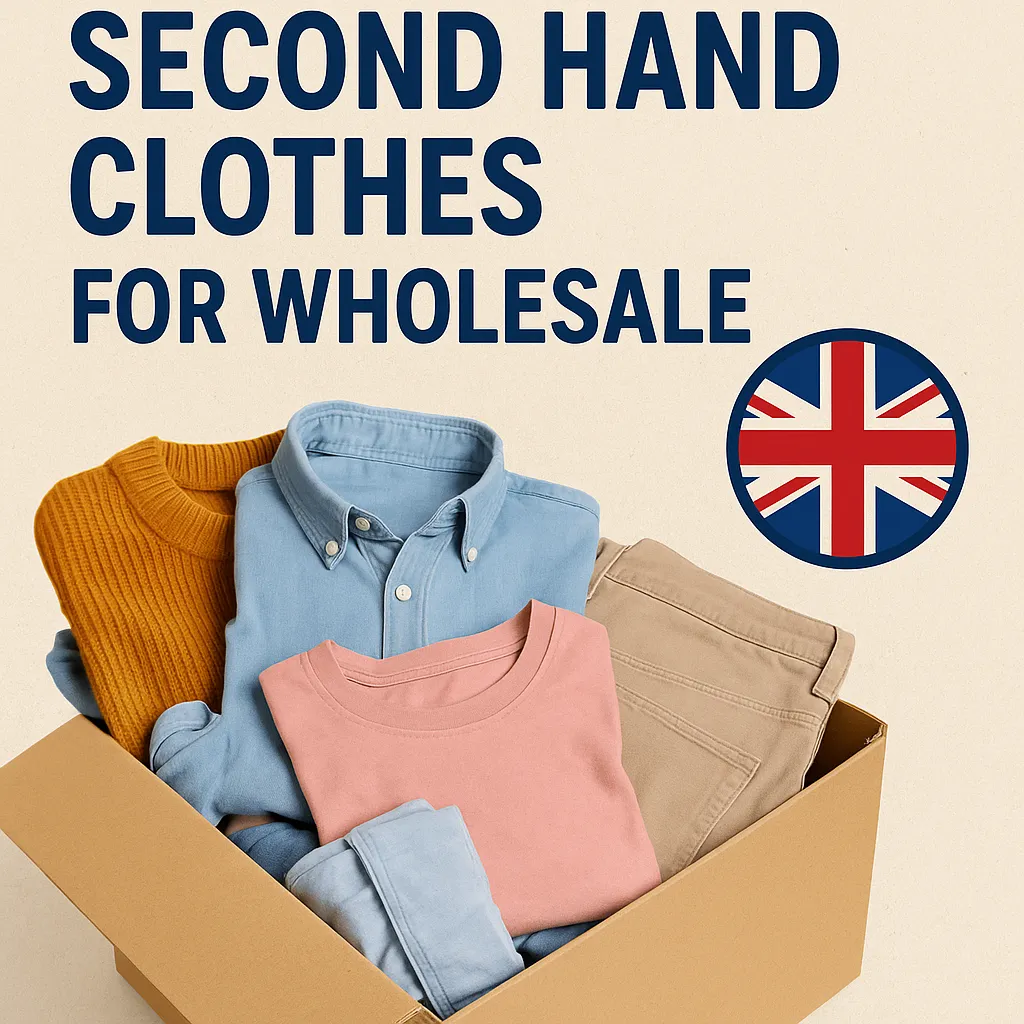
Second hand clothes for wholesale offer an incredible opportunity for retailers and entrepreneurs looking to tap into the booming sustainable fashion market. As consumers become increasingly aware of the environmental impact of fast fashion, the demand for quality second hand garments has surged. This presents a unique niche for businesses aiming to provide a more eco-friendly option to their customers. By sourcing second hand clothes in bulk, retailers can not only meet this growing demand but also contribute to a more sustainable future. In this article, we will explore the various aspects of purchasing second hand clothing for wholesale, including benefits, sourcing options, and tips for successful resale.
Benefits of Sourcing Second Hand Clothes for Wholesale
One of the primary advantages of sourcing second hand clothes for wholesale is the significant cost savings compared to purchasing brand new items. Retailers can acquire high-quality, gently used garments at a fraction of the price, allowing for better profit margins. Additionally, offering second hand clothing not only aligns with consumer preferences for sustainability but also differentiates a business in a crowded retail market. It allows retailers to tap into a unique customer base that values ecological responsibility and is willing to pay for quality pre-owned items. This approach not only promotes a sustainable shopping experience but also enhances brand loyalty, as customers appreciate businesses that support environmental initiatives. Furthermore, sourcing second hand clothing can lead to a diverse inventory, providing customers a wide variety of styles and options that can make a store stand out.
Understanding the Market Demand for Pre-Owned Garments
The market demand for pre-owned garments has grown exponentially over recent years, driven by a shift in consumer attitudes towards sustainability and ethical fashion. Many shoppers are now actively seeking out second hand options, often viewing them as more unique and fashionable than new items. This trend is particularly strong among younger generations who prioritize eco-consciousness and individuality in their purchasing decisions. Retailers who capitalize on this trend by offering second hand clothes for wholesale can attract a loyal customer base that values both style and sustainability. Moreover, this growing demand means that businesses can often sell second hand inventory at competitive prices, making it an appealing avenue for generating revenue. Understanding this shift in consumer behavior is critical for retailers aiming to make the most out of the second hand clothing market.
Sourcing Strategies for Second Hand Wholesale Clothing
When it comes to sourcing second hand clothes for wholesale, there are several effective strategies that retailers can utilize. One common approach is to partner with established wholesalers who specialize in second hand garments. These wholesalers often have extensive networks and can provide a steady supply of quality clothing at competitive prices. Additionally, retailers can explore local thrift stores, charity shops, and garage sales, which often sell bulk items at low prices. Another option is to attend trade shows and clothing swaps, where connections can be made with other vendors and suppliers. Online marketplaces also present a viable avenue for sourcing second hand clothing, where retailers can find bulk listings from various sellers. By diversifying sourcing strategies, businesses can ensure a steady inventory and maintain a unique selection for their customers.
Marketing Your Second Hand Clothing Business
Marketing a second hand clothing business effectively is crucial to attracting customers and establishing a strong brand presence. Digital marketing strategies, such as leveraging social media platforms, can significantly enhance visibility and engagement. Creating visually appealing content that showcases the unique styles and quality of pre-owned garments can draw in potential buyers. Collaborating with influencers or eco-conscious bloggers to promote the brand can also increase reach and credibility. In addition, hosting events or pop-up shops can create buzz and foster a community around sustainable fashion. It's essential to communicate the benefits of purchasing second hand clothing, such as reducing waste and supporting ethical practices, to resonate with target audiences. By utilizing a mix of traditional and digital marketing strategies, retailers can successfully promote their second hand clothing offerings and drive sales.
Common Misconceptions About Second Hand Clothing
Despite the growing popularity of second hand clothing, several misconceptions persist that may deter potential customers. One common myth is that pre-owned garments are of lower quality compared to new items. In reality, many second hand clothes are gently used or even unworn, offering the same quality as new pieces at a fraction of the cost. Another misconception is that second hand shopping is time-consuming or difficult. With the rise of online thrift stores and curated second hand marketplaces, finding quality garments has become easier than ever. Additionally, some consumers may believe that second hand clothing lacks variety or style. However, the truth is that the second hand market offers an eclectic mix of styles, making it an ideal space for those looking for unique pieces to express their individuality. Addressing these misconceptions is essential for retailers aiming to educate their customers and promote the benefits of purchasing second hand clothing.
Environmental Impact of Choosing Second Hand Clothing
Choosing second hand clothing has a significant positive impact on the environment, contributing to the reduction of waste and the conservation of resources. The fashion industry is one of the largest polluters globally, with fast fashion contributing to excessive waste and carbon emissions. By opting for second hand garments, consumers can extend the lifecycle of clothing, reducing the need for new production and minimizing landfill waste. Furthermore, the production of new clothing requires substantial natural resources, including water and energy. By purchasing pre-owned items, consumers effectively lower their carbon footprint and promote sustainable practices within the fashion industry. Retailers that emphasize the environmental benefits of buying second hand clothing can appeal to eco-conscious consumers and position themselves as advocates for sustainability in fashion.
Building a Community Around Sustainable Fashion
Building a community around sustainable fashion is essential for promoting second hand clothing and fostering a culture of eco-consciousness. Retailers can engage their customers through various initiatives, such as organizing workshops on sustainable living, hosting clothing swaps, or partnering with local organizations focused on environmental awareness. By creating a platform for discussion and collaboration, businesses can strengthen their brand loyalty and encourage customers to share their experiences with sustainable fashion. Social media can play a vital role in building this community, as platforms like Instagram and Facebook allow for interaction and sharing of sustainable fashion tips and inspiration. By cultivating a supportive community, retailers can enhance their mission of promoting second hand clothing and inspire others to join the movement toward a more sustainable future.
Tips for Successful Reselling of Second Hand Clothing
Successfully reselling second hand clothing requires a combination of quality sourcing, effective marketing, and excellent customer service. First and foremost, ensuring that the garments are clean, well-presented, and in good condition is crucial for attracting buyers. Investing in professional photography can help showcase the quality and appeal of the items. Additionally, clear and detailed descriptions can enhance the online shopping experience, allowing customers to make informed decisions. Establishing a strong online presence through an e-commerce website or social media platforms is vital for reaching a wider audience. Engaging with customers through personalized communication and responsive service can foster loyalty and repeat business. Lastly, keeping up with current fashion trends and consumer preferences can help retailers curate a selection that resonates with their target audience, making their second hand clothing offerings more appealing and competitive.
Understanding Pricing Strategies for Second Hand Clothes
Setting the right pricing strategy for second hand clothes is essential for ensuring profitability while remaining competitive in the market. Retailers should conduct thorough research to understand the market value of similar items, considering factors such as brand, condition, and demand. A common approach is to price items based on their original retail value, applying a discount that reflects their second hand status. However, factors such as brand reputation and rarity can justify higher prices for certain items. Implementing a tiered pricing strategy can also be effective, offering discounts for bulk purchases or seasonal sales to encourage customer engagement. By carefully analyzing the market and adjusting pricing strategies accordingly, retailers can maximize profits while providing fair value to their customers.
Leveraging Technology in the Second Hand Market
In today’s digital age, leveraging technology is vital for success in the second hand clothing market. E-commerce platforms enable retailers to reach a global audience, while mobile applications can enhance user experience through convenient browsing and purchasing options. Integrating advanced technologies, such as artificial intelligence, can help streamline inventory management and personalize customer experiences based on browsing behavior. Social media platforms remain powerful tools for marketing and engagement, allowing retailers to showcase their offerings and connect with consumers. Furthermore, utilizing data analytics can provide valuable insights into customer preferences and market trends, empowering retailers to make informed decisions. By embracing technology, businesses can enhance operational efficiency and create a seamless shopping experience for their customers.
FAQ
What are the benefits of purchasing second hand clothes for wholesale?
Purchasing second hand clothes for wholesale offers several benefits, including significant cost savings compared to new garments, access to a unique inventory, and alignment with sustainable practices. Retailers can attract eco-conscious consumers who prioritize environmental responsibility while also enhancing profit margins. By sourcing quality used clothing, businesses can provide diverse styles and options that appeal to a wide customer base, ultimately positioning themselves favorably in a competitive market.
How can I source second hand clothes for wholesale?
Sourcing second hand clothes for wholesale can be accomplished through various methods, including partnering with specialized wholesalers, exploring local thrift stores, and utilizing online marketplaces. Attending trade shows and clothing swaps can also help retailers make connections with suppliers and find unique inventory. Diversifying sourcing strategies ensures a steady supply of quality garments and helps maintain an appealing selection for customers.
What are some effective marketing strategies for second hand clothing?
Effective marketing strategies for second hand clothing include leveraging social media to showcase unique styles, collaborating with influencers to expand reach, and hosting events to engage the community. Creating visually appealing content and sharing the environmental benefits of purchasing second hand items can resonate with target audiences. A mix of digital and traditional marketing approaches can help retailers successfully promote their offerings and drive sales.
What misconceptions exist about second hand clothing?
Common misconceptions about second hand clothing include beliefs that pre-owned items are of lower quality, that shopping second hand is time-consuming, and that there is a lack of variety. In reality, many second hand garments are high-quality, and the rise of online thrift stores has made finding quality items easier than ever. Addressing these misconceptions can help retailers educate customers about the benefits of buying second hand clothing.
How does purchasing second hand clothing impact the environment?
Purchasing second hand clothing has a positive environmental impact by reducing waste, conserving resources, and lowering carbon emissions associated with new production. By extending the lifecycle of garments, consumers can significantly decrease their carbon footprint and promote sustainable practices within the fashion industry. Retailers that emphasize these benefits can attract eco-conscious consumers and position themselves as advocates for sustainability.
What are some tips for reselling second hand clothing successfully?
Successful reselling of second hand clothing requires quality sourcing, effective marketing, and excellent customer service. Ensuring garments are clean and well-presented, investing in professional photography, and providing detailed product descriptions can enhance the shopping experience. Establishing a strong online presence and engaging with customers through personalized communication can foster loyalty and repeat business, ultimately driving sales.
Ready to Join the Sustainable Fashion Revolution?
Discover how our wholesale secondhand clothing can transform your business while supporting environmental sustainability.