Explore Second Hand Clothes in Bulk for Your Needs
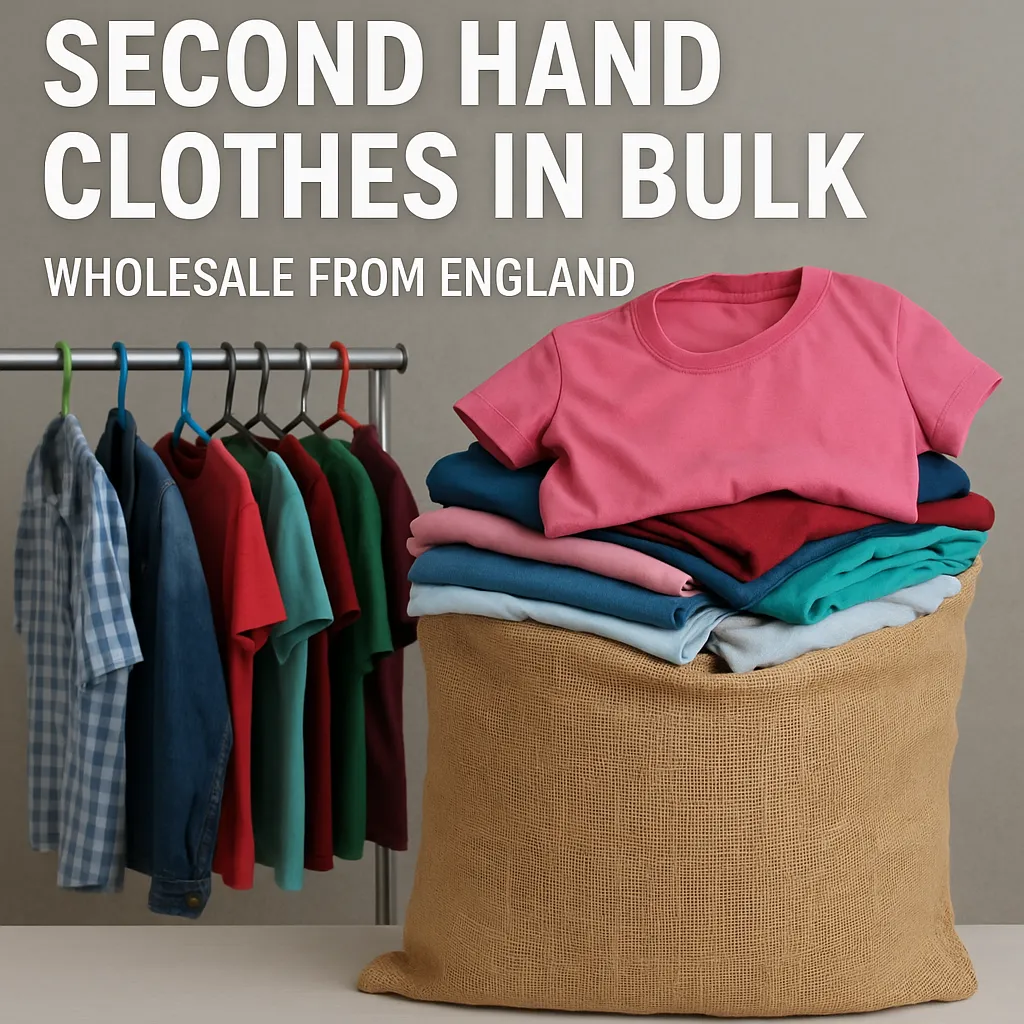
Second hand clothes in bulk have become a popular choice for both businesses and eco-conscious consumers looking to make sustainable fashion choices. The trend towards buying used clothing is not just a passing fad; it represents a shift in how we perceive fashion and its impact on the environment. By purchasing clothes in bulk, you not only save money but also contribute to a more sustainable economy. This practice allows retailers and individuals alike to access high-quality garments at a fraction of the cost, reducing waste while promoting a circular economy. As the demand for second-hand items continues to rise, understanding the intricacies of buying second hand clothes in bulk becomes essential for anyone looking to stay trendy without harming the planet.
Benefits of Buying Second Hand Clothes in Bulk
Purchasing second hand clothes in bulk offers numerous advantages that appeal to both businesses and individuals. Firstly, it significantly reduces costs compared to buying new clothing. Retailers can maintain a lower price point, making fashion accessible to a broader audience. This cost-effectiveness extends to individuals who want to refresh their wardrobe without breaking the bank. Secondly, bulk purchases often come with a wider variety of styles, sizes, and brands, allowing customers to curate unique collections that stand out in the market. Moreover, buying in bulk minimizes packaging waste, contributing to environmental sustainability. This practice also supports local charities and organizations that rely on donations, as many bulk suppliers source their inventory from such entities. By choosing second hand clothes in bulk, consumers actively participate in a movement toward sustainable fashion while enjoying substantial financial benefits.
How to Source Quality Second Hand Clothes in Bulk
Finding quality second hand clothes in bulk requires a strategic approach to ensure that the items meet your standards. Start by researching reputable suppliers who specialize in bulk second-hand clothing. Many wholesalers and distributors offer online platforms where you can browse their collections. It's essential to review their sourcing methods; reputable suppliers often have strong relationships with charities and recycling organizations, ensuring that the items are in good condition. Attend trade shows or local flea markets to discover local vendors and build relationships with them. Additionally, online marketplaces can be a valuable resource for finding quality bulk clothing. When evaluating potential purchases, pay attention to the condition of the garments, checking for wear and tear, and considering the types of items that will appeal to your target audience. By investing time and effort into sourcing, you can build a diverse and appealing inventory of second hand clothes.
Understanding Pricing and Profit Margins
When dealing with second hand clothes in bulk, understanding pricing and profit margins is crucial for businesses looking to thrive in this market. Typically, the cost of bulk clothing varies based on factors such as the supplier, quality, and quantity purchased. Establishing a fair markup is essential to remain competitive while also ensuring profitability. It's vital to analyze the market and determine what similar retailers charge for comparable items. This research allows you to set prices that attract customers while covering the costs incurred. Additionally, consider the potential for seasonal trends and how they might influence pricing. As certain styles come in and out of fashion, it may be necessary to adjust your pricing strategy accordingly. By maintaining a keen awareness of your costs, market dynamics, and consumer behavior, you can optimize your profit margins while providing value to your customers through affordable second hand clothing options.
Environmental Impact of Bulk Second Hand Clothing
The environmental impact of purchasing second hand clothes in bulk cannot be overstated. The fashion industry is known for its significant contribution to pollution and waste, making sustainable practices essential in mitigating these effects. When consumers choose second hand options, they help to reduce the demand for new garment production, which in turn lessens the environmental toll associated with manufacturing textiles. Bulk purchases further amplify this benefit by decreasing packaging waste and transportation emissions. Every piece of clothing reused is one less item that ends up in a landfill, contributing to a more sustainable future. Moreover, many bulk suppliers prioritize environmentally friendly practices, ensuring that their operations align with sustainability goals. By supporting the second hand clothing market, consumers play a vital role in fostering a healthier planet while enjoying the unique styles and quality that come with pre-owned garments.
Tips for Marketing Second Hand Clothes in Bulk
Marketing second hand clothes in bulk requires a unique approach to capture the attention of potential customers. Start by highlighting the sustainability aspect of your offerings; many consumers are increasingly motivated by eco-friendly choices. Use social media platforms to showcase your bulk inventory, utilizing appealing visuals and engaging storytelling to attract interest. Collaborate with influencers who advocate for sustainable fashion to reach a broader audience. Additionally, consider hosting pop-up events or participating in local markets to allow customers to experience the quality of your bulk clothing firsthand. Providing exclusive promotions or discounts for bulk purchases can also incentivize customers to buy more. Remember to engage with your audience, encouraging feedback and interaction to foster a sense of community around your brand. By employing these marketing strategies, you can effectively promote your second hand clothing offerings while championing sustainability in the fashion industry.
Conclusion
In conclusion, opting for second hand clothes in bulk not only benefits individual consumers and businesses but also plays a crucial role in promoting sustainable fashion practices. The myriad advantages, from cost savings to environmental impacts, create a compelling case for transitioning towards this model. As the second hand clothing market continues to expand, it becomes increasingly important for buyers to understand how to source quality items, price effectively, and market their offerings. By embracing these strategies, those involved in the bulk second hand clothing industry can thrive while contributing positively to the environment. If you're ready to dive into the world of bulk fashion, explore our selection of second hand clothes today and make a difference in your wardrobe and the planet.
FAQ
What are second hand clothes in bulk?
Second hand clothes in bulk are large quantities of pre-owned garments that can be purchased at a lower price compared to new items. This practice allows retailers and individuals to save money while promoting sustainable fashion choices. Buying in bulk often provides access to a wide range of styles and sizes, making it easier to create unique fashion collections or stock retail inventory. It also contributes to reducing waste, as it encourages the reuse of clothing rather than purchasing new garments that require additional resources.
How can I start buying second hand clothes in bulk?
To start buying second hand clothes in bulk, research reputable suppliers and wholesalers that specialize in pre-owned clothing. Look for suppliers that have solid relationships with charities and recycling organizations, as these often provide high-quality garments. You can also attend trade shows or visit local flea markets to connect with vendors. Once you identify potential suppliers, evaluate their offerings, ensuring the clothing meets your quality standards before making a purchase.
Are there any downsides to buying second hand clothes in bulk?
While buying second hand clothes in bulk offers many benefits, there are a few downsides to consider. The quality of the clothing can vary, and some items may require repairs or cleaning. Additionally, purchasing in bulk may lead to overstock if the items do not sell as anticipated, potentially resulting in wasted resources. It's important to conduct thorough research and assess market demand to mitigate these risks. Regularly updating your inventory and being mindful of consumer trends can help you maintain a successful bulk clothing business.
How do I ensure the quality of second hand clothes in bulk?
To ensure the quality of second hand clothes in bulk, always choose suppliers with a solid reputation for sourcing high-quality items. Request samples before making a large purchase to assess the condition of the clothing. Pay attention to the sourcing methods utilized by the supplier, as reputable ones often have strong ties to charities and organizations that donate quality garments. Inspect the bulk items upon arrival, checking for any signs of damage or excessive wear, and establish a clear return policy with your supplier in case the quality does not meet your expectations.
Can I sell second hand clothes in bulk for profit?
Yes, selling second hand clothes in bulk can be a profitable venture if approached strategically. By sourcing quality items at low prices and understanding your target market, you can create a sustainable business model. Analyze market trends and consumer preferences to determine what types of clothing are in demand. Setting competitive prices while ensuring quality can help you attract customers. Additionally, effective marketing and building a strong brand presence can contribute to the success of selling second hand clothes in bulk.
Ready to Join the Sustainable Fashion Revolution?
Discover how our wholesale secondhand clothing can transform your business while supporting environmental sustainability.