Explore Second Hand Clothes Wholesale for Your Business
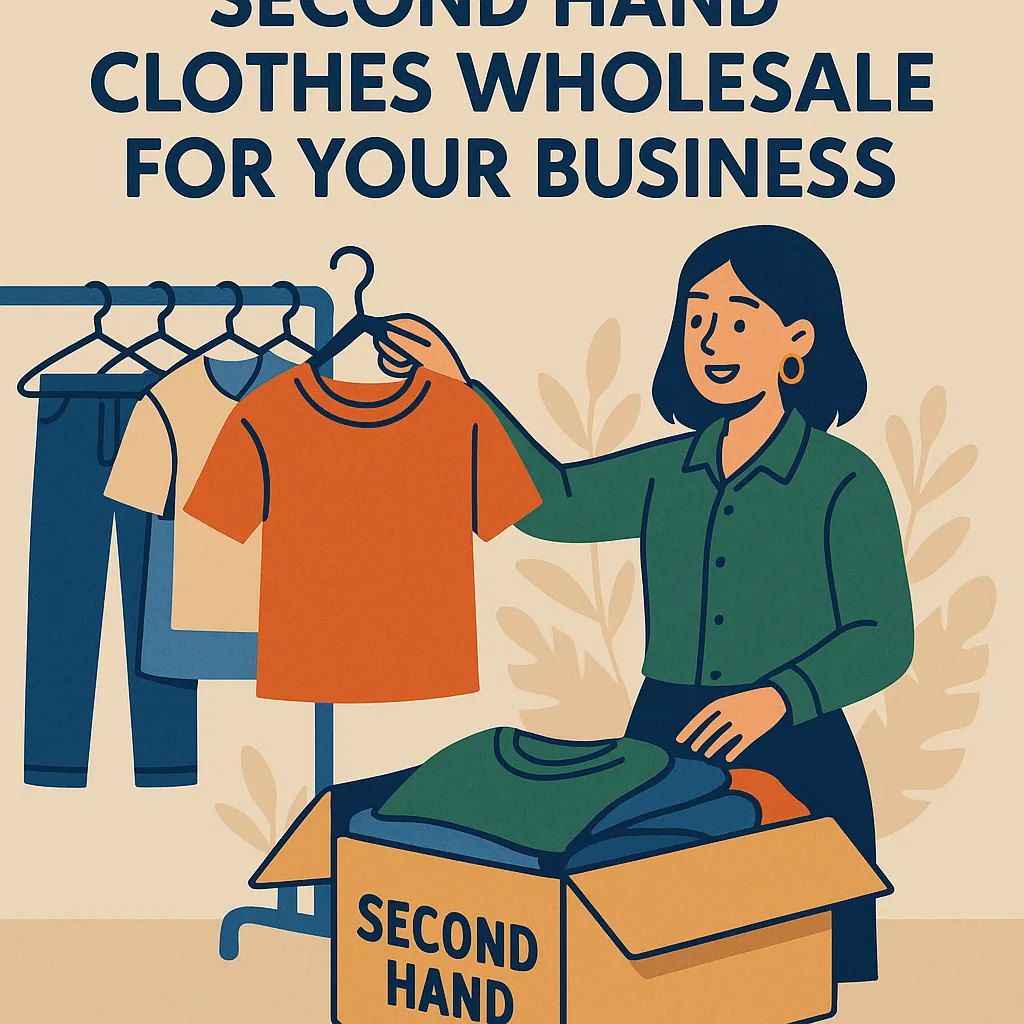
Second hand clothes wholesale offers a unique opportunity for businesses looking to diversify their product offerings while maintaining a sustainable approach. The market for pre-owned fashion is booming, with consumers increasingly seeking eco-friendly options. By sourcing second-hand clothing in bulk, retailers can provide trendy and affordable options that appeal to a broad audience. This not only enhances profitability but also aligns with the growing demand for sustainability in fashion. Whether you're a small boutique or a larger retailer, understanding the dynamics of second hand clothes wholesale can set you apart from your competitors.
Understanding the Second Hand Clothes Wholesale Market
The second hand clothes wholesale market has evolved significantly over the past decade. With the rise of thrift culture and environmental consciousness, more consumers are turning to used clothing as a viable alternative to fast fashion. Retailers can tap into this trend by sourcing quality second-hand items from various suppliers. This market encompasses a wide range of products, from vintage apparel to contemporary styles, making it essential for businesses to identify their niche. Sellers can find wholesale suppliers online, at trade shows, or through local networks. Understanding the quality of stock, pricing strategies, and target demographics is crucial for success in this competitive landscape.
Benefits of Sourcing Second Hand Clothes Wholesale
Sourcing second hand clothes wholesale offers numerous benefits that can significantly impact a retailer's bottom line. Firstly, the cost-effectiveness of purchasing used clothing in bulk allows businesses to maintain competitive pricing while ensuring healthy profit margins. Secondly, the unique and diverse nature of second-hand garments can attract a loyal customer base looking for one-of-a-kind pieces. Additionally, retailers contribute positively to the environment by promoting the reuse of clothing, thereby reducing waste and the demand for new production. This not only enhances brand reputation but also meets the growing consumer demand for sustainable practices in the fashion industry.
How to Choose the Right Wholesale Supplier
Selecting the right wholesale supplier for second hand clothes is a critical step in ensuring the success of your business. Factors to consider include the supplier's reputation, the quality of their inventory, and their compliance with ethical sourcing practices. It's advisable to request samples before committing to large orders, allowing you to assess the quality firsthand. Additionally, understanding the supplier's return policy and communication responsiveness is essential. Building a strong relationship with a trusted supplier can lead to better pricing, exclusive offers, and access to high-demand items, ultimately benefiting your business in the long run.
Marketing Strategies for Second Hand Clothes Wholesale
Implementing effective marketing strategies is essential for promoting your second hand clothes wholesale business. Leveraging social media platforms can significantly boost visibility and engagement with potential customers. Showcasing unique finds, styling tips, and customer testimonials can create a sense of community and encourage repeat purchases. Collaborating with influencers who align with your brand values can also expand your reach. Additionally, creating an informative blog that covers topics related to sustainable fashion and second-hand shopping can position your business as a thought leader in the industry, attracting more traffic to your website.
Challenges in the Second Hand Clothes Wholesale Business
While the second hand clothes wholesale business presents numerous opportunities, it also comes with its own set of challenges. One significant hurdle is the variability in stock quality. Unlike new garments, used clothing can vary widely in condition, which may affect sales if not managed properly. Therefore, retailers must develop a keen eye for quality assessment during the sourcing process. Additionally, competition in this market can be fierce, requiring businesses to differentiate themselves through branding and customer service. Adjusting to fluctuating consumer preferences and ensuring an effective supply chain can also pose challenges that retailers must navigate to thrive in this evolving market.
Future Trends in Second Hand Clothes Wholesale
The future of the second hand clothes wholesale market looks promising, with several trends shaping its growth. The increasing integration of technology, such as online marketplaces and apps, is making it simpler for consumers and retailers to connect. Furthermore, as sustainability continues to gain traction, businesses that embrace eco-friendly practices will likely see increased demand. The rise of rental services and subscription models may also influence how second-hand clothing is sourced and sold. Retailers who stay ahead of these trends by incorporating innovative ideas and adapting their business models accordingly will have a competitive edge in the marketplace.
Building a Brand Around Second Hand Clothes
Establishing a strong brand identity is crucial for any business, and this holds true for those in the second hand clothes wholesale market. Your brand should reflect values such as sustainability, quality, and uniqueness. Crafting a compelling narrative around your sourcing practices and the stories behind the garments can resonate with consumers. Engaging with your audience through transparency about your operations and actively participating in community initiatives can further enhance your brand's reputation. A well-defined brand strategy not only attracts customers but also fosters loyalty, encouraging them to choose your business over competitors.
Conclusion
In conclusion, second hand clothes wholesale presents a unique opportunity for retailers to meet the growing demand for sustainable fashion while enhancing their profitability. By understanding the market dynamics, sourcing quality products, and implementing effective marketing strategies, businesses can carve out a niche in this competitive landscape. Challenges may arise, but with careful planning and a commitment to brand building, retailers can thrive and contribute positively to the environment. As the market continues to evolve, staying adaptable and attuned to consumer preferences will be key to long-term success in the second hand clothing industry.
FAQ
What are the benefits of second hand clothes wholesale?
Second hand clothes wholesale provides businesses with cost-effective sourcing options, allowing retailers to maintain competitive pricing while maximizing profit margins. The unique variety of garments can attract a diverse customer base, including those seeking eco-friendly fashion choices. Additionally, purchasing used clothing contributes to sustainability efforts by reducing waste and extending the life cycle of garments. Retailers can also capitalize on the growing trend of thrift shopping, which resonates with environmentally conscious consumers. Overall, sourcing second-hand clothing can enhance brand reputation and customer loyalty, driving long-term growth.
How can I find reliable suppliers for second hand clothing?
Finding reliable suppliers for second hand clothing involves thorough research and networking within the industry. Start by attending trade shows or industry events where you can meet potential suppliers in person. Online platforms and marketplaces also provide access to a variety of wholesalers. It's crucial to evaluate each supplier's reputation, quality of inventory, and ethical sourcing practices. Requesting samples before making large purchases can help assess the clothing quality. Building relationships with trusted suppliers can lead to better deals and exclusive access to high-demand items.
What types of clothing can I source wholesale?
When sourcing second hand clothes wholesale, retailers can find a wide variety of clothing types, including vintage apparel, casual wear, formal attire, and accessories. The selection often includes items from various brands and eras, providing opportunities to cater to different customer demographics. It's essential to identify your target market and focus on sourcing items that align with their preferences. Additionally, niche markets, such as children's clothing or plus-size options, can also be lucrative. Understanding market trends and consumer demands will guide your sourcing decisions effectively.
How can I market my second hand clothes business?
Marketing your second hand clothes business effectively requires a multi-faceted approach. Utilize social media platforms to showcase your unique inventory, engage with customers, and build a community around your brand. Influencer collaborations can expand your reach and attract new customers. Additionally, creating informative content about sustainable fashion and styling tips can establish your business as an authority in the market. Email marketing campaigns, promotional events, and partnerships with local businesses can also enhance visibility and customer engagement. Consistent branding and messaging across all channels will reinforce your brand identity.
Are second hand clothes wholesale a sustainable choice?
Yes, second hand clothes wholesale is a highly sustainable choice for retailers. By reselling pre-owned garments, businesses contribute to reducing textile waste and the environmental impact of clothing production. The fashion industry is one of the largest contributors to pollution, and sourcing used clothing helps mitigate these effects. Consumers are increasingly seeking eco-friendly options, and offering second-hand clothing aligns with this demand. Retailers who prioritize sustainability not only enhance their brand reputation but also attract a growing market of environmentally conscious shoppers.
If you're ready to explore the world of second hand clothes wholesale, visit our website to discover our extensive offerings, including shoes and containers. Join the sustainable fashion movement today!
Disclaimer: The information provided in this article is for informational purposes only and should not be considered as professional advice. Always conduct your own research before entering the second hand clothing market.
Ready to Join the Sustainable Fashion Revolution?
Discover how our wholesale secondhand clothing can transform your business while supporting environmental sustainability.