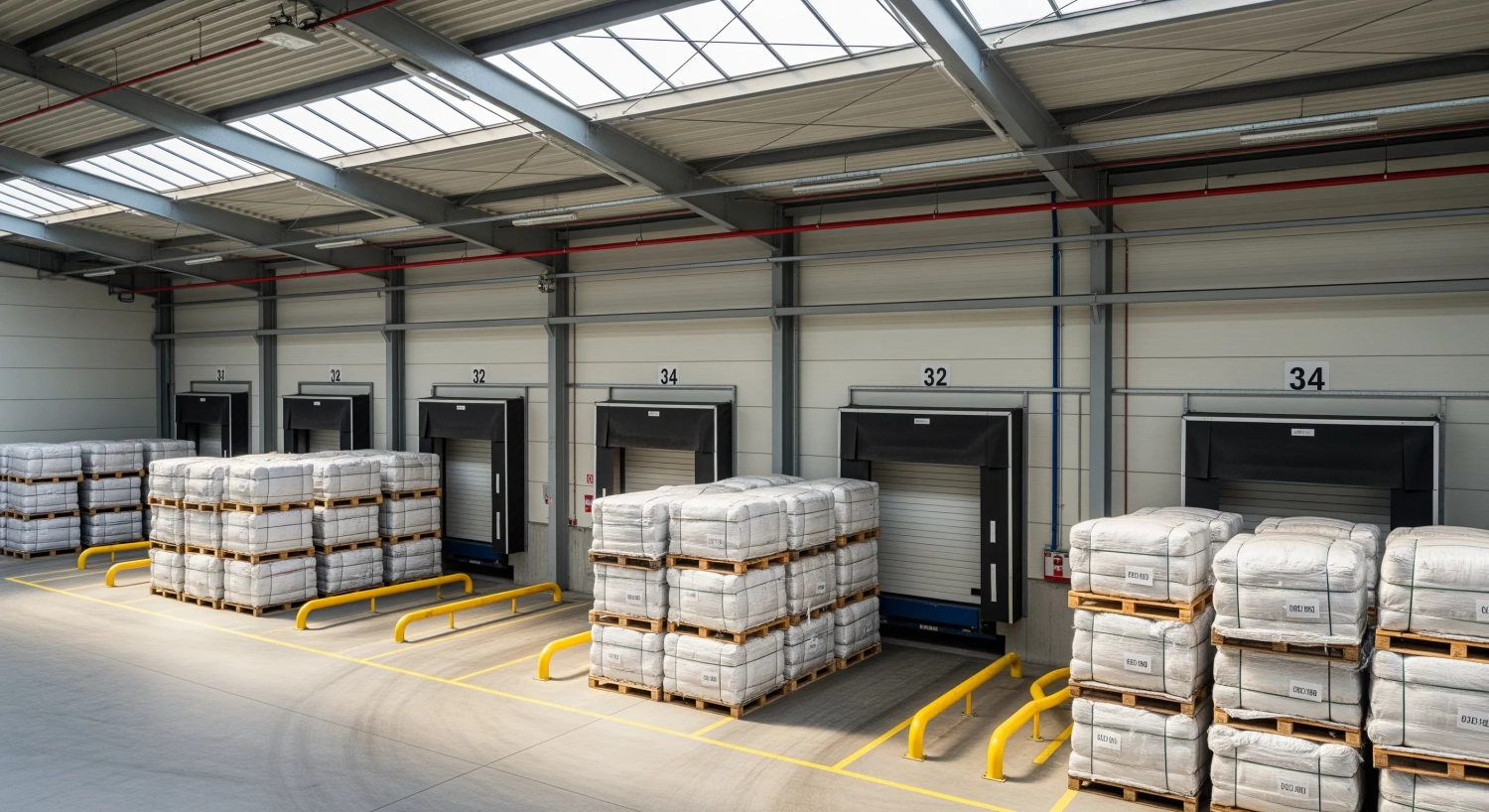
For UK businesses looking to expand their operations, tapping into the second-hand clothing wholesale market in Germany presents a promising opportunity. Germany's robust infrastructure, alongside an established network of suppliers, allows trade buyers to explore bulk purchasing options with ease. Whether you are a wholesaler, exporter, or marketplace seller, understanding the nuances of sourcing second-hand clothing in Germany can enhance your B2B transactions and contribute to a more sustainable fashion economy.
Table of Contents
- Understanding Enhanced Wholesale Factors
- Bulking Up Your Selection with Wholesale Bales
- Grading Systems and Their Importance
- Preparing for Export Logistics
- Managing Risks on Your Inventory
- Frequency and Reliability in Sourcing
Key Takeaways
| Aspect | Considerations |
|---|---|
| Minimum Order Quantity | Determine MOQ early to secure favorable pricing and inventory availability. |
| Grading Clarity | Ensure thorough understanding of grading standards to manage quality expectations. |
| Logistics Coordination | Work with reliable partners to streamline shipping and reduce delays. |
| Claims Control | Establish clear guidelines to handle product claims efficiently. |
Understanding Enhanced Wholesale Factors
The German second-hand clothing market offers valuable features for trade buyers. Its regulatory framework is conducive for international transactions, fostering transparency and reliability. Understanding local business practices, cultural nuances, and relationship-building can significantly enhance your sourcing experience in this region.
Additionally, many suppliers in Germany emphasize sustainability, aligning with global trends toward ethical consumerism. This emphasis can not only differentiate your inventory but resonate with an increasingly conscientious customer base.
Pro tip: Build relationships with suppliers to gain insights into their inventory rotations and special offerings.
Bulking Up Your Selection with Wholesale Bales
Wholesale bales are an efficient method for trade buyers looking to diversify their offerings. They tend to come in various sizes and styles, offering a considerable margin of flexibility. For buyers, understanding how to negotiate terms on these bales can lead to significant cost savings.
By evaluating samples before committing to bulk purchases, businesses can gauge quality and relevance to their market strategy. Many suppliers will allow for sample requests, which is an essential part of the buying process.
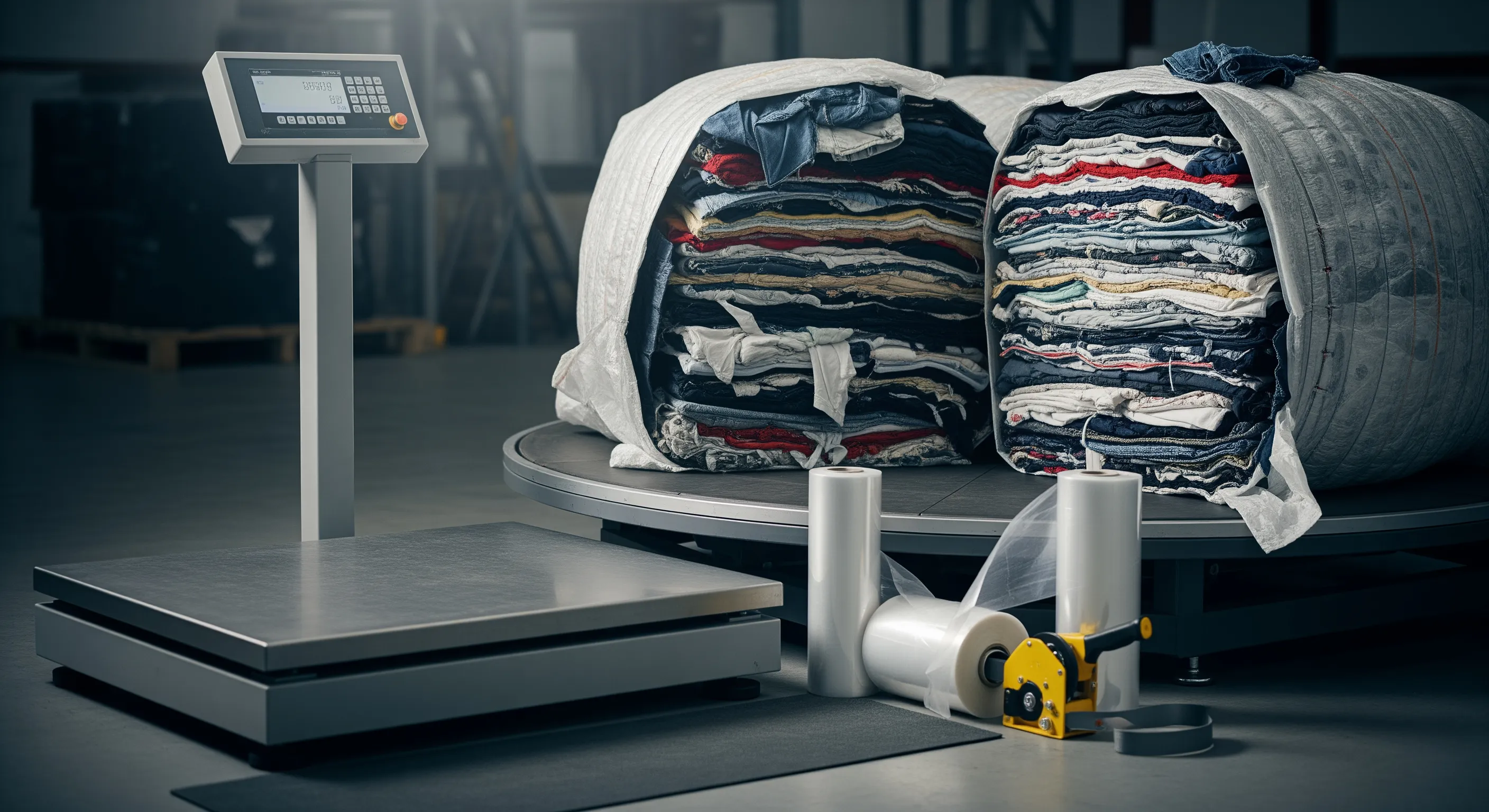 Pro tip: Always inquire about bale contents and specific grading criteria to align with your customer bases' preferences.
Grading Systems and Their Importance
The grading system is a fundamental aspect when sourcing second-hand clothing. It provides guidelines on the quality of items and dictates pricing strategies. A well-understood grading system allows for better inventory management and enhances customer satisfaction.
For traders, being familiar with the different grades—from A to C or even specialized designations—can facilitate informed decision-making and reduce the risk of unexpected returns.
Pro tip: Regularly communicate with your suppliers about grading standards to ensure consistent quality control.
Preparing for Export Logistics
Logistic coordination plays a crucial role in successfully exporting second-hand clothing. Trade buyers should be aware of customs regulations and shipping timelines to prevent disruptions.
Working with a logistics partner experienced in handling used clothing containers can provide a seamless experience from departure to delivery. Moreover, assessing potential delays and creating contingency plans is advisable for risk mitigation.
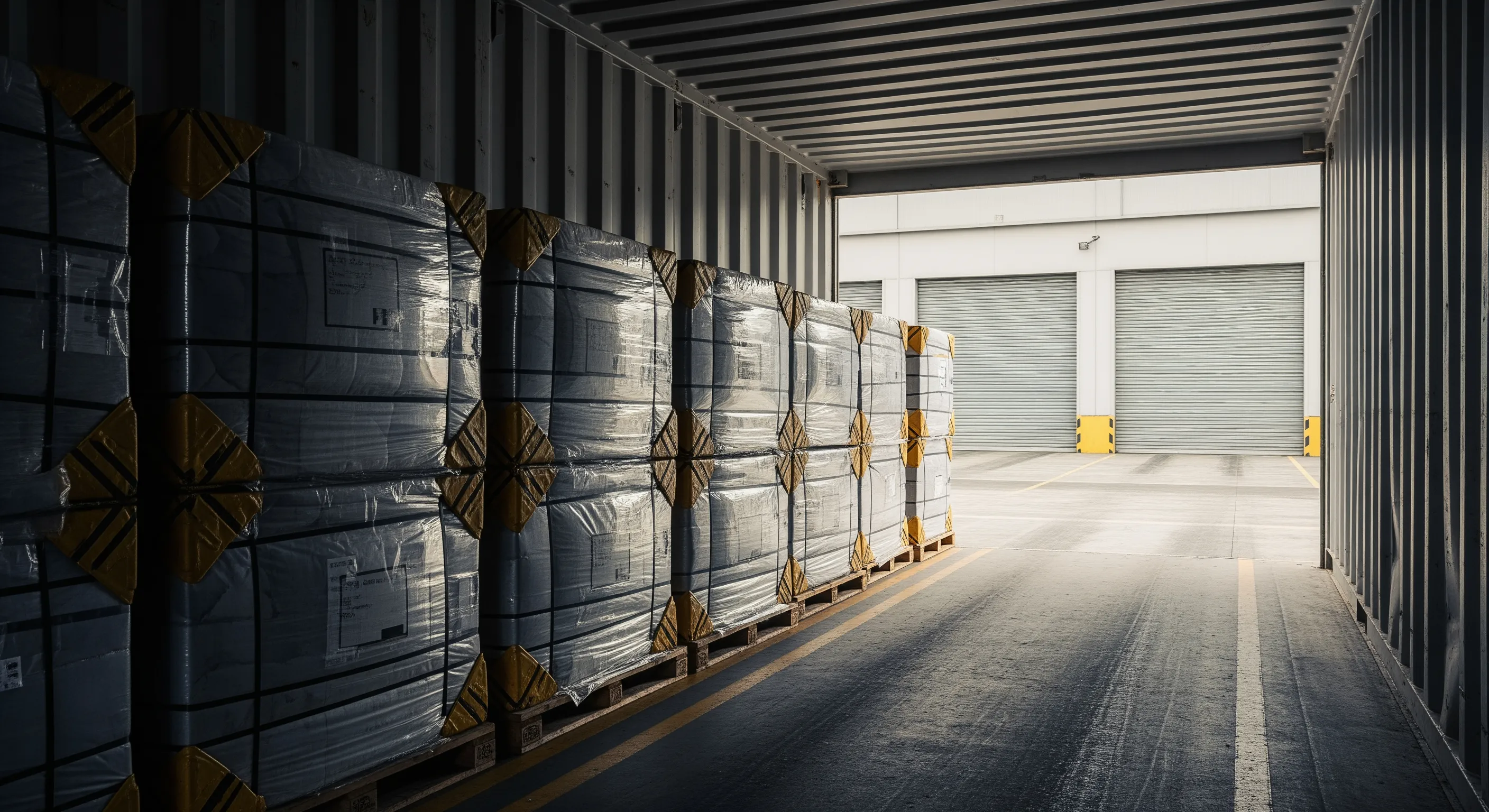 Pro tip: Utilize tracking tools for shipments to keep stakeholders informed and minimize communication gaps.
Managing Risks on Your Inventory
Risk management is an integral part of sourcing second-hand clothing. Factors such as fluctuating demand, quality discrepancies, and adverse weather conditions may affect inventory turnover.
Establishing a comprehensive risk management system can help businesses identify potential problems before they escalate. This approach will allow trade buyers to maintain control over their inventory and improve overall operational efficiency.
| Risk | Cause | Mitigation |
|---|---|---|
| Inventory Overhaul | Excess stock from previous seasons | Implement flexible purchasing to adjust orders based on current trends. |
| Quality Variability | Inconsistent grading from suppliers | Regular audits and setting hard benchmarks for grading. |
| Logistical Delays | Supply chain disruptions | Utilize multiple logistics partners for flexibility. |
| Customer Dissatisfaction | Poor quality or wrong items received | Enhance product return policies and buyer guidelines. |
Frequency and Reliability in Sourcing
Establishing frequency in sourcing efforts from Germany can boost your business's reliability and market position. Regular interactions with suppliers foster trust and often lead to better pricing arrangements.
A well-defined sourcing schedule allows businesses to synchronize their inventory needs with market demand, thereby reducing instances of stockouts or overstock situations.
Pro tip: Keep an updated database of supplier contacts and their offerings to streamline communication and availability.
Unlock Cost Savings and Inventory Variety with Trusted UK Bulk Clothing Sourcing

For trade buyers who need consistent bulk supply and clear grading expectations, explore Original Secondhand at originalsecondhand.com. If you’d like a quick recommendation on the best fit for your business model, volumes, and export requirements, contact the team here: Contact Us.
Frequently Asked Questions
What is the typical MOQ for wholesale bales?
The typical MOQ varies, but many suppliers offer flexible options depending on the inventory available.
How can I ensure quality in second-hand clothes?
Establishing a strong relationship with suppliers and understanding their grading standards can help ensure product quality.
What are the shipping timelines for imports from Germany?
Shipping timelines can vary; however, it is advisable to account for customs clearance, which can take several days.
Can I receive sample bales before purchasing?
Yes, most suppliers will allow samples to be inspected prior to bulk purchase decisions.