Second Hand Designer Clothes Wholesale for B2B Buyers
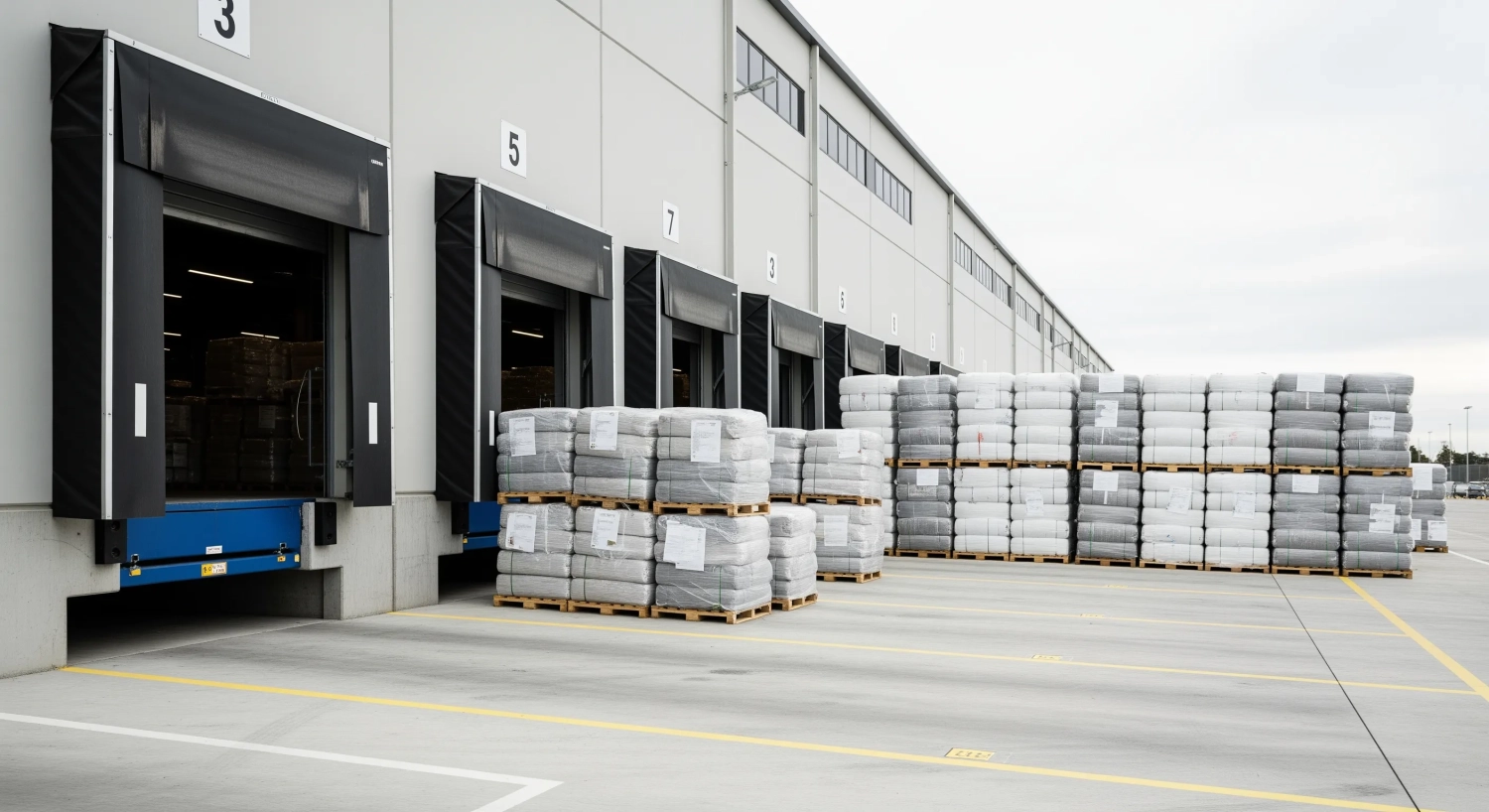
For trade buyers in the UK looking for premium quality second hand designer clothes, sourcing wholesale can open up new avenues for profit and sustainability. By tapping into the market for used designer goods, businesses such as resellers and exporters can reduce their environmental impact while catering to fashion-conscious consumers. This guide explores the essentials you need to understand about purchasing second hand designer clothing in bulk, from grading standards to logistics, ensuring you make informed decisions for your business.
Table of Contents
- Understanding Second Hand Designer Clothing
- Grading Standards in Wholesale
- Sourcing Reputable Suppliers
- Logistics and Shipping Considerations
- Risk Mitigation in Second Hand Imports
- Maximizing Your Profit Margins
Key Takeaways
| Consideration | Details |
|---|---|
| Volume Requirements | Order in bulk to reduce per-unit costs. |
| Grading Signals | Ensure you understand grading to avoid costly surprises. |
| Logistics Readiness | Work with reliable shipping partners for timely delivery. |
| Margin Control | Evaluate costs comprehensively to safeguard your profit margins. |
Understanding Second Hand Designer Clothing
Second hand designer clothes offer an accessible avenue for buyers who want to provide high-quality fashion without the new item price tag. For B2B buyers, investing in these garments enables a competitive edge in fashion resale markets. Categories may include everything from luxury brands to lesser-known labels, ensuring a broad range of options for diverse customer bases.
Moreover, the demand for sustainably sourced fashion is on the rise, making second hand clothes a desirable choice among eco-conscious consumers. Therefore, understanding the market trends is paramount for successfully navigating the wholesale landscape.
Pro tip: Consider creating a clear categorization system based on brand, condition, and style to streamline your sourcing process.
Grading Standards in Wholesale
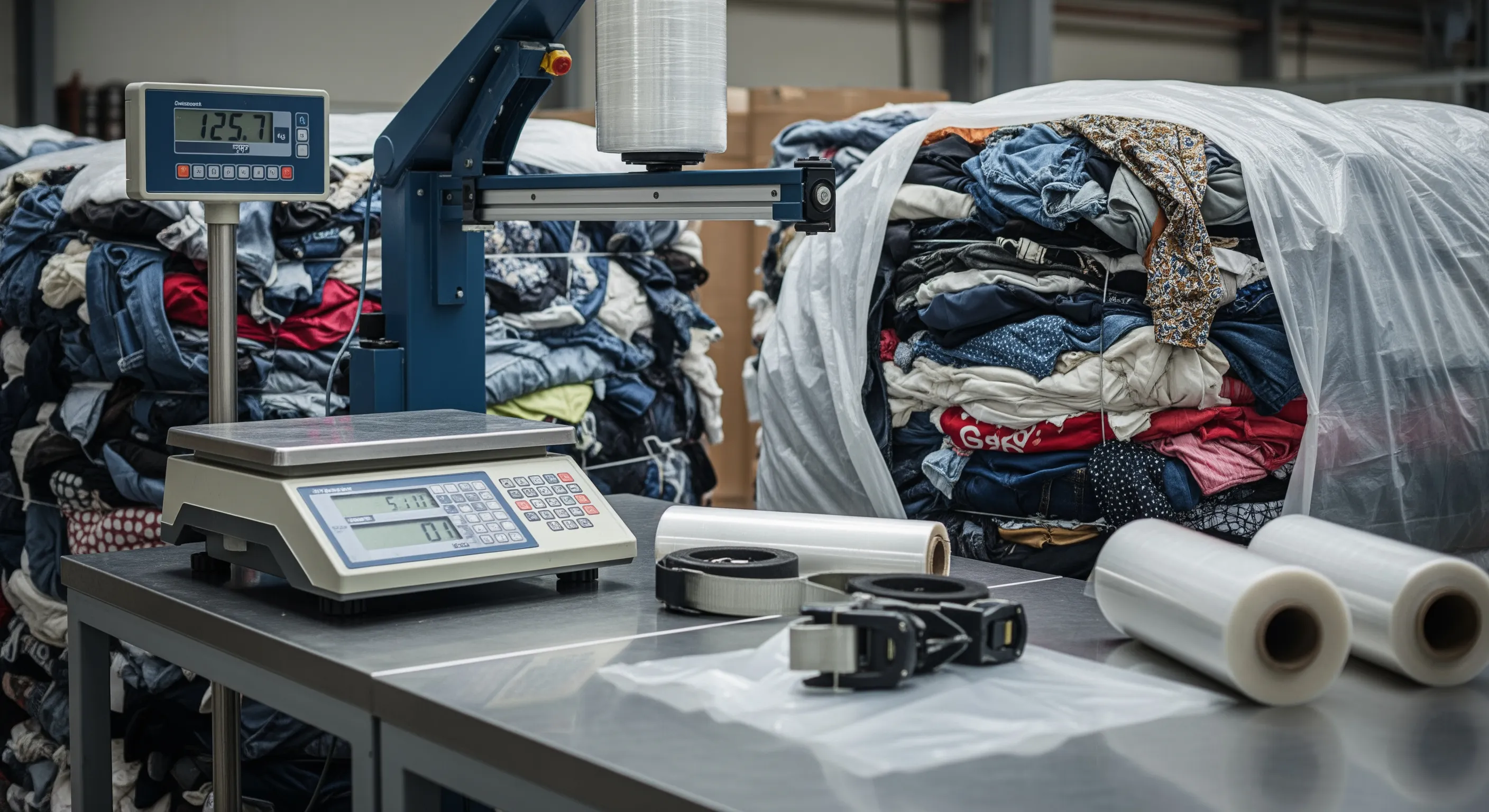
The grading of second hand clothing is crucial in determining pricing, resale strategies, and customer satisfaction. Typically, garments are classified into grades based on their condition, ranging from pristine to heavily worn. Understanding these grades allows buyers to effectively communicate the quality of their stock to end consumers.
Grading also influences the expected margin customers will be willing to pay and can determine return policies. Solid grading frameworks empower businesses to manage expectations effectively, which is crucial for long-term customer satisfaction.
Pro tip: Establish a quality control process during receiving and sorting to maintain grading accuracy throughout your supply chain.
Sourcing Reputable Suppliers
Finding trustworthy suppliers is essential in the wholesale second hand market. Conducting thorough research and vetting suppliers for reliability, quality, and shipment timelines is crucial for maintaining your stock standards. Many suppliers provide samples of bales or specific garments prior to bulk purchases, allowing potential buyers to gauge quality.
Participating in trade shows and industry events can also help in building connections with suppliers and understanding their offerings better. Relationships based on trust can lead to more favorable terms and improved supply chain efficiencies.
Pro tip: Maintain a directory of vetted suppliers along with their grading standards and shipping capabilities.
Logistics and Shipping Considerations
When it comes to importing second hand designer clothes, logistics and shipping cannot be overlooked. Working with partners who have a proven track record in handling textile shipments can save time and money during the import process. Understanding tariffs, taxes, and other import regulations should inform your logistics planning.
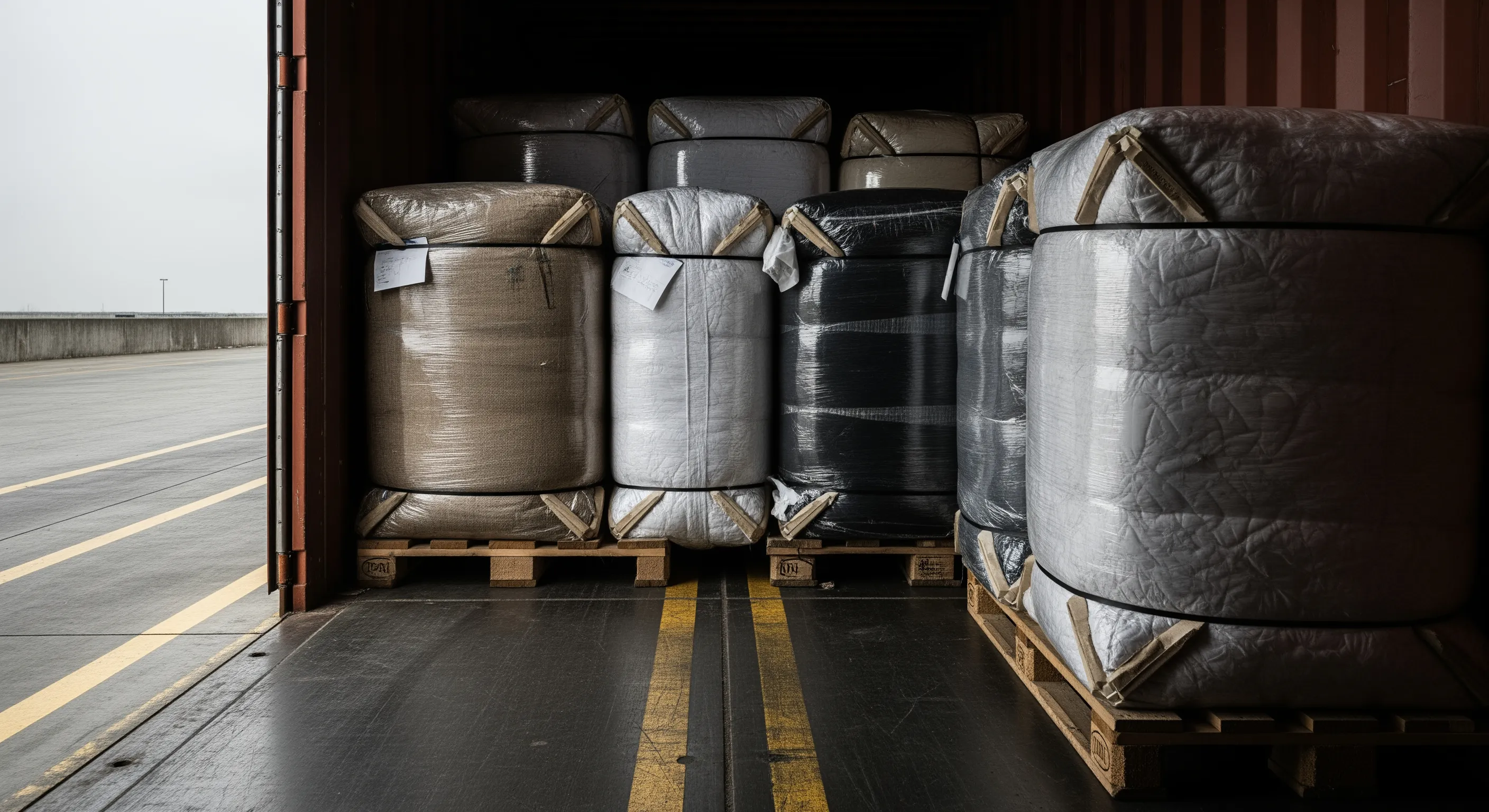
Moreover, effective packing practices, such as compacting items and using protective materials, can minimize damages during transit. Be sure to also calculate lead times accurately to prevent inventory shortages.
Pro tip: Develop contingency plans to address potential shipping delays or losses, ensuring that your operations remain resilient.
Risk Mitigation in Second Hand Imports
Risk management should be integrated into your wholesale strategy. Second hand clothing can sometimes come with unforeseen issues such as quality discrepancies, customs complications, or supplier failures. Mitigating these risks involves conducting due diligence on your suppliers and maintaining close communication regarding orders.
| Risk | Cause | Mitigation Strategy |
|---|---|---|
| Quality Issues | Incorrect grading or supplier miscommunication | Regular quality checks and supplier audits |
| Shipping Delays | Logistical errors or customs checks | Partner with experts in shipping |
| Financial Loss | Underestimating demand or over-purchasing | Analyze historical sales data |
| Unsuitable Stock | Inaccurate supplier descriptions | Request samples before large orders |
Pro tip: Implement a systematic review of supplier performance periodically to analyze risks versus profits.
Maximizing Your Profit Margins
To optimize profitability, it’s vital to ensure that your pricing strategies reflect both your costs and market conditions. Understanding consumer perceptions of value for second hand designer goods can guide effective pricing models. Additionally, promotional tactics may involve highlighting the sustainable benefits of purchasing second hand clothing.
Careful analysis of margin impact should also include logistics costs and potential unsold stock. Regularly reviewing your pricing framework will help you remain competitive while meeting profit targets.
Pro tip: Consider leveraging analytics software to assess sales patterns and inform future purchasing decisions.
Unlock Cost Savings and Inventory Variety with Trusted UK Bulk Clothing Sourcing

For trade buyers who need consistent bulk supply and clear grading expectations, explore Original Secondhand at originalsecondhand.com. If you’d like a quick recommendation on the best fit for your business model, volumes, and export requirements, contact the team here: Contact Us.
Frequently Asked Questions
What is the benefit of buying second hand designer clothes in bulk?
Buying in bulk can significantly reduce costs and cater to a wider customer base.
How can I ensure quality when purchasing second hand items?
Establish robust grading standards and maintain quality checks throughout the process.
What are the common risks associated with second hand clothing imports?
Risks include quality issues, shipping delays, and financial losses, which can be mitigated through careful planning.
How do I maintain competitive pricing?
Regularly evaluate costs, consumer demand, and market conditions to adjust pricing strategies accordingly.