Explore Second Hand Wholesale Clothing for Eco-Friendly Choices
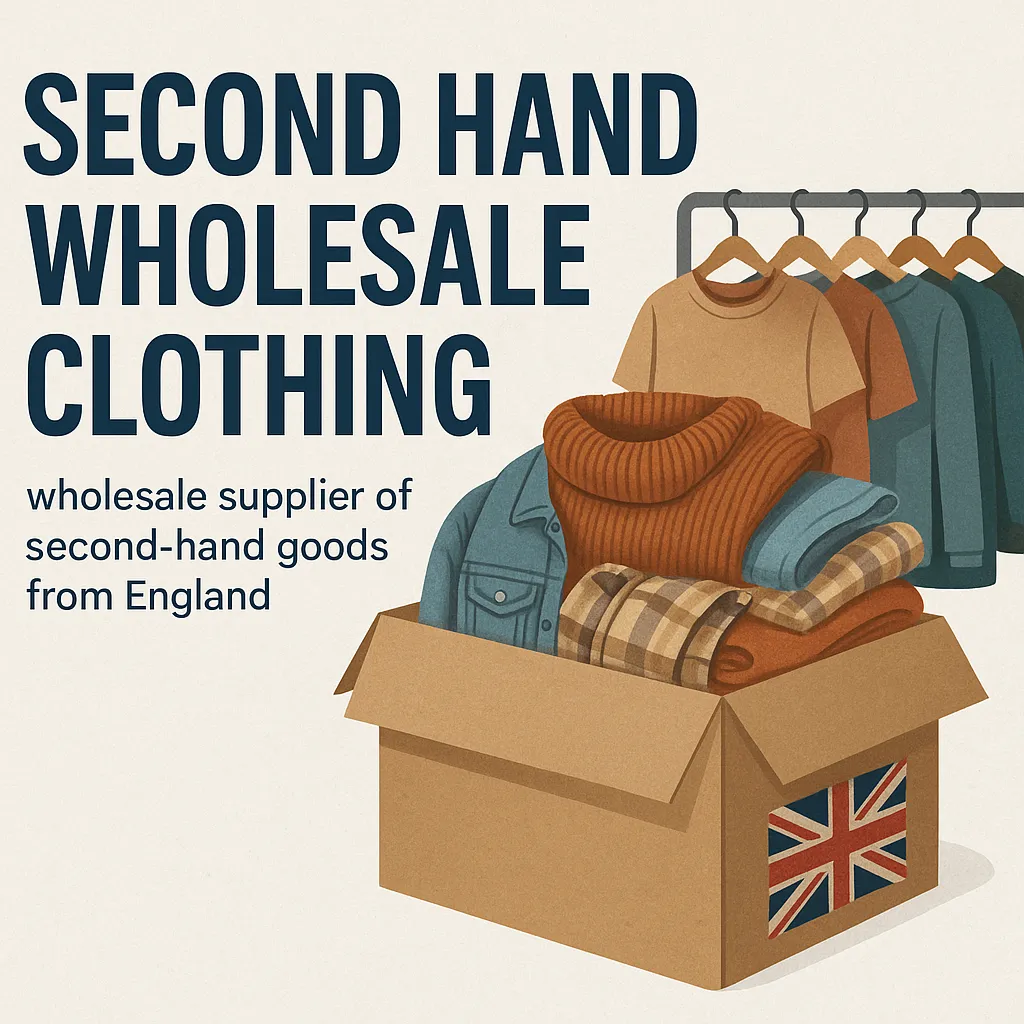

Second hand wholesale clothing has emerged as a vital element in the contemporary fashion landscape, offering an array of benefits that extend beyond mere cost savings. The practice of purchasing garments that have been previously owned not only caters to budget-conscious consumers but also aligns with the growing movement towards sustainable fashion. By opting for second hand wholesale clothing, individuals and businesses alike contribute to reducing textile waste, minimizing the carbon footprint associated with new garment production, and supporting a circular economy. In a world increasingly aware of the environmental impact of fast fashion, second hand wholesale clothing provides a practical and ethical alternative, ensuring that quality clothing remains accessible while promoting responsible consumption.
The Advantages of Choosing Second Hand Wholesale Clothing
Choosing second hand wholesale clothing brings a multitude of advantages that cater to varying needs and preferences. Firstly, the cost-effectiveness of purchasing wholesale items allows retailers and consumers to save significantly. This is especially beneficial for small businesses looking to stock their inventory without breaking the bank. Beyond financial savings, second hand clothing often boasts unique styles that stand out from the mass-produced items typically found in conventional retail settings. Shoppers can discover one-of-a-kind pieces, which can enhance their wardrobe or store inventory, providing a personal touch that resonates with customers seeking authenticity. Furthermore, buying second hand promotes sustainability by extending the lifecycle of garments, ultimately leading to a reduction in the demand for new clothing production. This shift is pivotal in combating environmental issues associated with textile waste, making second hand wholesale clothing not only a smart financial choice but also a responsible one.
Environmental Impact of Second Hand Wholesale Clothing
The environmental benefits of engaging with second hand wholesale clothing cannot be overstated. The fashion industry is known for its substantial ecological footprint, primarily due to the resources required for manufacturing new garments, including water, energy, and raw materials. By opting for second hand clothing, consumers actively participate in reducing the overall demand for these resources. This practice helps to lower pollution levels associated with textile manufacturing and transportation, thus contributing to a healthier planet. Additionally, by purchasing second hand garments, consumers help to divert clothing from landfills, where they would otherwise contribute to waste accumulation and greenhouse gas emissions. The circular economy concept, which emphasizes recycling and reusing materials, is essential for fostering a more sustainable future, and second hand wholesale clothing serves as a practical embodiment of this principle.
How to Source Quality Second Hand Wholesale Clothing
When it comes to sourcing quality second hand wholesale clothing, there are several strategies that can enhance the experience. First, establishing relationships with reliable suppliers is crucial. Look for wholesalers who specialize in second hand apparel and have a reputation for selecting high-quality items. Attend trade shows or industry events where you can meet potential suppliers face-to-face and assess their offerings. Additionally, conducting thorough research online can lead to discovering reputable platforms that curate second hand clothing for wholesale distribution. It's also beneficial to request samples before making large purchases to ensure that the quality meets expectations. Engaging with local thrift stores and charity shops can also yield hidden gems, allowing for direct sourcing while supporting community initiatives. By employing these strategies, businesses can curate an appealing inventory that attracts customers while promoting sustainable fashion.
Building a Business Around Second Hand Wholesale Clothing
Creating a successful business focused on second hand wholesale clothing requires a strategic approach that emphasizes sustainability and customer engagement. Start by identifying your target market and understanding their preferences regarding style, quality, and price. This insight will guide your sourcing decisions and marketing strategies. An effective online presence is crucial; consider launching an e-commerce website that showcases your unique offerings. Social media platforms can serve as powerful tools for reaching potential customers, allowing you to share engaging content that highlights the benefits of second hand fashion. Establishing a strong brand narrative centered around sustainability can resonate with environmentally conscious shoppers, encouraging them to choose your products over fast fashion alternatives. Furthermore, consider collaborating with influencers or sustainability advocates to broaden your reach and enhance your credibility in the market. By aligning your business practices with the values of your target audience, you can effectively build a loyal customer base that champions second hand wholesale clothing.
Marketing Strategies for Second Hand Wholesale Clothing
Marketing second hand wholesale clothing requires a unique approach that emphasizes the value and quality of the products while appealing to the growing demographic of environmentally conscious consumers. Start by creating a distinctive brand identity that aligns with the principles of sustainability and ethical fashion. Utilize storytelling in your marketing campaigns to showcase the journey of the garments, highlighting their unique histories and the positive impact of purchasing second hand. Social media platforms are essential for engaging with your audience; consider creating visually appealing content that showcases your clothing in real-life scenarios. Collaborating with eco-conscious influencers can amplify your message and reach a broader audience. Additionally, hosting events or pop-up shops can create buzz around your brand while allowing potential customers to experience your offerings firsthand. Implementing loyalty programs or sustainable incentives can further encourage repeat purchases, establishing a community around your brand that values second hand wholesale clothing.
FAQ
What are the benefits of second hand wholesale clothing?
Second hand wholesale clothing offers numerous benefits, including cost savings, unique fashion choices, and a positive environmental impact. By purchasing wholesale, retailers can stock up on quality garments at a fraction of the price of new clothes. This not only benefits consumers financially but also provides an opportunity to curate distinctive collections that stand out in the market. Moreover, buying second hand reduces textile waste and the demand for new production, aligning with sustainable practices that are increasingly important in today’s eco-conscious society. Thus, the advantages of second hand wholesale clothing extend beyond individual savings to encompass broader environmental and social benefits.
How do I start a second hand wholesale clothing business?
Starting a second hand wholesale clothing business involves several key steps. First, conduct market research to identify your target audience and their preferences. Next, establish relationships with reliable suppliers who specialize in second hand garments, ensuring they provide quality stock. Create a business plan that outlines your marketing strategies, pricing model, and operational logistics. Setting up an online store can help you reach a wider audience, and utilizing social media for promotion can enhance visibility. Additionally, consider attending trade shows or markets to network and gain insights into industry trends. By focusing on quality and sustainability, you can build a successful business in the growing market of second hand wholesale clothing.
Where can I find quality second hand wholesale clothing suppliers?
Finding quality second hand wholesale clothing suppliers requires thorough research and networking. Start by looking at online marketplaces that specialize in wholesale second hand clothing, where you can read reviews and assess supplier reputations. Attending trade shows and industry events can also provide opportunities to meet suppliers in person and evaluate their offerings. Local thrift stores and charity organizations often have connections to wholesalers and can provide leads for quality sources. Furthermore, joining industry forums or groups dedicated to sustainable fashion can facilitate connections with other businesses and suppliers in the second hand clothing sector.
What should I consider when choosing second hand clothing?
When selecting second hand clothing, consider factors such as quality, style, and demand. Examine the condition of the garments, ensuring there are no significant damages or stains that could affect their resale value. Pay attention to current fashion trends and customer preferences to curate a collection that resonates with your audience. Additionally, consider the fabric and care instructions, as durable materials tend to have a longer lifespan and can be more appealing to customers. By prioritizing quality and relevancy, you can create a successful inventory of second hand wholesale clothing that meets consumer needs.
How does second hand wholesale clothing contribute to sustainability?
Second hand wholesale clothing significantly contributes to sustainability by reducing waste and conserving resources. The fashion industry is a major contributor to pollution and landfill waste, with millions of garments discarded each year. By opting for second hand clothing, consumers help extend the lifecycle of garments, minimizing the need for new production and its associated environmental impact. This practice promotes a circular economy where clothing is reused and recycled, ultimately leading to less textile waste. Additionally, purchasing second hand supports local economies and charities, making it a socially responsible choice that benefits both the environment and communities.
Ready to Join the Sustainable Fashion Revolution?
Discover how our wholesale secondhand clothing can transform your business while supporting environmental sustainability.