
As the demand for sustainable fashion continues to rise, trade buyers are increasingly seeking reliable sources for used clothing wholesale in Canada. This sector presents immense opportunities for exporters and resellers, enabling them to capitalize on quality secondhand apparel while managing costs effectively. Understanding the nuances of sourcing bulk secondhand clothing, including grading standards and logistics readiness, is crucial for making informed business decisions. In this guide, we’ll explore the avenues available for B2B opportunities in used clothing wholesale Canada, ensuring you can find the right suppliers for your business needs.
Table of Contents
- Sourcing Used Clothing in Bulk
- Navigating Clothing Grading Standards
- Benefits of Exporting Bulk Apparel
- Logistics and Preparation for Shipping
- Risk Mitigation in Sourcing
- Market Insights and Trends
Key Takeaways
| Aspect | Considerations |
|---|---|
| Minimum Order Quantity (MOQ) | Establish clear MOQ for effective inventory management. |
| Clothing Grading Signals | Understand the criteria for quality grading to ensure consistency. |
| Logistics Readiness | Factor in shipping timelines and costs when planning your orders. |
| Claims Control | Have a protocol for handling damaged goods. |
Sourcing Used Clothing in Bulk
When venturing into the world of B2B wholesale, it’s vital to identify trustworthy used clothing suppliers. Canada is home to numerous wholesalers specializing in bulk secondhand clothing who offer competitive pricing and diverse stock selections. By establishing relationships with these suppliers, businesses can gain access to various wholesale bales tailored to their specific niche and target market.
To find suitable partners, consider industry events, trade shows, and online marketplaces that focus on sustainable fashion and secondhand goods. Many suppliers also provide product samples, allowing you to assess the quality before making large commitments. For sourcing insights, refer to comprehensive guides like Original Secondhand’s offerings.
Navigating Clothing Grading Standards
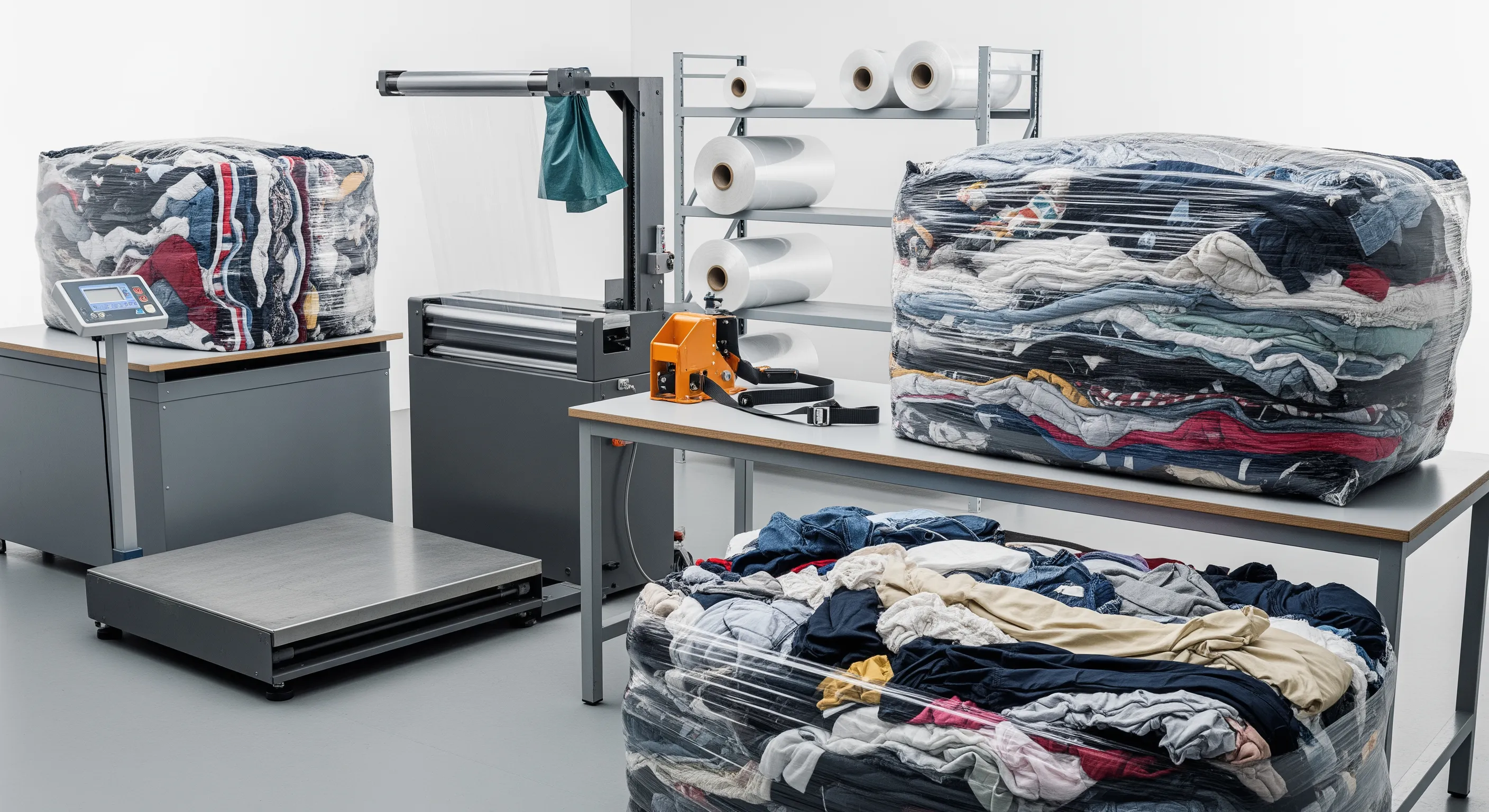
Understanding clothing grading is essential for ensuring the quality of stock. Grading systems can vary significantly among suppliers, ranging from A, B, and C grades to more detailed specifications. A clear grasp of these standards helps buyers make informed decisions, minimizing losses associated with unsatisfactory goods.
Moreover, accessing reliable grading guides is vital. Many suppliers provide detailed grading documents, which specify the conditions of the clothing in their bales. This documentation plays a key role in quality control and assurance for trade buyers. You may want to look for resources that discuss grading methods, such as those available on Original Secondhand’s platform.
Benefits of Exporting Bulk Apparel
Exporting used bulk apparel offers numerous advantages, particularly in catering to emerging markets. Suppliers in Canada have the capability to ship directly to various international destinations, easing access to secondhand goods. This logistics efficiency significantly reduces lead times, enhancing overall supply chain reliability.
Furthermore, buying in bulk often results in better pricing strategies that can improve profit margins. Understanding local regulations governing import-export goods can also facilitate smoother transactions. For detailed market trends, refer to studies and publications that track global trade movements.
Logistics and Preparation for Shipping
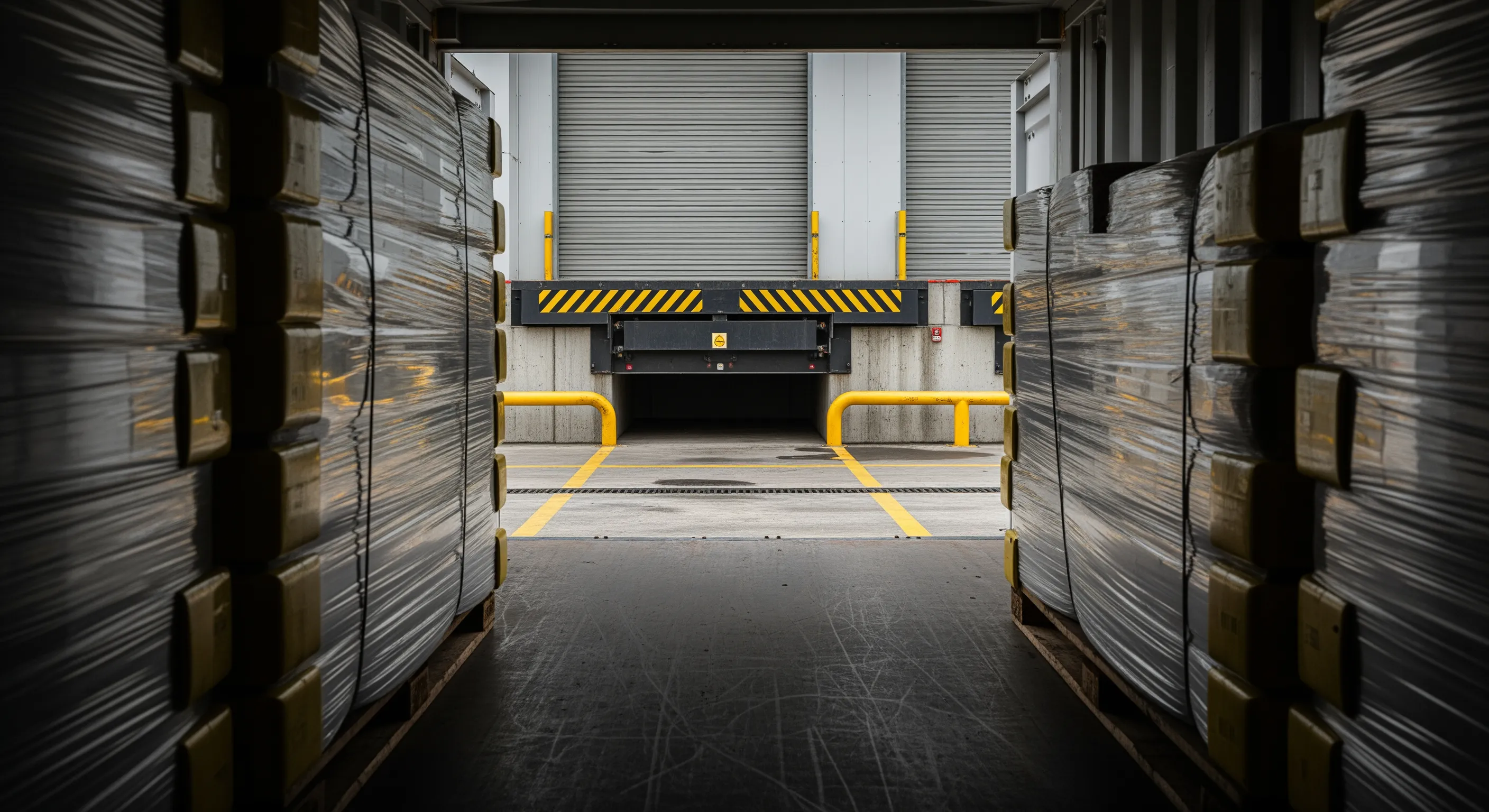
Successfully exporting used clothing requires meticulous logistics preparation. This entails coordinating shipping schedules, warehousing solutions, and customs documentation. A solid shipping plan will help streamline operations and minimize delays in delivery, essential for maintaining business continuity.
Additionally, engaging with freight forwarders can facilitate handling logistics complexities, from customs clearance to final destination arrangements. Many companies also offer containerized shipping options, which can be advantageous for larger orders. Consulting with experts in logistics can provide tailored solutions for your unique requirements.
Risk Mitigation in Sourcing
Identifying and mitigating risks in the sourcing process is critical for businesses in the secondhand clothing sector. Common challenges include variations in product quality, shipping delays, and claims of lost or damaged goods. Establishing a thorough vetting process for suppliers can help minimize these issues.
Regular audits and checks on product quality, alongside clear communication channels, can enhance trust with suppliers. The following table outlines common risks associated with sourcing, their causes, and possible mitigations:
| Risk | Cause | Mitigation |
|---|---|---|
| Quality Variance | Inconsistent grading | Implement strict supplier standards |
| Logistics Delays | Unforeseen customs issues | Have backup shipping solutions |
| Product Damage | Poor handling practices | Regular audits and training |
| Dispute Resolution | Lack of clarity in contracts | Draft comprehensive agreements |
Market Insights and Trends
Staying informed on market trends is paramount when sourcing used clothing wholesale in Canada. Understanding shifts in consumer preferences towards sustainability can yield strategic advantages, allowing wholesalers to align their inventories with trends and demands. Following trade publications and market analyses will keep your business adaptable.
Engaging with business networks and online forums can facilitate discussions on innovations and emerging trends within the secondhand sector. For expert analyses, consider resources that explore current market dynamics, and leverage platforms such as Original Secondhand’s blog for insights.
Unlock Cost Savings and Inventory Variety with Trusted UK Bulk Clothing Sourcing

For trade buyers who need consistent bulk supply and clear grading expectations, explore Original Secondhand at originalsecondhand.com. If you’d like a quick recommendation on the best fit for your business model, volumes, and export requirements, contact the team here: Contact Us.
Frequently Asked Questions
What types of used clothing are available for wholesale?
Wholesale suppliers offer a wide variety of used clothing, including apparel from various categories such as casual wear, formal wear, and seasonal items.
How can I ensure quality when sourcing used clothing?
Implementing a reliable grading system and conducting regular quality checks can help ensure that you receive high-quality goods.
What are the logistics involved in importing used clothing?
Logistics involve managing shipping schedules, arranging customs clearance, and ensuring that all paperwork is in order for imports.
Where can I find trusted used clothing wholesale suppliers?
Industry events, trade shows, and online platforms are excellent resources for discovering trusted suppliers in the used clothing market.