
Discovering reliable sources for wholesale second-hand cream clothes is pivotal for UK trade buyers looking to make sustainable fashion choices. As the demand for eco-friendly clothing solutions rises, businesses focused on exports and retail can benefit greatly from incorporating high-quality, graded garments into their offerings. This article provides crucial insights and practical advice tailored for wholesalers, resellers, and exporters, aiming to enhance their inventory with stylish, sustainable options.
Table of Contents
- Why Choose Cream Clothing?
- Grading Systems for Bulk Clothing
- Sourcing Cream Second-Hand Garments
- Logistics and Warehouse Deliveries
- Risk Control in Wholesale Sourcing
- Sustainable Fashion Impacts
Key Takeaways
| Aspect | Details |
|---|---|
| Volume Management | Opt for minimum order quantities that align with your storage capabilities to optimize inventory flow. |
| Grading Standards | Understand grading systems to ensure product quality and manage customer expectations effectively. |
| Logistics Readiness | Plan warehouse deliveries to keep supply chains efficient, avoiding delays in product availability. |
| Risk Control | Implement robust risk assessments to safeguard against potential supply chain disruptions. |
Why Choose Cream Clothing?
Cream clothing represents a versatile option in the wholesale second-hand market, appealing to various consumer demographics. Its neutral palette allows for easy incorporation into any collection, making it ideal for retailers keen on providing stylish options without overwhelming fashion statements. Furthermore, the light tone can reflect a sense of purity and sustainability, tying into brand messages focused on eco-friendly practices.
When sourcing cream clothing, consider its potential to complement other items in your inventory. Whether through layering or standalone pieces, cream items can effortlessly blend into both casual and formal wardrobes, enhancing their marketability to a range of customers.
Pro tip: Focus on sourcing high-quality cream garments with little wear to maximize their appeal and longevity in the market.
Grading Systems for Bulk Clothing
Understanding grading systems in the context of bulk clothing supply is crucial for trade buyers. These systems categorize garments based on quality, condition, and marketability, providing clear expectations for what to anticipate from suppliers. An established grading system can help mitigate risks, ensuring that businesses receive products that are in line with their quality promises.
Different suppliers may employ varying grading definitions, so it's essential to familiarize yourself with these nuances. For instance, a supplier’s ‘A-grade’ might differ significantly from another’s ‘B-grade’ offerings. Thoroughly understanding these distinctions can lead to better purchasing decisions that align with your marketing strategy.
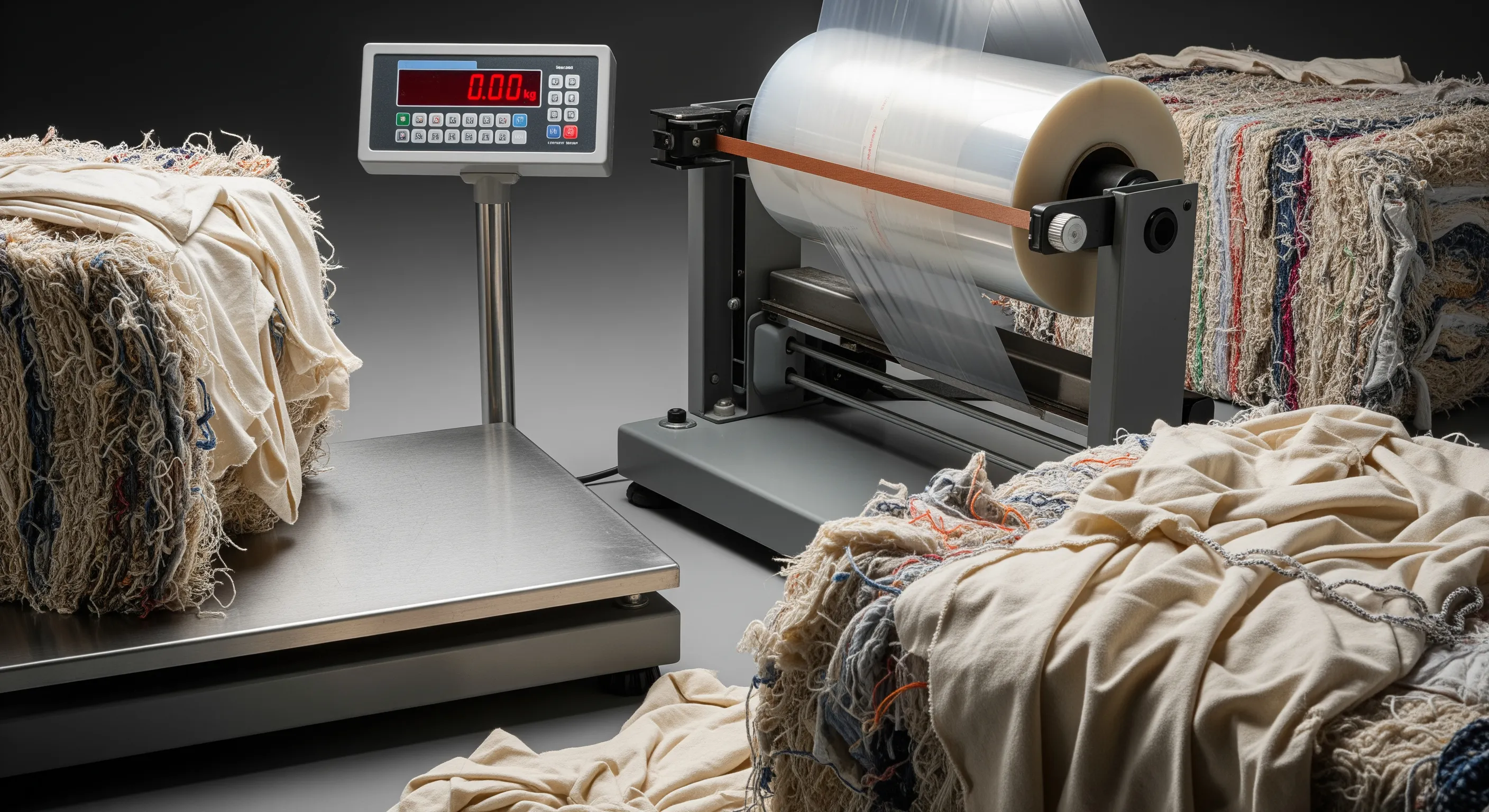
Pro tip: Always request sample bales from suppliers to evaluate the grading before committing to large orders.
Sourcing Cream Second-Hand Garments
When sourcing cream second-hand garments, consider utilizing established wholesale platforms that specialize in sustainable clothing. These platforms often provide clarity on inventory, grading, and shipping, streamlining the purchasing process for B2B buyers. Building relationships with reliable suppliers can also enhance your supply chain consistency.
Exploring trade shows and industry events can further expand your sourcing options, allowing you to meet suppliers in person and discuss terms and availability. These interactions can build trust and ensure that you align with ethical sourcing practices.
Pro tip: Leverage online resources and networks to compare prices and quality before finalizing supplier contracts.

Logistics and Warehouse Deliveries
Efficient logistics management is vital for successful wholesale operations, particularly when dealing with bulk orders of second-hand clothing. Understanding your warehouse capabilities and aligning them with your shipping schedules can prevent delays that might impact customer satisfaction. It’s crucial to have a streamlined process for order fulfillment that includes an organized warehouse setup to facilitate quick pickups and dispatches.
Many trade buyers benefit from working closely with logistics providers who understand the nuances of handling second-hand goods. The right partners can enhance your ability to meet delivery deadlines, thereby boosting your reputation and reliability in the market.
Pro tip: Consider investing in inventory management software to keep track of stock levels and order flows effectively.
Risk Control in Wholesale Sourcing
Engaging in wholesale sourcing carries inherent risks, particularly when dealing with second-hand clothing. It is essential to implement robust risk control measures to manage these potential pitfalls effectively. Regular audits of suppliers, alongside thorough contract scrutiny, can help secure your interests and ensure consistent quality.
Additionally, diversifying your sourcing options across multiple suppliers can mitigate risks associated with supply chain interruptions. Should one supplier face challenges, having alternate avenues allows your business to remain operational without significant setbacks.
Pro tip: Develop contingency plans that outline alternative sourcing arrangements in case of supplier failure.
Sustainable Fashion Impacts
The movement towards sustainable fashion has gained significant traction, and participating in this trend through wholesale second-hand cream clothes can position your business favorably in a competitive market. By focusing on eco-friendly practices, you not only enhance your brand image but also contribute positively to environmental sustainability.
Educating customers about the benefits of purchasing second-hand clothing can foster loyalty and increase sales. Highlighting your commitment to sustainability can create connections with environmentally conscious consumers who prioritize ethical shopping.
Pro tip: Utilize marketing strategies that promote your sustainable initiatives to attract customers who value eco-friendly practices.
Unlock Cost Savings and Inventory Variety with Trusted UK Bulk Clothing Sourcing

For trade buyers who need consistent bulk supply and clear grading expectations, explore Original Secondhand at originalsecondhand.com. If you’d like a quick recommendation on the best fit for your business model, volumes, and export requirements, contact the team here: Contact Us.
Frequently Asked Questions
What are the benefits of sourcing second-hand cream clothes?
Sourcing second-hand cream clothes offers sustainable options, cost savings, and diverse inventory for your business.
How do grading systems impact wholesale purchases?
Grading systems provide insights into product quality, affecting customer satisfaction and project turnover.
What logistics considerations should I keep in mind?
Efficient logistics ensure timely delivery, impacting your business's reliability and customer relationships.
How can I ensure risk control in my sourcing strategy?
Implementing audits, diversifying suppliers, and establishing contingency plans are key to managing risks.