Exploring Second Hand Clothing Wholesale
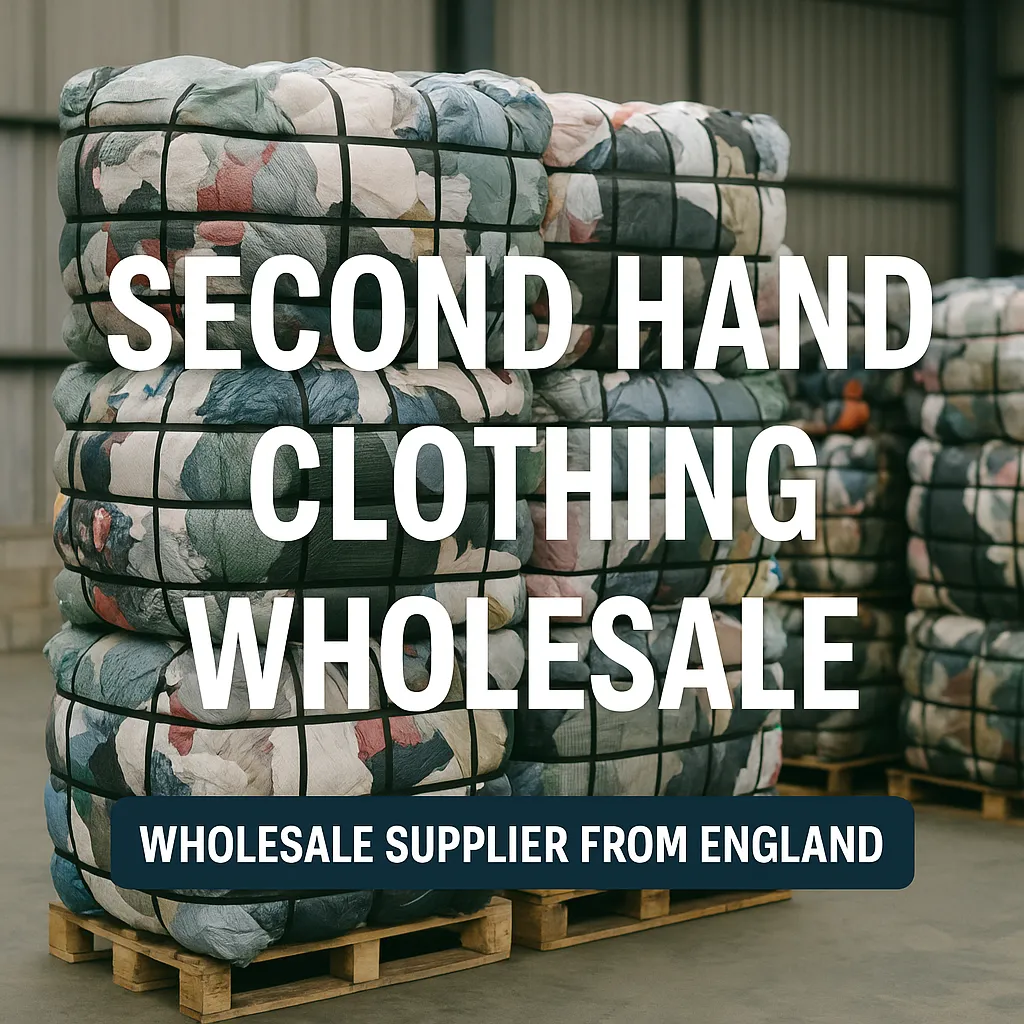
The world of second hand clothing wholesale is rapidly evolving, offering unique opportunities for retailers and consumers alike. By sourcing pre-owned garments in bulk, businesses can provide cost-effective alternatives to brand new clothing, appealing to environmentally conscious shoppers who seek sustainable fashion options. Not only does this model support a circular economy, but it also opens doors to a diverse range of styles and brands that might otherwise be inaccessible. In a competitive retail landscape, becoming a supplier of second hand clothing wholesale can set your business apart and attract a loyal customer base dedicated to sustainable practices.
The Benefits of Sourcing Second Hand Clothing Wholesale
Engaging with second hand clothing wholesale offers numerous benefits for retailers looking to broaden their inventory while maintaining budget-friendly pricing. One of the primary advantages is the cost savings associated with purchasing bulk second hand items. Retailers can acquire a large volume of stock at a fraction of the cost of new clothing, allowing them to maintain healthy profit margins while providing affordable options for consumers. Additionally, the environmental impact of opting for second hand clothing cannot be overstated; it reduces waste and minimizes the carbon footprint associated with manufacturing new garments. Retailers can also curate unique collections that highlight rare finds, appealing to customers who appreciate individuality in their wardrobe. This uniqueness can create a niche market where savvy shoppers seek out one-of-a-kind pieces, further enhancing the retailer's brand identity.
How to Find Reliable Suppliers
Finding trustworthy suppliers for second hand clothing wholesale is crucial for any retailer looking to succeed in this market. Start by researching potential suppliers that specialize in second hand garments. Look for reviews and testimonials from other businesses to gauge their reliability and quality of stock. Attend trade shows and industry events where you can network with suppliers and see their offerings firsthand. Building a relationship with a reliable supplier can lead to better pricing, exclusive deals, and a more consistent supply chain. Additionally, consider sourcing from local charities or organizations that offer bulk second hand clothing at competitive prices. Not only does this support local communities, but it also allows retailers to curate items with a story, enhancing their appeal to eco-conscious consumers.
The Role of Quality Control
Quality control is a vital aspect of managing second hand clothing wholesale inventory. Since these garments have previously been owned, ensuring that they meet certain quality standards is essential for maintaining customer satisfaction. Implement a thorough inspection process to check for defects, stains, and overall wear and tear before items hit the sales floor. Establishing a grading system can help categorize clothing based on its condition, allowing customers to make informed purchasing decisions. This proactive approach not only helps in returning unsellable items but also builds trust with your customers, who will appreciate the effort put into offering quality products. Consider investing in minor repairs or cleaning to enhance the appeal of certain items, which could increase their resale value and encourage more sales.
Marketing Your Second Hand Clothing Business
Once you've sourced quality second hand clothing wholesale and established a reliable supply chain, the next step is effectively marketing your inventory. Utilize social media platforms to showcase your unique finds, engaging with followers through visually appealing content that highlights the stories behind each piece. Consider running promotions or themed sales that emphasize sustainability, encouraging customers to make conscious purchasing decisions. Collaborate with influencers or local fashion bloggers who align with your brand's values to expand your reach and attract new customers. Creating a visually cohesive online presence will not only enhance your brand recognition but also foster a community centered around sustainable fashion choices. Additionally, consider incorporating e-commerce solutions to streamline the purchasing process for online shoppers, broadening your customer base and increasing sales opportunities.
Understanding the Market Trends
The second hand clothing market has seen a significant shift in consumer behavior in recent years. As sustainability becomes a priority for many, retailers are observing an uptick in demand for pre-owned items. This trend is particularly prominent among younger generations, who are more inclined to shop second hand as a means of reducing their environmental impact. Understanding these market trends is crucial for retailers aiming to position themselves effectively within this space. Researching consumer preferences, such as favored styles and brands, can help inform purchasing decisions and inventory management. Additionally, staying ahead of trends such as the rise of vintage clothing can allow businesses to capitalize on emerging opportunities within the second hand market.
Embracing Technology in Second Hand Retail
Technology plays an increasingly important role in the second hand clothing wholesale industry, offering tools that can streamline operations and enhance customer engagement. Implementing inventory management software can help retailers keep track of stock levels, sales data, and customer preferences, making it easier to manage a diverse range of products. Additionally, online marketplaces and e-commerce platforms provide a valuable avenue for reaching a broader audience. Utilizing data analytics can also reveal insights into customer behavior, helping businesses tailor their marketing strategies effectively. Embracing technology not only improves operational efficiency but also enhances the overall shopping experience for consumers, making it easier for them to discover and purchase second hand clothing.
Building a Community Around Sustainable Fashion
Creating a community that values sustainable fashion can significantly enhance your second hand clothing wholesale business. Engage with your customers by sharing informative content about the benefits of second hand shopping, such as reducing waste and supporting ethical practices. Hosting events or workshops centered around sustainable fashion can foster a sense of belonging among your customers, encouraging them to return to your store. Collaborating with other local businesses or organizations that share similar values can amplify your message and attract a wider audience. By building a community focused on sustainability, you not only strengthen customer loyalty but also contribute to a larger movement that emphasizes conscious living and environmental stewardship.
Conclusion: The Future of Second Hand Clothing Wholesale
The future of second hand clothing wholesale looks promising as consumers continue to prioritize sustainability and seek unique fashion choices. Retailers who adapt to these changing preferences by offering quality, curated collections will be well-positioned to thrive in this evolving market. By focusing on building relationships with reliable suppliers, maintaining high-quality standards, and effectively marketing their inventory, businesses can tap into the lucrative potential of the second hand clothing sector. As the industry continues to grow, retailers have the opportunity to not only contribute to a more sustainable future but also cultivate a loyal customer base that values individuality and ethical practices. Embrace the journey of second hand clothing wholesale to become a leader in this transformative market.
FAQ
What is second hand clothing wholesale and how can it benefit my business?
Second hand clothing wholesale refers to the practice of purchasing pre-owned garments in bulk to resell at retail prices. This model allows businesses to offer affordable options while promoting sustainable fashion. By sourcing second hand items, retailers can enjoy significant cost savings, providing unique selections that appeal to eco-conscious consumers. This approach not only supports a circular economy but also helps businesses stand out in a competitive market, attracting a loyal customer base dedicated to sustainability.
How can I determine the quality of second hand clothing?
Determining the quality of second hand clothing involves a thorough inspection process. Check for any visible defects, stains, or signs of wear and tear. Establishing a grading system can help categorize items based on their condition, allowing customers to make informed purchases. Investing in minor repairs or cleaning can also enhance the appeal and resale value of certain garments, ultimately contributing to customer satisfaction.
What are the best platforms for selling second hand clothing?
There are several effective platforms for selling second hand clothing, including e-commerce websites, social media marketplaces, and dedicated resale apps. Utilizing platforms like Shopify or Etsy allows retailers to create personalized online stores, while social media channels such as Instagram and Facebook can be used to engage with customers directly. Additionally, participating in local markets or pop-up events can provide opportunities to showcase unique inventory and connect with the community.
How can I effectively market my second hand clothing store?
Effective marketing for a second hand clothing store involves engaging with your target audience through various channels. Utilize social media to showcase unique finds and share the stories behind each piece, creating a narrative that resonates with consumers. Collaborate with influencers who align with your brand values to expand your reach, and consider running promotions that emphasize sustainability. A well-crafted online presence can attract new customers and foster a community dedicated to second hand fashion.
Are there any legal considerations when selling second hand clothing?
Yes, there are legal considerations when selling second hand clothing, including compliance with local regulations regarding resale and consumer protection laws. Ensure that all items sold are safe and meet any relevant health and safety standards. Additionally, be mindful of copyright issues related to branded items, as selling counterfeit goods can lead to legal complications. It is essential to conduct thorough research to ensure that your business operates within legal parameters.
What trends should I watch in the second hand clothing market?
Keeping an eye on trends within the second hand clothing market is crucial for staying competitive. Notable trends include the rising popularity of vintage clothing, increased demand for sustainable fashion, and the growth of online resale platforms. Additionally, shifts in consumer behavior, particularly among younger generations who prioritize eco-friendly practices, should inform purchasing and marketing strategies. Staying updated on these trends can help retailers make informed decisions and adapt to the evolving market.
| Brand | Condition | Price | Stock Level | Notes |
|---|---|---|---|---|
| Brand A | Good | $20 | 50 | Vintage styles |
| Brand B | Excellent | $30 | 20 | Designer pieces |
| Brand C | Fair | $15 | 100 | Basic essentials |
| Brand D | Good | $25 | 30 | Trendy items |
| Brand E | Excellent | $35 | 15 | Limited edition |
Discover the world of second hand clothing wholesale and how it can elevate your business. Start sourcing today to make a positive impact on the environment while providing unique fashion options. For more information on our products and services, visit our About page or Contact us for personalized assistance.
Ready to Join the Sustainable Fashion Revolution?
Discover how our wholesale secondhand clothing can transform your business while supporting environmental sustainability.