Find Quality Second Hand Clothes for Wholesale
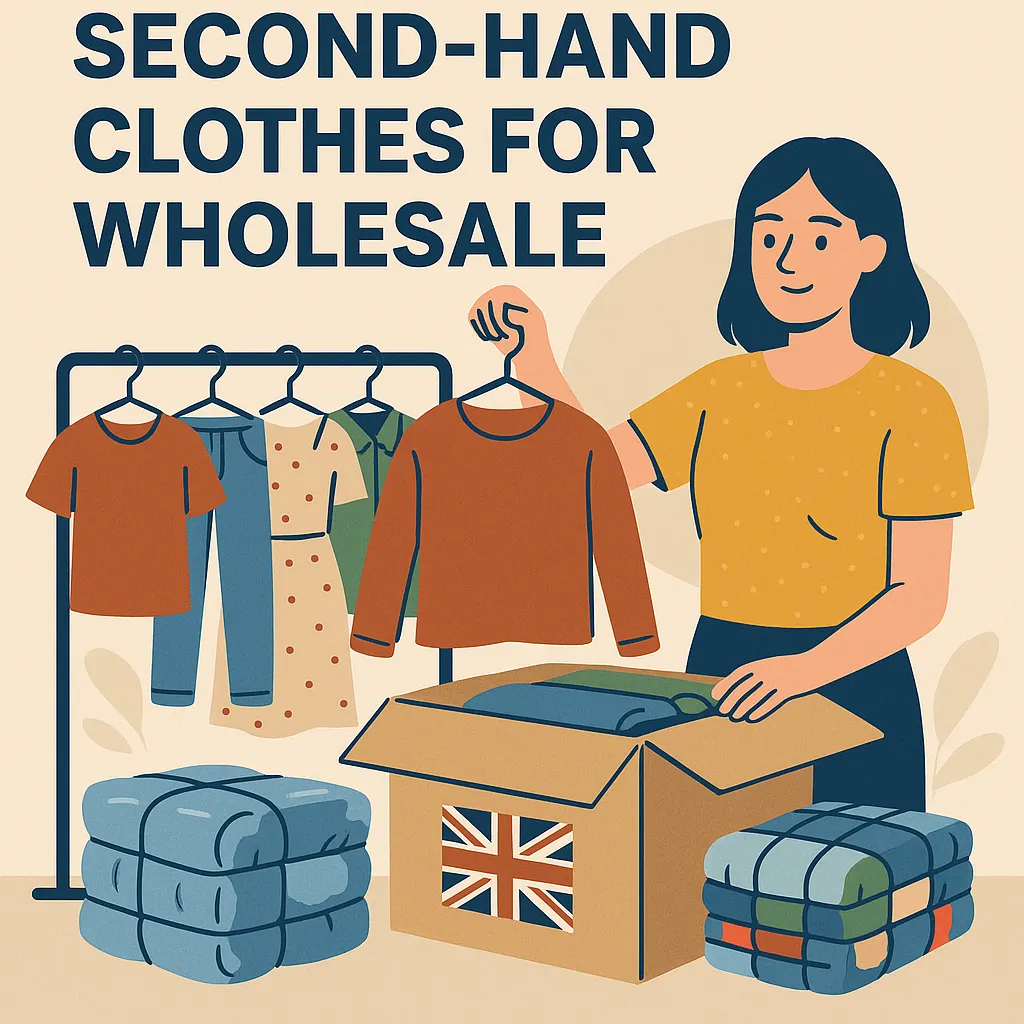
Second hand clothes for wholesale provide an excellent opportunity for retailers and entrepreneurs looking to stock their stores with quality apparel at competitive prices. The demand for sustainable fashion continues to rise, and many consumers are actively seeking out thrifted and second-hand items. This trend not only supports eco-friendly practices but also offers a unique selection of clothing that can attract a diverse customer base. If you’re considering entering this market, understanding the nuances of sourcing and selling second-hand clothing is essential to maximize your profitability and customer satisfaction.
Understanding the Market for Second Hand Clothes
The market for second hand clothes is thriving, driven by a growing awareness of sustainability and environmental impact. Many consumers now prefer purchasing pre-owned items over fast fashion due to the eco-conscious mindset that has emerged in recent years. This shift in consumer behavior has created a lucrative niche for retailers who specialize in second hand clothes for wholesale. By offering a curated selection of clothing, businesses can not only cater to environmentally minded shoppers but also tap into the vintage and retro trends that are gaining traction. Furthermore, understanding the demographics of your target market can help tailor your inventory to meet their preferences, thereby enhancing sales and customer loyalty.
Benefits of Sourcing Second Hand Clothes for Wholesale
Sourcing second hand clothes for wholesale comes with numerous benefits. Firstly, the cost savings are substantial, allowing retailers to acquire inventory at a fraction of the original retail price. This margin can then be passed on to consumers, making the items more appealing. Secondly, there’s a unique selling proposition associated with second-hand goods; each piece has its own story, which can be leveraged in marketing efforts to create a personal connection with consumers. Additionally, businesses can contribute to environmental sustainability by reducing waste and promoting a circular economy. This not only enhances brand image but also attracts a demographic that prioritizes ethical shopping practices. Overall, the advantages of sourcing second-hand clothes can greatly impact a business’s profitability and reputation.
Tips for Selecting Quality Second Hand Clothes
When selecting second hand clothes for wholesale, it’s crucial to focus on quality and marketability. Start by thoroughly inspecting each piece for any signs of wear and tear, ensuring items are still in good condition. Look for well-known brands, as these often sell better due to their established reputation for quality. Additionally, consider current fashion trends and seasonal demands; stocking items that align with these factors can result in quicker turnover. Building a relationship with reliable suppliers can also streamline the sourcing process and ensure a consistent flow of quality merchandise. Remember, the better the quality of the clothing you offer, the more likely customers will return to your store for future purchases.
Marketing Your Second Hand Clothing Business
Marketing is essential for any business, and promoting your second hand clothes for wholesale requires strategic efforts. Utilize social media platforms to showcase your inventory and engage with potential customers. High-quality images and compelling descriptions can help draw attention to your products, while storytelling can enhance the appeal of individual items. Collaborating with influencers or local fashion bloggers can also extend your reach and introduce your brand to new audiences. Additionally, consider hosting pop-up shops or participating in local markets to create a physical presence and connect with customers directly. Building an online store with user-friendly navigation and secure payment options can further enhance the shopping experience, making it easy for customers to explore and purchase your offerings.
Challenges in the Wholesale Second Hand Clothing Market
While there are numerous benefits to entering the second hand clothing market, several challenges must be navigated to achieve success. One significant hurdle is the variability in inventory quality and availability. As second hand items are often sourced from donations or returns, the consistency of stock can fluctuate, making it difficult to maintain a reliable supply chain. Additionally, competition is growing in this sector, with many retailers entering the market, which heightens the need for differentiation. Developing a unique brand identity and an effective marketing strategy can help mitigate these challenges and position a business favorably within the market. Furthermore, understanding the legal implications of selling second hand goods, such as labeling and health regulations, is vital to ensure compliance and protect your business from potential liabilities.
Building Relationships with Suppliers
Establishing strong relationships with suppliers is essential when dealing with second hand clothes for wholesale. Reliable suppliers can provide consistent quality and stock, allowing retailers to plan their inventory effectively. Attend trade shows, industry events, and networking opportunities to connect with potential suppliers and build rapport. Communication is key; ensure that suppliers understand your specific needs regarding quality, pricing, and inventory turnover. Negotiating favorable terms that benefit both parties can lead to a long-term partnership that supports your business growth. Additionally, consider diversifying your supplier base to mitigate risks associated with relying on a single source.
Understanding Consumer Trends and Preferences
Staying informed about consumer trends is crucial in the second hand clothing market. As tastes and preferences evolve, so too must your inventory. Regularly analyze sales data and customer feedback to understand what styles, sizes, and brands resonate with your target audience. Social media trends can also provide insights into emerging styles, helping you to adapt your offerings accordingly. Engaging with your customer base through surveys or social media polls can further enhance your understanding of their preferences, allowing you to stock items that are more likely to sell. By keeping a finger on the pulse of consumer behavior, you can ensure that your second hand clothing business remains relevant and appealing.
Leveraging Technology in Your Wholesale Business
In today’s digital age, leveraging technology can significantly enhance your second hand clothing wholesale business. Implementing an inventory management system can help streamline operations, ensuring that you have real-time visibility into stock levels and sales trends. Additionally, utilizing e-commerce platforms can expand your reach beyond local sales, allowing you to tap into a broader market. Investing in marketing automation tools can also simplify your promotional efforts, enabling targeted campaigns that resonate with your audience. By embracing technology, you can improve efficiency, enhance customer engagement, and ultimately drive sales growth.
Optimizing Your Business for Sustainability
With the increasing emphasis on sustainability, optimizing your second hand clothing business for eco-friendliness is not only beneficial for the planet but also appealing to your customer base. Implementing sustainable practices, such as using recycled packaging and reducing waste, can enhance your brand image and attract like-minded consumers. Consider partnering with local charities or organizations focused on sustainability to further amplify your commitment to eco-friendly practices. Additionally, educating your customers about the environmental benefits of purchasing second-hand clothing can foster a deeper connection to your brand. By positioning your business as a sustainable alternative to fast fashion, you can differentiate yourself in a competitive market while contributing positively to the environment.
Creating a Unique Shopping Experience
In the competitive world of second hand clothes for wholesale, creating a unique shopping experience can set your business apart. Consider implementing personalized shopping services, such as styling consultations or curated boxes based on individual customer preferences. Additionally, hosting events or workshops related to sustainable fashion can engage your community and foster loyalty among your customers. A well-designed website with an intuitive user interface can enhance the online shopping experience, encouraging repeat visits. By focusing on creating a memorable and enjoyable shopping experience, you can cultivate a loyal customer base that values your brand and its offerings.
Utilizing Customer Feedback for Growth
Customer feedback is invaluable for refining your business strategy and enhancing your offerings. Encourage customers to leave reviews and provide feedback about their shopping experiences, both online and offline. Analyze this feedback to identify areas for improvement, whether it’s in your product selection, customer service, or overall shopping experience. Implementing changes based on customer suggestions can lead to increased satisfaction and loyalty. Additionally, showcasing positive reviews and testimonials can build trust with potential customers, encouraging them to choose your second hand clothing business over competitors.
Scaling Your Business with Second Hand Clothes
As your second hand clothing business grows, scaling operations effectively is essential for sustained success. This may involve expanding your product range, exploring new markets, or enhancing your online presence. Consider investing in a more robust e-commerce platform that can handle increased traffic and sales. Additionally, hiring staff or outsourcing certain tasks can free up your time to focus on strategic growth initiatives. Scaling your business requires careful planning and execution, but with the right approach, you can maximize your potential in the thriving second hand clothing market.
FAQ
What are second hand clothes for wholesale?
Second hand clothes for wholesale refer to pre-owned garments that are sold in bulk to retailers or resellers at a discounted price. These clothes are often sourced from donations, thrift stores, or returns, and are then cleaned and inspected before being offered for resale. This business model allows retailers to provide affordable, eco-friendly fashion options to consumers while capitalizing on the growing demand for sustainable clothing. By purchasing second-hand apparel wholesale, businesses can reduce their costs and offer unique items that may not be available through traditional retail channels.
Where can I find suppliers for second hand clothes?
Finding reliable suppliers for second hand clothes can be achieved through various channels. Start by researching local thrift stores, consignment shops, or liquidation sales that may sell bulk items at wholesale prices. Additionally, attending trade shows or industry events related to second-hand goods can help you connect with suppliers and manufacturers. Online platforms that specialize in wholesale second hand clothing can also be valuable resources. Building relationships with suppliers is crucial; ensure they understand your quality requirements and market needs to establish a consistent and reliable partnership.
Are second hand clothes profitable for resale?
Yes, second hand clothes can be highly profitable for resale, especially with the increasing consumer demand for sustainable fashion. By sourcing items at a low cost and selling them at a markup, retailers can achieve significant profit margins. The uniqueness of second-hand items, coupled with effective marketing strategies, can attract customers and encourage repeat purchases. Additionally, the lower initial investment required for second hand inventory compared to new clothing can enhance profitability, making it an attractive option for aspiring entrepreneurs in the retail sector.
How do I price second hand clothes for resale?
Pricing second hand clothes for resale involves several factors, including the original cost, brand value, condition of the item, and market demand. A general rule of thumb is to mark up the price by 50-100% of your purchase cost, depending on the item’s condition and desirability. Researching similar items in the market can help gauge competitive pricing. Additionally, consider offering discounts for bulk purchases or seasonal sales to attract customers. Ultimately, pricing should reflect both the quality of the clothing and the value perceived by your target audience.
What are the best platforms to sell second hand clothes?
There are numerous platforms available for selling second hand clothes, each catering to different audiences and business models. E-commerce websites like Shopify and WooCommerce allow retailers to create their own online stores, providing complete control over branding and customer experience. Marketplaces such as eBay, Poshmark, and Depop are also popular for selling second hand items, offering built-in audiences and easy listing processes. Social media platforms like Instagram and Facebook can serve as effective marketing tools to drive traffic to your online store while allowing for direct sales through shop features.
How can I promote my second hand clothing business?
Promoting your second hand clothing business requires a multifaceted approach. Utilize social media platforms to showcase your inventory, engage with customers, and share stories about the clothing you sell. Collaborate with influencers or local bloggers to expand your reach and attract new audiences. Email marketing campaigns can keep customers informed about new arrivals, sales, and events. Additionally, consider hosting pop-up shops or participating in local markets to connect with your community directly. Creating a visually appealing and user-friendly website can also enhance your online presence and encourage customer loyalty.
For more information on our range of second hand clothes for wholesale, visit our About page. If you have any questions, feel free to Contact us!
Disclaimer: The information provided in this article is for informational purposes only and should not be considered as professional business advice.
Ready to Join the Sustainable Fashion Revolution?
Discover how our wholesale secondhand clothing can transform your business while supporting environmental sustainability.