Find Quality Second Hand Clothes for Wholesale
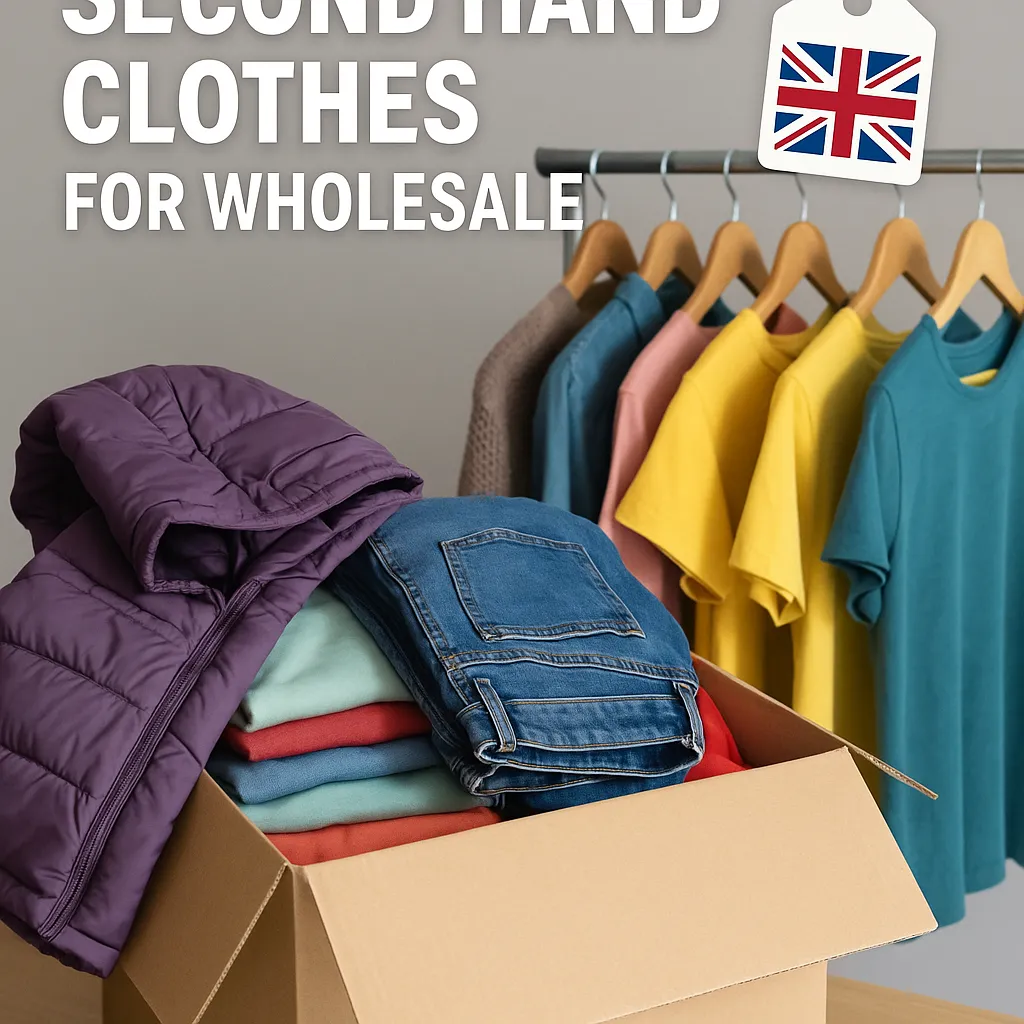
Second hand clothes for wholesale are becoming increasingly popular among retailers looking to offer unique and affordable fashion options. The demand for sustainable and eco-friendly clothing is rising, and second hand clothing provides a perfect solution. Retailers can tap into this growing market by sourcing high-quality pre-owned garments that appeal to environmentally conscious consumers. Additionally, the variety and uniqueness of second hand items allow retailers to provide a diverse selection that stands out in a crowded marketplace. By offering these items at competitive prices, retailers can attract a wide range of customers, from budget shoppers to those seeking exclusive finds. Investing in wholesale second hand clothes can lead to increased foot traffic and sales, as consumers are drawn to stores that offer sustainable and trendy options.
The Benefits of Sourcing Second Hand Clothes for Wholesale
Sourcing second hand clothes for wholesale offers numerous advantages for retailers. Firstly, it allows businesses to capitalize on the growing trend of sustainability in fashion. More consumers are becoming aware of the environmental impact of fast fashion and are actively seeking alternatives. By providing second hand options, retailers can align their offerings with these values, enhancing their brand image and appealing to a broader audience. Additionally, second hand clothes are often available at significantly lower prices than new garments, enabling retailers to maintain healthy profit margins. This cost-effectiveness allows shops to offer competitive pricing to their customers, making it an attractive proposition for budget-conscious buyers. Moreover, the variety found in second hand clothing means retailers can curate a unique inventory that reflects the eclectic tastes of their clientele. This uniqueness can set businesses apart from their competitors, fostering customer loyalty and repeat business.
Understanding the Market for Second Hand Clothes
Understanding the market for second hand clothes is crucial for retailers looking to succeed in this niche. The market has evolved considerably over the years, with consumers increasingly seeking out not just affordability but also quality and uniqueness. The rise of online platforms has made it easier than ever for retailers to access a wide variety of wholesale options. This access allows businesses to source items that meet the specific tastes and preferences of their target demographic. Furthermore, market research indicates that millennials and Gen Z shoppers lead the charge in the second hand clothing trend, often prioritizing sustainability over brand loyalty. Retailers should focus on creating a compelling narrative around their second hand offerings, highlighting the sustainability aspect and the story behind each piece. By tapping into this emotional connection, businesses can cultivate a loyal customer base that values the ethics of their purchasing decisions.
How to Choose the Right Supplier for Second Hand Clothes
Choosing the right supplier for second hand clothes is a pivotal decision for any retailer. It’s essential to partner with suppliers who are reputable and provide high-quality garments. Retailers should conduct thorough research, checking for supplier reviews and testimonials to ensure reliability. It’s also beneficial to establish a relationship with suppliers who are transparent about their sourcing methods, as this aligns with the values of many eco-conscious consumers. Additionally, retailers should consider the range of clothing styles and brands offered by the supplier. A diverse inventory not only caters to various customer preferences but also enhances the retailer’s ability to differentiate themselves in the market. Finally, evaluating the supplier's pricing structure is crucial. Retailers need to ensure that they can maintain their profit margins while still offering competitive prices to their customers. By carefully selecting a supplier, retailers can set themselves up for success in the second hand clothing market.
Marketing Strategies for Second Hand Clothes
Effective marketing strategies are vital for promoting second hand clothes for wholesale. Retailers should consider leveraging social media platforms to showcase their unique inventory. Visual platforms like Instagram and Pinterest are particularly effective for fashion retailers, as they allow for the display of vibrant and appealing images that can attract potential customers. Additionally, storytelling plays a significant role in marketing second hand clothing. Retailers can share the history of specific pieces or the journey of their sourcing, which adds emotional value and encourages buyers to make a purchase. Collaborating with influencers who align with sustainable fashion can also be a powerful strategy. These partnerships can expand reach and build credibility within the target audience. Email marketing should not be overlooked, as it allows retailers to keep existing customers informed about new arrivals and special promotions, driving repeat business. Ultimately, combining these strategies can create a strong marketing presence that resonates with consumers interested in second hand clothing.
Building Customer Loyalty in the Second Hand Market
Building customer loyalty in the second hand clothing market requires a focused approach. Retailers should prioritize customer engagement by offering exceptional service and creating a welcoming shopping environment. Providing personalized experiences, such as tailored recommendations based on previous purchases, can enhance customer satisfaction and encourage repeat visits. Hosting events, such as clothing swaps or workshops on sustainable fashion, can further foster community and loyalty. Engaging with customers on social media and encouraging feedback can also strengthen relationships. Additionally, loyalty programs that reward repeat purchases with discounts or exclusive access to new arrivals can incentivize customers to return. By creating a strong community around their brand and emphasizing the values of sustainability and uniqueness, retailers can effectively build and maintain customer loyalty in the competitive second hand clothing market.
Challenges in Sourcing Second Hand Clothes
While there are many benefits to sourcing second hand clothes for wholesale, retailers may also face several challenges. One significant hurdle is the inconsistency in quality; not every piece of clothing will meet the standards that customers expect. Retailers must be diligent in inspecting each item for damage or excessive wear, which can be time-consuming. Additionally, the availability of second hand clothes can be unpredictable, making it difficult for retailers to maintain a steady inventory. This unpredictability can lead to stock shortages or an oversupply of items that do not sell well. Furthermore, retailers may encounter challenges in pricing strategically; while they want to offer competitive prices, they also need to ensure their margins are sustainable. To navigate these challenges, retailers can invest in training for staff on quality assessment and develop strong relationships with multiple suppliers to ensure a consistent and reliable inventory flow. By being proactive in addressing these challenges, retailers can thrive in the second hand clothing market.
FAQ
What are the best sources for second hand clothes for wholesale?
The best sources for second hand clothes for wholesale include established suppliers who specialize in pre-owned garments. These suppliers often have extensive networks and can provide a diverse range of clothing styles and brands. It's essential to research potential suppliers thoroughly, checking their reputation, reviews, and transparency in sourcing. Online platforms and marketplaces dedicated to second hand clothing can also be valuable resources. Collaborating with local charities or thrift stores can yield unique finds while supporting community initiatives. Ultimately, building strong relationships with reliable suppliers will ensure a steady flow of quality merchandise for retailers.
How can retailers effectively market second hand clothes?
Retailers can effectively market second hand clothes by utilizing social media, storytelling, and influencer collaborations. Engaging visuals on platforms like Instagram can showcase unique items and attract potential buyers. Sharing the stories behind clothing pieces or the sustainable practices of the business can resonate with eco-conscious consumers. Collaborating with influencers in the sustainable fashion space can further amplify reach and credibility. Additionally, email marketing campaigns can help keep customers informed about new arrivals and promotions, fostering ongoing engagement. By combining these strategies, retailers can create a compelling marketing presence.
Why is sustainability important in the second hand clothing market?
Sustainability is crucial in the second hand clothing market as it addresses the environmental impact of fast fashion, which is a growing concern among consumers. By promoting second hand garments, retailers can contribute to reducing waste and the carbon footprint associated with new clothing production. Many consumers are actively seeking sustainable options, making it essential for retailers to align their offerings with these values. By emphasizing sustainability, retailers can attract a dedicated customer base that prioritizes ethical purchasing decisions and foster a positive brand image in the market.
What challenges do retailers face when sourcing second hand clothes?
Retailers face several challenges when sourcing second hand clothes, including quality inconsistency, unpredictable inventory availability, and pricing strategies. Each item may vary in condition, requiring careful inspection to meet customer expectations. The availability of quality second hand items can fluctuate, making it difficult to maintain a consistent stock. Additionally, retailers must balance competitive pricing with sustainable profit margins. Addressing these challenges involves training staff for quality assessment, establishing relationships with multiple suppliers, and being adaptable to market changes.
How can retailers build loyalty in the second hand clothing market?
Retailers can build customer loyalty in the second hand clothing market by providing exceptional service, personalized experiences, and community engagement. Creating a welcoming shopping environment and offering tailored recommendations can enhance customer satisfaction. Hosting events that promote sustainability and customer interaction can foster a sense of community. Engaging customers through social media and feedback channels helps strengthen relationships. Implementing loyalty programs that reward repeat purchases with discounts or exclusive access can further incentivize customers to return, solidifying their loyalty to the brand.
For more information about our offerings, visit our shoes collection or check out our container options for bulk purchases. Start your journey into the world of wholesale second hand clothing today!
Disclaimer: The content provided here is for informational purposes only and should not be considered legal or professional advice. Always consult with a professional for specific inquiries related to your business needs.
Ready to Join the Sustainable Fashion Revolution?
Discover how our wholesale secondhand clothing can transform your business while supporting environmental sustainability.