Find Quality Used Wholesale Clothing in Bulk
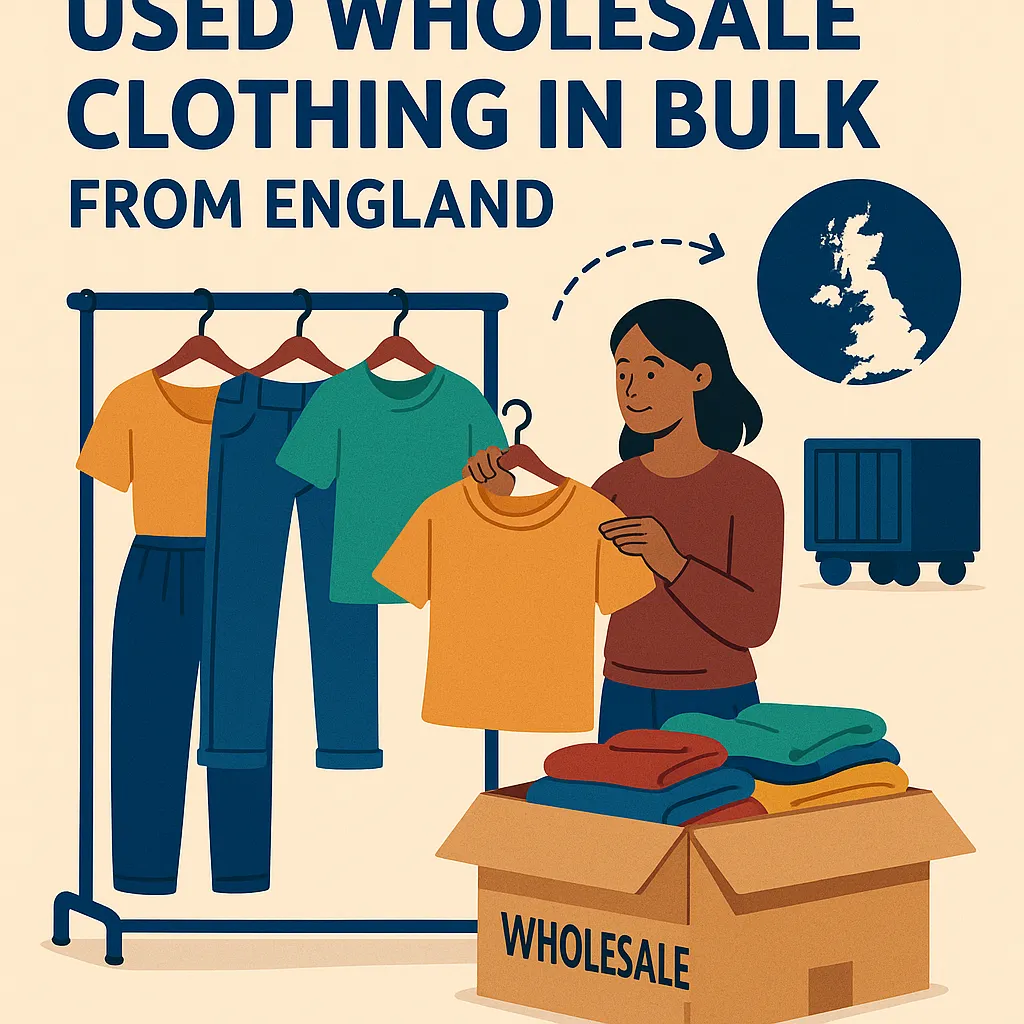
When it comes to sourcing used wholesale clothing in bulk, retailers face a myriad of choices that can significantly impact their business. With the rise of sustainable fashion, many businesses are turning to bulk used clothing to meet customer demand while also promoting eco-friendly practices. This market offers an array of benefits, including cost-effectiveness, diverse product selection, and the ability to cater to various customer preferences. Retailers can acquire high-quality, gently used apparel at a fraction of the cost compared to new clothing, making it an attractive option for those looking to maximize profit margins while minimizing their carbon footprint. Understanding where to find reliable suppliers and how to manage inventory effectively is crucial for success in this bustling sector.
Understanding the Market for Used Wholesale Clothing
The market for used wholesale clothing in bulk has seen exponential growth in recent years, driven by a heightened awareness of sustainability and ethical fashion. Consumers are increasingly seeking options that not only provide value but also align with their values. As a result, retailers must adapt to these changing consumer preferences by offering a curated selection of pre-owned apparel. This involves not only sourcing quality items but also understanding trends in the second-hand market. Retailers can benefit from analyzing the demographics of their target audience, identifying popular brands, and selecting styles that resonate with their customers. By staying informed about market trends and consumer behavior, businesses can make data-driven decisions that enhance their inventory strategies and ultimately lead to increased sales.
Where to Source Used Wholesale Clothing
Finding reputable sources for used wholesale clothing in bulk is essential for retailers looking to stock their shelves. One effective strategy is to establish relationships with suppliers who specialize in second-hand apparel. This could include wholesalers, thrift stores, or even direct-from-consumer platforms that offer bulk purchasing options. Another avenue to explore is attending trade shows and industry events where vendors showcase their products. This provides retailers with the opportunity to connect with suppliers, assess the quality of the items, and negotiate pricing. Additionally, online marketplaces have become increasingly popular for sourcing used clothing. Retailers can browse various listings and select items that fit their brand image and customer preferences. By diversifying sourcing strategies, retailers can ensure a steady supply of unique, quality clothing options.
The Benefits of Buying in Bulk
Purchasing used wholesale clothing in bulk comes with several advantages that can significantly benefit retailers. Firstly, buying in bulk often leads to lower per-unit costs, allowing retailers to maximize their profit margins. This is particularly important in a competitive retail landscape where pricing can be a deciding factor for consumers. Additionally, bulk purchasing enables retailers to maintain consistent inventory levels, ensuring that they can meet customer demand without experiencing stockouts. This improves customer satisfaction and encourages repeat business. Furthermore, bulk purchasing allows for a wider variety of styles and sizes to be available, catering to a broader audience. Retailers can create a dynamic shopping experience that attracts more customers and builds brand loyalty by offering diverse options.
Managing Inventory Effectively
Effective inventory management is critical when dealing with used wholesale clothing in bulk. Unlike new clothing, used items come with varying conditions and styles, making it essential for retailers to develop a robust system for tracking their inventory. Implementing a reliable inventory management software can help retailers monitor stock levels, assess the condition of items, and streamline the purchasing process. This technology allows businesses to categorize their inventory based on size, style, and condition, making it easier to respond to customer inquiries and fulfill orders promptly. Additionally, adopting a first-in, first-out (FIFO) approach can help ensure that older inventory is sold before newer items, reducing the risk of unsold stock. By prioritizing effective inventory management, retailers can enhance operational efficiency and ultimately drive sales growth.
Marketing Your Used Wholesale Clothing
Once retailers have sourced their used wholesale clothing in bulk and organized their inventory, the next step is to effectively market these items to potential customers. Utilizing social media platforms can be a powerful tool for reaching a wider audience, showcasing unique pieces, and building a brand identity centered around sustainability. Engaging content, such as styling tips and behind-the-scenes looks at the sourcing process, can resonate with consumers and foster a community around the brand. Additionally, leveraging email marketing campaigns can keep customers informed about new arrivals and promotions. Retailers may also consider collaborating with influencers who align with their brand values to reach new audiences and enhance credibility. By implementing these marketing strategies, retailers can effectively promote their used clothing offerings and drive traffic to their stores.
Building Customer Relationships
Establishing and maintaining strong customer relationships is essential for the long-term success of any retail business, particularly in the used clothing market. Providing exceptional customer service, including personalized shopping experiences and responsive communication, can help foster loyalty among consumers. Retailers should prioritize listening to customer feedback, as this invaluable insight can guide future purchasing decisions and improve overall satisfaction. Implementing loyalty programs or incentives for repeat customers can also enhance relationships and encourage ongoing patronage. Furthermore, creating a welcoming and engaging shopping environment, whether online or in-store, can significantly impact how customers perceive the brand. By prioritizing customer relationships, retailers can enhance their reputation and ensure sustained success in the competitive landscape of used wholesale clothing.
Conclusion
The market for used wholesale clothing in bulk presents a wealth of opportunities for retailers seeking to diversify their inventory and appeal to eco-conscious consumers. By understanding the intricacies of this sector, from sourcing to marketing and inventory management, businesses can position themselves for success. As the demand for sustainable fashion continues to grow, retailers who embrace this trend and adapt their strategies accordingly will be well-equipped to thrive in today's retail landscape. To explore a wide selection of quality used wholesale clothing, visit our website and discover the perfect pieces to elevate your store's offerings.
| Brand | Condition | Price | Quantity | Category |
|---|---|---|---|---|
| Brand A | Good | $5.00 | 50 | Tops |
| Brand B | Excellent | $8.00 | 30 | Pants |
| Brand C | Fair | $3.00 | 20 | Outerwear |
| Brand D | Good | $6.00 | 40 | Dresses |
| Brand E | Excellent | $7.00 | 25 | Skirts |
If you're ready to take your retail business to the next level with used wholesale clothing in bulk, we invite you to contact us today for more information. Our team is here to assist you in finding the right products that meet your needs.
Disclaimer: The information provided in this article is for informational purposes only and does not constitute legal or financial advice. Always consult with a professional when making business decisions.
FAQ
What is used wholesale clothing in bulk?
Used wholesale clothing in bulk refers to large quantities of pre-owned garments sold at a reduced price, typically aimed at retailers and resellers. This type of clothing is sourced from various suppliers and can include a wide range of styles, brands, and conditions. Retailers purchase these items to stock their stores, offering consumers affordable and sustainable fashion options. By buying in bulk, retailers benefit from lower costs per item, enabling them to pass savings on to customers while still maintaining healthy profit margins.
Why should retailers consider buying used clothing in bulk?
Retailers should consider buying used clothing in bulk due to the significant cost savings and the growing consumer demand for sustainable fashion. Purchasing in bulk usually leads to lower prices per item, allowing retailers to maximize their profit margins. Additionally, as consumers increasingly prioritize eco-friendly practices, offering pre-owned clothing can attract a broader customer base and enhance brand loyalty. This approach not only benefits retailers financially but also aligns their business with environmentally conscious values, appealing to modern shoppers.
How can retailers ensure quality when sourcing used clothing?
To ensure quality when sourcing used clothing, retailers should establish relationships with reputable suppliers who have a track record of providing high-quality items. It is essential to request samples or visit suppliers in person to assess the quality and condition of the clothing. Retailers should also set specific criteria regarding the types of items they are willing to accept, focusing on popular brands and styles that resonate with their target audience. Implementing a thorough inspection process upon receiving inventory can further help maintain quality standards.
What are the best practices for marketing used clothing?
Effective marketing practices for used clothing involve leveraging social media, creating engaging content, and building an online community. Retailers can showcase unique pieces and styling tips to attract potential customers. Email campaigns can keep customers informed about new arrivals and promotions. Collaborating with influencers who share similar values can also enhance brand visibility. Additionally, creating a user-friendly website that highlights the sustainability aspect of used clothing can draw in eco-conscious consumers, making them feel good about their purchases.
How does inventory management differ for used clothing?
Inventory management for used clothing differs from new clothing due to the variability in condition, style, and sizing. Retailers must implement systems that allow them to track these differences effectively. Using inventory management software can help categorize items based on their condition and style, ensuring that retailers can respond to customer inquiries promptly. Adopting a first-in, first-out (FIFO) approach is also crucial, as it helps retailers sell older inventory before newer items, reducing the risk of unsold stock.
What are the challenges of selling used clothing?
Selling used clothing comes with unique challenges, including variability in item condition and consumer perceptions about pre-owned apparel. Retailers must address quality control issues to ensure customer satisfaction and minimize returns. Additionally, educating consumers about the benefits of purchasing used clothing is essential to overcome stigma. Retailers must also manage inventory effectively to avoid stockouts and ensure that they can meet customer demand. By addressing these challenges proactively, retailers can create a successful business model centered around used clothing.
Ready to Join the Sustainable Fashion Revolution?
Discover how our wholesale secondhand clothing can transform your business while supporting environmental sustainability.