Quality 2nd Hand Clothes Wholesale for Your Business
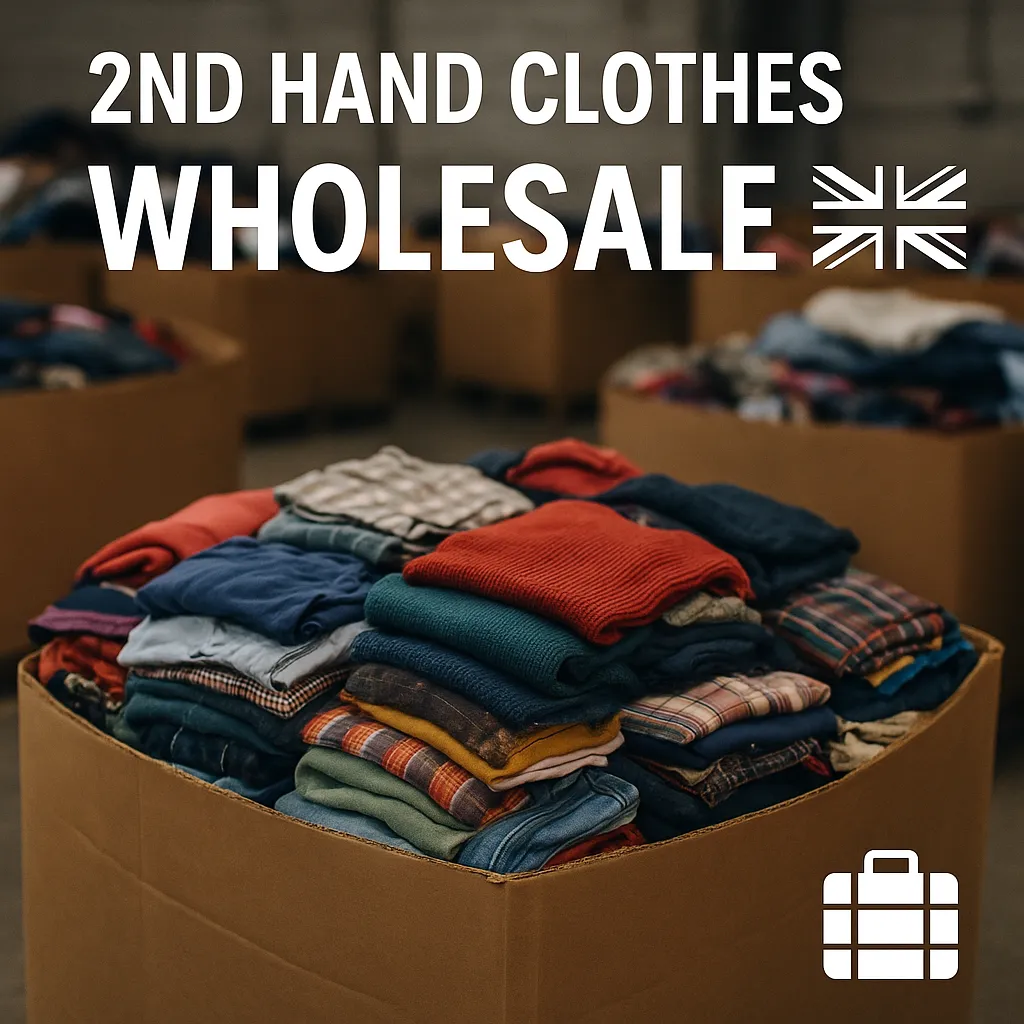
When it comes to stocking your retail store with affordable and stylish options, 2nd hand clothes wholesale offers an excellent solution. These garments not only provide great value, but they also cater to a growing market of eco-conscious consumers who prefer sustainable fashion choices. By sourcing wholesale second-hand clothes, retailers can significantly reduce their inventory costs while appealing to a demographic that values both affordability and environmental responsibility. As the demand for unique and vintage clothing continues to rise, businesses have a golden opportunity to tap into this trend by offering curated collections of pre-loved garments that tell a story. In this article, we will explore the different aspects of 2nd hand clothes wholesale, including sourcing strategies, market trends, and how to effectively sell these goods to maximize profitability.
Understanding the Market for 2nd Hand Clothes Wholesale
The market for second-hand clothing has expanded exponentially over the last few years, driven by changing consumer attitudes towards sustainability and a desire for unique fashion items. Retailers who specialize in 2nd hand clothes wholesale can benefit from this trend by sourcing high-quality garments that appeal to a diverse customer base. Understanding market trends is crucial for any retailer looking to enter this space. For instance, vintage clothing has seen a resurgence in popularity, with consumers willing to pay a premium for one-of-a-kind pieces that reflect their individual style. Additionally, the rise of online shopping has made it easier than ever for customers to access second-hand clothing, allowing retailers to reach a broader audience. By keeping an eye on these trends, businesses can strategically curate their inventory to meet the demands of their customers, ensuring a steady flow of sales.
How to Source Quality 2nd Hand Clothes
Sourcing quality 2nd hand clothes wholesale involves building relationships with reliable suppliers and understanding where to find the best deals. One effective method is to work with established wholesalers who specialize in second-hand clothing. These wholesalers often have access to large quantities of clothing at competitive prices, making it easier for retailers to stock their shelves without breaking the bank. Another option is to attend trade shows and industry events focused on sustainable fashion, where retailers can connect directly with suppliers and discover new products. Online marketplaces also offer a wealth of opportunities for sourcing second-hand clothing, with many platforms specifically dedicated to wholesale transactions. By diversifying sourcing methods and maintaining strong supplier relationships, retailers can ensure they have a consistent flow of quality merchandise to offer their customers.
Marketing Strategies for Selling 2nd Hand Clothes
Once you've acquired your inventory of 2nd hand clothes wholesale, the next step is to effectively market these items to your target audience. Social media platforms, such as Instagram and Facebook, have become essential tools for promoting second-hand clothing stores. By creating visually appealing content that showcases unique pieces, retailers can attract followers and drive traffic to their online or physical stores. Additionally, hosting events such as pop-up shops or trunk shows can create buzz and allow customers to experience the quality and uniqueness of your offerings firsthand. Collaborating with local influencers who share a passion for sustainable fashion can also amplify your marketing efforts and reach new customers. Finally, providing excellent customer service and engaging with customers through personalized communication can help build loyalty and encourage repeat business.
Challenges Facing the 2nd Hand Clothes Wholesale Industry
While the 2nd hand clothes wholesale market presents numerous opportunities, it is not without its challenges. One major concern is the perception of second-hand clothing, which can sometimes be associated with lower quality or undesirable items. Retailers must work diligently to change this narrative by curating high-quality inventory and promoting the benefits of sustainable fashion. Additionally, competition in the second-hand market is heating up, with both small businesses and large retailers entering the space. To stand out, it’s crucial to develop a strong brand identity that resonates with your target audience. Moreover, managing inventory effectively can be complicated due to the unique nature of second-hand garments, which can vary widely in condition and style. Retailers must be prepared to invest in proper inventory management systems to track their stock and ensure they are offering the best possible selection to their customers.
Building Customer Loyalty in the 2nd Hand Clothing Market
Establishing a loyal customer base is essential for long-term success in the 2nd hand clothes wholesale business. One of the most effective ways to foster loyalty is by creating a community around your brand. This can be achieved through engaging with customers on social media, hosting events, and encouraging feedback. When customers feel connected to a brand, they are more likely to return for future purchases. Offering loyalty programs or discounts for repeat customers can also incentivize them to choose your store over competitors. Additionally, showcasing customer testimonials and highlighting positive experiences can create social proof that encourages new customers to shop with you. By consistently delivering exceptional products and experiences, retailers can cultivate a dedicated following that will sustain their business in the competitive second-hand market.
The Future of 2nd Hand Clothes Wholesale
The future of 2nd hand clothes wholesale looks promising as consumers continue to prioritize sustainability and individuality in their fashion choices. As more people become aware of the environmental impact of fast fashion, the demand for second-hand clothing is expected to increase. Retailers who adapt to these changing preferences and innovate their business models will be well-positioned to thrive. Additionally, advancements in technology, such as artificial intelligence and data analytics, will enable retailers to better understand customer preferences and optimize their inventory management. Online platforms will likely continue to grow, providing shoppers with even more options for purchasing second-hand clothing. By staying ahead of these trends and focusing on quality and customer experience, businesses can ensure their relevance in the evolving landscape of fashion retail.
Conclusion
In conclusion, the 2nd hand clothes wholesale market offers an incredible opportunity for retailers to capitalize on changing consumer preferences. With a focus on quality sourcing, effective marketing strategies, and building customer loyalty, businesses can thrive in this growing market. As sustainability becomes increasingly important in the fashion industry, the appeal of second-hand clothing will only continue to rise. Retailers who embrace this trend and adapt their strategies accordingly will find themselves at the forefront of a movement that not only benefits their bottom line but also contributes to a more sustainable future for fashion.
FAQ
What are the benefits of 2nd hand clothes wholesale?
Purchasing 2nd hand clothes wholesale offers numerous benefits for retailers. It allows businesses to acquire unique and high-quality garments at lower costs, providing a competitive edge in a market that values affordability and sustainability. The growing trend towards eco-friendly fashion means that customers are increasingly seeking out second-hand options, allowing retailers to tap into this demand. Additionally, sourcing wholesale second-hand clothing can help diversify inventory, attracting a wider range of customers and increasing sales potential. Overall, embracing this market can lead to increased profitability while promoting sustainable practices.
How can I effectively market 2nd hand clothes?
Effective marketing of 2nd hand clothes involves utilizing social media platforms to showcase unique items, engaging with customers, and highlighting the benefits of sustainable fashion. Creating visually appealing content that resonates with your target audience is essential. Additionally, hosting events, collaborating with local influencers, and offering promotions can enhance visibility and attract new customers. Building a loyal customer base through excellent service and community engagement is also vital for long-term success in this market.
Where can I find reliable suppliers for 2nd hand clothes?
Reliable suppliers for 2nd hand clothes can often be found through established wholesale distributors specializing in second-hand clothing. Trade shows and industry events focused on sustainable fashion can also provide valuable networking opportunities. Additionally, online marketplaces dedicated to wholesale transactions offer a wide variety of options for sourcing quality garments. Building strong relationships with suppliers is crucial for ensuring a consistent supply of inventory and maintaining quality.
What challenges do retailers face in the second-hand clothing market?
Retailers in the second-hand clothing market face challenges such as changing consumer perceptions, competition from other retailers, and effective inventory management. Overcoming stereotypes associated with second-hand clothing requires a commitment to curating high-quality products and developing a strong brand identity. Competition can be fierce, necessitating innovative marketing strategies and exceptional customer service. Lastly, managing the unique inventory of second-hand garments can pose logistical challenges that retailers must address to maintain an appealing selection.
How can I build customer loyalty in the 2nd hand clothing business?
Building customer loyalty in the 2nd hand clothing business involves creating a community around your brand through engagement and personalized experiences. Offering loyalty programs, discounts for repeat customers, and highlighting positive customer experiences can incentivize return visits. Consistently delivering exceptional products and service is also crucial for fostering loyalty. When customers feel valued and connected to your brand, they are more likely to become loyal supporters of your business.
What trends are shaping the future of 2nd hand clothes wholesale?
The future of 2nd hand clothes wholesale is being shaped by trends such as increasing consumer awareness of sustainability, the popularity of unique fashion items, and the growth of online shopping platforms. As customers prioritize eco-friendly choices, the demand for second-hand clothing is expected to rise. Retailers who adapt to these trends and innovate their business models will find themselves well-positioned for success in this evolving market.
Ready to Join the Sustainable Fashion Revolution?
Discover how our wholesale secondhand clothing can transform your business while supporting environmental sustainability.