Second Hand Clothes Wholesale Switzerland: A Sustainable Choice
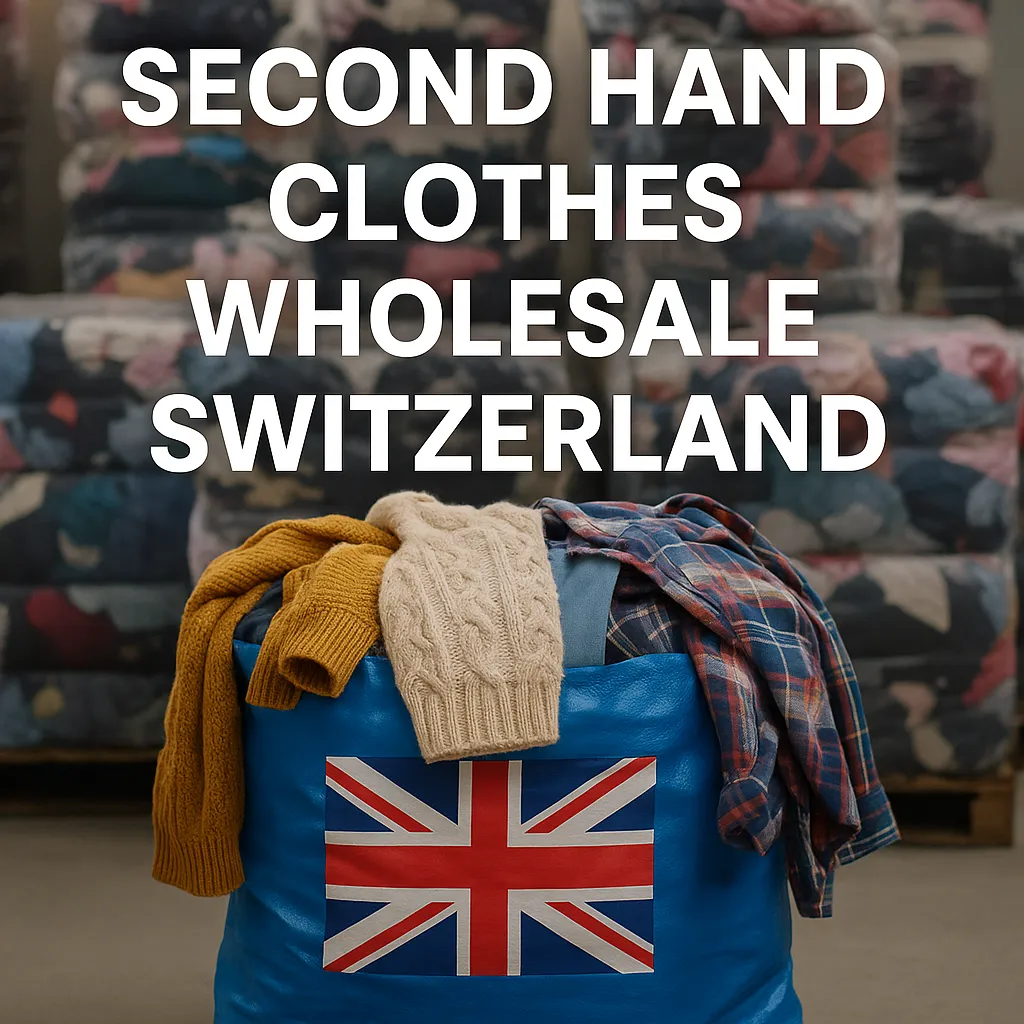
Second hand clothes wholesale Switzerland offers an incredible opportunity for businesses and individuals prioritizing sustainability and affordability. The growing awareness of fast fashion's environmental impact has led to a surge in demand for pre-owned clothing. Switzerland, known for its high standards in quality and sustainability, presents a thriving market for wholesale second hand apparel. Whether you are a retailer looking to diversify your inventory or an entrepreneur seeking to tap into the eco-conscious consumer base, sourcing second hand clothes in Switzerland is an excellent move. Not only do these garments reduce waste and promote recycling, but they also provide unique fashion pieces that tell a story. In this article, we will explore the benefits, sourcing strategies, and market trends surrounding second hand clothing wholesale in Switzerland.
Understanding the Market for Second Hand Clothes
The market for second hand clothing in Switzerland is burgeoning, reflecting a broader global trend towards sustainable fashion. With increased awareness of the adverse effects of fast fashion, many consumers are turning to thrift shops, online marketplaces, and wholesale suppliers for their clothing needs. This evolution is not merely a passing fad; it represents a significant shift in consumer behavior as people become more conscious of their purchasing choices. The appeal of second hand clothes lies in their uniqueness, affordability, and the environmental benefits they offer. Retailers can cater to this growing market segment by understanding their customers' preferences and leveraging the unique characteristics of second hand apparel. Additionally, the regulatory environment in Switzerland promotes sustainability, making it easier for businesses to engage in wholesale activities focused on pre-owned goods. This favorable landscape allows businesses to thrive while supporting a sustainable economy and promoting circular fashion.
Benefits of Wholesale Second Hand Clothing
Engaging in wholesale second hand clothing has numerous benefits that appeal to both retailers and consumers. First and foremost, the financial advantage is significant. Wholesale prices for second hand clothing are typically much lower than new items, allowing retailers to maximize their profit margins while offering customers attractive prices. Additionally, the unique nature of second hand clothing means that retailers can provide exclusive items that are not available in mainstream stores, thereby attracting a niche audience eager for distinctive fashion choices. The environmental impact is another crucial aspect; by opting for second hand clothes, businesses contribute to reducing textile waste and minimizing the carbon footprint associated with manufacturing new garments. Furthermore, the emotional connection that consumers often have with vintage or pre-owned pieces can enhance brand loyalty, as customers appreciate the stories behind these items. Ultimately, the advantages of wholesale second hand clothing encompass economic, environmental, and emotional factors, making it a compelling option for retailers in Switzerland.
Sourcing Strategies for Second Hand Clothes
When it comes to sourcing second hand clothes wholesale in Switzerland, businesses have several effective strategies at their disposal. One of the most fruitful avenues is establishing relationships with local thrift stores, charity shops, and donation centers. These organizations often receive large volumes of clothing and may be open to partnerships for bulk purchases. Another strategy involves attending textile recycling events and trade fairs that focus on sustainable fashion; these gatherings can provide valuable networking opportunities and access to suppliers. Online platforms dedicated to wholesale second hand clothing are also gaining traction, offering convenience and a diverse range of options for retailers. Additionally, businesses can consider importing second hand clothes from other countries where the market is robust, ensuring they have a varied inventory to cater to different tastes. By diversifying their sourcing methods, retailers can secure high-quality second hand clothing that meets the demands of their clientele while enhancing their sustainability credentials.
Trends in Second Hand Clothing Wholesale
The trends in second hand clothing wholesale are consistently evolving, driven by changing consumer preferences and technological advancements. A prominent trend is the rise of online resale platforms, which allow consumers to buy and sell pre-owned clothing easily. These platforms not only facilitate the exchange of garments but also create a community around sustainable fashion, encouraging individuals to engage actively with the second hand market. Another trend is the increasing popularity of curated collections, where retailers handpick high-quality second hand items to create a cohesive shopping experience for their customers. This approach attracts consumers seeking unique finds without the overwhelming variety often associated with thrift shopping. Furthermore, the integration of technology in the form of apps and websites that streamline the resale process is becoming commonplace, making it easier for consumers to access second hand clothing. As these trends continue to shape the second hand clothing landscape, retailers in Switzerland must stay informed and adapt to meet the demands of their eco-conscious consumers effectively.
Building a Sustainable Business Model
Establishing a successful wholesale second hand clothing business in Switzerland requires a commitment to sustainability at every level. This involves adopting ethical sourcing practices, ensuring transparency in supply chains, and promoting responsible consumption among customers. Retailers can cultivate a strong brand identity centered around sustainability by communicating their values and the positive impacts of purchasing second hand clothing. Additionally, incorporating eco-friendly packaging and minimizing waste in operations can further enhance a brand's commitment to sustainability. Engaging in community initiatives, such as clothing drives or partnerships with local charities, can also bolster a retailer's reputation and foster customer loyalty. As consumers increasingly seek brands that align with their values, a sustainable business model not only contributes to environmental conservation but also positions retailers favorably in a competitive market. By prioritizing sustainability, businesses can tap into the growing demand for second hand clothing while making a meaningful impact on the planet.
Marketing Your Second Hand Clothing Business
Effective marketing is essential for any wholesale second hand clothing business aiming to stand out in a crowded marketplace. Utilizing social media platforms allows retailers to showcase their unique inventory, tell compelling stories about the garments, and connect with a broader audience. Visual content, such as high-quality images and engaging videos, can significantly enhance brand visibility and attract potential customers. Additionally, influencer partnerships can amplify reach, as eco-conscious influencers are often willing to promote sustainable fashion choices to their followers. Email marketing is another powerful tool for keeping customers informed about new arrivals, special promotions, and sustainability initiatives. Building a community around second hand clothing can also foster customer engagement; hosting events or workshops centered on sustainable fashion can create a loyal customer base that feels personally connected to the brand. By implementing a multifaceted marketing strategy, retailers can effectively promote their wholesale second hand clothing offerings while championing sustainability.
Challenges and Solutions in the Second Hand Market
While the second hand clothing market presents numerous opportunities, it is not without its challenges. One significant obstacle is the perception that second hand clothing is of lower quality or less desirable than new items. To counter this, retailers must emphasize the quality and uniqueness of their products through careful curation and transparent communication about sourcing methods. Another challenge is competition from fast fashion brands that can offer new clothing at lower prices. To differentiate themselves, second hand retailers can focus on building strong brand identities rooted in sustainability and customer engagement, highlighting the environmental benefits of choosing pre-owned garments. Additionally, managing inventory can be complex due to the unpredictable nature of second hand sourcing. Retailers can address this by implementing robust inventory management systems and maintaining relationships with multiple suppliers to ensure a steady flow of high-quality items. By proactively addressing these challenges, businesses can thrive in the second hand clothing wholesale market in Switzerland.
Second Hand Clothes Wholesale Switzerland: FAQs
What are the benefits of second hand clothes wholesale Switzerland?
The benefits of second hand clothes wholesale Switzerland extend to cost savings, environmental sustainability, and unique fashion offerings. Retailers can purchase high-quality, pre-owned clothing at significantly lower prices compared to new items, allowing them to maintain healthy profit margins while appealing to budget-conscious consumers. Additionally, sourcing second hand garments contributes to reducing textile waste and minimizing the environmental impact associated with the fast fashion industry. Such practices resonate well with today's eco-conscious shoppers, who are increasingly prioritizing sustainability in their purchasing decisions. Moreover, the uniqueness and character of second hand clothing enable retailers to offer exclusive pieces that can't be easily found in mainstream stores, attracting a diverse customer base eager for distinctive fashion choices. Overall, engaging in wholesale second hand clothing is a strategic move that benefits businesses financially and aligns with the growing demand for sustainable practices.
How can I start a second hand clothing wholesale business?
Starting a second hand clothing wholesale business involves several crucial steps. First, conduct thorough market research to understand consumer preferences and identify potential suppliers. Establishing relationships with local thrift stores, charity organizations, and textile recyclers can provide a steady supply of quality garments. Once you have sourced your inventory, create a business plan that outlines your target market, pricing strategy, and marketing approach. It's essential to build a strong brand identity that emphasizes sustainability and the unique value of second hand clothing. Setting up an online store or utilizing social media platforms can effectively reach your audience. Additionally, consider attending trade fairs and networking events to connect with other businesses and stay updated on industry trends. Finally, prioritize customer engagement and feedback to refine your offerings continually. By following these steps, you can successfully launch and grow your second hand clothing wholesale business.
What types of second hand clothes are most popular?
The popularity of second hand clothes varies by season and consumer trends, but certain categories consistently attract attention. Vintage clothing, including unique pieces from past decades, has a strong appeal among consumers seeking distinctive fashion statements. Casual wear, such as jeans, t-shirts, and activewear, tends to be in high demand due to its practicality and comfort. Additionally, high-quality designer items often retain their value and desirability in the second hand market, making them popular choices for savvy shoppers. Seasonal items, such as winter coats or summer dresses, also tend to see spikes in demand as the weather changes. Retailers should stay informed about current fashion trends and consumer preferences to curate a diverse inventory that meets the needs of their target audience. By focusing on popular categories, businesses can enhance their sales potential and attract a loyal customer base.
How can I promote sustainability in my second hand clothing business?
Promoting sustainability in a second hand clothing business can be achieved through several strategies. First, emphasize the environmental benefits of purchasing pre-owned garments, such as reducing textile waste and lowering carbon emissions associated with new clothing production. Use your marketing channels to educate consumers about the importance of sustainable fashion choices and the positive impact their purchases can have on the planet. Additionally, consider implementing eco-friendly practices in your operations, such as using sustainable packaging and reducing energy consumption. Engaging in community initiatives, such as hosting clothing drives or partnering with local charities, can further demonstrate your commitment to sustainability. Transparency about your sourcing practices and the journey of your products can also resonate with consumers. By actively promoting sustainability, your business can attract environmentally conscious customers and build a strong, values-driven brand.
What challenges do second hand clothing retailers face?
Second hand clothing retailers face several challenges that can impact their success. One significant obstacle is the perception that second hand items are of lower quality compared to new garments, which can deter potential customers. To combat this, retailers must focus on carefully curating their inventory and providing detailed information about the sourcing and condition of their products. Another challenge is competition from fast fashion brands, which can offer new clothing at lower prices. To differentiate themselves, second hand retailers should emphasize their unique value propositions, such as sustainability and the distinctiveness of their offerings. Additionally, managing inventory can be complex due to the variable nature of second hand sourcing, making it essential to implement efficient inventory management practices. By addressing these challenges head-on, retailers can position themselves effectively in the market and thrive in the second hand clothing industry.
| Type of Clothing | Price Range | Condition | Popularity | Availability |
|---|---|---|---|---|
| Vintage Dresses | €30 - €100 | Good | High | Moderate |
| Casual Wear | €10 - €50 | Fair to Good | Very High | High |
| Designer Items | €100 - €500 | Good to Excellent | High | Low |
| Seasonal Clothing | €20 - €80 | Good | Moderate | High |
| Activewear | €15 - €70 | Fair to Good | High | Moderate |
In conclusion, the wholesale second hand clothing market in Switzerland presents a unique opportunity for businesses to profit while promoting sustainability. By understanding market dynamics, sourcing effectively, and employing strategic marketing, retailers can build successful operations that resonate with eco-conscious consumers. If you want to explore quality second hand clothing options, check out our stock page for great selections. For more information about our offerings, don’t hesitate to contact us.
Disclaimer: The information provided in this article is for general informational purposes only and should not be considered professional advice. Always conduct your research and consult with experts when starting a business.
Ready to Join the Sustainable Fashion Revolution?
Discover how our wholesale secondhand clothing can transform your business while supporting environmental sustainability.