Second Hand Shoes in Bulk: A Smart Choice for Retailers
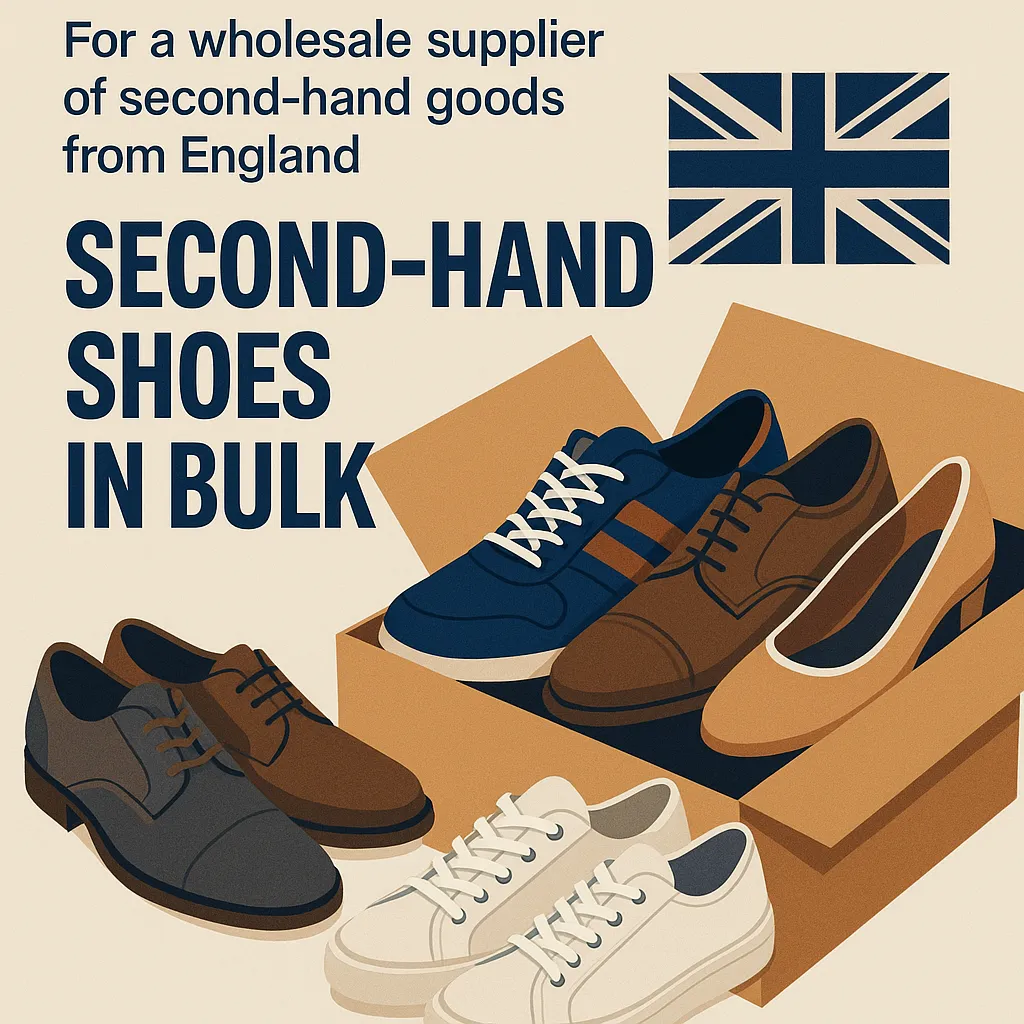
When it comes to sourcing inventory for your retail business, second hand shoes in bulk can be a game changer. The demand for sustainable fashion has surged, leading many retailers to seek high-quality, pre-owned footwear. By opting for bulk purchases, businesses can not only save on costs but also provide their customers with unique and eco-friendly options. This article delves into the advantages of buying second hand shoes in bulk, how to choose the right supplier, and tips for successful resale.
The Advantages of Buying Second Hand Shoes in Bulk
Purchasing second hand shoes in bulk comes with numerous benefits that can significantly impact a retailer’s bottom line. Firstly, the cost savings associated with bulk buying cannot be overstated. Retailers can often negotiate better prices when purchasing large quantities, allowing for greater profit margins on resale. Secondly, the variety and uniqueness of second hand footwear can attract a diverse customer base. Shoppers are increasingly looking for one-of-a-kind items that reflect their personal style, and bulk purchases can provide an extensive selection. Additionally, buying pre-owned shoes supports sustainable practices by reducing waste and encouraging recycling within the fashion industry. This not only appeals to eco-conscious consumers but also enhances a retailer’s brand image as a responsible business. Finally, the ability to quickly restock popular items is crucial in the fast-paced retail environment, and bulk buying enables retailers to maintain a steady supply of sought-after products.
Choosing the Right Supplier for Second Hand Shoes
Finding a reliable supplier for second hand shoes in bulk is essential for any retailer looking to thrive in this competitive market. Start by researching potential suppliers to assess their reputation and the quality of their products. Look for suppliers who provide detailed information about their sourcing practices and offer transparency regarding the condition of the shoes. It’s also beneficial to request samples before committing to a large order, allowing you to inspect the quality firsthand. Additionally, consider the supplier's return policy and shipping options, as these can significantly affect your operational efficiency. Another factor to evaluate is the supplier’s ability to provide consistent inventory, as fluctuations can disrupt your sales strategy. Building a long-term relationship with a trustworthy supplier can lead to better deals and exclusive access to new inventory, ultimately benefiting your business.
Reselling Strategies for Second Hand Shoes
Successfully reselling second hand shoes requires a strategic approach to attract and retain customers. First, focus on creating an appealing online presence, whether through your website or social media platforms. High-quality images and detailed descriptions of each pair can entice potential buyers. Use SEO techniques to optimize your listings, ensuring that keywords such as “second hand shoes in bulk” are naturally integrated to improve visibility in search engine results. Additionally, consider offering promotions or discounts to incentivize first-time buyers or bulk purchases. Engaging with customers through newsletters, loyalty programs, and interactive social media content can create a community around your brand, encouraging repeat business. Lastly, staying updated on fashion trends can help you curate a selection that aligns with current consumer interests, ensuring that your inventory remains relevant and desirable.
Maintaining Quality and Sustainability
Retailers must prioritize quality and sustainability when dealing with second hand shoes in bulk. Ensuring that the footwear you offer is in good condition is paramount; customers expect high standards even for pre-owned items. Implement a rigorous quality control process to assess each pair before it reaches your store. This may include cleaning, repairing, or refurbishing shoes as needed to meet quality expectations. Furthermore, promoting your commitment to sustainability can enhance your brand’s image and attract eco-conscious shoppers. Share your sourcing practices and the environmental benefits of buying second hand on your platforms. Educating customers about the positive impact of their purchases can create a loyal customer base that values your ethical approach. By effectively balancing quality and sustainability, retailers can carve out a niche in the second hand market, appealing to a growing demographic of environmentally aware consumers.
Table of Second Hand Shoes Features
| Brand | Condition | Size | Price | Stock |
|---|---|---|---|---|
| Nike | Good | 10 | $40 | 50 |
| Adidas | Fair | 9 | $35 | 30 |
| Puma | Excellent | 11 | $50 | 20 |
| New Balance | Good | 8 | $45 | 25 |
| Vans | Fair | 7 | $30 | 15 |
Conclusion and Call to Action
In summary, sourcing second hand shoes in bulk offers numerous advantages for retailers. From cost savings to sustainability, the benefits are clear. By choosing the right suppliers, employing effective reselling strategies, and prioritizing quality and sustainability, retailers can make the most of this growing market. For those interested in exploring our wide selection of second hand shoes, we invite you to visit our product page or contact us for more information. Embrace the second hand revolution and watch your retail business thrive!
FAQ
What are the benefits of buying second hand shoes in bulk?
Buying second hand shoes in bulk offers numerous advantages for retailers, including significant cost savings, a diverse selection to attract various customer demographics, and the opportunity to promote sustainable fashion practices. Retailers can negotiate better prices on bulk orders, enhancing profit margins, while unique offerings can fulfill the demand for one-of-a-kind items. Furthermore, supporting sustainability by reducing waste in the fashion industry resonates with eco-conscious consumers, improving brand reputation.
How can I ensure the quality of second hand shoes?
To ensure the quality of second hand shoes, retailers should implement a thorough quality control process. This involves inspecting each pair for damages, cleaning, and refurbishing as necessary. Establishing relationships with reputable suppliers who prioritize quality can also help maintain high standards. Requesting samples before bulk purchases allows for firsthand evaluation of the shoe's condition, ensuring that only the best products reach your customers.
What should I consider when choosing a supplier?
When selecting a supplier for second hand shoes in bulk, consider factors such as their reputation, quality of products, pricing, and shipping policies. Research potential suppliers thoroughly and read reviews from other retailers. It’s essential to ensure transparency regarding the sourcing of their shoes and to evaluate their return policy. Building a reliable partnership with a trustworthy supplier can lead to consistent inventory and better deals.
What marketing strategies work best for reselling second hand shoes?
Effective marketing strategies for reselling second hand shoes include optimizing your online presence through SEO, social media engagement, and enticing promotions. High-quality images and detailed product descriptions can attract customers, while newsletters and loyalty programs encourage repeat business. Staying informed about current fashion trends allows retailers to curate relevant inventory, appealing to a wider audience.
Can I find second hand shoes for specific occasions?
Yes, many suppliers offer second hand shoes tailored for specific occasions, such as formal events, sports, or casual wear. Retailers can request specialized inventory based on their target audience's needs. By providing a variety of styles and sizes, retailers can cater to diverse customer preferences, ensuring that they have options for any occasion.
Ready to Join the Sustainable Fashion Revolution?
Discover how our wholesale secondhand clothing can transform your business while supporting environmental sustainability.