Sustainable Shopping: The Benefits of Buying Original Secondhand Items
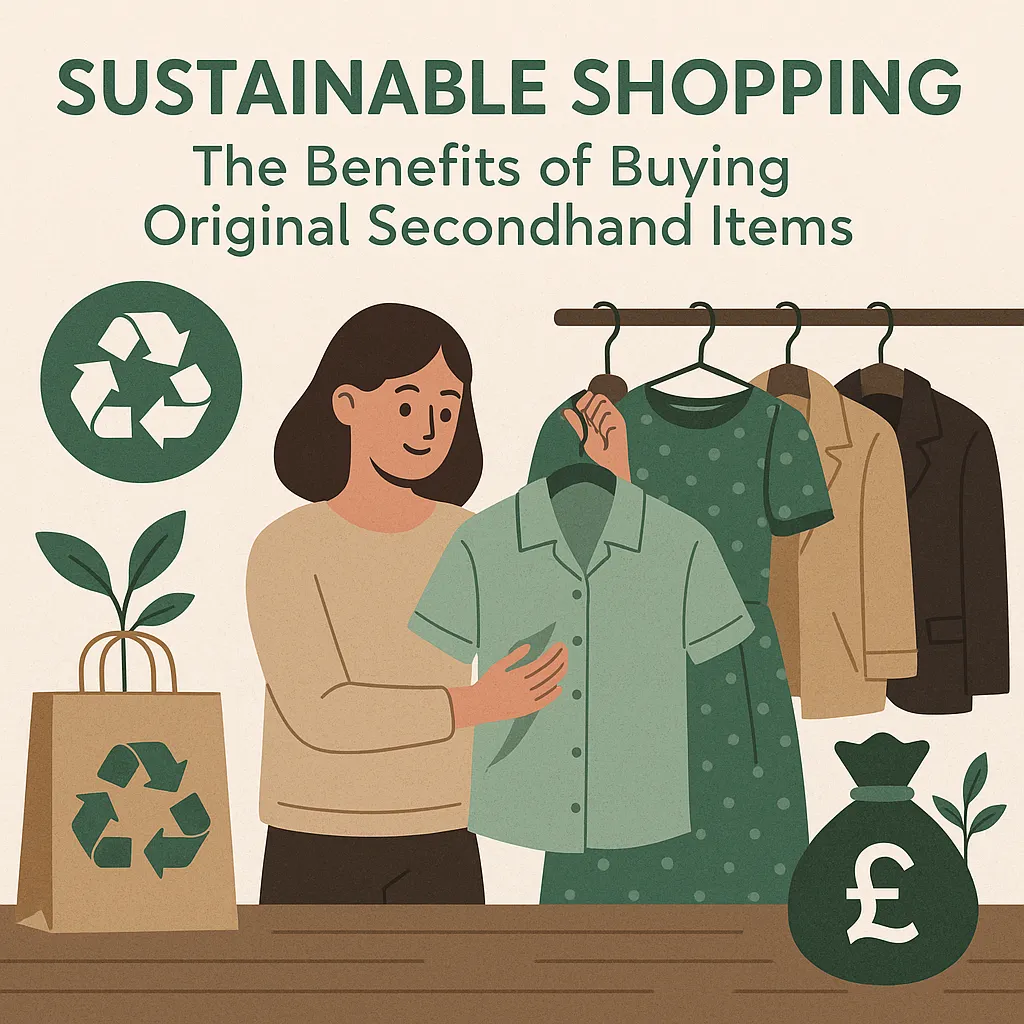
Sustainable Shopping: The Benefits of Buying Original Secondhand Items are numerous and impactful. As consumers become increasingly aware of their environmental footprint, secondhand shopping offers a viable solution to reduce waste and promote sustainability. By choosing original secondhand items, shoppers not only save money but also contribute to a circular economy that prioritizes reuse and recycling. This practice helps to divert items from landfills, reducing pollution and conserving resources. In addition, purchasing secondhand supports local businesses and charities, fostering community growth and resilience. With various platforms available for buying original secondhand items, consumers can find unique pieces that reflect their personal style while adhering to eco-friendly principles. Each purchase made in this manner represents a deliberate choice to support sustainability, making secondhand shopping a responsible and fashionable alternative.
Understanding the Environmental Impact of Secondhand Shopping
The environmental impact of shopping is substantial, with the fast fashion industry contributing significantly to pollution and resource depletion. By opting for secondhand items, consumers can mitigate these negative effects. Secondhand shopping drastically reduces the demand for new products, which often involve resource-intensive production processes. When individuals buy original secondhand items, they are effectively extending the lifecycle of products, minimizing the need for new materials and the energy required to manufacture them. This shift not only decreases waste but also lowers the carbon footprint associated with shipping and production. Every original secondhand item purchased represents a step towards a more sustainable future, allowing consumers to express their values through their purchasing choices. Moreover, the reduction in manufacturing demand means fewer harmful chemicals are released into the environment, further supporting ecological well-being. Understanding these impacts is crucial for anyone looking to make more conscious shopping decisions.
Unique Style and Value in Original Secondhand Items
One of the most appealing aspects of secondhand shopping is the opportunity to find unique items that cannot be found in mainstream retail stores. Original secondhand pieces often reflect diverse styles, trends, and eras, allowing shoppers to curate wardrobes that are truly one-of-a-kind. This individuality is especially attractive to fashion enthusiasts who wish to stand out rather than conform to mass-produced clothing. Additionally, many original secondhand items come with a rich history, adding a layer of narrative to each purchase. Beyond style, these items often come at significantly reduced prices compared to new counterparts, offering excellent value for money. Shoppers can acquire high-quality, original pieces at fractions of the original retail price, making sustainable shopping not only an ethical choice but also a financially savvy one. The combination of unique style and affordability makes original secondhand items an irresistible option for those looking to elevate their wardrobe sustainably.
Supporting Local Economies Through Secondhand Shopping
Engaging in sustainable shopping by purchasing original secondhand items also plays a crucial role in supporting local economies. Many secondhand stores are small businesses or charitable organizations that rely on community support to thrive. When consumers choose to shop secondhand, they are directly contributing to the livelihoods of local entrepreneurs and workers. This dynamic fosters a sense of community and helps to create jobs, thereby enhancing local economic resilience. Additionally, many secondhand shops allocate a portion of their profits to charitable causes, allowing consumers to make purchases that align with their values. By supporting these businesses, shoppers are not just making a purchase; they are investing in their community. The benefits extend beyond the individual transaction, as the money spent in local stores circulates within the community, promoting further economic growth. This cycle of support is vital for nurturing vibrant, sustainable communities that prioritize local needs and values.
The Psychological Benefits of Sustainable Shopping
The psychological benefits of engaging in sustainable shopping practices are often overlooked but are equally significant. Many consumers report feeling a sense of fulfillment and satisfaction when they make environmentally conscious choices, such as purchasing original secondhand items. This practice resonates with the growing awareness of sustainability and environmental responsibility, leading to a positive self-image and increased happiness. Knowing that one's shopping habits contribute to a greater cause can foster a sense of purpose and empowerment. Furthermore, the thrill of hunting for unique secondhand treasures can be exhilarating, providing an enjoyable shopping experience that differs from traditional retail. This excitement can lead to a deeper appreciation for the items purchased and promote mindful consumption. By shifting the focus from quantity to quality, shoppers can cultivate a more meaningful relationship with their belongings, ultimately enhancing their overall well-being. The joy and satisfaction derived from sustainable shopping practices underline the importance of making thoughtful purchasing decisions that align with one’s values.
FAQ
What are the benefits of Sustainable Shopping: The Benefits of Buying Original Secondhand Items?
The benefits of sustainable shopping, particularly when it involves buying original secondhand items, are extensive. Firstly, it significantly reduces waste, as these items are diverted from landfills and given a new life. By purchasing secondhand, consumers lessen the demand for new production, which often entails resource-intensive processes harmful to the environment. Additionally, buying secondhand is often more cost-effective, allowing shoppers to find high-quality items at lower prices. This practice supports local businesses and charities, fostering community engagement and economic resilience. It also provides a unique shopping experience, where individuals can discover one-of-a-kind pieces that reflect their personal style. Overall, sustainable shopping through original secondhand items promotes both individual financial savings and broader environmental benefits.
How can I find quality original secondhand items?
Finding quality original secondhand items requires a mix of strategy and patience. Start by exploring local thrift stores, consignment shops, and online platforms dedicated to secondhand sales. Websites and apps like Poshmark, Depop, and eBay often feature curated selections of high-quality items. When shopping in person, examine fabrics and construction to ensure durability. Look for brand labels known for their quality, and don’t shy away from items showing minor signs of wear, as these can often be repaired or cleaned. Building relationships with local shop owners and staff can also yield valuable insights into incoming inventory. Consistent visits and a keen eye can lead to fantastic finds that uphold the standards of sustainability and quality you seek.
Are original secondhand items a sustainable choice?
Yes, original secondhand items are an exceptionally sustainable choice. Purchasing these items helps reduce waste by extending the lifecycle of products that might otherwise end up in landfills. This practice minimizes the need for new manufacturing, which can be resource-intensive and environmentally damaging. Moreover, buying secondhand supports a circular economy, where items are reused rather than discarded. By choosing original secondhand items, consumers actively participate in sustainability efforts, reducing their carbon footprint and promoting responsible consumption. It’s a choice that not only benefits the individual but also contributes positively to the planet.
How does secondhand shopping support local communities?
Secondhand shopping plays a vital role in supporting local communities by boosting local economies and fostering community connections. Many secondhand shops are small businesses or non-profit organizations that rely on community patronage. When consumers choose to shop secondhand, they contribute directly to the livelihoods of local entrepreneurs and charitable causes. This financial support helps create jobs and stimulate local economies, enhancing overall community resilience. Furthermore, many secondhand stores invest a portion of their profits back into community initiatives, promoting social good and strengthening communal ties. Thus, engaging in secondhand shopping is not just a personal choice; it’s a commitment to the health and growth of the local community.
What types of items can I find in secondhand shops?
Secondhand shops offer a diverse array of items, appealing to various interests and needs. Shoppers can find clothing, accessories, home décor, furniture, books, and more. Many stores specialize in specific categories, such as vintage clothing or used electronics, while others provide a general selection. The variety often includes high-quality original items that may be unique or hard to find in conventional retail environments. Additionally, shoppers may encounter collectibles, antiques, and one-of-a-kind treasures that add character to their homes or wardrobes. By exploring secondhand shops, individuals can discover unique products that align with their personal style and values.
Ready to Join the Sustainable Fashion Revolution?
Discover how our wholesale secondhand clothing can transform your business while supporting environmental sustainability.