The Rise of Original Secondhand: The Appeal and Market Growth
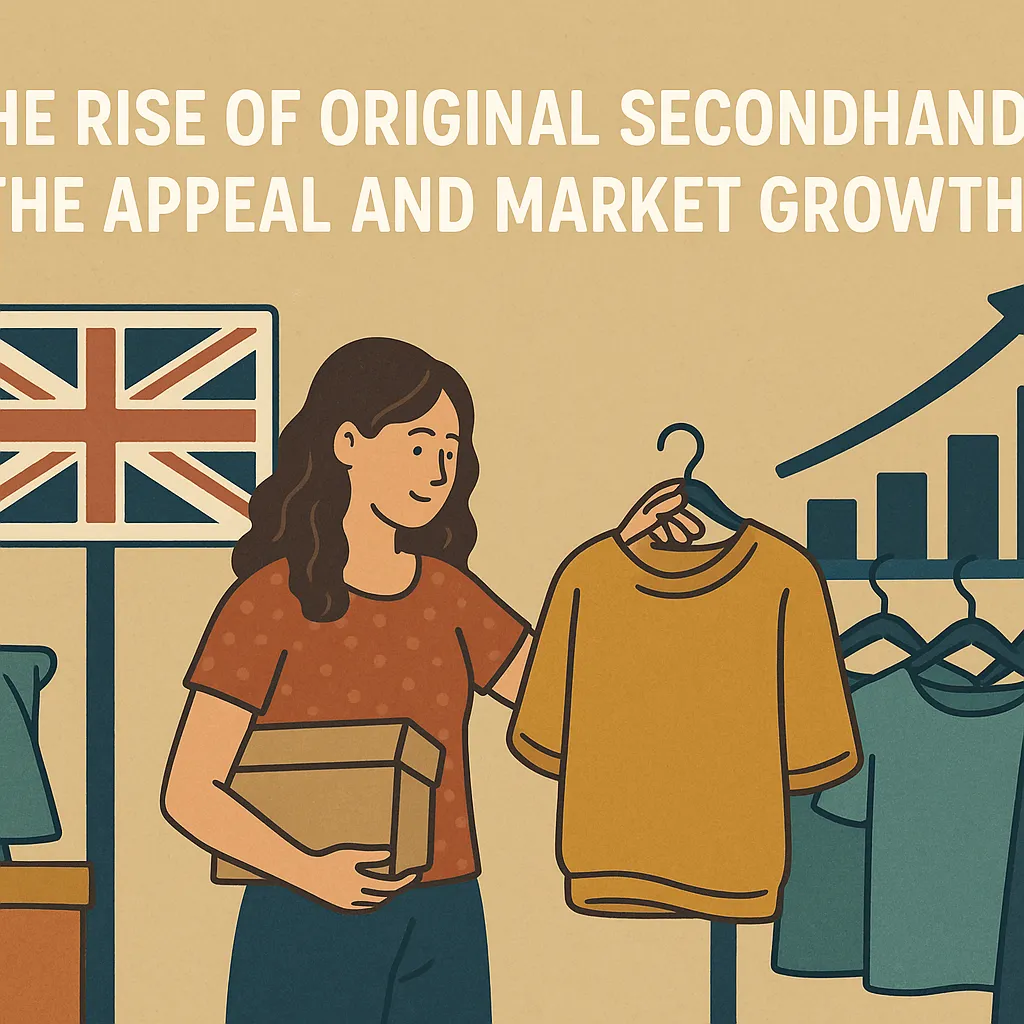
The rise of original secondhand: the appeal and market growth is a phenomenon reshaping the retail landscape. In recent years, consumers have increasingly turned to secondhand products, driven by a desire for sustainability, uniqueness, and affordability. This shift is not just a fleeting trend; it represents a fundamental change in consumer behavior and market dynamics. People are becoming more conscious of their purchasing decisions, opting for pre-owned items that tell a story and reduce waste. This article delves into the various facets of this growing market, examining its appeal and the factors contributing to its remarkable expansion.
Understanding the Appeal of Original Secondhand Products
The appeal of original secondhand products lies in their unique blend of affordability, sustainability, and individuality. Unlike fast fashion items that often lack character and authenticity, secondhand goods offer a sense of history and exclusivity. Shoppers can discover one-of-a-kind pieces that reflect their personal style, making their purchases feel more meaningful. Moreover, the environmental impact of choosing secondhand over new is significant. By purchasing pre-owned items, consumers contribute to a circular economy, reducing waste and conserving resources. This appeal is particularly strong among younger generations who prioritize environmental responsibility in their purchasing choices. Many are drawn to thrift stores and online platforms dedicated to secondhand fashion, where they can find everything from vintage clothing to refurbished electronics, all while making a positive impact on the planet.
Market Growth and Trends in Secondhand Shopping
The market for original secondhand goods has experienced significant growth in recent years, with projections indicating continued expansion. A variety of factors are driving this trend, including the rise of e-commerce, increased awareness of sustainability, and changing consumer preferences. Platforms such as Poshmark, ThredUp, and Depop have revolutionized the way consumers shop for secondhand items, offering convenient online access to a vast array of products. Additionally, social media plays a crucial role in promoting secondhand shopping, as influencers and eco-conscious marketers showcase their thrifted finds, inspiring their followers to embrace this sustainable option. The COVID-19 pandemic further accelerated this trend, as many consumers reevaluated their spending habits and sought more affordable alternatives. As a result, the secondhand market is projected to grow rapidly, potentially surpassing traditional retail sectors in the coming years.
Challenges and Opportunities in the Secondhand Market
While the rise of original secondhand products presents numerous opportunities, it also comes with its share of challenges. One major hurdle is the stigma that often surrounds secondhand shopping, particularly in certain demographics that may view it as less desirable than purchasing new items. Overcoming this perception requires effective marketing strategies that highlight the benefits of secondhand goods, such as their affordability and environmental impact. Another challenge is the quality control of secondhand items, as consumers may be hesitant to purchase products without guarantees of their condition. However, brands that focus on transparency and offer thorough descriptions, photographs, and return policies can build trust with their customers. Innovating around these challenges can result in a more robust secondhand market that attracts a wider audience and enhances customer experiences.
The Role of Technology in Promoting Secondhand Goods
Technology plays a pivotal role in promoting the appeal and market growth of original secondhand products. Online marketplaces and mobile apps have transformed how consumers connect with secondhand items, making it easier to browse and purchase goods from the comfort of their homes. Advanced algorithms and artificial intelligence are being employed to enhance user experiences, offering personalized recommendations based on previous purchases and browsing habits. Additionally, virtual fitting rooms and augmented reality tools are being integrated into platforms to help consumers visualize how secondhand clothing will look on them, thereby reducing the likelihood of returns. Social media platforms also serve as powerful tools for showcasing secondhand finds, creating a community of sustainable shoppers who share their experiences and tips. By leveraging technology, the secondhand market can continue to grow, reaching new audiences and fostering a culture of sustainability.
Community Impact and Social Responsibility
The rise of original secondhand products extends beyond individual consumer choices; it also has significant implications for communities and social responsibility. Many thrift stores and secondhand shops are operated by non-profit organizations, with proceeds supporting various causes, such as education, healthcare, and homelessness. By purchasing secondhand items, consumers contribute to these charitable efforts, creating a ripple effect of positive impact in their communities. Furthermore, the secondhand movement encourages local economies by supporting small businesses and artisans who curate and sell pre-owned goods. As more people engage with the secondhand market, they foster connections with their communities, promoting a sense of belonging and shared values. This community-oriented aspect is vital for sustaining the growth of the secondhand market, as consumers increasingly seek to align their spending with their values.
Future Outlook: The Evolution of Secondhand Shopping
Looking ahead, the future of original secondhand shopping appears bright, with trends suggesting a continued evolution of the market. As sustainability becomes a more pressing concern, consumers are likely to prioritize secondhand options even more. Brands are also beginning to recognize the value of integrating secondhand offerings into their business models, with many launching their own resale platforms or collaborating with existing secondhand marketplaces. This shift not only caters to consumer demand but also helps brands reduce waste and foster a more sustainable approach to production and consumption. Additionally, the rise of rental services and subscription models for secondhand goods will further diversify the market, providing consumers with even more choices. Ultimately, the evolution of secondhand shopping reflects a broader shift toward conscious consumerism, where values and ethics shape purchasing decisions.
Final Thoughts on the Secondhand Revolution
The rise of original secondhand: the appeal and market growth signify a transformative movement within the retail industry. As consumers embrace sustainability, uniqueness, and affordability, the secondhand market continues to expand, presenting new opportunities and challenges. By overcoming stigmas, leveraging technology, and fostering community connections, the appeal of secondhand goods will only strengthen. This revolution in shopping behavior not only benefits consumers but also plays a crucial role in shaping a more sustainable future for the fashion industry and beyond. Embracing secondhand items is not just a trend; it’s a lifestyle choice that reflects a commitment to responsible consumption and a shared vision for a better world.
| Product Type | Condition | Price Range | Popularity | Availability |
|---|---|---|---|---|
| Clothing | Gently Used | $10 - $200 | High | In Stock |
| Shoes | Like New | $20 - $150 | Medium | Limited |
| Electronics | Refurbished | $50 - $500 | Medium | In Stock |
| Furniture | Good Condition | $100 - $1,000 | Low | Limited |
| Home Decor | Vintage | $15 - $300 | High | In Stock |
To explore our collection of unique secondhand items, visit our shoes section or check out our container products for various options. Join the secondhand revolution today!
FAQ
What is The Rise of Original Secondhand: The Appeal and Market Growth?
The rise of original secondhand products reflects a growing consumer interest in sustainable fashion, affordability, and unique items. This trend signifies a shift in consumer behavior where individuals prioritize pre-owned goods over new ones, contributing to a circular economy and reducing waste. The increasing availability of online platforms has also made secondhand shopping more accessible, driving market growth as consumers embrace the idea of reusing and recycling fashion.
Why are consumers choosing secondhand over new products?
Consumers are choosing secondhand over new products for several reasons, including affordability, sustainability, and uniqueness. The cost savings associated with buying pre-owned items allow consumers to acquire higher quality goods for less money. Additionally, the environmental benefits of purchasing secondhand contribute to a growing awareness about sustainable consumption. Many shoppers also appreciate the individuality that comes with secondhand items, as they often offer distinct styles that cannot be found in mass-produced goods.
How is technology influencing the secondhand market?
Technology is significantly influencing the secondhand market by facilitating easier access to a wide range of products through online platforms and mobile apps. E-commerce has made it possible for consumers to find and purchase secondhand items from anywhere, while social media serves as a marketing tool for showcasing unique finds. Innovations like AI-driven recommendations and virtual fitting rooms enhance user experiences, making secondhand shopping more appealing and convenient for consumers.
What challenges does the secondhand market face?
The secondhand market faces challenges such as overcoming the stigma associated with buying used items and ensuring quality control. Many consumers may still view secondhand shopping as less desirable, which requires effective marketing strategies to shift perceptions. Additionally, the quality of secondhand goods can vary, leading to concerns about purchasing items that may not meet expectations. Brands that prioritize transparency and customer service can help mitigate these challenges.
What does the future hold for secondhand shopping?
The future of secondhand shopping looks promising, with trends indicating continued growth and diversification. As sustainability becomes increasingly important, consumers are likely to embrace secondhand options even more. Brands may integrate resale models into their business strategies, catering to consumer demand for more sustainable choices. The rise of rental services and subscription models for secondhand goods will also contribute to a richer marketplace, offering consumers even more variety and options.
For more insights into the world of secondhand products, feel free to learn more about us or contact us today. Join the movement towards sustainable fashion!
Ready to Join the Sustainable Fashion Revolution?
Discover how our wholesale secondhand clothing can transform your business while supporting environmental sustainability.