
In today’s competitive marketplace, sourcing used clothes for sale wholesale has become a profitable avenue for B2B buyers, particularly those involved in exporting or retailing. Companies like Original Secondhand offer high-quality second-hand clothing solutions, catering specifically to trade buyers who need bulk supplies for their stores. Whether you are looking to stock your inventory or export clothing to different markets, understanding how to navigate this sector is vital for maximizing your profits.
Table of Contents
- Importance of Sourcing Used Clothing
- Grading Standards for Secondhand Clothing
- How to Select the Right Supplier
- Streamlining Logistics for Wholesale Orders
- Mitigating Risks in Wholesale Buying
- Finding Best Deals on Used Clothes
Key Takeaways
| Aspect | Considerations |
|---|---|
| Volumetric Focus | Understand minimum order quantities (MOQs) for optimal pricing. |
| Grading Clarity | Ensure clear grading signals to maintain quality standards. |
| Shipping Readiness | Confirm logistics readiness for timely deliveries. |
| Margin Discipline | Implement cost management to maintain desired profit margins. |
Importance of Sourcing Used Clothing
Utilizing used clothing in your business offers substantial benefits, including cost savings and the ability to meet diverse customer demands. The secondhand market is not only sustainable but allows retailers to source items that appeal to eco-conscious consumers. By integrating unique used apparel into your offerings, you can differentiate your store while tapping into a growing trend of sustainable shopping.
Moreover, the margins on used clothes can be significantly higher than those on new items. Many brands see diminishing returns on their new collections, while secondhand items remain highly sought after. This means trade buyers can capitalize on a lucrative market while promoting environmental sustainability.
Pro tip: Engage with platforms specializing in wholesale secondhand clothing to find exclusive deals that cater specifically to your market.
Grading Standards for Secondhand Clothing
When sourcing used clothing, understanding grading standards is essential. These standards define the quality of clothes and directly impact their resale value. Typically, clothing is graded from A to C, with A representing the best quality. Familiarizing yourself with these grading systems not only helps maintain customer satisfaction but also protects your investment.
Another key aspect is the condition report accompanying each shipment. This report outlines the grading, but also includes important details about any imperfections or damages. A clear grading and reporting system can significantly reduce the risk of returns, ensuring that you maintain a profitable operation.
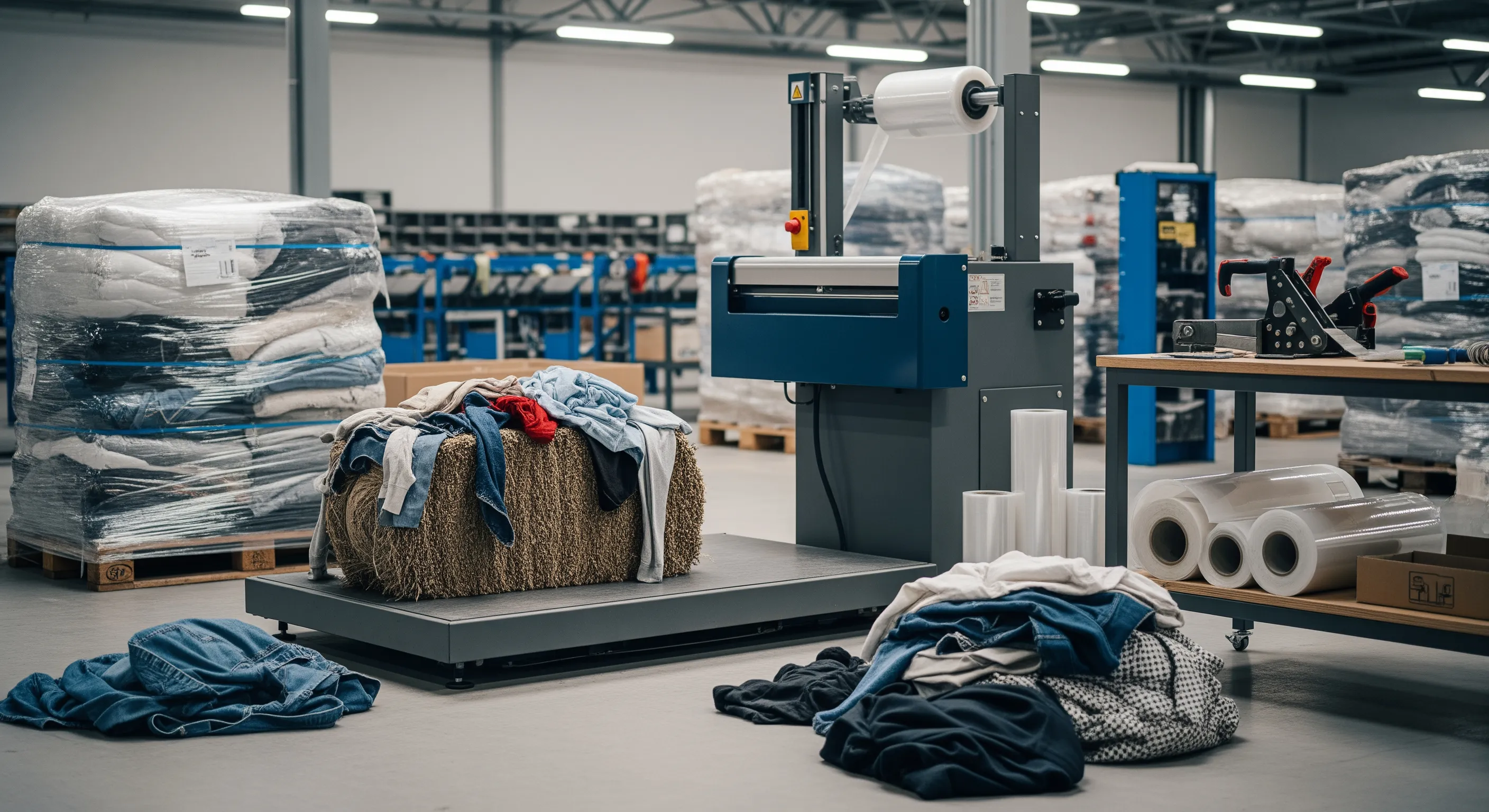
Pro tip: Maintain a consistent quality check process to ensure all products meet your required grading standards before they are dispatched.
How to Select the Right Supplier
Selecting a reliable supplier is crucial for your business's success. Look for wholesalers who specialize in wholesale secondhand clothing and have a track record of delivering quality products. Recommendations from other businesses in your network can also be invaluable in choosing a partner.
Additionally, verify the supplier's operational capacity to fulfill your orders. Assess their infrastructure, including warehousing capabilities and transportation logistics, to ensure they can support your business needs effectively.
Pro tip: Always request samples before committing to bulk purchases to evaluate your potential suppliers’ quality firsthand.
Streamlining Logistics for Wholesale Orders
Logistics plays a vital role in the success of sourcing used clothes wholesale. Efficient supply chain management can lead to reduced operational costs and improved turnaround times. Examine aspects such as storage, packaging, and transportation to optimize logistics processes.
Consider working with suppliers who provide detailed pack lists and shipping schedules. This transparency can enhance trust and enable you to plan accordingly, avoiding unexpected delays that may disrupt your business operations.

Pro tip: Leverage technology solutions to track shipments and manage logistics effectively.
Mitigating Risks in Wholesale Buying
Identifying potential risks is crucial when engaging in wholesale transactions. Factors like fluctuating market prices, quality discrepancies, and logistical challenges can pose threats to your profitability. To mitigate these risks, conduct thorough market research before making purchases.
Moreover, create robust agreements that outline the terms and conditions with suppliers. This can help protect your rights and prevent disputes regarding returns and quality complaints.
| Risk | Cause | Mitigation |
|---|---|---|
| Quality Issues | Inconsistent grading | Regular audits and checks |
| Supply Chain Disruptions | Transportation delays | Alternative logistics partners |
| Price Fluctuations | Market volatility | Fixed pricing agreements |
| Regulatory Changes | Policy shifts | Stay informed on compliance |
Pro tip: Establish a risk management framework to proactively address potential challenges in your sourcing operations.
Finding Best Deals on Used Clothes
To maximize profitability when reselling clothing, it’s essential to identify the best deals available. Keep abreast of the market trends and seasonal demands to align your purchasing strategy accordingly. Timing can significantly influence pricing, so buying off-season may yield better rates.
Additionally, exploring various B2B platforms can provide access to exclusive inventory that may not be available elsewhere. The diversity in product offerings can enhance your catalog and meet broader customer needs.
Pro tip: Network in industry trade shows and events to discover more suppliers and exclusive deals in the wholesale market.
Unlock Cost Savings and Inventory Variety with Trusted UK Bulk Clothing Sourcing

For trade buyers who need consistent bulk supply and clear grading expectations, explore Original Secondhand at originalsecondhand.com. If you’d like a quick recommendation on the best fit for your business model, volumes, and export requirements, contact the team here: Contact Us.
Frequently Asked Questions
What should I consider when sourcing used clothes?
Focus on grading standards, supplier reliability, and logistics efficiency.
How can I ensure quality in secondhand clothing?
Implement consistent quality checks and request grading reports from suppliers.
What are the benefits of wholesaling secondhand clothing?
Higher profit margins, sustainability appeal, and diverse product offerings.
What strategies can help mitigate risks in wholesale buying?
Conduct market research and establish clear agreements with suppliers.