
In the evolving landscape of B2B wholesale, understanding the dynamics of used clothes wholesale Europe is essential for trade buyers looking for new avenues in the clothing export market. This guide explores the benefits and mechanisms behind sourcing quality secondhand clothing in bulk, essential for wholesalers, store owners, and exporters. Given the increasing demand for sustainable fashion, the market presents numerous opportunities for profit, provided that buyers approach it with the right knowledge and strategies.
Table of Contents
- Insights into the Secondhand Clothing Market
- Understanding Grading Standards in Wholesale
- Sourcing Wholesale Clothing Bales and Bulk Containers
- Logistics Considerations for Export
- Effective Risk Management Strategies
- Sustainable Practices in Wholesale Clothing
Key Takeaways
| Key Focus Area | Considerations |
|---|---|
| Volume & MOQ | Understand the minimum order quantities suitable for your business volume to optimize costs. |
| Grading Signals | Familiarize yourself with grading systems to assess quality and ensure consistency. |
| Logistics Preparedness | Maintain efficient logistics processes to handle the influx and storage of products. |
| Claims Control | Have a strategy for managing claims and returns to mitigate financial risk. |
Insights into the Secondhand Clothing Market
The used clothes wholesale market in Europe is thriving, propelled by changing consumer behaviors favoring sustainable options. As a B2B buyer, recognizing trends in eco-friendly purchases can guide sourcing decisions. With various European countries providing distinct advantages, such as availability and pricing, understanding the local market dynamics enhances your competitive edge.
The UK, Germany, and the Netherlands are pivotal players in the secondhand clothing sector, offering a variety of products suitable for diverse markets. The ability to import these goods reflects a growing awareness about sustainable practices and reducing waste in fashion, creating an attractive proposition for trade buyers.
Understanding Grading Standards in Wholesale
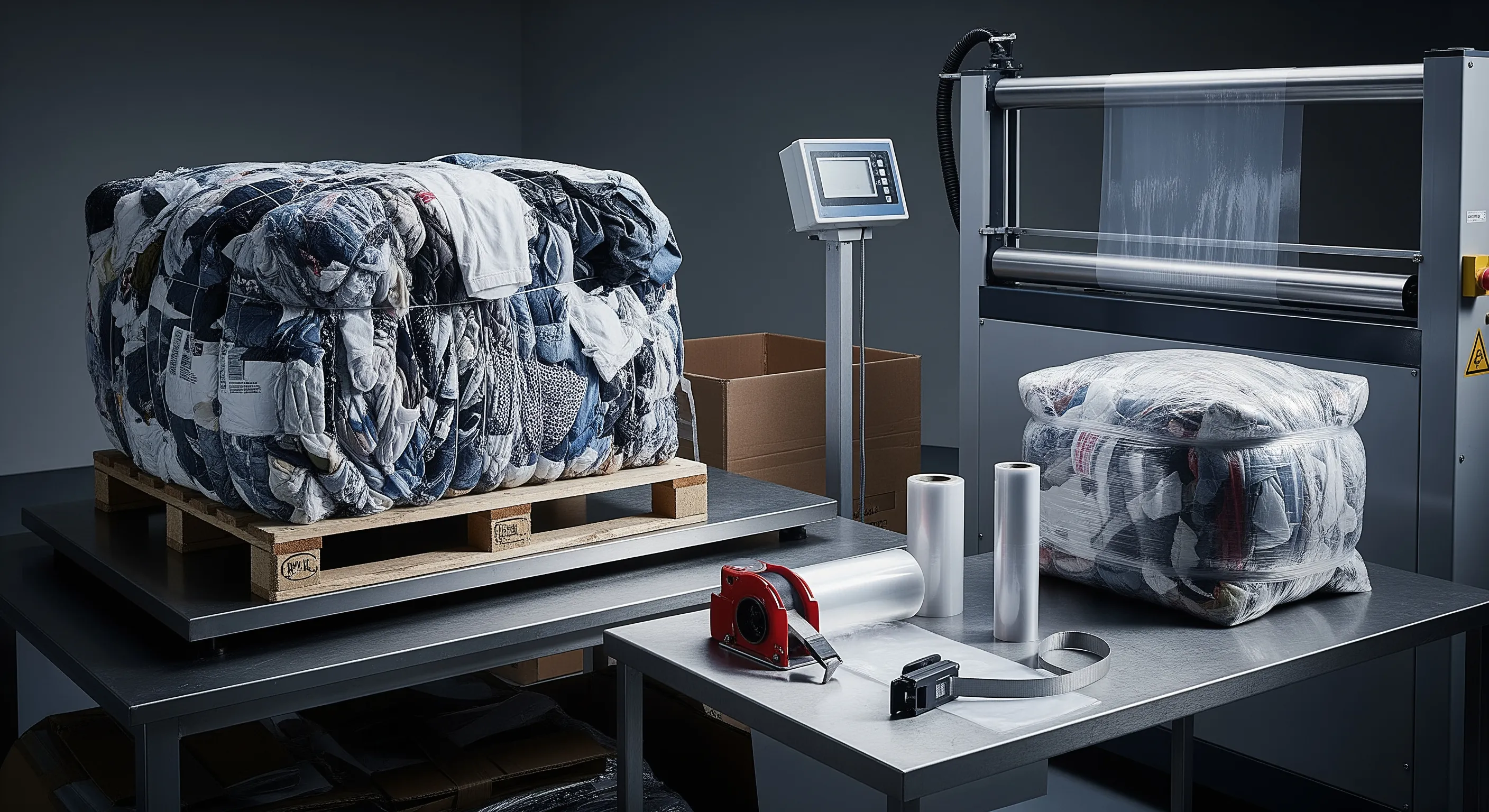
Grading secondhand clothing is a fundamental aspect of quality assurance in the wholesale market. It helps differentiate products based on conditions, ultimately guiding buyers on pricing and resale potential. Common grading systems include categories like 'A-grade', 'B-grade', and 'Job Lots', which inform buyers about the expected condition and fabric quality.
By leveraging grading systems, you can streamline your purchasing process and enhance your inventory management capabilities. This understanding helps create transparent dialogues with suppliers, ensuring you receive products that meet your specific business standards.
Sourcing Wholesale Clothing Bales and Bulk Containers
Sourcing clothing bales and wholesale containers is crucial for resellers. Establishing connections with reliable suppliers increases your access to quality stock. Furthermore, understanding how to negotiate bulk deals can lead to enhanced profit margins and inventory diversity.
When evaluating suppliers, consider the geographic advantages of various markets. Scouting for suppliers that can offer affordable shipping options will enable prudent cost management and logistics handling, critical in the wholesale arena.

Logistics Considerations for Export
Effective logistics processes ensure timely delivery and availability of products for your customers. Understanding shipping channels, customs regulations, and tariff implications can help navigate challenges associated with exporting used clothes.
For successful export operations, ensure your suppliers are prepared to meet the logistical demands, including packaging standards and compliance with export regulation. Establishing a comprehensive logistics plan presents a significant advantage in the competitive wholesale arena.
Effective Risk Management Strategies
Engaging in the wholesale used clothing market comes with its own set of risks. Identifying potential challenges, such as fluctuating prices or material quality issues, is essential. Developing risk mitigation strategies can shield your operations from unforeseen setbacks.
Implementing clear communication protocols with suppliers and creating a responsive claims process can significantly reduce risks associated with quality inconsistencies. Integration of comprehensive insurance and legal agreements can further stabilize your operations.
| Practical Risk | Cause | Mitigation |
|---|---|---|
| Quality inconsistency | Varying supplier grading | Regular supplier audits |
| Price fluctuations | Market demand | Fixed-price contracts |
| Logistical delays | Customs issues | Preparedness with documentation |
| Operational failures | Supplier reliability | Diverse supplier base |
Sustainable Practices in Wholesale Clothing
Adopting sustainable practices in wholesale clothing is not just a trend; it’s becoming an essential element in business strategy. Focusing on eco-friendly sourcing and distribution strategies helps build a responsible brand image.
Trade buyers should prioritize collaborations with suppliers who share similar values in sustainability. This can manifest in initiatives like recycling programs or eco-friendly packaging solutions that enhance the overall business impact on the environment.
Pro tip: Consider participating in industry forums and trade shows focused on sustainability to build networks and find like-minded suppliers.
Unlock Cost Savings and Inventory Variety with Trusted UK Bulk Clothing Sourcing

For trade buyers who need consistent bulk supply and clear grading expectations, explore Original Secondhand at originalsecondhand.com. If you’d like a quick recommendation on the best fit for your business model, volumes, and export requirements, contact the team here: Contact Us.
Frequently Asked Questions
What factors influence pricing in used clothes wholesale?
Pricing is influenced by the quality, grading, and demand for the specific items being sourced.
How do I choose the right grading standard for my business?
Choose a grading standard that aligns with your market needs and customer expectations.
What should I consider when selecting suppliers?
Evaluate supplier reliability, quality consistency, and logistics capabilities.
Are there specific regulations I should be aware of when exporting clothing?
Yes, familiarize yourself with the regulations and tariffs that apply to your target markets.