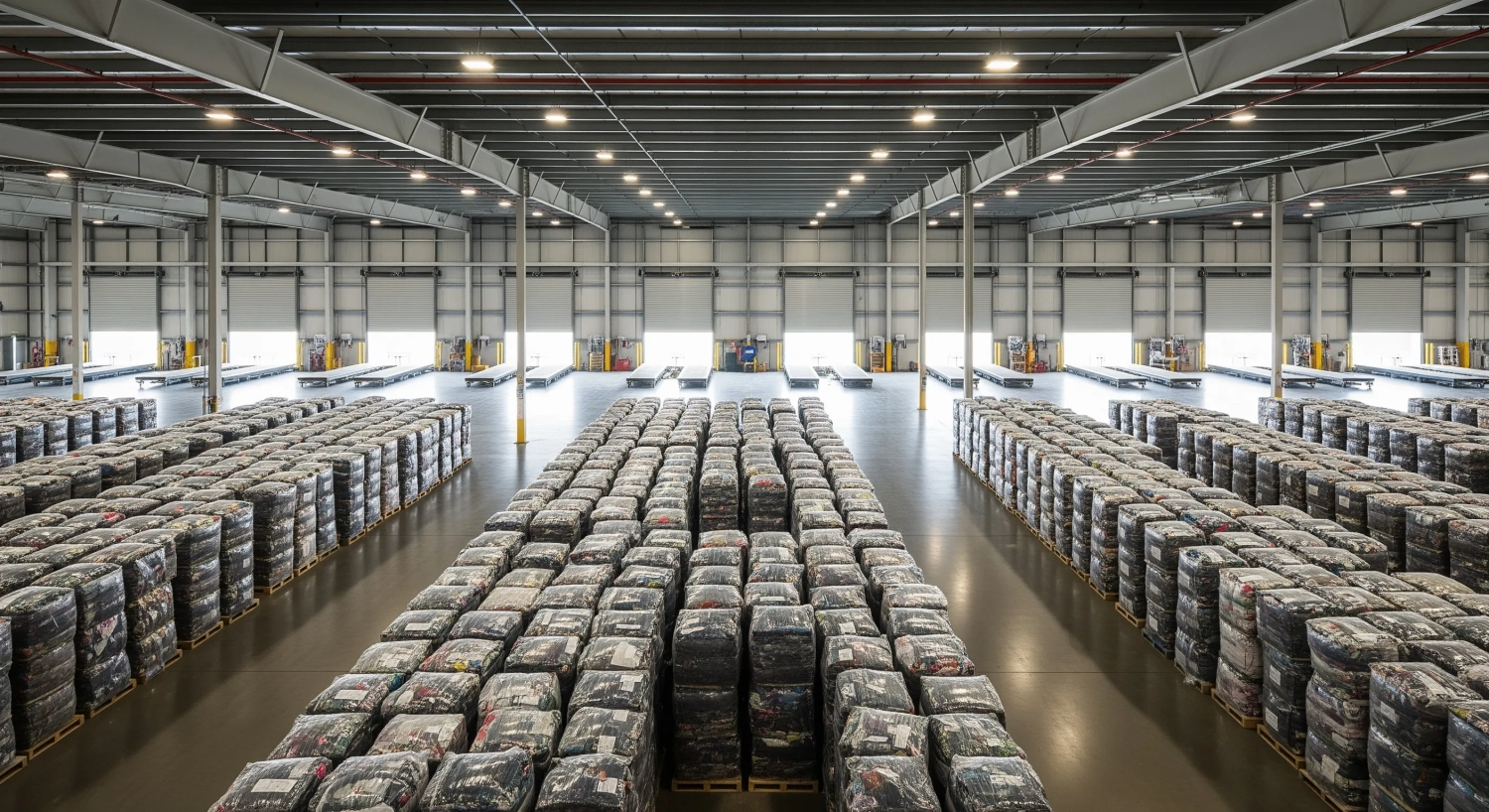
Navigating the wholesale secondhand clothing landscape offers B2B buyers significant advantages, especially for those looking to enhance profitability and sustainability. Choosing bulk used clothing wholesale not only elevates inventory diversity but also aligns with eco-friendly practices. By partnering with established suppliers, businesses can ensure that their stock is dependable, consistently available, and meets quality grading standards, which are crucial for success in the resale market.
Table of Contents
- Benefits of Bulk Purchasing
- Sustainability and Eco-Friendliness
- Customisation and Flexibility
- Quality Assurance and Grading
- Logistical Advantage
- Cost Efficiency
Benefits of Bulk Purchasing
Bulk used clothing wholesale provides trade buyers access to higher quantities of inventory at reduced costs. By sourcing in larger volumes, businesses can not only negotiate better pricing but also ensure a steady supply of goods. This approach minimizes the risk associated with stock shortages and allows companies to cater to fluctuating customer demands.
Additionally, purchasing in bulk simplifies the logistics of inventory management. With fewer shipments and consolidated deliveries, businesses can optimize their warehousing and reduce overhead costs associated with multiple purchase orders. The bulk method creates efficiencies that enhance overall operational productivity.
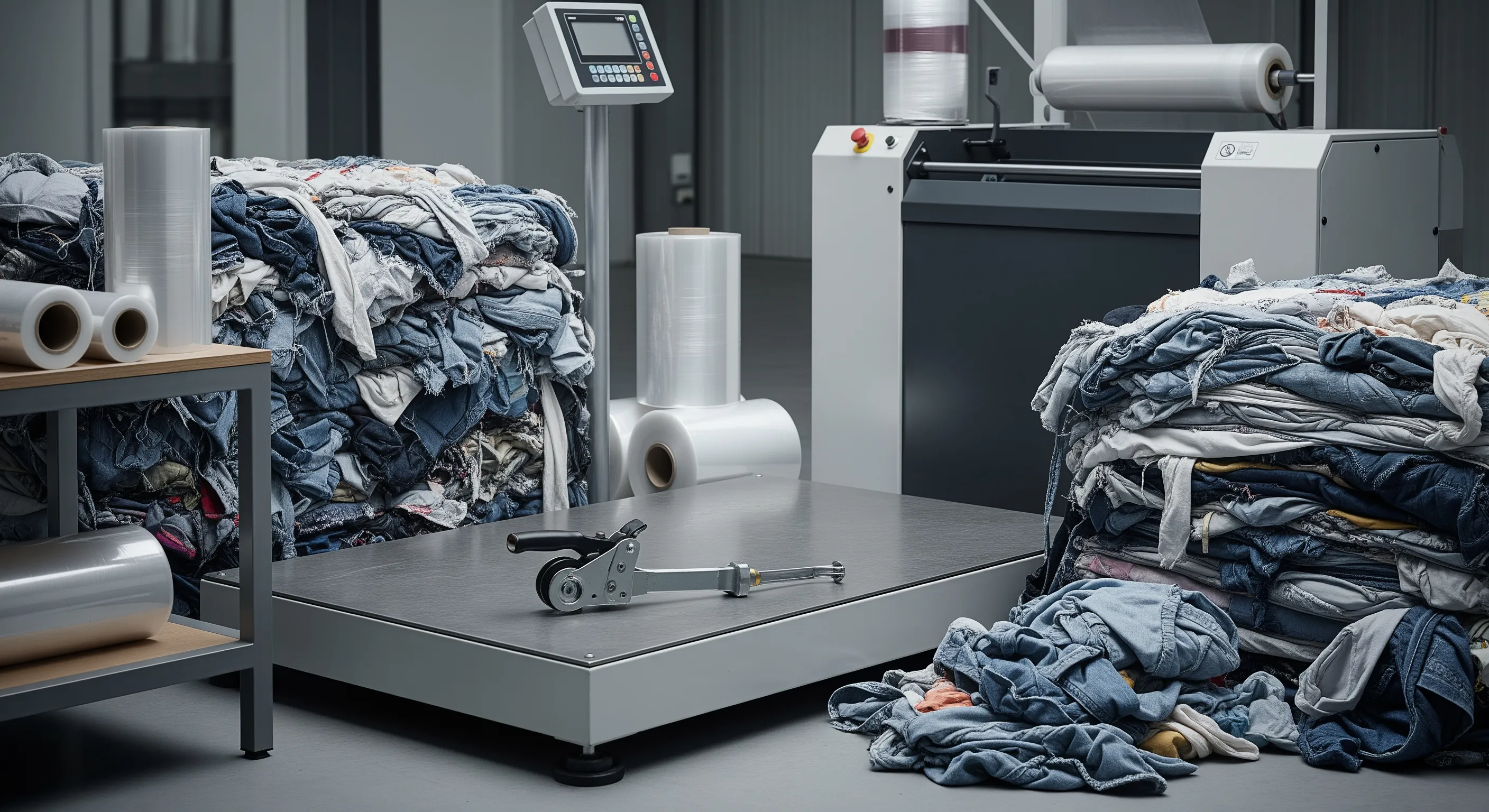
Pro tip: Consider negotiating terms with your supplier to include returns on any unsold items, which helps manage risk further.
Sustainability and Eco-Friendliness
Engaging in bulk used clothing wholesale contributes positively to environmental sustainability. By opting for secondhand items, businesses address fashion waste and support sustainable practices. Reselling used clothing reduces the need for new garment production, cutting down on resource consumption and carbon emissions.
Additionally, bulk sourcing enables businesses to offer more eco-friendly options in their product lines, thereby attracting a consumer base increasingly conscious of sustainability. The integration of such practices can significantly enhance brand reputation and customer loyalty.
Pro tip: Add eco-labels showcasing sustainability efforts, as this can promote better sales and marketability.
Customisation and Flexibility
Bulk buyers often have greater flexibility in selecting specific styles, sizes, and grades of secondhand clothing. This adaptability allows businesses to tailor their offerings to meet the unique preferences of their target audience. Suppliers may offer customizable packages that cater specifically to varying market demands.
This level of customisation is vital, particularly in niche markets where customer preferences can be highly specific. With tailored selections, businesses can distinguish themselves in a crowded marketplace.
Pro tip: Regularly review market trends to adapt your stock selections, ensuring responsiveness to consumer demands.
Quality Assurance and Grading
Choosing reputable bulk used clothing suppliers means you can rely on established grading systems that ensure quality control. Understanding clothing grading is essential for B2B buyers; it impacts resale value and consumer satisfaction. Suppliers typically provide clear grading expectations, enabling you to make informed purchasing decisions.
Moreover, with proper grading, businesses are better equipped to communicate product quality to their customers, which has direct implications on return rates and brand trust. Transparency in grading boosts confidence in your offerings.
Pro tip: Develop your own grading criteria based on supplier standards to streamline the selection process.
Logistical Advantage
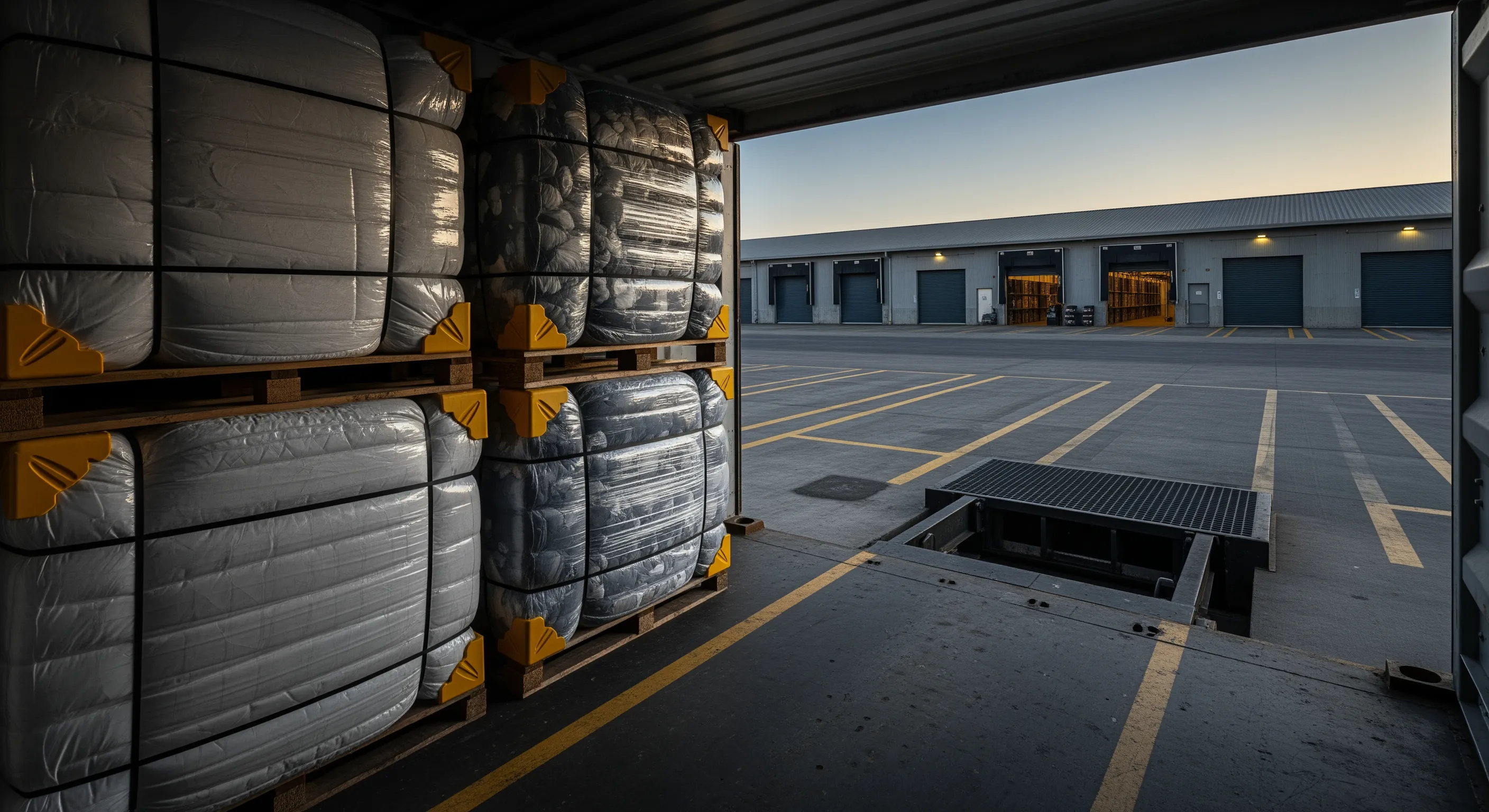
Efficiency in logistics is a major benefit of bulk used clothing wholesale. With large shipments, businesses can optimize their supply chain, reducing lead times and enhancing delivery processes. This aspect is crucial for maintaining reliable inventory levels and customer satisfaction.
Additionally, the standardization of packages and bales in bulk shipments allows for streamlined handling once the goods arrive at your facility, facilitating quicker processing and distribution.
Pro tip: Collaborate with logistics partners that specialize in bulk shipping, as they can offer tailored solutions improving delivery efficiency.
Cost Efficiency
Bulk used clothing wholesale significantly drives down costs for trade buyers. The economies of scale realized through large volume purchases can lead to substantial savings that positively impact profit margins. Businesses can leverage these savings to reinvest in marketing or enhancing product lines.
Furthermore, reduced variable costs associated with transportation and handling can enable businesses to price competitively, making your products attractive to cost-conscious consumers.
Pro tip: Regularly assess your purchasing strategies to identify potential areas for cost optimization.
Unlock Cost Savings and Inventory Variety with Trusted UK Bulk Clothing Sourcing

For trade buyers who need consistent bulk supply and clear grading expectations, explore Original Secondhand at originalsecondhand.com. If you’d like a quick recommendation on the best fit for your business model, volumes, and export requirements, contact the team here: Contact Us.
Frequently Asked Questions
What are the benefits of bulk buying used clothing?
Bulk buying allows businesses to reduce costs, ensure consistent supply, and manage inventory more effectively.
How does clothing grading affect purchasing decisions?
Understanding clothing grading helps buyers gauge quality and resale value, guiding their purchasing preferences.
What sustainability advantages come from sourcing secondhand clothing?
Sourcing secondhand clothing reduces environmental impact by lessening the need for new production, promoting sustainable practices.
Can I customize my bulk clothing orders?
Yes, many suppliers offer customization options to meet specific market needs, allowing for tailored inventory.