
For trade buyers exploring the used clothing wholesale landscape in the USA, understanding supplier relationships and the logistics involved is crucial. Whether you are seeking to provide sustainable options to your customers or simply looking to diversify your inventory, sourcing secondhand clothing in bulk can enhance your business model significantly. Clarity in grading expectations, timely deliveries, and reliable supply chains are all vital for a successfulexport journey.
Table of Contents
- Understanding the Market
- Quality Assessment
- Optimal Sourcing Methods
- Grading and Pricing Strategies
- Logistical Considerations
- Risk Mitigation
Key Takeaways
| Aspect | Key Insight |
|---|---|
| Volumes/MOQ | Consider minimum order quantities (MOQ) that align with your storage capacity and sales forecasts. |
| Grading Signals | Be clear on grading labels and what they entail to avoid disputes over quality. |
| Logistics Readiness | Understand shipping costs and lead times while ensuring supplier readiness for swift dispatch. |
| Risk Control | Implement robust quality checks on arrival to manage quality-related risks effectively. |
Understanding the Market
The USA presents a diverse wholesale clothing market, with varying standards and quality levels. For trade buyers, it’s essential to identify suppliers who offer reliable grading practices and transparent operations. According to market analytics from Statista, the U.S. secondhand clothing market is projected to grow, driven by increasing consumer demand for sustainability.
When evaluating suppliers, consider their reputations, as well as their experience with international shipping and compliance regulations. This knowledge can directly affect your operations and customer satisfaction.
Pro tip: Invest time in researching the reputations of recovery organizations, as they can provide vital insights into the market's ebb and flow.
Quality Assessment
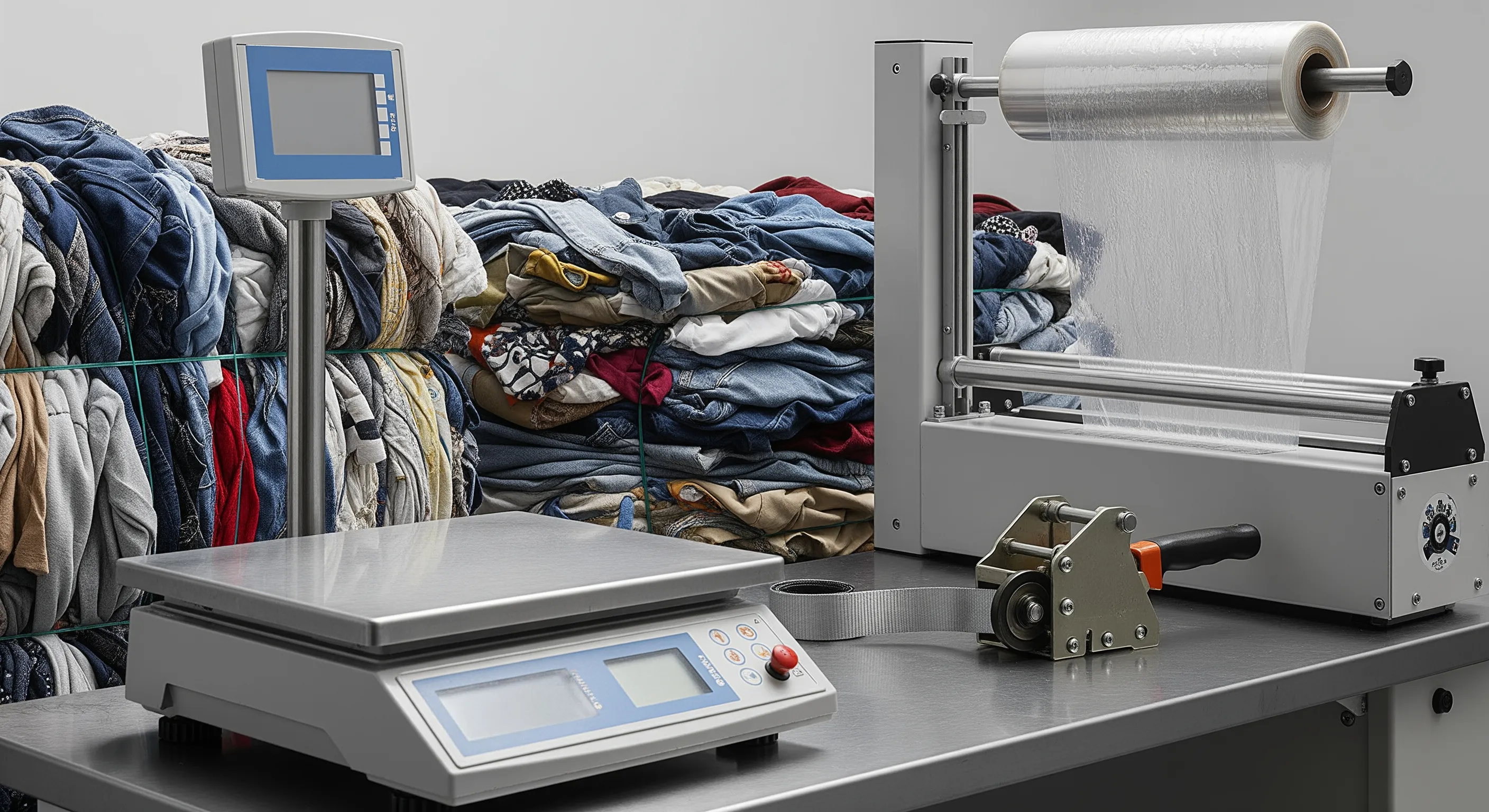
Quality assessment of used clothing is pivotal in setting clear expectations for both buyers and end customers. Understanding the different grades (A, B, and C) typically used in the industry helps buyers make informed decisions. Detailed grading reports enhance trust and reliability in the supply chain.
The grading not only affects the price but also influences how quickly the items sell. According to surveys from the American Apparel & Footwear Association, consumers are more inclined to purchase items with verified quality metrics.
Pro tip: Develop a systematic approach to quality assessments—take notes on each shipment and refer back to them when ordering future stock.
Optimal Sourcing Methods
Trade buyers should explore different sourcing methods, including public auctions, wholesalers, and online platforms, to find the best prices and quality. Each method has its pros and cons, which should be weighed carefully.
Diversifying your sourcing strategy can mitigate risks while increasing inventory variety. Employ systems for evaluating potential suppliers thoroughly. Understanding their operational processes will aid in deciding which suppliers align best with your inventory strategy.
Pro tip: Always request sample bales before making large commitments; this step can save significant costs in the long run.
Grading and Pricing Strategies
Efficient pricing strategies are built on the grading of clothing. As different grades hold varying values, aligning your pricing strategy with the established grades helps manage inventory turnover. Maintaining an adaptive pricing model allows you to respond to market demand effectively.
Dive deeper into pricing strategies by evaluating supply chain costs. Exploring links between operational efficiencies from McKinsey & Company and pricing can yield valuable insights and enhance your competitiveness.
Pro tip: Conduct regular market analysis to keep your pricing competitive and relevant.
Logistical Considerations
Logistics play a significant role in sourcing used clothing wholesale in the USA. Establishing reliable shipping and storage solutions that fit your operational model can streamline your business. Assess delivery processes, clear customs procedures, and accurate documentation.
Consider the cost implications of shipping versus local pick-ups. Work alongside suppliers who provide logistics support or services, as they can help ensure a smoother transition of products from supplier to warehouse to market.

Pro tip: Establish connections with freight forwarders who specialize in the clothing industry; their expertise can optimize your logistics pathways.
Risk Mitigation
Every sourcing strategy comes with its own risks, from quality discrepancies to shipping delays. Actively identifying these risks allows for the development of effective mitigation strategies. Regular supplier reviews can help maintain standards throughout your supply chain.
Implement contingencies for delayed shipments and ensure all suppliers adhere to industry regulations. For instance, a recent report from the International Trade Administration outlines effective strategies for mitigating risks in international sourcing.
| Practical Risk | Cause | Mitigation |
|---|---|---|
| Quality Disputes | Lack of clear grading | Establish detailed agreements |
| Shipping Delays | Supplier inefficiencies | Consider multiple suppliers |
| Financial Risks | Unexpected costs | Maintain a financial reserve |
| Inventory Shortages | Poor forecasting | Utilize analytics tools |
Pro tip: Evaluate insurance options for your shipments to add another layer of protection against unforeseen circumstances.
Unlock Cost Savings and Inventory Variety with Trusted UK Bulk Clothing Sourcing

For trade buyers who need consistent bulk supply and clear grading expectations, explore Original Secondhand at originalsecondhand.com. If you’d like a quick recommendation on the best fit for your business model, volumes, and export requirements, contact the team here: Contact Us.
Frequently Asked Questions
What are the benefits of sourcing used clothing in wholesale?
Sourcing used clothing wholesale allows businesses to offer sustainable options, diversify inventory, and potentially enjoy higher profit margins.
How do I assess the quality of used clothing?
Quality assessments can be conducted through visual inspections, grading reports, and requesting samples from potential suppliers.
What risks are associated with used clothing wholesale?
Risks may include quality disagreements, shipping delays, and financial uncertainties, which can be mitigated through careful supplier selection and contingency plans.
Can I trust the grading provided by suppliers?
While many suppliers follow industry standards, it's essential to verify their grading processes and request detailed reports to ensure consistency.