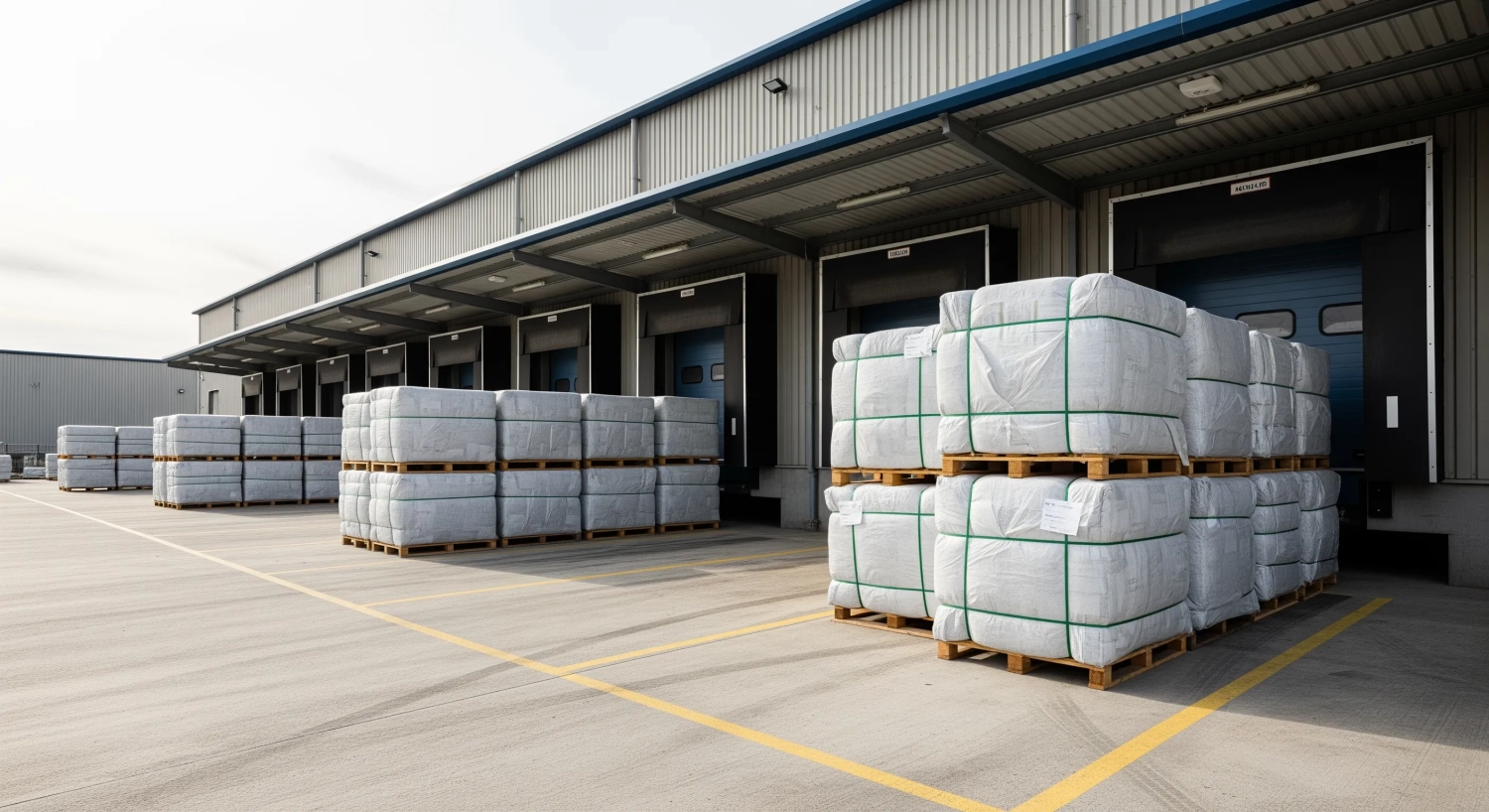
For trade buyers seeking to source second hand clothes in bulk within the UK, understanding the landscape of suppliers and their grading systems is essential. This guide aims to provide valuable insights and resources for efficiently acquiring wholesale secondhand clothing, including vital considerations for grading and logistics. As the demand for sustainable clothing and the expansion of the resale market grow, knowing where to buy second hand clothes in bulk UK can significantly enhance your sourcing strategy. Reliable suppliers not only offer consistent quality but also aid in expanding your business model.
Table of Contents
- Understanding Wholesale Secondhand Clothing
- Key Factors in Sourcing Bulk Clothing
- Grading Second Hand Clothes
- Logistics and Shipping Best Practices
- Risk Mitigation in Bulk Sourcing
- Quality Assurance in Bulk Supply
Key Takeaways
| Considerations | Insights |
|---|---|
| Minimum Order Quantities | Establish clear MOQs to optimise shipping costs and avoid overstocking. |
| Grading Signals | Ensure suppliers provide transparent grading information for inventory expectations. |
| Logistics Readiness | Prioritise suppliers with established logistics practices to facilitate smooth shipping. |
| Margin Control | Evaluate the cost-effectiveness of each supplier to maintain healthy profit margins. |
Understanding Wholesale Secondhand Clothing
The wholesale secondhand clothing market is growing rapidly, driven by increased consumer awareness of sustainability. Trade buyers should focus on suppliers who can provide reliable, repeatable access to bales of used clothes. Understanding the types of clothing available and the conditions they are in can help inform purchasing decisions.
Wholesalers should evaluate potential suppliers based on their grading practices and inventory transparency. Engaging with suppliers who uphold quality assurance standards can foster a trustworthy relationship, essential for long-term partnerships.
Pro tip: Establish a checklist for assessing supplier reliability that includes past performance, grading consistency, and logistics support.
Key Factors in Sourcing Bulk Clothing
When sourcing secondhand clothing in bulk, it’s crucial to assess a few core factors. Firstly, pricing structures can vary significantly; therefore, being aware of the average wholesale rates aids in negotiating better deals. Understanding the full scope of shipping costs and timelines is vital to prevent unexpected expenses that could impact overall profit margins.
Secondly, local regulations around exporting clothing can affect sourcing decisions. Familiarising yourself with these regulations ensures compliance and smooth transactions, particularly for exporters.
Pro tip: Maintain a relationship with local regulatory bodies to stay updated on changes that could affect your business.
Grading Second Hand Clothes
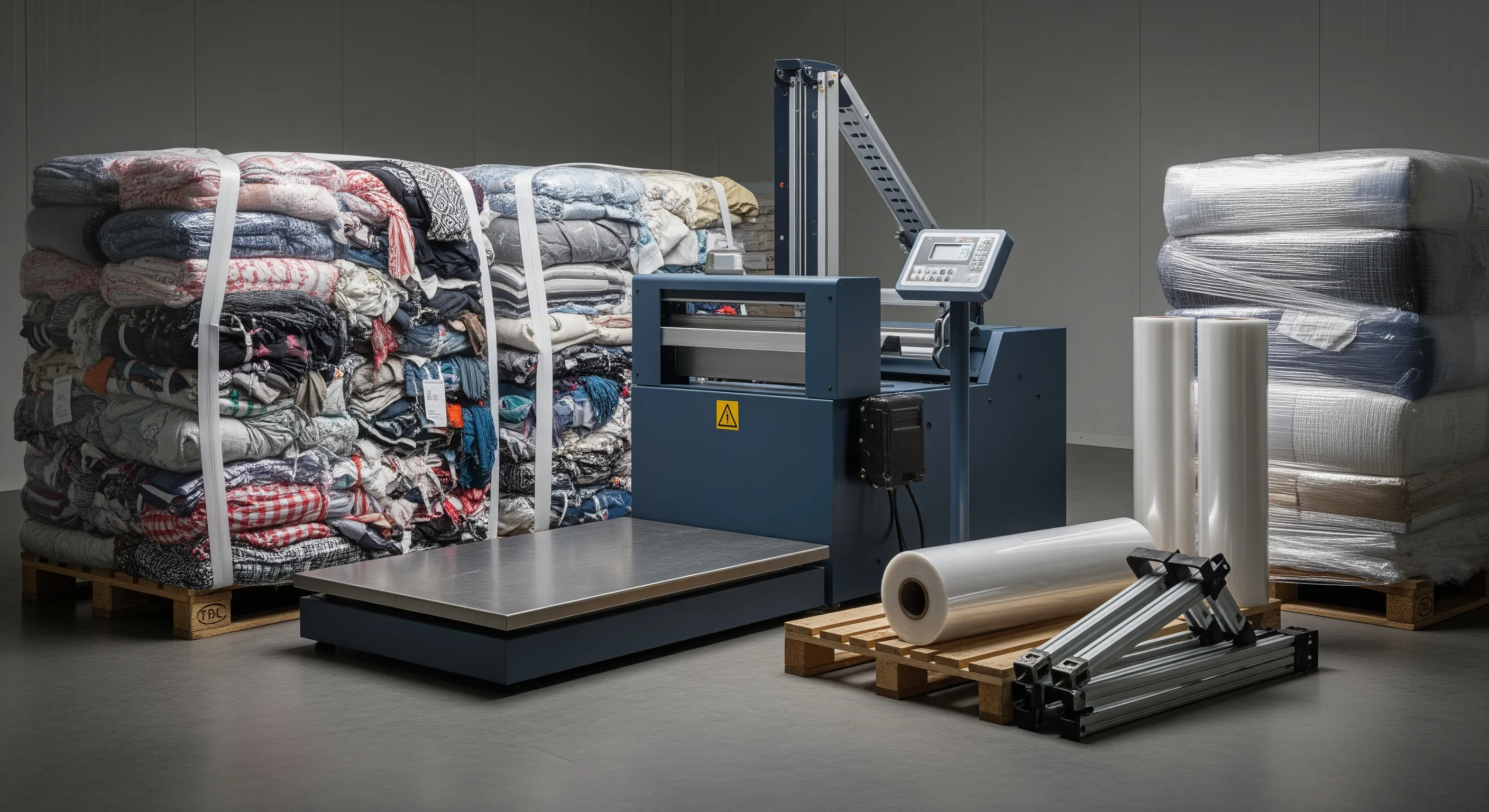
Grading second hand clothes is a crucial component of the wholesale business model. Different grades indicate the condition and quality of the garments and can influence their resale value. Understanding these grades and ensuring your suppliers adhere to established grading systems protects your investment.
Many suppliers provide detailed descriptions of grading tiers, from bulk bales to premium items. Buyers must scrutinise these descriptions to form realistic expectations regarding the types of clothing received.
Pro tip: Request sample grades before committing to larger orders to better understand the quality you can expect.
Logistics and Shipping Best Practices
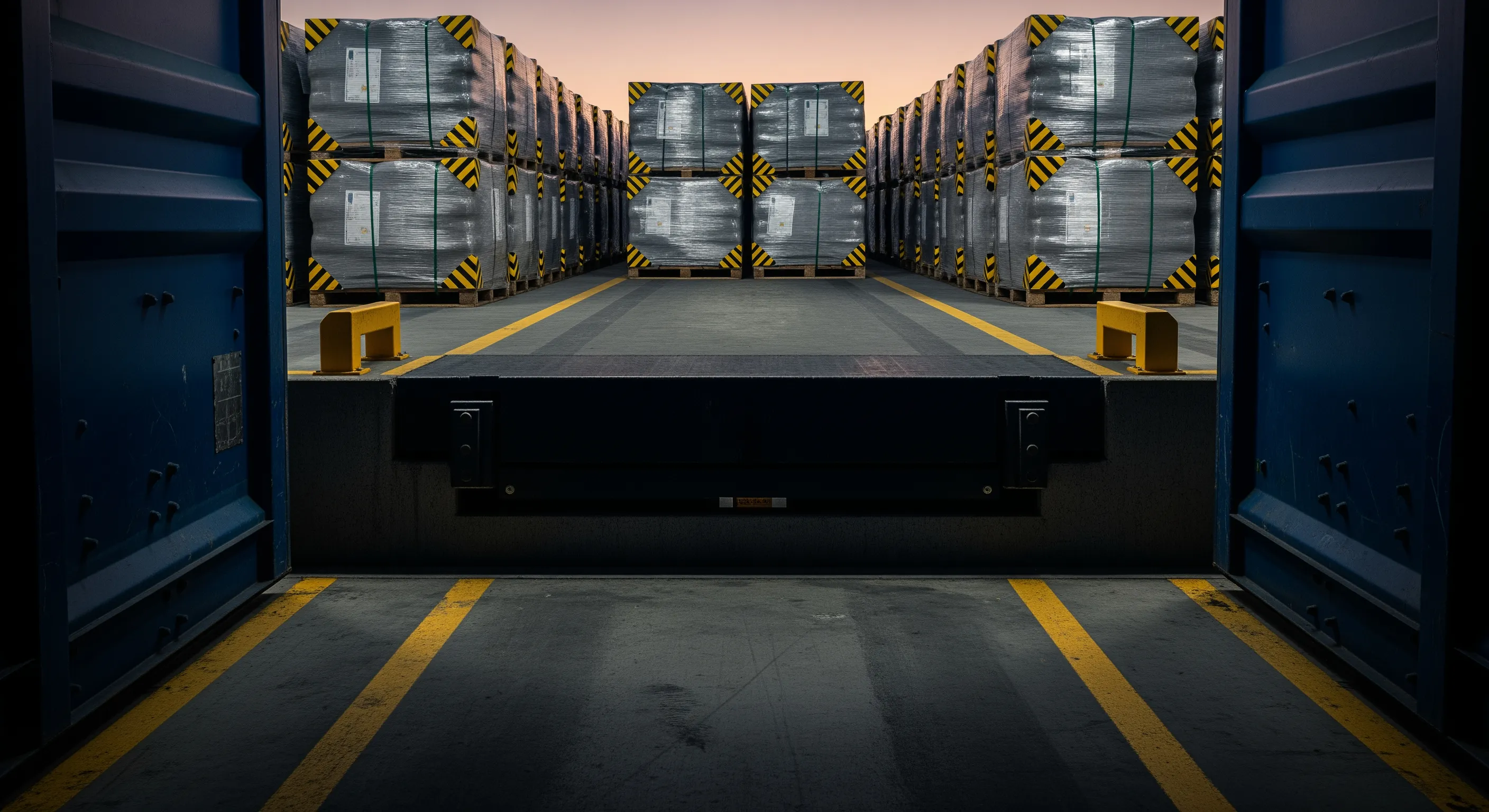
Effective logistics are paramount when sourcing second hand clothing in bulk. Coordinating shipping schedules with suppliers and ensuring appropriate packaging can significantly reduce damages during transit. Additionally, leveraging established networks with freight forwarders can streamline the shipping process.
Trade buyers should place emphasis on the documentation accompanying each shipment. Accurate packing lists and customs paperwork are essential for avoiding delays. Integrating an inventory management system that tracks incoming and outgoing goods can enhance operational efficiency.
Pro tip: Develop a contingency plan for delays or issues that may arise during shipping to maintain order fulfilment.
Risk Mitigation in Bulk Sourcing
Risk mitigation is essential in bulk sourcing to protect against supply chain disruptions and financial loss. Identifying potential risks—such as fluctuating costs, poor-quality goods, and unreliable suppliers—can provide a clearer view of the landscape.
Strategies for mitigation typically involve diversifying supplier pools to reduce dependence on a single source, managing cash flow effectively, and maintaining an emergency budget for unplanned expenses.
| Practical Risk | Cause | Mitigation |
|---|---|---|
| Quality Issues | Inconsistent grading by suppliers | Regular audits of supplier practices |
| Cost Volatility | Market fluctuations | Fixed-price contracts where possible |
| Supply Chain Snags | Transportation delays | Diverse logistics partnerships |
| Regulatory Changes | Legislative shifts | Continued regulatory education |
Pro tip: Regularly review and adjust your risk management strategies to stay ahead of potential challenges.
Quality Assurance in Bulk Supply
Quality assurance is not merely an additional aspect of bulk supply; it is fundamental to building trust between buyers and suppliers. Suppliers should have stringent quality control measures to ensure the items meet established standards.
Engaging suppliers who provide transparency in their processes not only aids in managing expectations but also reduces disputes over returns or defects. Building strong relationships with suppliers should include regular performance reviews to maintain quality and service commitments.
Pro tip: Create a joint quality assessment program with suppliers to align expectations and standards effectively.
Unlock Cost Savings and Inventory Variety with Trusted UK Bulk Clothing Sourcing

For trade buyers who need consistent bulk supply and clear grading expectations, explore Original Secondhand at originalsecondhand.com. If you’d like a quick recommendation on the best fit for your business model, volumes, and export requirements, contact the team here: Contact Us.
Frequently Asked Questions
What are the advantages of buying secondhand clothes in bulk?
Buying secondhand clothes in bulk offers cost savings, environmental benefits, and access to unique inventory.
How do I evaluate a supplier's credibility?
Check references, review their grading system, and assess their past performance with other buyers.
What should I look for in grading second-hand clothes?
Pay attention to the descriptions of quality tiers and any guarantees about the condition of the items.
What logistics issues should I be aware of?
Be mindful of shipping timelines, customs regulations, and the importance of accurate documentation.