
As B2B buyers seek reliable sources of wholesale second hand clothing in the UK, it is crucial to understand industry dynamics and grading standards that contribute to successful sourcing. With a focus on repeat supply, clear grading expectations, and logistics readiness, suppliers of second hand clothing can empower trade businesses to thrive. Maximizing export opportunities requires thorough knowledge of available options and strategic partnerships with reputable suppliers.
Table of Contents
- Understanding Grading and Classifications
- Finding Reliable Suppliers
- Tapping into Export Opportunities
- Navigating Logistics and Shipping
- Ensuring Quality and Sustainability
- Fostering Long-term Relationships
Key Takeaways
| Key Aspect | Details |
|---|---|
| Grading Signals | Understand how the quality grading of second hand clothing affects pricing and demand. |
| Volume and MOQ | Determine minimum order quantities (MOQs) that align with budget and storage capacity. |
| Logistics Readiness | Ensure the supplier has the capability for timely shipping and delivery. |
| Risk Control | Implement protocols for quality assurance to minimize the risk of substandard products. |
Understanding Grading and Classifications
The grading of second hand clothing is critical for trade buyers to ensure they are getting the best possible quality for their specific needs. Typically, suppliers classify their products into several grades, reflecting the condition and quality of the items. For example, items in the highest grade may be nearly new, while lower grades could feature visible signs of wear.
Assessing what grade aligns with your business model can significantly impact your profit margins and customer satisfaction. It's advisable to ask for grading criteria ahead of purchase to avoid discrepancies later.
Pro tip: Request detailed information on grading criteria from suppliers to ensure alignment with your business needs.
Finding Reliable Suppliers
To establish a successful sourcing strategy, locating reputable wholesale secondhand suppliers is essential. Look for companies with a solid track record and good reviews within the trade community. Trade shows and industry associations often provide lists of verified suppliers.
Networking within the industry can also uncover valuable insights and recommendations for dependable suppliers. Direct interactions or testimonials from existing customers can provide perspective on reliability and product quality.
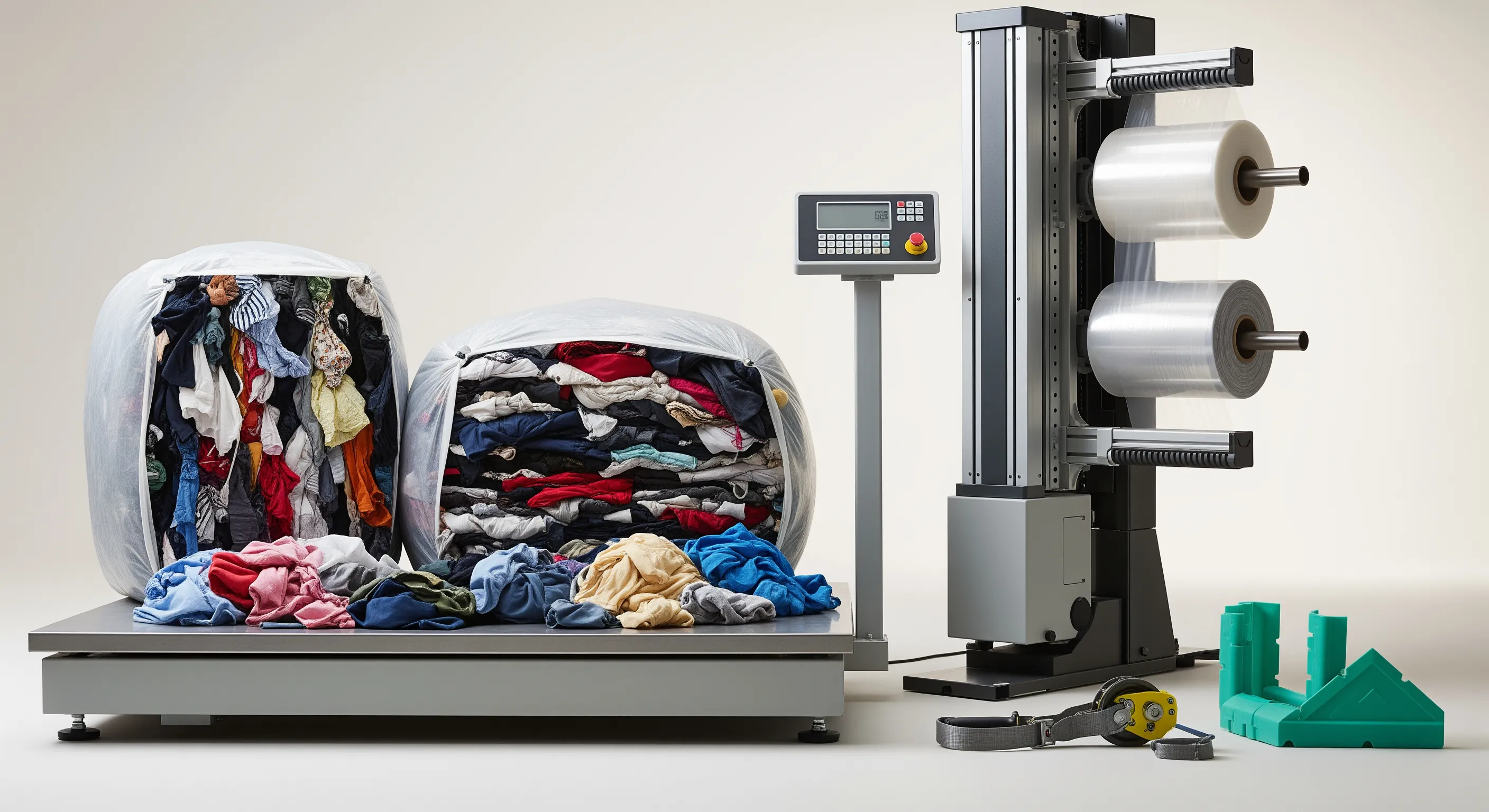
Pro tip: Leverage trade shows and industry associations to connect with reliable suppliers.
Tapping into Export Opportunities
For businesses looking to expand beyond local markets, understanding export dynamics is key. The UK offers a variety of secondhand clothing that is in high demand globally. Identifying specific markets or regions that require such products can lead to strategic opportunities for B2B buyers.
Research current export regulations and logistics processes to ensure compliance and effective planning. Suppliers that understand these dynamics can provide valuable support throughout the export process.
Pro tip: Consult local trade regulations to align your export strategies with legal requirements.
Navigating Logistics and Shipping
A strong logistics framework is vital for any B2B wholesale operation. This involves efficient shipping methods, timely delivery, and excellent inventory management. Suppliers should be assessed on their ability to deliver products efficiently.
Implementing a robust logistics system can help mitigate risks associated with delays or damaged Goods during transport. Consider working with logistics partners who specialize in handling bulk clothing exports.
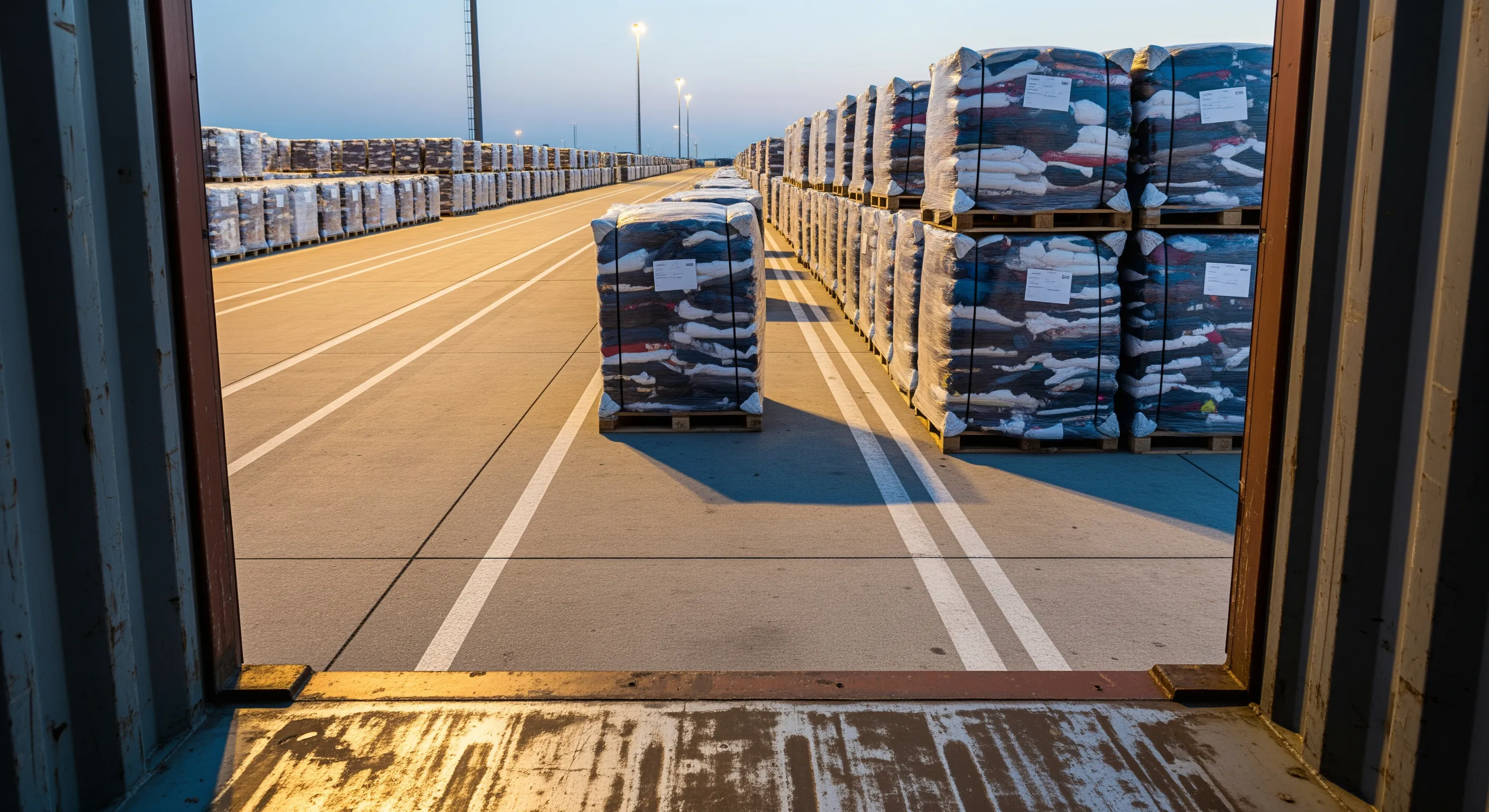
Pro tip: Establish clear logistics partnerships to enhance operational efficiency.
Ensuring Quality and Sustainability
In today's market, quality assurance and sustainability initiatives are increasingly important. Trade buyers should prioritize suppliers who not only provide quality products but also engage in sustainable practices, such as responsible sourcing and recycling.
When sourcing from second hand suppliers, inquire about their sustainability policies and the impact of their operations on the environment. This can differentiate a supplier from competitors and enhance your brand reputation within sustainability-conscious markets.
Pro tip: Collaborate with suppliers who prioritize sustainable practices to enhance your brand value.
Fostering Long-term Relationships
A successful sourcing strategy goes beyond one-off purchases—building long-term relationships with suppliers can enhance trust, reliability, and ongoing support. Regular communication and feedback can strengthen these relationships.
Consider implementing contract agreements that outline mutual expectations and responsibilities to facilitate smoother transactions and collaborations going forward.
Pro tip: Develop long-term partnerships through consistent communication and clear agreements.
Unlock Cost Savings and Inventory Variety with Trusted UK Bulk Clothing Sourcing

For trade buyers who need consistent bulk supply and clear grading expectations, explore Original Secondhand at originalsecondhand.com. If you’d like a quick recommendation on the best fit for your business model, volumes, and export requirements, contact the team here: Contact Us.
Frequently Asked Questions
What are the benefits of sourcing second hand clothing?
Sourcing second hand clothing is cost-effective, environmentally sustainable, and allows access to unique apparel pieces that appeal to diverse markets.
How can I ensure the quality of second hand clothing?
Conduct thorough supplier assessments, request grading criteria, and establish clear quality assurance guidelines to mitigate risks.
What logistics considerations are important when importing second hand clothing?
Timely delivery, customs regulations, and damage prevention strategies are crucial logistics considerations during the import process.
How can I build strong relationships with suppliers?
Regular communication, feedback, and formal agreements can help foster long-term relationships with your suppliers.