Used Clothes Wholesale: The Future of Fashion
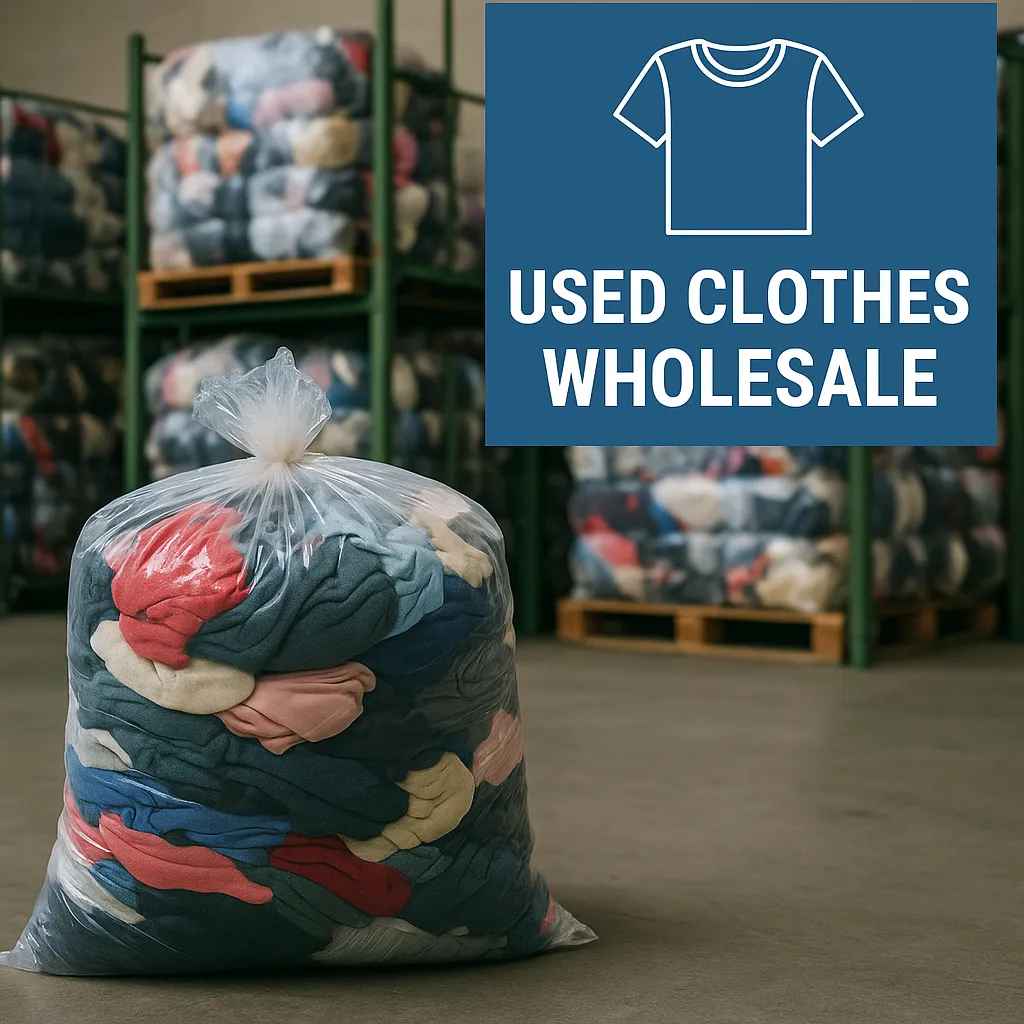
Used clothes wholesale has emerged as a vital component in the contemporary fashion landscape, addressing both environmental concerns and the demand for affordable clothing. As consumers become increasingly aware of the impact of fast fashion, the wholesale market for second-hand clothing has witnessed significant growth. Businesses, entrepreneurs, and eco-conscious shoppers alike are turning to used clothes wholesale as a sustainable alternative that not only supports the planet but also fosters a more ethical fashion industry. This article delves into the myriad benefits of sourcing garments through wholesale channels, the challenges involved, and practical tips for navigating this burgeoning market.
Understanding the Wholesale Market for Used Clothes
The wholesale market for second-hand apparel operates on a model that allows retailers and resellers to purchase large quantities of gently used clothing at a fraction of the retail price. This approach not only reduces the cost for businesses but also enables them to offer unique, one-of-a-kind pieces to their customers. Many wholesalers curate their inventory from various sources, including thrift stores, donations, and direct purchases from consumers, ensuring a diverse selection of styles and sizes. Importantly, this model promotes sustainability by extending the lifecycle of garments, thereby reducing textile waste. As the demand for eco-friendly options rises, entering the used clothes wholesale market can provide a competitive edge, as consumers increasingly gravitate towards brands that prioritize sustainability. Retailers can benefit from lower overhead costs and increased profit margins, while simultaneously appealing to a growing demographic of environmentally conscious shoppers.
Benefits of Sourcing Used Clothes Wholesale
There are numerous advantages to sourcing used clothes wholesale, starting with the significant cost savings. Retailers can acquire inventory at much lower prices than new clothing, allowing them to pass on savings to consumers or increase their profit margins. Additionally, the unique nature of second-hand clothing creates opportunities for differentiation in a saturated market. Shoppers are often drawn to the distinctive styles and vintage appeal of used garments, which can lead to increased customer loyalty and repeat business. Furthermore, buying used clothing wholesale is a powerful statement about sustainability, as it directly contributes to reducing the environmental impact of clothing production. By choosing to stock second-hand items, retailers can market themselves as eco-friendly brands, attracting customers who value ethical shopping practices. This alignment with consumer values not only enhances brand reputation but also fosters a community of like-minded individuals who are passionate about sustainable fashion.
Challenges in the Used Clothes Wholesale Market
While the used clothes wholesale market presents numerous benefits, it is not without challenges. One significant hurdle is the variability in quality and condition of the garments. Retailers must carefully vet their sources to ensure they are purchasing items that meet their quality standards, as selling low-quality products can damage brand reputation and customer trust. Additionally, the availability of stock can fluctuate, leading to challenges in maintaining a consistent inventory. Retailers must develop strong relationships with suppliers to secure reliable access to quality used clothing. Furthermore, as the market grows, competition can become fierce. Retailers need to invest in effective marketing strategies to stand out in a crowded marketplace. Embracing digital platforms for e-commerce can help retailers reach a broader audience and enhance their visibility. Ultimately, understanding these challenges and proactively addressing them can position businesses for success in the used clothes wholesale sector.
How to Get Started with Used Clothes Wholesale
For entrepreneurs looking to enter the used clothes wholesale market, it is essential to start with thorough research and planning. Identifying target demographics and understanding market trends can help retailers curate their inventory effectively. Engaging with local thrift stores, charities, and online platforms can provide access to a diverse range of used clothing. Establishing relationships with wholesalers who specialize in second-hand apparel is crucial; they can offer valuable insights into sourcing strategies and inventory management. Additionally, retailers should consider their branding and marketing approach, ensuring they communicate their commitment to sustainability. Developing an online presence through social media and e-commerce platforms can enhance visibility and attract a wider customer base. Investing in high-quality photography and compelling product descriptions can also significantly impact sales. Ultimately, a strategic approach that combines quality sourcing, effective marketing, and a commitment to sustainability can pave the way for success in the used clothes wholesale market.
Why Sustainability Matters in Fashion
Sustainability in fashion has garnered increasing attention over the past few years, with a growing awareness of the environmental and social impacts of clothing production. The fashion industry is one of the largest polluters globally, contributing to water pollution, excessive waste, and carbon emissions. The rise of used clothes wholesale provides a viable solution to these pressing issues by promoting the circular economy. By extending the lifespan of garments through resale, we can significantly reduce the demand for new production, which in turn decreases resource consumption and waste generation. Additionally, supporting sustainable practices in the fashion industry helps to promote fair labor conditions and ethical sourcing. Consumers are becoming more discerning, often opting for brands that align with their values. By sourcing used clothing wholesale, businesses can not only cater to this demand but also contribute to a more ethical and sustainable fashion landscape.
The Role of Consumers in Sustainable Fashion
Consumers play a crucial role in driving the demand for sustainable fashion, influencing brands to adopt more eco-friendly practices. As awareness of the negative impacts of fast fashion grows, many shoppers are actively seeking alternatives that align with their values. This shift has resulted in an increased interest in used clothing, as consumers recognize the benefits of purchasing second-hand items. Many people appreciate the uniqueness and character of used garments, often favoring them over mass-produced clothing. Additionally, consumers are increasingly aware of the environmental benefits associated with buying used clothes, leading to a greater willingness to invest in sustainable options. Retailers that embrace this shift can foster a loyal customer base by promoting their commitment to sustainability and ethical practices. By engaging with consumers and educating them about the importance of sustainable fashion, businesses can build a community of environmentally conscious shoppers who actively support their mission.
The Future of Used Clothes Wholesale
The future of used clothes wholesale looks promising, with the market expected to continue growing as consumers increasingly prioritize sustainability. Technological advancements are also playing a significant role in shaping this industry, allowing for more efficient sourcing, inventory management, and sales processes. Online platforms and marketplaces dedicated to second-hand clothing are becoming more prevalent, offering retailers new avenues to reach potential customers. Furthermore, collaborations between brands and second-hand retailers are on the rise, as companies look to enhance their sustainability credentials. This trend is likely to lead to more innovative solutions for managing inventory and promoting the resale of used clothing. As the demand for sustainable fashion continues to rise, the used clothes wholesale market will be at the forefront of this movement, offering businesses and consumers alike an opportunity to contribute to a more sustainable future.
Conclusion and Call to Action
In conclusion, venturing into the used clothes wholesale market presents an exciting opportunity for businesses to align with the growing demand for sustainable fashion. By sourcing second-hand clothing, retailers can provide unique, affordable options while contributing to environmental preservation. The challenges in this market, such as quality control and inventory management, can be effectively navigated with the right strategies and partnerships. As consumers become more conscious of their purchasing decisions, businesses that prioritize sustainability will not only thrive but also play a pivotal role in shaping the future of fashion. We invite you to explore our collection of unique garments and consider how you can embrace sustainability in your wardrobe. Discover our selection of shoes, original containers, and stock options at OriginalSecondHand, and join us in making a positive impact on the planet.
FAQ
What are the benefits of used clothes wholesale?
Used clothes wholesale offers numerous advantages, including significant cost savings for retailers, unique inventory options, and a sustainable approach to fashion. By purchasing second-hand clothing in bulk, retailers can reduce overhead costs while offering customers distinctive pieces that appeal to eco-conscious shoppers. This model not only promotes sustainability by extending the lifecycle of garments but also allows businesses to differentiate themselves in a competitive market. As consumer demand for sustainable choices continues to grow, sourcing used clothing wholesale positions retailers to cater to this shift while enhancing their brand reputation.
How can I find reliable suppliers for used clothes wholesale?
Finding reliable suppliers for used clothes wholesale involves thorough research and networking within the industry. Start by attending trade shows and industry events to connect with potential wholesalers. Additionally, explore online platforms and marketplaces that specialize in second-hand clothing. Establishing relationships with local thrift stores and charities can also provide access to unique inventory. It's essential to vet suppliers carefully, ensuring they adhere to quality standards and reliable sourcing practices. Building lasting partnerships will help secure consistent access to quality used clothing.
Is buying used clothes wholesale a sustainable practice?
Yes, buying used clothes wholesale is a highly sustainable practice that contributes to reducing textile waste and lowering the demand for new garment production. By extending the lifecycle of clothing items through resale, businesses can significantly lessen their environmental impact. This approach promotes the circular economy, where resources are reused and recycled rather than discarded. As consumers become more aware of the environmental consequences of fast fashion, sourcing used clothing wholesale aligns with their values, making it a responsible choice for retailers and shoppers alike.
What types of clothing can I find in the used clothes wholesale market?
The used clothes wholesale market offers a diverse range of clothing types, including casual wear, formal attire, outerwear, and accessories. Retailers can find everything from vintage pieces to contemporary styles, catering to various customer preferences. Many wholesalers curate their inventory to include a wide selection of sizes, styles, and brands, ensuring there’s something for every shopper. This variety allows retailers to create unique collections that stand out in the marketplace, appealing to consumers seeking individuality in their fashion choices.
Can I sell used clothes online?
Absolutely! Selling used clothes online is a popular and effective way to reach a broader audience. Many retailers leverage e-commerce platforms, social media, and dedicated marketplaces to showcase their inventory. High-quality photography and compelling product descriptions are essential for attracting customers. Additionally, engaging with your audience through social media can help build a loyal customer base. As the demand for sustainable fashion grows, online sales of used clothing present a lucrative opportunity for retailers to capitalize on this trend.
Ready to Join the Sustainable Fashion Revolution?
Discover how our wholesale secondhand clothing can transform your business while supporting environmental sustainability.