
For wholesale buyers in the UK hoping to source high-quality second-hand clothing, bulk purchasing represents a strategic opportunity. Whether you’re a reseller, an exporter, or a store owner, identifying reliable suppliers of second hand clothing in bulk is crucial for maintaining competitive inventory flow. This guide will walk you through sourcing, grading, and managing shipments to enhance your B2B operations.
Table of Contents
- Understanding the B2B Clothing Market
- Sourcing Reliable Wholesale Suppliers
- Grading Second Hand Clothing
- Logistics and Handling for Bulk Orders
- Risk Mitigation in Second Hand Clothing Sourcing
- Strategies for Profitability in Reselling
Key Takeaways
| Aspect | Considerations |
|---|---|
| Minimum Order Quantity (MOQ) | Identify your average sales volume to determine appropriate MOQ targets. |
| Grading Signals | Assess the supplier's grading system to ensure quality alignment with your market needs. |
| Logistics Readiness | Confirm export capabilities and lead times for timely delivery to your location. |
| Claims Control | Establish protocols for handling discrepancies in order specifications upon receipt. |
Understanding the B2B Clothing Market
Understanding the nuances of the B2B clothing market is essential for trade buyers. This market segment is characterized by specific demands such as bulk purchase capabilities and competitive pricing frameworks. Effective buyers need to be aware of factors affecting supply chains, such as sourcing locations and product trends.
As per a report from industry analysis, the second-hand market is witnessing robust growth, partly due to increasing sustainability awareness among consumers. This trend is pivotal for trade buyers wanting to tap into an evolving market landscape, integrating sustainability into their business models.
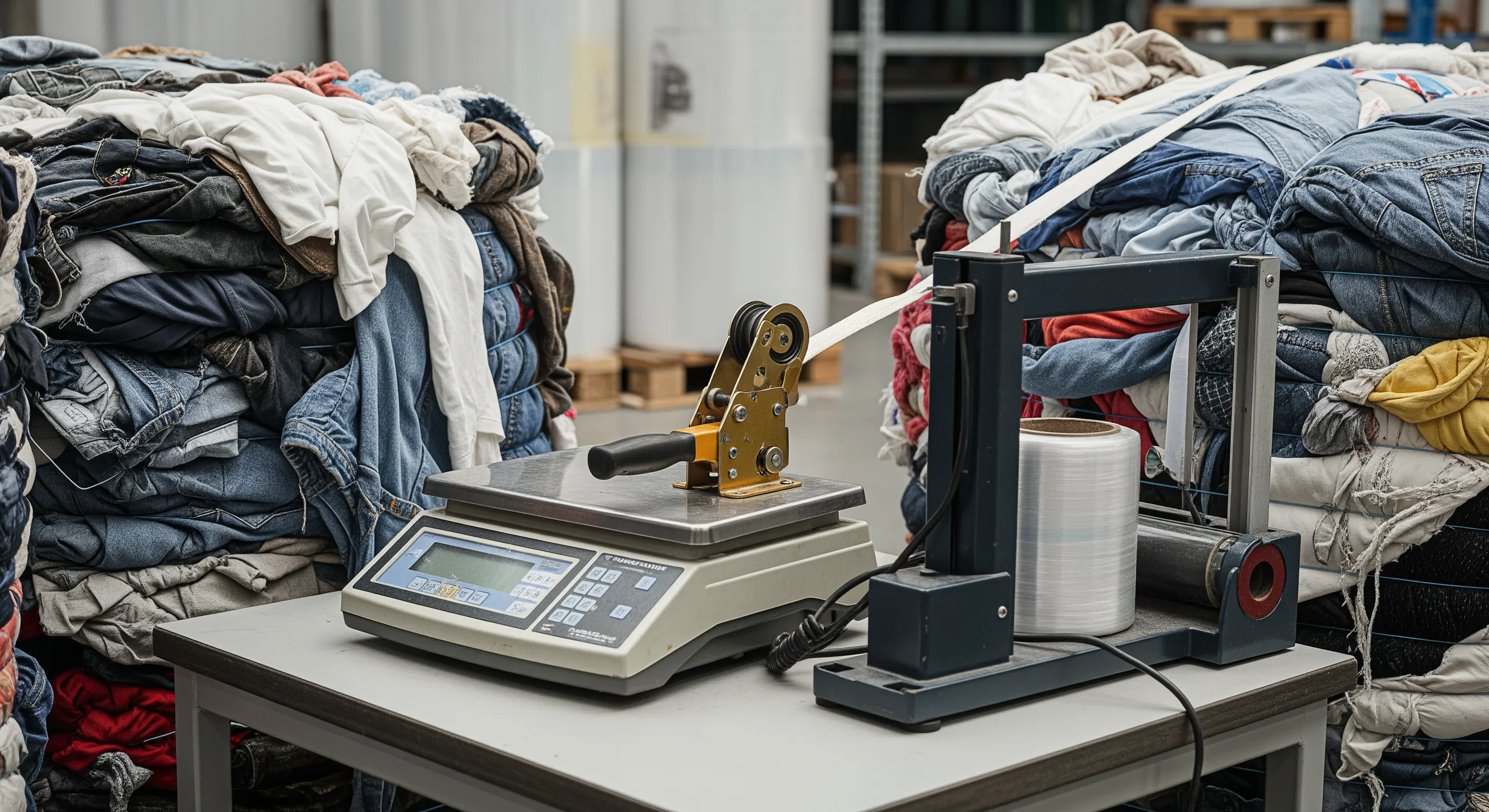
Pro tip: Regularly analyze market trends to stay ahead of shifts that could influence your inventory needs.
Sourcing Reliable Wholesale Suppliers
Finding reputable suppliers of second hand clothing in bulk is pivotal for ensuring product quality and reliability. Potential partners should have a proven track record and offer transparent grading processes. Look for suppliers who can provide relevant compliance certifications and logistical support to facilitate smooth transactions.
To enhance your sourcing strategy, consider reaching out to multiple suppliers to compare offerings. Use platforms that aggregate reviews and ratings from other businesses. Participating in trade gatherings can also connect you directly with viable suppliers and provide insights into their operations.

Pro tip: Establish long-term relationships with suppliers to negotiate better terms and enhance supply chain efficiency.
Grading Second Hand Clothing
Effective grading of second-hand clothing is essential to meet customer expectations and maintain a sustainable business model. Quality grading systems should categorize garments based on condition, fabric type, and style. This not only streamlines the resale process but also informs pricing strategies.
As you engage in grading, consider implementing a standardized grading chart that all employees and partners can reference. Such a system minimizes misunderstandings and enhances consistency in how products are assessed.
Pro tip: Invest in training for your staff on effective grading techniques to improve overall accuracy and customer satisfaction.
Logistics and Handling for Bulk Orders
Logistics plays a critical role in the seamless delivery of bulk second-hand apparel. A well-structured logistics plan encompasses transportation, warehousing, and distribution. Establishing clear timelines and communication channels with your suppliers is key to maintaining a smooth workflow.
It’s advisable to have contingency plans for unexpected delays, ensuring minimal disruptions to your sales operations. Verify packaging standards and check that items are securely handled during transit to mitigate damage risks.
Pro tip: Collaborate with an experienced logistics partner who understands the specifics of handling second-hand garments to optimize your supply chain.
Risk Mitigation in Second Hand Clothing Sourcing
Reducing risks associated with sourcing second-hand clothing involves proactive measures. Factors such as inconsistent quality and non-compliance with regulations can impact your bottom line. Therefore, it’s crucial to have a risk management strategy in place to address these challenges.
Regular audits of supplier practices can further fortify your risk mitigation efforts. Keeping abreast of regulatory changes can help ensure compliance and avoid penalties.
| Risk | Cause | Mitigation |
|---|---|---|
| Quality Variability | Inconsistent grading by suppliers | Standardized grading processes |
| Logistical Delays | Unforeseen shipping issues | Clear communication and contingency planning |
| Regulatory Compliance | Changing regulations | Regular supplier audits |
| Market Fluctuations | Consumer demand shifts | Continuous market analysis |
Pro tip: Develop a collaborative relationship with suppliers to enhance transparency and communication regarding potential risks.
Strategies for Profitability in Reselling
Maximizing profitability from bulk second-hand clothing requires strategic reselling techniques. Determine your target market and tailor your offerings accordingly to meet their needs, whether through online marketplaces, physical stores, or export channels.
Pricing strategies should reflect the quality of the garments being sold while remaining competitive. Utilizing data analytics to track sales trends can provide insight into consumer preferences, allowing for more informed inventory decisions.
Pro tip: Regularly review your pricing strategies and adjust based on market trends to maintain profitability.
Unlock Cost Savings and Inventory Variety with Trusted UK Bulk Clothing Sourcing

For trade buyers who need consistent bulk supply and clear grading expectations, explore Original Secondhand at originalsecondhand.com. If you’d like a quick recommendation on the best fit for your business model, volumes, and export requirements, contact the team here: Contact Us.
Frequently Asked Questions
What are the benefits of sourcing second hand clothing in bulk?
Sourcing second hand clothing in bulk allows businesses to reduce costs, offer a diverse range of inventory, and cater to the growing demand for sustainable fashion.
How can I ensure the quality of second hand clothing?
Implementing a standardized grading system and regularly auditing suppliers can help maintain quality across your inventory.
What logistics should I consider for bulk orders?
Key logistics factors include transportation, warehousing, and establishing contingency plans for potential delays.
What risks should I be aware of when sourcing second hand clothing?
Risks include quality variability, regulatory compliance issues, and logistical delays that can affect your supply chain.