
As the UK B2B market increasingly embraces sustainability, sourcing second hand clothes wholesale provides a viable solution for trade buyers aiming to capitalize on this trend. Engaging with reliable wholesalers can streamline the supply chain, ensuring that you acquire quality products for resale or export. This guide aims to navigate the complexities associated with buying second hand clothing wholesale, focusing on supplier reliability, grading systems, and logistics efficiency to enhance your trading experience.
Table of Contents
- Understanding Wholesale Suppliers
- The Grading System Explained
- Logistics and Transportation Considerations
- Exporting Second-Hand Clothing
- Mitigating Risks in Wholesale Purchasing
- Finding Reliable B2B Suppliers
Key Takeaways
| Consideration | Detail |
|---|---|
| Minimum Order Quantity (MOQ) | Assess supplier MOQs to align with your business needs. |
| Grading Signals | Understand the grading systems to ensure product quality consistency. |
| Logistics Readiness | Evaluate shipping options and lead times for timely delivery. |
| Margin Control | Calculate your margins carefully to ensure profitability. |
Understanding Wholesale Suppliers
Engaging with reputable wholesale suppliers is essential in the second hand clothing market. The right supplier can offer insights into product origins, grading systems, and logistics, thereby streamlining your purchasing process. When selecting a supplier, consider their experience in the UK resale market, their relationships with transport companies, and the consistency of their product quality.
Several suppliers provide tailored packages to suit different business models, from small resellers to larger exporters. It's worthwhile to request samples and verify their grading standards according to your expectations.
The Grading System Explained
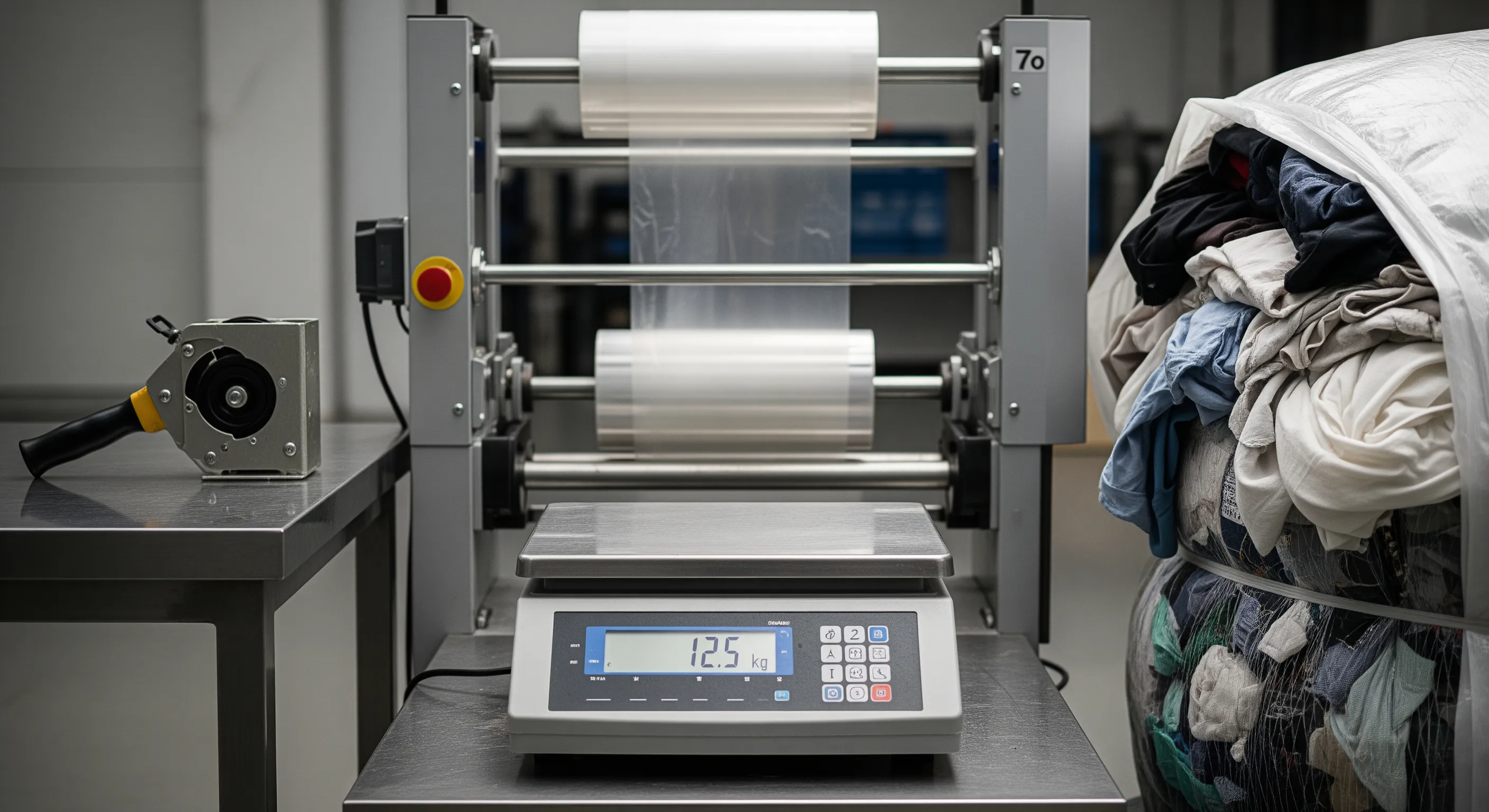
Understanding the grading system is crucial in ensuring that the second hand clothing you purchase meets your quality standards. Most suppliers will grade their clothing into categories such as A, B, and C, each denoting varying levels of quality and wear. It is vital to clarify these grades prior to purchasing so that you fully understand what you are buying.
For example, grade A clothing typically represents items in excellent condition, while grade C may include heavily worn items yet still marketable. Grading can directly affect resale value, making it a crucial aspect to consider in your purchasing strategy.
Logistics and Transportation Considerations
Efficient logistics is a definitive factor in the success of your wholesale purchasing operation. Evaluate potential shipping options, including freight methods that best suit your business needs. Things to consider include lead times, shipping costs, and the handling of bulk containers.
Work closely with suppliers to establish clear expectations on delivery schedules and product arrival conditions. This will help in avoiding disruptions in your sales cycle. Streamlining the logistics process ensures that your products are ready for sale as soon as they arrive.
Exporting Second-Hand Clothing
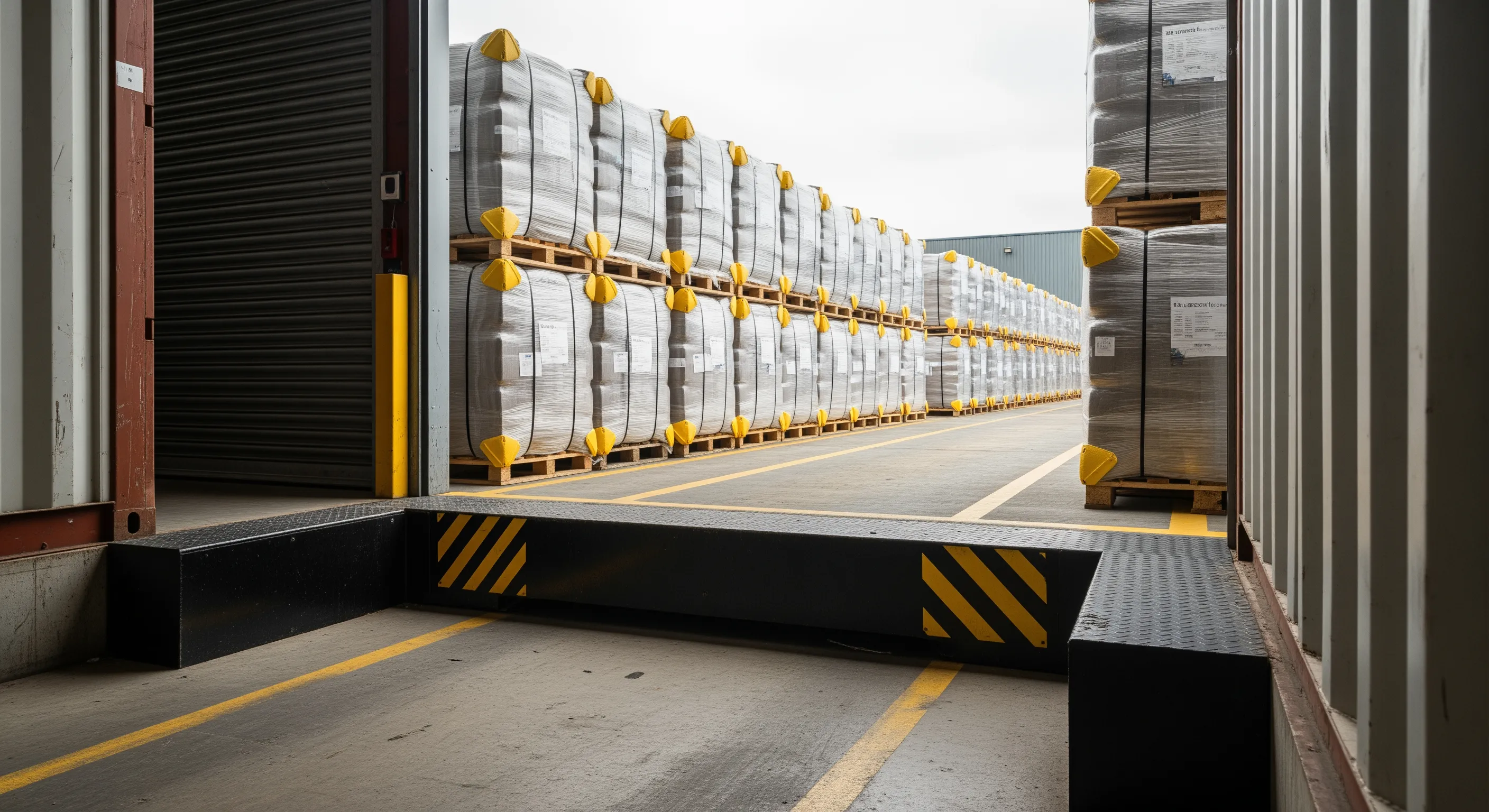
Exporting second-hand clothing opens up broader markets, enabling wholesalers to maximize their business potential. Familiarize yourself with regulations governing the export of clothing, including customs documentation and international shipping standards.
Access to reliable export channels is essential. Partnering with logistics companies familiar with your targeted markets can guarantee smoother transitions, optimize shipping routes, and minimize delays.
Pro tip: Maintain clear communication with your suppliers for a seamless export process.
Mitigating Risks in Wholesale Purchasing
Every wholesale transaction carries potential risks including quality discrepancies and delivery delays. Establishing a systematic approach to risk management is critical in protecting your budget and margins.
Common risks can be effectively manged through strategies such as thorough supplier audits, avoiding unverified suppliers, and ensuring compliance with contract terms. Continuously monitoring shipping and logistics can help identify and preempt potential issues.
| Practical Risk | Cause | Mitigation |
|---|---|---|
| Quality Issue | Poor grading standards | Regular audits and clear grading criteria |
| Delivery Delay | Poor logistics coordination | Establish reliable shipping partners |
| Compliance Risk | Lack of awareness of export regulations | Consult with experts and training |
| Financial Risk | Unexpected cost of goods | Maintain proper budget estimates |
Finding Reliable B2B Suppliers
Identifying trustworthy B2B clothing suppliers can be a challenging task, yet it is fundamental to the sustainability of your business. Participate in industry trade shows and networks to meet potential suppliers and gather insights into their offerings.
Online resources and directories can also assist in locating reputable suppliers. Verify their credibility through reviews and testimonials from other buyers, ensuring they can meet your logistical and grading requirements.
Pro tip: Engage with your chosen suppliers regularly to build strong relationships and ensure effective communication.
Unlock Cost Savings and Inventory Variety with Trusted UK Bulk Clothing Sourcing

For trade buyers who need consistent bulk supply and clear grading expectations, explore Original Secondhand at originalsecondhand.com. If you’d like a quick recommendation on the best fit for your business model, volumes, and export requirements, contact the team here: Contact Us.
Frequently Asked Questions
What factors should I consider when selecting a supplier?
Consider their reputation, grading standards, and logistics capabilities.
How do I ensure product quality?
Regular audits and familiarity with the grading systems can help maintain quality standards.
What should I know about exporting clothing?
Understand regulations, documentation, and reliable shipping channels.
How can I mitigate risks in wholesale purchasing?
Establish robust auditing processes and maintain clear communication with suppliers.