Beldi-Fripe: Leading Wholesale Exporter and Sorter of Secondhand Clothing
Beldi-Fripe is a UK wholesale secondhand supplier specializing in large-scale export and sorting of pre-owned clothing. Serving trade buyers including distributors and container importers, it offers sorted garment bales by quality and category.
Overview of Beldi-Fripe
Beldi-Fripe operates as a significant player within the international secondhand clothing sector, focusing on wholesale export and sorting activities. Although based in regions such as Belgium, France, and Tunisia, its services cater broadly to businesses sourcing secondhand apparel for resale in various markets including Africa, the Middle East, and Eastern Europe.
This company acts primarily as an intermediary, connecting textile collection points in Europe and North America with retailers abroad. The term "Fripe" is widely recognized in French-speaking countries as referring to secondhand clothes, underlining the cultural and commercial roots of the business.
Grading and Product Categories
Beldi-Fripe implements a structured grading system to classify inventory, assisting buyers in selecting stock according to their target market. The highest quality items, often branded and without visible wear, are categorized as the "Cream" grade. Other grades include Grade A, denoting very wearable clothing free from significant defects, and Grade B, which comprises items with minor damage or heavier wear offered at lower price points.
- Summer Mix: Includes t-shirts, shorts, and lighter dresses.
- Winter Mix: Consists of jackets, coats, and sweaters.
- Shoes and Accessories: Packaged separately, with higher grades commanding premium prices.
- Vintage Selections: Curated collections focused on styles from the 1980s and 1990s.
Sorting and Packaging
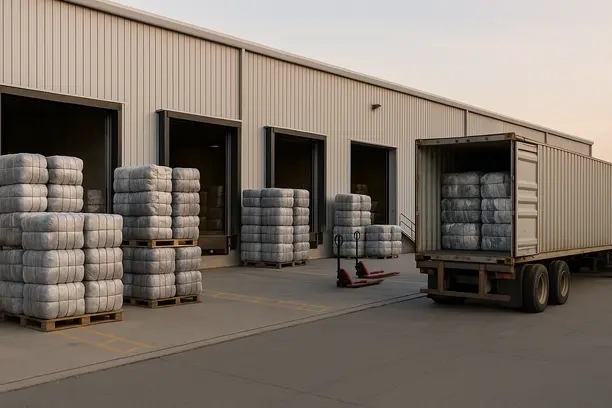
Beldi-Fripe packages clothing in industrial bales to facilitate bulk handling and international shipping. Bale weights range from small (approximately 45-55kg) to large (400-500kg) sizes, allowing buyers flexibility based on order size. Sorting is performed to ensure the contents match buyer specifications, whether they desire original unsorted loads or sorted stock with known compositions.
Logistics and Export
Operations at Beldi-Fripe are structured to meet the requirements of both domestic UK and broader European trade buyers. Shipments are prepared with consideration for export readiness, including necessary documentation and compliant packaging suited for sea freight and customs processes.
- Lead Time: Dependent on stock availability and shipment size.
- Delivery: FOB terms are common, requiring buyers to arrange onward shipping and customs clearance.
Efficient logistics and comprehensive coordination with freight partners enable Beldi-Fripe to serve a diverse wholesale customer base effectively.
Sustainability Practices
Beldi-Fripe's business model supports circular economy principles by promoting reuse and minimizing textile waste. The firm emphasizes extending garment lifecycles through resale in new markets, aiding in environmental impact reduction.
- Waste Minimization: Through sorting and grading, only usable clothing enters the distribution chain.
- Resource Conservation: Bulk handling and optimized packing reduce energy consumption per unit shipped.
This approach aligns with growing sector expectations for sustainable and responsible wholesale sourcing.
Engaging with Beldi-Fripe
Trade buyers interested in sourcing from Beldi-Fripe should undertake standard due diligence, such as verifying supplier credentials and requesting detailed packing lists. Differentiating between sorted stock and original unsorted bales is important to match product quality with business requirements. Establishing clear terms regarding order volume, product grades, and logistics assists in fostering successful collaborations.
Beldi-Fripe exemplifies a wholesale secondhand supplier adapting traditional sorting and export practices into a structured framework serving international trade efficiently.
Wholesale secondhand clothing suppliers in the UK typically implement a structured grading system to ensure consistent quality for trade buyers. Clothing items are inspected thoroughly and categorized based on wear, brand presence, and visual condition before sale.
- Highest Grade: Items with no visible wear, often branded and sometimes with original tags.
- Grade A: Good condition items with slight signs of previous use but free from holes or stains.
- Grade B: Garments with visible wear, minor defects, or less desirable styles, offered at more economical prices.
- Baled Clothing: Compressed into industrial bales, sorted by season or category such as summer mix or winter mix.
The grading and sorting processes aim to create reliable product categories that trade buyers can select from depending on market demands and target customers. Quality checks include visual inspection and manual sorting by experienced teams to maintain consistency across batches.
UK wholesale secondhand suppliers typically maintain logistics operations designed to support both domestic and European export requirements. Packaging often involves bulk packing of sorted goods into bales or sacks adapted for efficient handling and transport.
- Dispatch Process: Orders are prepared promptly with flexibility to accommodate container shipments or smaller bulk orders.
- Lead Times: Vary depending on order size and stock availability but generally adhere to industry norms for wholesale supply.
- Export Readiness: Documentation and packaging comply with export regulations, facilitating seamless shipment to various destinations.
Suppliers usually work with freight forwarders and shipping partners experienced in secondhand textiles to ensure timely and secure delivery for trade buyers across the UK and Europe.
Wholesale secondhand suppliers contribute to sustainability by promoting the reuse and extended lifecycle of clothing, reducing environmental impact associated with fast fashion and textile waste.
- Reuse Focus: Sourcing and distributing pre-owned apparel supports circular economy principles by keeping garments in productive use.
- Waste Reduction: Sorting and grading processes ensure only viable products enter the market, minimizing textile waste.
- Resource Efficiency: By optimizing logistics for bulk shipments, environmental footprint related to transport is controlled.
Such practices align with the increasing demand from trade buyers and consumers for more responsible sourcing and reduced environmental impact within the garment industry.
Popular Wholesale Categories
Learn more about our most requested mixes and delivery options.