Company Overview
DALIA TEXTIL is a recognized player in the international secondhand wholesale market, focusing on the collection, sorting, and export of used textiles. Originating in Spain, the company operates a large sorting facility where extensive volumes of clothing, shoes, and accessories are processed and prepared for global distribution. They serve mainly trade buyers seeking quality-assessed secondhand goods across multiple categories and markets.
Product Categories and Quality Management
The company handles a wide range of products including men's, women's, and children's apparel, as well as shoes, handbags, belts, and household linens such as towels and bedsheets. Their sorting process involves classifying items into various quality grades based on condition and wear levels. These categories help buyers select merchandise best suited to their target demographic and retail channel.
- Cream or Extra Quality for near-new pieces, often branded
- Grade A for high-quality used garments without defects
- Grade B for items with additional signs of usage
Seasonal sorting also plays an important role, with collections divided into summer and winter assortments to meet specific market demands.
Logistics and Export Services
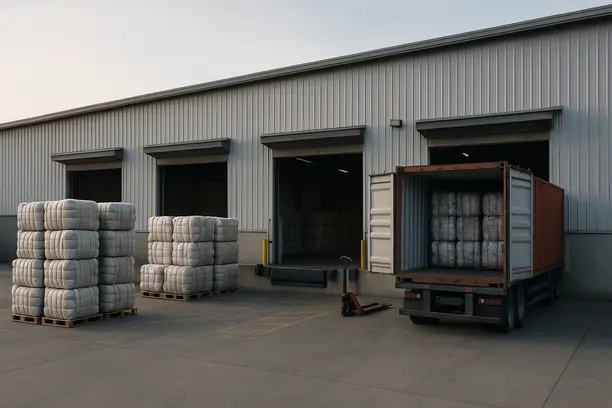
DALIA TEXTIL is equipped to handle large-scale export logistics, packing products into industry-standard compressed bales that optimize space and protect the contents during transit. The company routinely loads shipments into 20ft and 40ft containers for transport to international markets including Africa, Asia, Eastern Europe, and Latin America.
Key logistical capabilities include:
- Bulk packaging of mixed or grade-specific bales
- Customized packaging options for premium products
- Coordination of shipping volumes adhering to customs and import regulations
This structured approach ensures flexibility and reliability in delivery times and handling.
Sustainability and Circular Economy Contributions
As part of its operational philosophy, DALIA TEXTIL actively supports environmental sustainability. By promoting the reuse of textiles through careful sorting and redistribution, the company minimizes waste and contributes to the circular economy. This reduces the amount of textile materials entering landfills or incineration.
The use of secondhand garments, footwear, and accessories enables multiple life cycles for each product, supporting more responsible consumption and production patterns within the textile industry.
Why Partner with DALIA TEXTIL?
Trade buyers often select DALIA TEXTIL for the quality and variety of their secondhand stock, alongside the company's expert knowledge in navigating export processes and compliance. The company's experience and infrastructure allow it to meet different client specifications regarding quality, volume, and destination requirements.
Ordering and Cooperation
Potential wholesale buyers are encouraged to clarify destination country restrictions, quality expectations, and volume needs before initiating contact. This preparation helps streamline the order process and ensures suitable product delivery. DALIA TEXTIL remains a reliable partner in the European and global secondhand textile markets.
As a wholesale secondhand supplier operating internationally, the company employs a structured sorting and grading process to maintain quality standards. Items such as clothing, shoes, and accessories are carefully inspected and categorized based on visible wear, brand, and condition. Generally, goods are classified into quality tiers—ranging from like-new items to those with more noticeable use. This systematic approach helps ensure that buyers receive merchandise aligned with their market needs and expectations.
Key quality controls typically include:
- Inspection for damage, stains, or defects
- Segregation by wear level and usability
- Sorting according to type and seasonality
Such grading supports transparency for wholesale customers and aids the alignment of prices with quality levels, though precise grading scales may vary.
Logistics operations focus on efficient packaging and readiness for export, particularly for bulk shipments. Items are commonly packed into compressed bales or large sacks, depending on the type and quality of the goods. These packaging methods facilitate space optimization and protection during transport.
Logistics handling features often include:
- Preparation of mixed or quality-specific bales weighing standard industry amounts
- Organization of shipments via containers sized for international export
- Coordination of dispatch and delivery schedules to accommodate destination requirements
Lead times are generally based on order volume and destination specifics, supporting flexibility in the supply chain. Packaging also considers export regulations and customs procedures to enable smooth delivery across regions such as Africa, Asia, and Europe.
The company demonstrates a clear commitment to sustainability through its role in the reuse and circular economy of textiles. By collecting, sorting, and reselling secondhand clothing and related items, it contributes to reducing waste and extending product life cycles.
Sustainability aspects include:
- Diverting used textiles from landfill and incineration
- Enabling multiple use cycles for garments, shoes, and accessories
- Supporting responsible consumption patterns via wholesale distribution
This approach aligns with wider industry efforts to minimize environmental impact through waste reduction and promoting circular use of resources in the textile sector.
Popular Wholesale Categories
Learn more about our most requested mixes and delivery options.