Doe Goed Textile Recycling and Wholesale Solutions
Doe Goed is a Dutch textile collection and sorting organization supplying UK wholesale secondhand markets. It serves trade buyers involved in bulk textile import, vintage shops, and export businesses by providing access to large-scale sorted clothing stock.
Overview of Doe Goed
Doe Goed is a Dutch organization specializing in the collection of used textiles and footwear. Operating primarily within the Netherlands, Doe Goed collects large volumes of textiles which are then channeled into the wholesale secondhand supply chain through professional textile sorting companies. While Doe Goed itself does not engage directly in wholesale selling, it plays a critical role in sourcing the raw textile material vital to the European secondhand wholesale market.
Collection and Distribution Process
Working with numerous collection points, including street bins and drop-off locations, Doe Goed amasses textiles which are transported in bulk to sorting facilities. These sorting centers are staffed by experienced operators who assess, categorize, and bale the incoming textiles according to industry standards. This system ensures that textiles originating from Doe Goed reach the wholesale market in an organized and quality-assured manner.
Typical Sorting Categories
- Cream Grade: Premium-quality, nearly new textiles, often destined for high-end vintage or resale boutiques.
- Grade A: Good used items with no significant defects, suitable for general secondhand retail outlets.
- Grade B: Worn items exhibiting more visible signs of use, primarily intended for export markets.
- Recycling Grade: Textiles beyond wearable condition, sent for recycling or industrial repurposing.
Wholesale Market Role
Doe Goed's function within the wholesale ecosystem is primarily as a supplier of original, unsorted bulk textiles. These are acquired by major sorting companies such as those operating in the Netherlands and Belgium. Trading in this sector requires understanding of minimum order quantities, quality grades, and the logistical challenges related to bulk textile distribution.
Buyer Considerations
- Most sorting centers operate on a minimum order basis, often necessitating large volume commitments.
- Appointments and proof of trade (such as business registration numbers) are commonly required to visit sorting warehouses.
- Options to handpick stock or purchase pre-sorted bales vary between wholesalers and influence pricing and risk.
Sustainability Commitment
Through its collection activities, Doe Goed supports the circular economy by diverting textiles from landfill and promoting reuse. The organization generates funding for development projects by enabling the wholesale supply of used textiles, thereby integrating social and environmental sustainability. Its model contributes to reduced resource consumption and waste within the fashion and textile industries.
Conclusion
Doe Goed represents a key node in the Dutch textile recycling and secondhand wholesale network. While it does not itself wholesale sorted textiles, it provides essential raw materials for the supply chain supporting trade buyers in the UK and Europe. Understanding its role and the broader sorting and logistics framework assists wholesalers and retailers in making informed sourcing decisions in the resale market.
Doe Goed operates within the Dutch textile collection framework, supplying bulk secondhand textiles primarily for sorting and resale through specialized wholesalers. While Doe Goed itself does not grade or sort individual items, the textiles collected are later categorized by sorting centers into quality grades that suit various markets.
Typical grading processes include:
- Cream Grade: High-quality, near-new items often suitable for premium resale.
- Grade A: Good condition clothing with minimal wear, fit for standard secondhand retail.
- Grade B: Items with visible wear, destined for export markets or secondary uses.
- Recycling Grade: Unwearable textiles repurposed or recycled industrially.
This grading allows wholesalers and buyers to select stock matching their business needs. Quality control is generally based on visual inspection and sorting standards applied by professional textile sorting facilities partnering with Doe Goed.
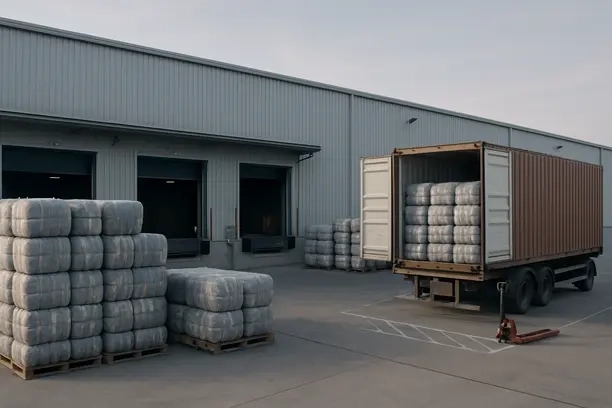
Logistics for the textiles associated with Doe Goed involve bulk collection and onward distribution through wholesale sorting companies. Collected textiles are transported from collection points to centralized sorting warehouses, where they are processed and prepared for dispatch.
Key logistical considerations include:
- Bulk packaging into bales or containers suitable for storage and transport.
- Preparation for export, including labeling and sorting by quality grades.
- Handling lead times reflective of collection volumes and sorting capacity.
- Readiness for both domestic distribution within the Netherlands and export across Europe and beyond.
Logistic operations prioritize efficiency and compliance with cross-border transport regulations to support seamless supply chain flow for bulk secondhand textiles.
Doe Goed contributes to a circular economy by enabling the reuse and recycling of textiles on a large scale. By collecting used clothing and shoes, it diverts significant amounts of material from landfill or incineration.
Sustainability principles include:
- Promoting textile reuse through wholesale supply to markets extending product life cycles.
- Facilitating proper sorting to maximize recovery and minimize waste.
- Supporting charitable causes which benefit from the funds generated through textile collection.
Doe Goed's model exemplifies how textile recycling supports waste reduction and resource efficiency in the fashion and textiles sector without relying on specific certifications.
Popular Wholesale Categories
Learn more about our most requested mixes and delivery options.